

One bottle can be charming and still be worth modestly little
Your old Avon bottle can feel instantly collectible, but value is rarely one-dimensional. In most cases, the biggest pricing swings come from three combined signals: maker era, rarity profile, and present condition. A bottle with a fun story but no identifying era clues is usually treated like decorative glass until proof arrives.
Good news: you can narrow risk quickly. Bad news: you should expect uncertainty early. Published sale records for Avon bottles are fragmented, and a lot of online references mix modern reissues, modern estate photos, and unrelated perfume collectibles. This is why this guide gives you a practical workflow first, then only a narrow set of value inferences.
Use this checklist in five minutes and then continue with a free instant estimate when your item deserves a deeper read from Appraisily.
Important: prices in this guide are directional context points, not a guarantee of sale result for your exact piece.
How to read year clues without guessing
People often assume “old” equals one broad era. For value work, that’s where they lose precision. Start with visible age markers and packaging style, because Avon production changed shape, labeling, and lettering with periods of corporate transition.
- Glass profile and shoulder shape: Older and transitional molds often leave consistent profile language across production runs.
- Typography and label alignment: letter style and engraving depth vary by period and can support dating hypotheses.
- Base construction: base seams, mold marks, and tooling details are often more reliable than color alone.
- Fill and mouth edge: modern reproductions may imitate silhouette but differ in edge finish and lip geometry.
Practical rule: first classify your bottle into one of three confidence buckets—“strong match,” “possible match,” and “uncertain.” If you cannot place it clearly, do not over-weight year in your value estimate yet.
Rarity is about family and pattern, not just age
Age usually sets when a bottle was produced; rarity tells how uncommon that exact configuration is.
A practical rarity ladder:
- High rarity: a clearly documented limited run, discontinued label stack, or pattern that appears rarely in period images.
- Moderate rarity: an ordinary family style that shows minor collector differentiation.
- Low rarity: broad production variants sold as household goods, with little identifying scarcity.
Condition can amplify rarity value, but only when rarity is real. We routinely see buyers pay significantly for unusual decorative motifs, then get disappointed when the same motif appears in common batches. If a feature is common in your own side search, treat it as decorative value, not premium value.
Condition decides what a buyer will actually pay
Condition is the multiplier you can observe immediately. For old bottles, this is almost always visual and very specific:
- Surface scratches and chips are usually tolerated at low-dollar price points.
- Loss of label, soft lettering, or severe rim stress can reduce collector confidence.
- Clouded or yellowed glass is not automatically a reject; it may reduce price less than structural damage.
- Cracked bodies, repaired joins, or heavy polishing usually push valuation sharply down.
Think in condition tiers:
Tier A (presentation grade): intact structure, clear markings, minimal wear. Tier B (collectible but lived-in): small wear signs but coherent structure. Tier C (heavily worn): visible defects materially reduce buyer willingness.
The same model can be two or three price bands apart across these tiers. That is why comparing one headline “rare” item to a rough twin is misleading.
How an authentication pass saves you from bad pricing
Before you place a value sticker or negotiate a buyout, run a fast authentication pass:
- Confirm the base, label, and shoulder details against period references.
- Check for signs of replacement parts or modern glue lines.
- Assess whether apparent rarity signals are visible in all dimensions, not just one close-up.
- Document provenance indicators (photo date, lot notes, old sale listings) when available.
- Classify as “likely authentic style,” “likely reproduction-era piece,” or “needs specialist review.”
The specialist review state is not only for uncertain items. A lot of users avoid it and lose confidence in pricing because they never get a second opinion when condition and rarity disagree. If your bottle lands in a borderline zone, the best move is often a free instant estimate first.
Scenario-based way to avoid overpaying or underpricing
A buyer at an estate sale sees a set of bottles with an attractive deep-olive tint and thinks each is special. A realistic audit usually finds one is close to ideal, one has a repaired seam, and one is a later replacement style with a period motif. The pricing path is different for each; one can be a featured item, one a negotiation piece, and one a sentimental add-on.
For your item, separate “who might like this” from “who will pay through condition tolerance.” That split usually catches inflated mental anchors, especially when buyers and sellers talk in generic terms like “old” and “vintage” as if they were synonyms.
Build your own value range before any listing price
Because this topic’s evidence coverage is mixed, use a bounded range, not a single headline number. A practical method:
- Set a floor based on Tier C (lowest-condition analogs) or low-confidence matches.
- Set a target based on Tier B and common lot behavior.
- Set a ceiling only if rarity + condition both score high and authenticity is clean.
From web and internal signal patterns, broad collectible examples in similar categories are often quoted from a few dollars to the low hundreds, while stronger verified examples can be materially higher. That range is broad for a reason—if details are incomplete, the result should stay broad.
As an internal policy, we prefer this structure to avoid forcing a false precision. It keeps buyers realistic and reduces dispute risk later.
How to make your listing stronger in 2 days
Most value delays happen because owners skip details that matter most to buyers and appraisers. Add these three photos:
- Front and back label area at close range.
- Top rim and edge profile with a scale or coin nearby.
- Any seam joins and the internal mouth area.
Pair the photos with one line each: why you think it is from a specific period, what is rare about it, and the three visible wear points. That simple context can shift confidence by a large margin compared with a single “antique bottle” caption.
Free instant estimate
Not sure if your old Avon bottle is worth more than a decoration? Let us take a look.
Upload a photo and share what you know. If it is worth a full appraisal, we will say so.
Free. No card needed. Takes about two minutes.
Search variations readers also ask
- Are old Avon bottles worth something?
- Old Avon bottle price guide by year
- What makes an Avon bottle rare
- How to date an Avon perfume bottle
- How much damage lowers old bottle value
- Do chipped Avon bottles still have resale value
- Can I list a replica Avon bottle as original
- Old Avon bottle value range by condition
- Best photo angles for a bottle valuation
Note: We couldn’t find relevant auction comps in our database for this topic right now. If you’re valuing a specific item, try searching by maker/model/material and we’ll expand coverage over time.
What similar items actually sold for
To help ground this guide in real market activity, here are recent example auction comps from Appraisily’s internal database. These matched sales are market context only, not an object estimate or identification, and they do not guarantee a price for your specific avon bottle.
Shown USD range: USD 1-USD 15. Median of these 5 USD examples: USD 1.
| Comparable | What sold | Auction house | Date | Lot | Source-reported amount |
|---|---|---|---|---|---|
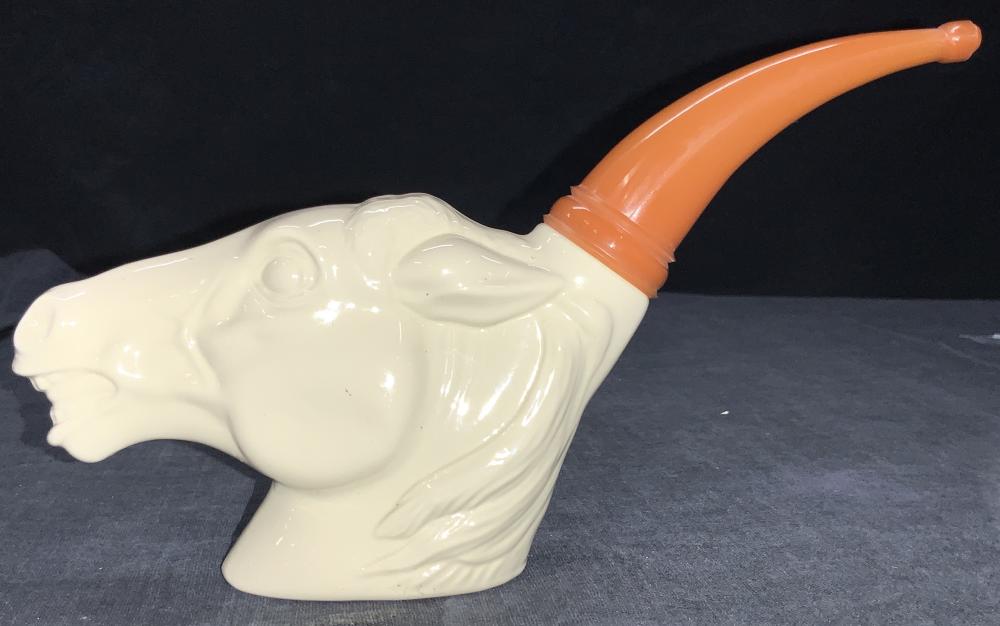 |
AVON Wild Mustang Pipe Cologne BottleSource blocked; provenance matched | The Benefit Shop Foundation Inc. | 2022-09-28 | 83 | USD 1 (buyer’s-premium treatment unknown) |
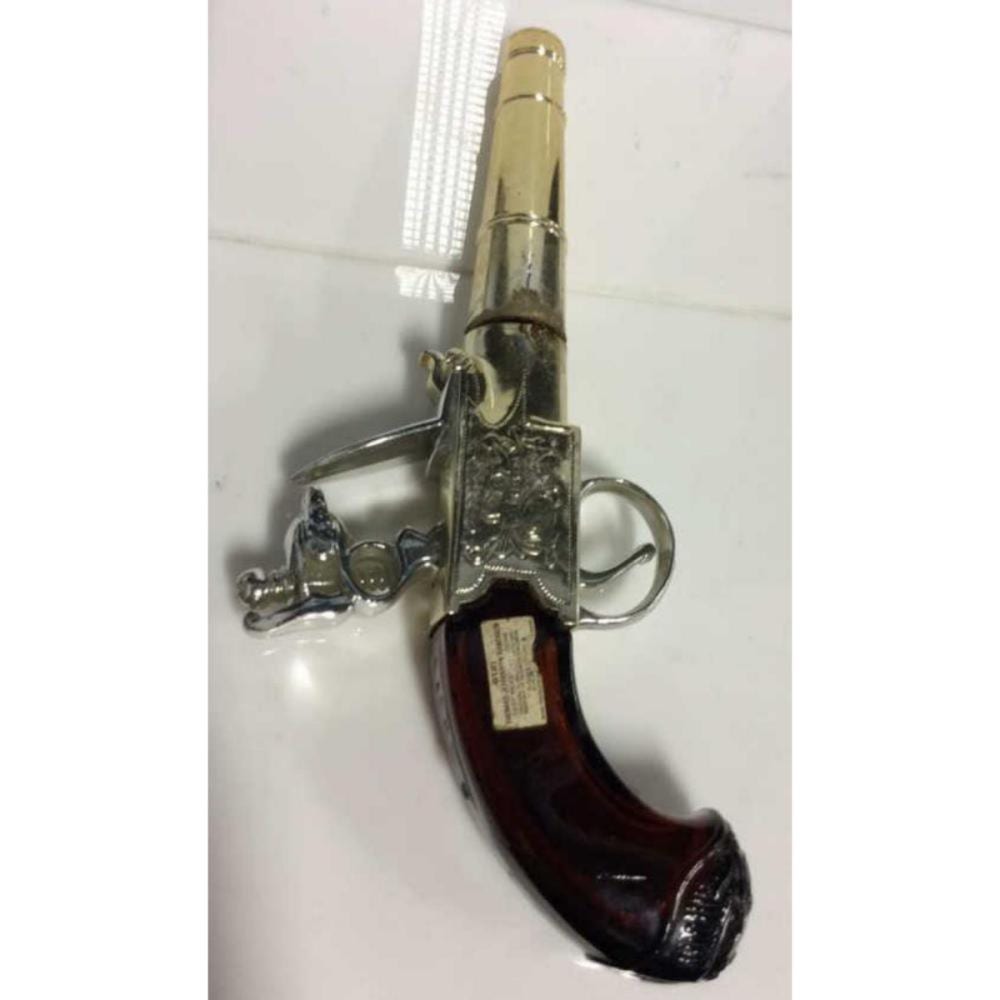 |
AVON Collectible Handgun Perfume Bottle Model | The Benefit Shop Foundation Inc. | 2018-07-11 | 406 | USD 15 (buyer’s-premium treatment unknown) |
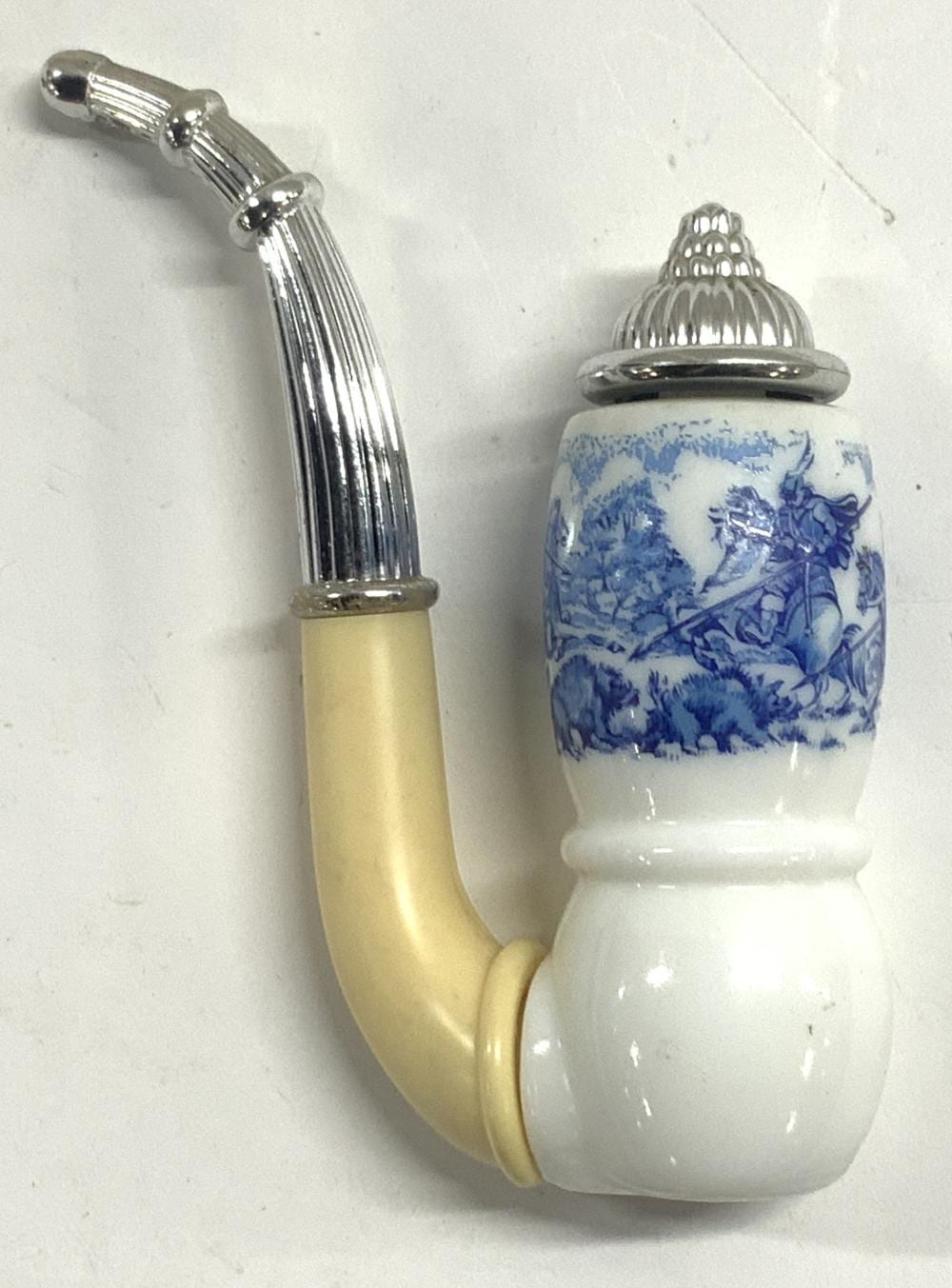 |
Vintage Avon Tai Winds Pipe Form Lotion BottleSource blocked; provenance matched | The Benefit Shop Foundation Inc. | 2024-09-18 | 527 | USD 1 (buyer’s-premium treatment unknown) |
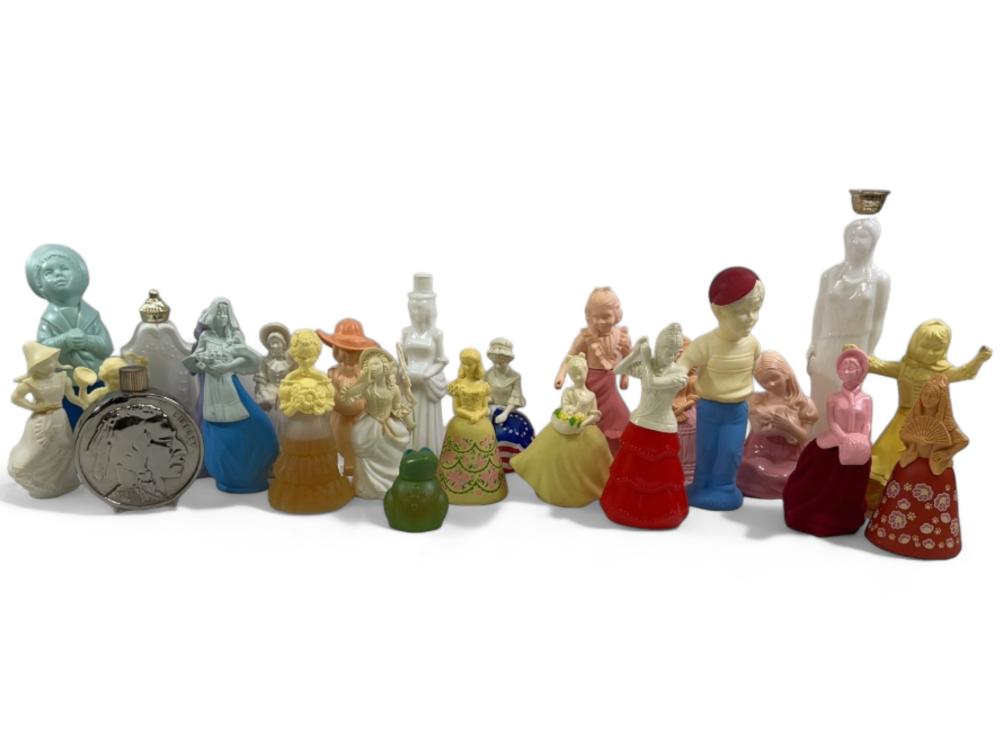 |
Vintage Avon Perfume Bottle some fullSource blocked; provenance matched | R & R Auction INC | 2024-05-19 | 6223 | USD 10 (buyer’s-premium treatment unknown) |
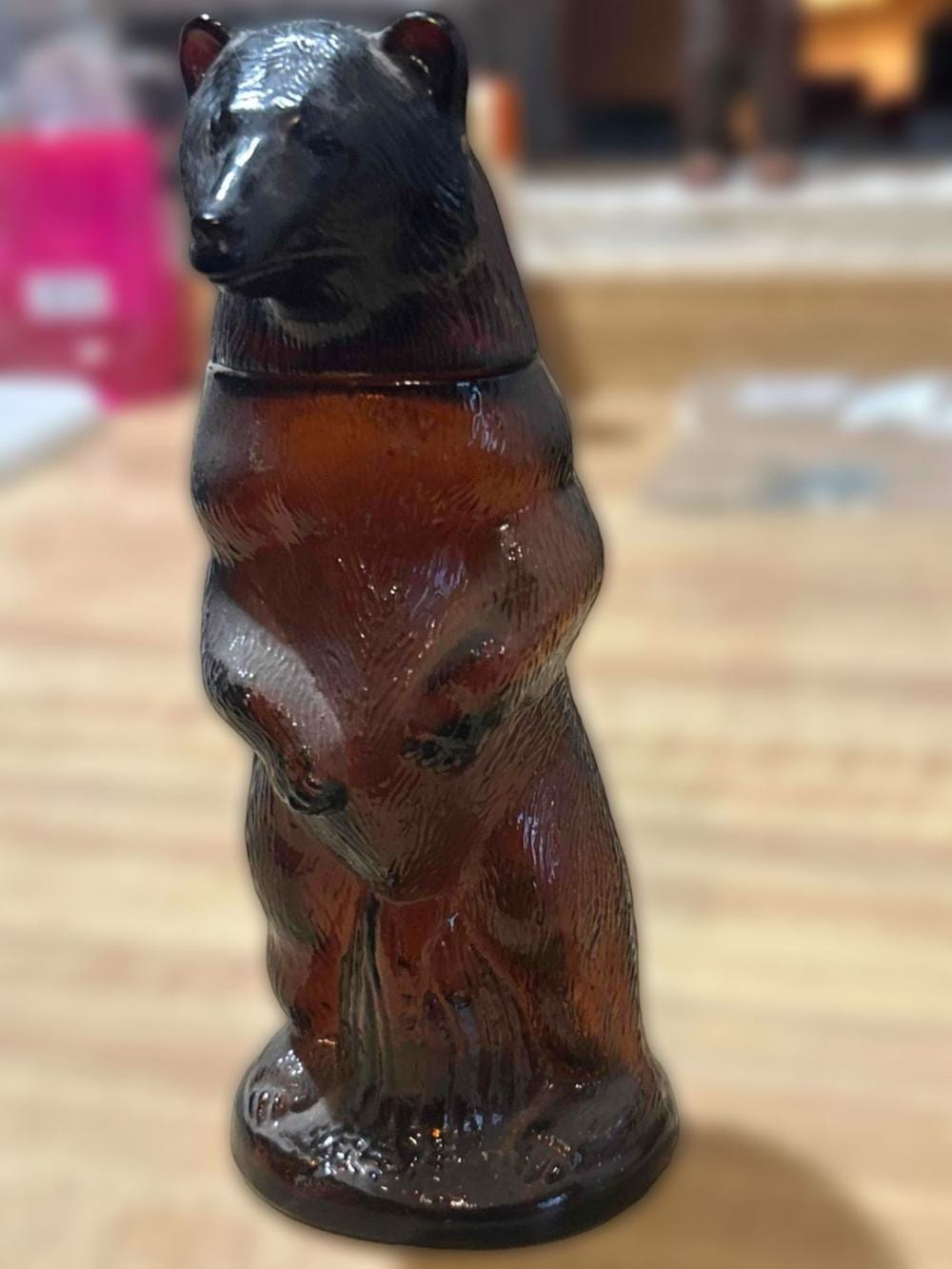 |
Vintage Avon Kodiak Grizzly Bear Wild Country After Shave Brown BottleSource blocked; provenance matched | Aether Auctions | 2024-01-18 | 89 | USD 1 (buyer’s-premium treatment unknown) |
How these auction records were verified
Each row retains its exact source URL, lot identity, retrieval time, access result, and immutable record hash. Live source access was blocked; the exact record matched Appraisily's immutable pipeline provenance. Inspect the public comparable provenance record.
Disclosure: prices are shown as reported by auction houses and are provided for appraisal context. Learn more in our editorial policy.
References and data framing
This guide uses collected auction context, marketplace discussions, and category signals as directional references only. Internal auction records can contain off-topic or sparse coverage for narrow vintage queries, so final price confidence improves with stronger provenance and full photos.
- Old Avon Bottles: Value Guide & Collector
- 7 Factors That Determine the Value of Old Bottles
- Unlocking the Secrets of Vintage Charm: Old Avon Bottles
- Old Wine Bottles Value: How to Date, Authenticate & Price
- Editorial policy and valuation method
Last updated: 2026-05-10 · Last review: based on the latest evidence bundle at run time.