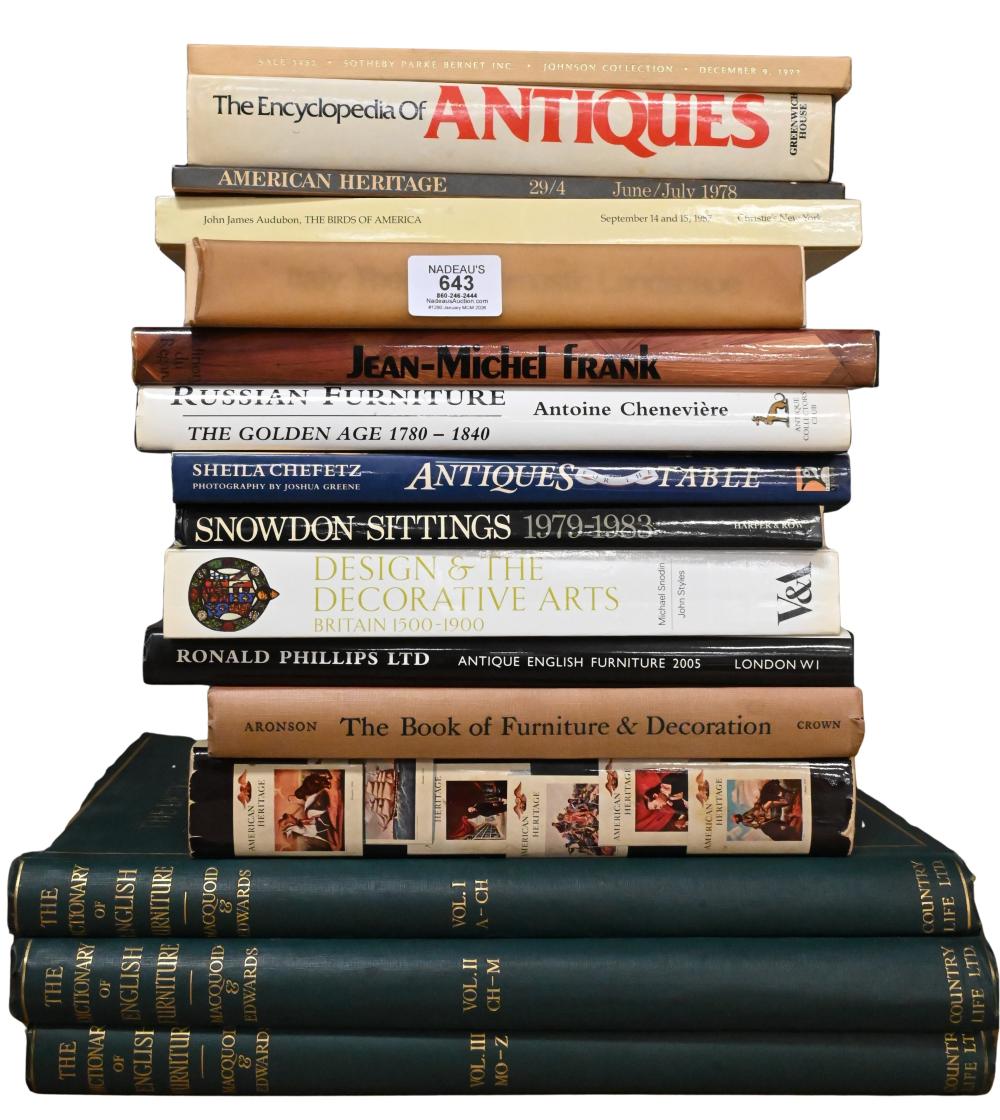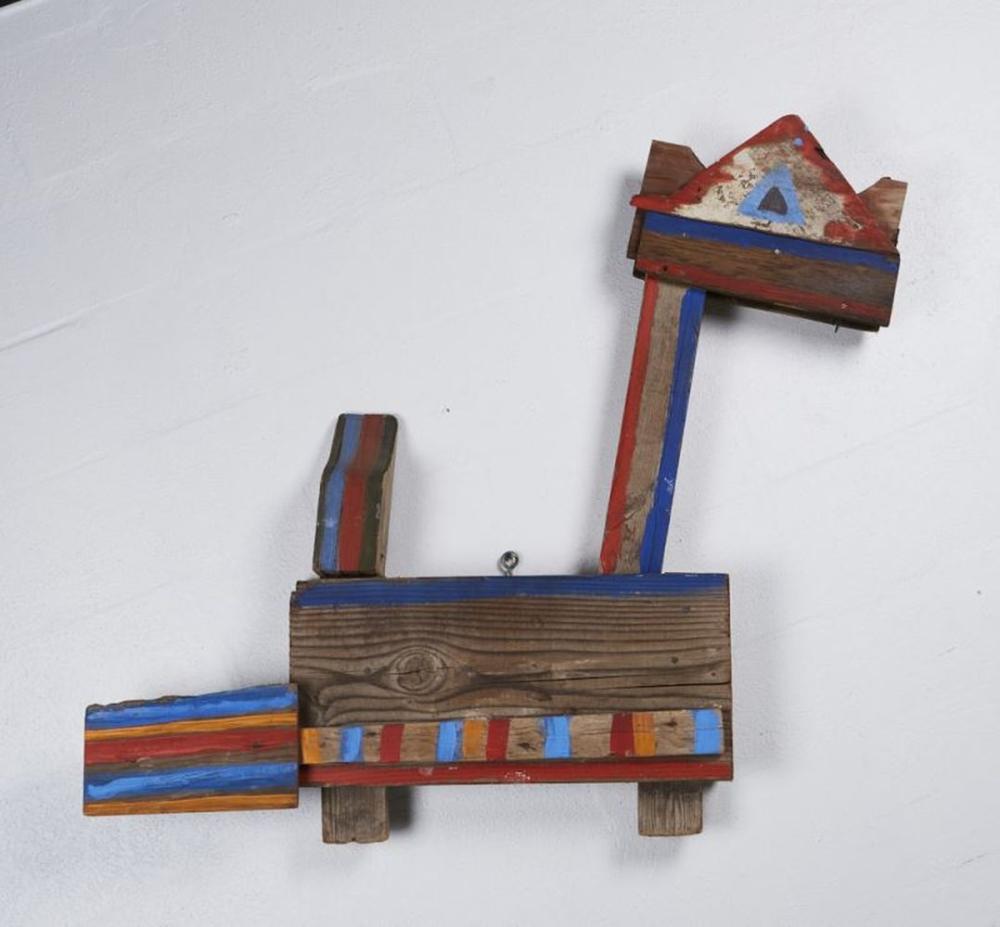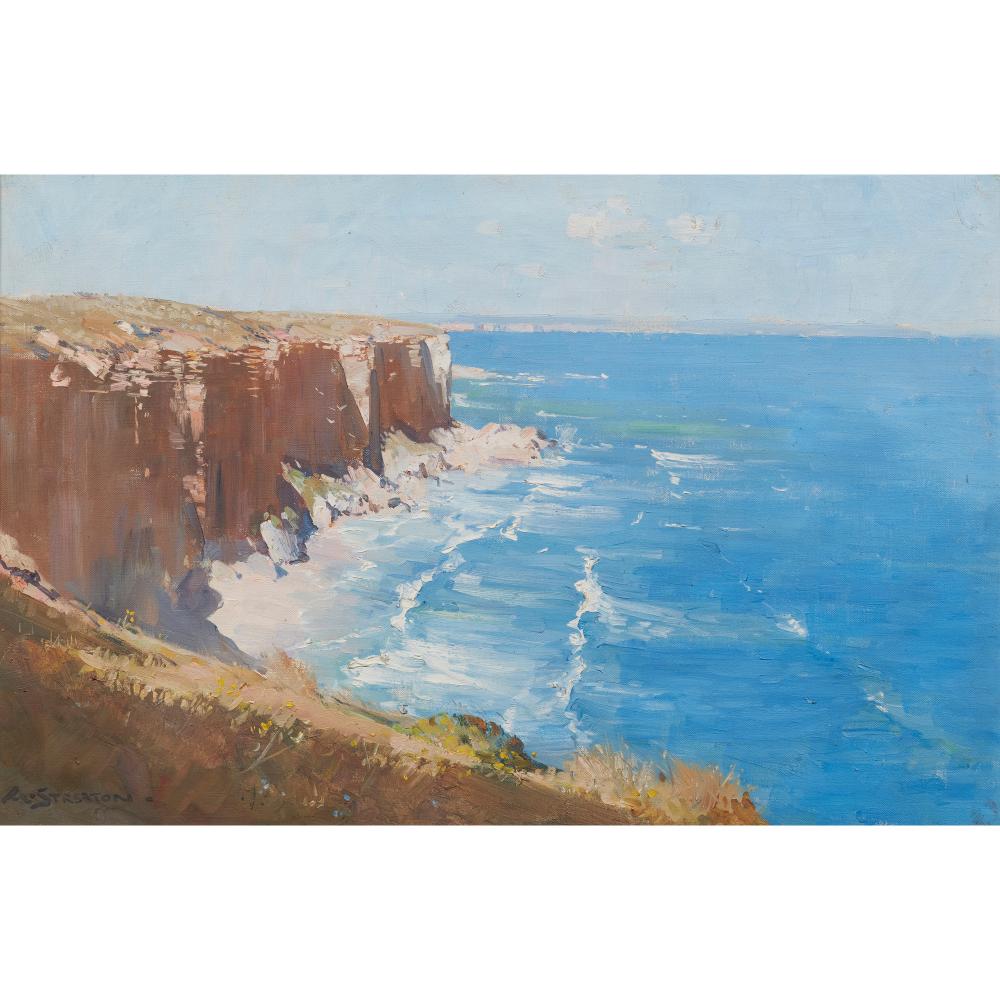
A useful antique appraisal is more than a quick price guess. It should identify the object, explain condition, define the intended use, cite appropriate market evidence, and make clear what the value conclusion does and does not cover.
Start with purpose
Insurance, estate, donation, resale, equitable distribution, and curiosity assignments can require different definitions of value and documentation. The report should fit the purpose.
Evidence matters
Measurements, materials, marks, provenance, repairs, photos, and market evidence should support the conclusion. Unsupported claims can make a report hard to use.
Know when credentials matter
For tax, donation, legal, or insurance uses, ask about report format, standards, qualifications, and conflicts of interest. A casual estimate may not be enough.
What a defensible value needs
Before ordering, gather photos, dimensions, marks, condition notes, and your reason for needing the value. The clearer the scope, the better the appraisal.
Need a documented value?
Upload photos and details. Appraisily checks identity, condition, and market evidence, then prepares a signed appraisal report you can share.