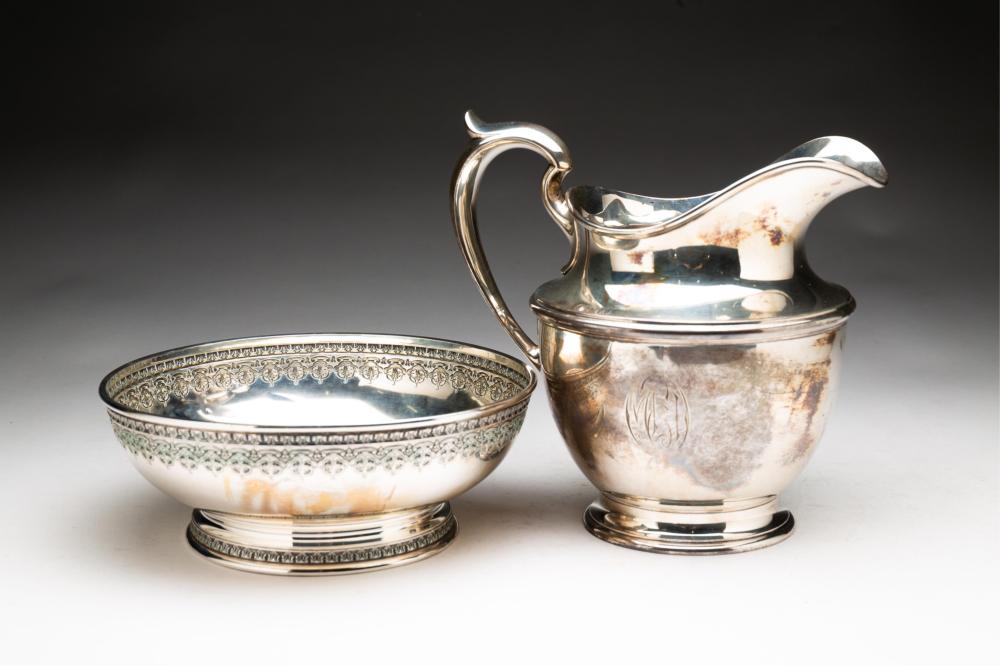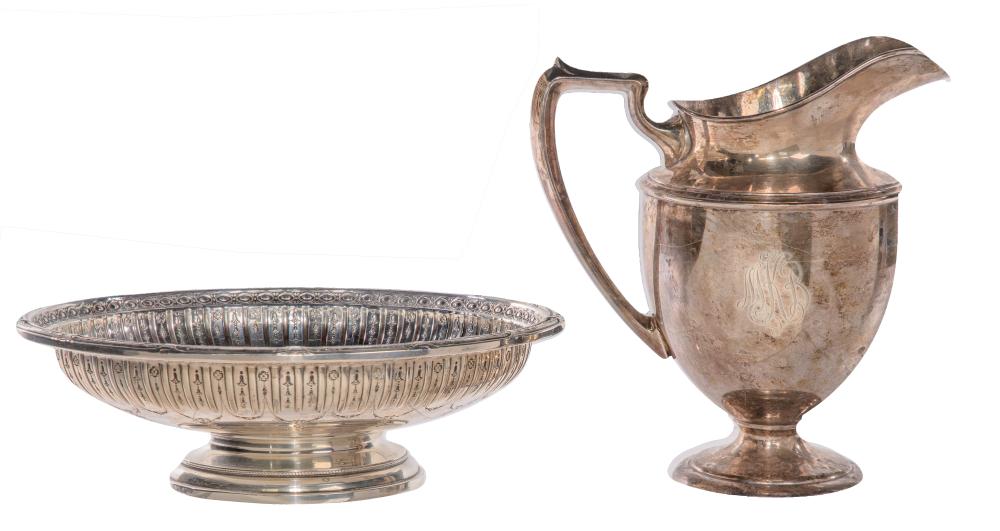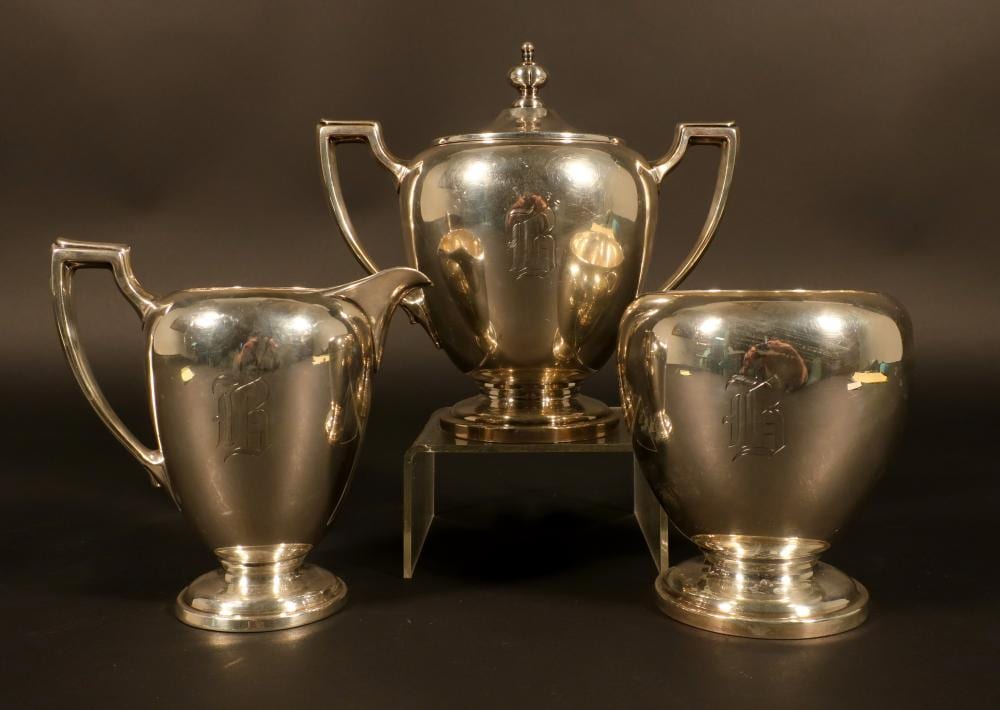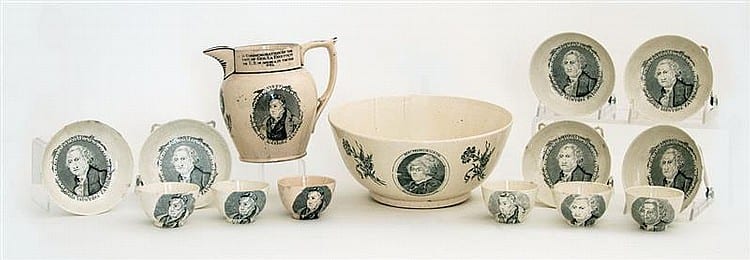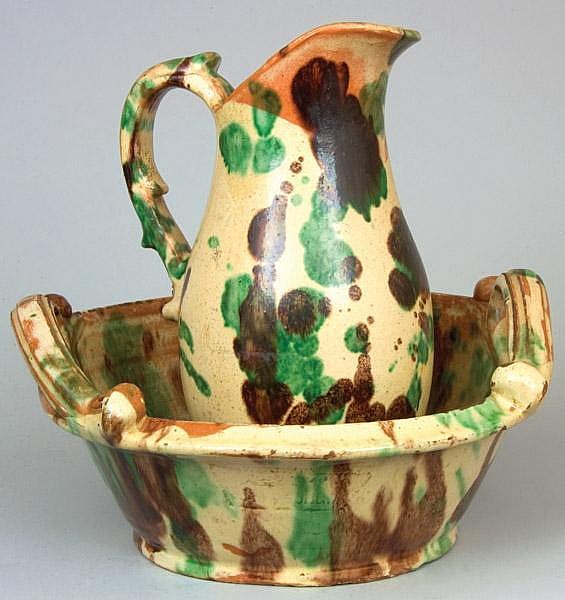
Antique pitcher and bowl sets were often part of bedroom washstand suites. Their market value depends on material, maker, pattern, decoration quality, completeness, condition, and whether the set fits current decorative demand.
Find maker and pattern evidence
Look for backstamps, impressed marks, hand-painted pattern names, registration marks, and matching decoration across the pitcher and bowl. Marks can help separate transferware, porcelain, ironstone, and later reproductions.
Completeness and scale matter
A basic pitcher and bowl can be valuable, but matching soap dishes, chamber pots, toothbrush holders, and trays may improve interest. Large sets also need careful shipping, which affects resale.
Inspect damage closely
Rim chips, hairlines, crazing, stained interiors, repairs, and mismatched pieces should be noted. A beautiful pattern with serious cracks may sell below a simpler set in better condition.
What a defensible value needs
Photograph marks, the full set, rims, interiors, handles, and any damage. Matching pieces and condition are the first valuation gates.
Need a documented value?
Upload photos and details. Appraisily checks identity, condition, and market evidence, then prepares a signed appraisal report you can share.