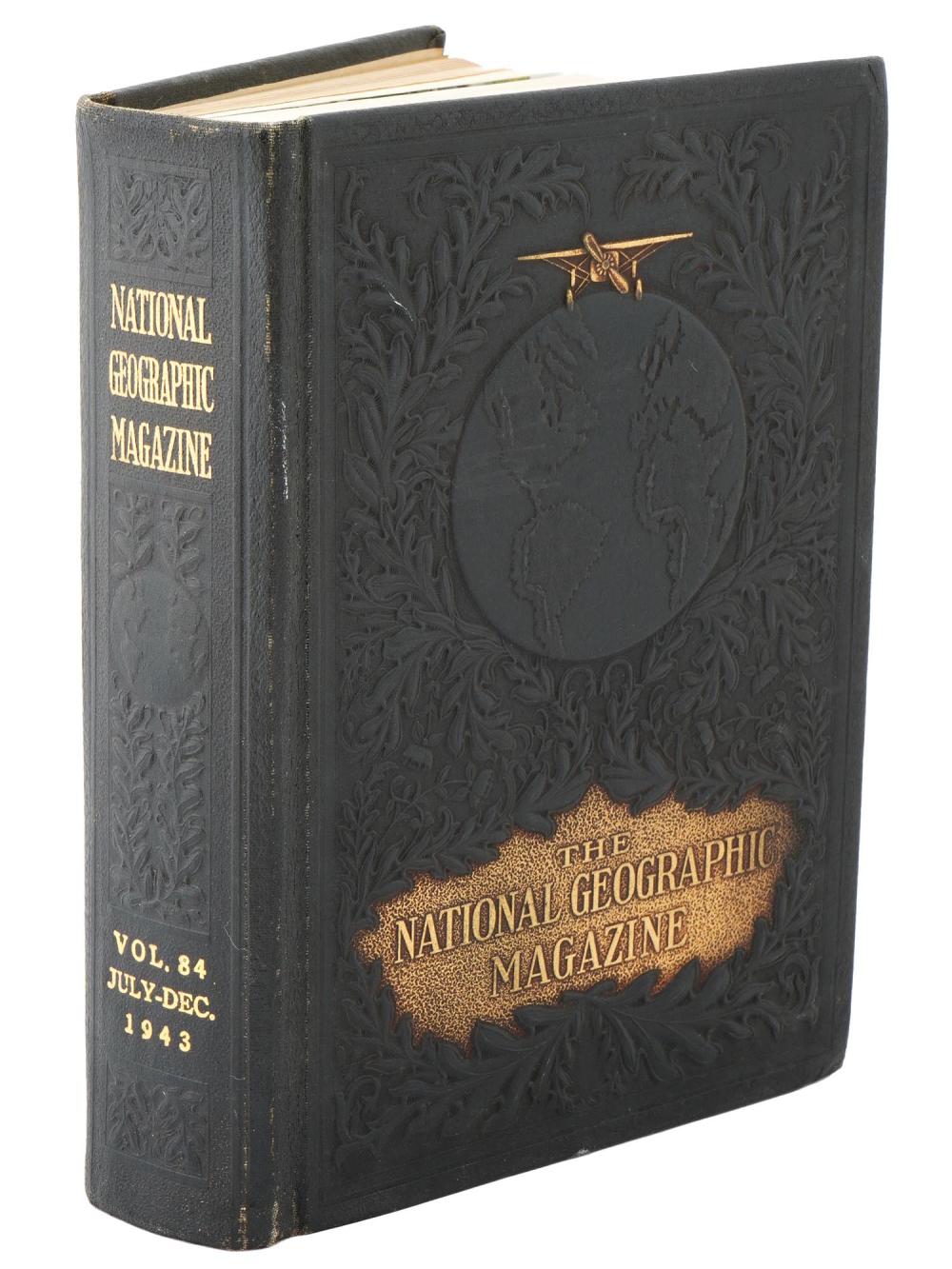
Old National Geographic magazines are familiar, but most individual issues are modest in value. Better results usually come from early issues, scarce numbers, strong condition, original maps or supplements, and complete or near-complete runs.
Date and completeness come first
Record the month and year, then check whether maps, inserts, covers, and advertisements are present. Missing supplements can matter more than general shelf wear.
Condition separates storage from collection
Collectors look for intact spines, clean covers, complete pages, minimal mustiness, and no heavy water damage. Large runs are harder to ship, so condition and organization affect buyer interest.
Use realistic market comparisons
Common mid-century issues often sell in groups rather than individually. Early issues, special maps, famous photo essays, or complete runs need matched sold records before assuming a premium.
What a defensible value needs
Sort magazines by year, note missing maps or inserts, and photograph representative condition. A well-organized run is easier to evaluate than loose stacks.
Need a documented value?
Upload photos and details. Appraisily checks identity, condition, and market evidence, then prepares a signed appraisal report you can share.