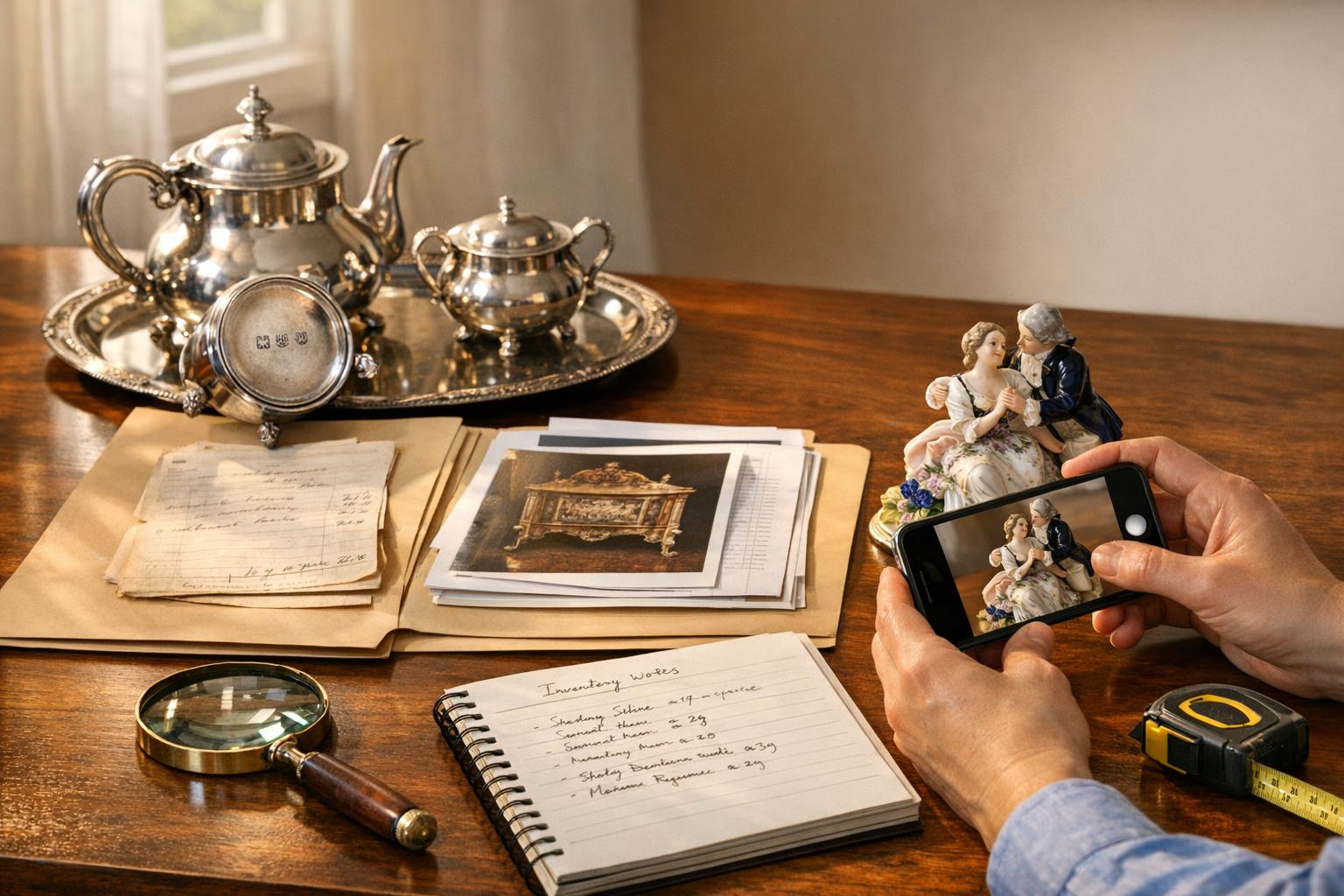
A good antique appraiser is not just nearby. The right choice depends on what you own, why you need the value, and whether the appraiser can explain the market evidence behind the conclusion.
Define the assignment first
Insurance, estate planning, donation, resale, and curiosity each call for a different level of documentation. Before contacting anyone, write down the object type, what you know about provenance, and whether you need a formal signed report or a market estimate.
Questions to ask an appraiser
Ask about category experience, report format, turnaround time, fee structure, and whether the appraiser follows recognized appraisal standards. Avoid anyone who pressures you to sell the item to them before giving an independent value opinion.
When online appraisal works
For many antiques, high-quality photos and measurements are enough for a useful market appraisal. In-person inspection is more important when originality, restoration, material testing, or very high value is at stake.
What a defensible value needs
Choose the appraiser around the object and the purpose of the valuation, not just proximity. Clear photos and a written scope usually produce a better result than a quick verbal guess.
Need a documented value?
Upload photos and details. Appraisily checks identity, condition, and market evidence, then prepares a signed appraisal report you can share.