How to decode antique and art marks
Antique and art marks can identify a maker, factory, metal standard, date range, dealer, owner, repair history, or inventory trail. They can also mislead when copied, added later, misread, or detached from the object context.
Use this guide to document signatures, hallmarks, labels, serial numbers, backstamps, and inventory codes before assigning value. A mark should be treated as one piece of evidence, then tested against materials, construction, condition, provenance, and comparable sales.
Free first read
Upload marks, labels, signatures, and object photos for a first read
Send full-object photos plus straight-on close-ups of every mark, label, stamp, signature, and condition issue. The free screener can flag what evidence is missing.
Start with a free screener. Use a signed report when you need insurance, estate, donation, resale, or formal documentation.
How We Research Valuation Data
Our appraisal guides are based on auction results, dealer pricing data, and professional appraiser insights. We may earn a commission when you use our free screener. Learn about our editorial standards.
1. Search for marks in the right places
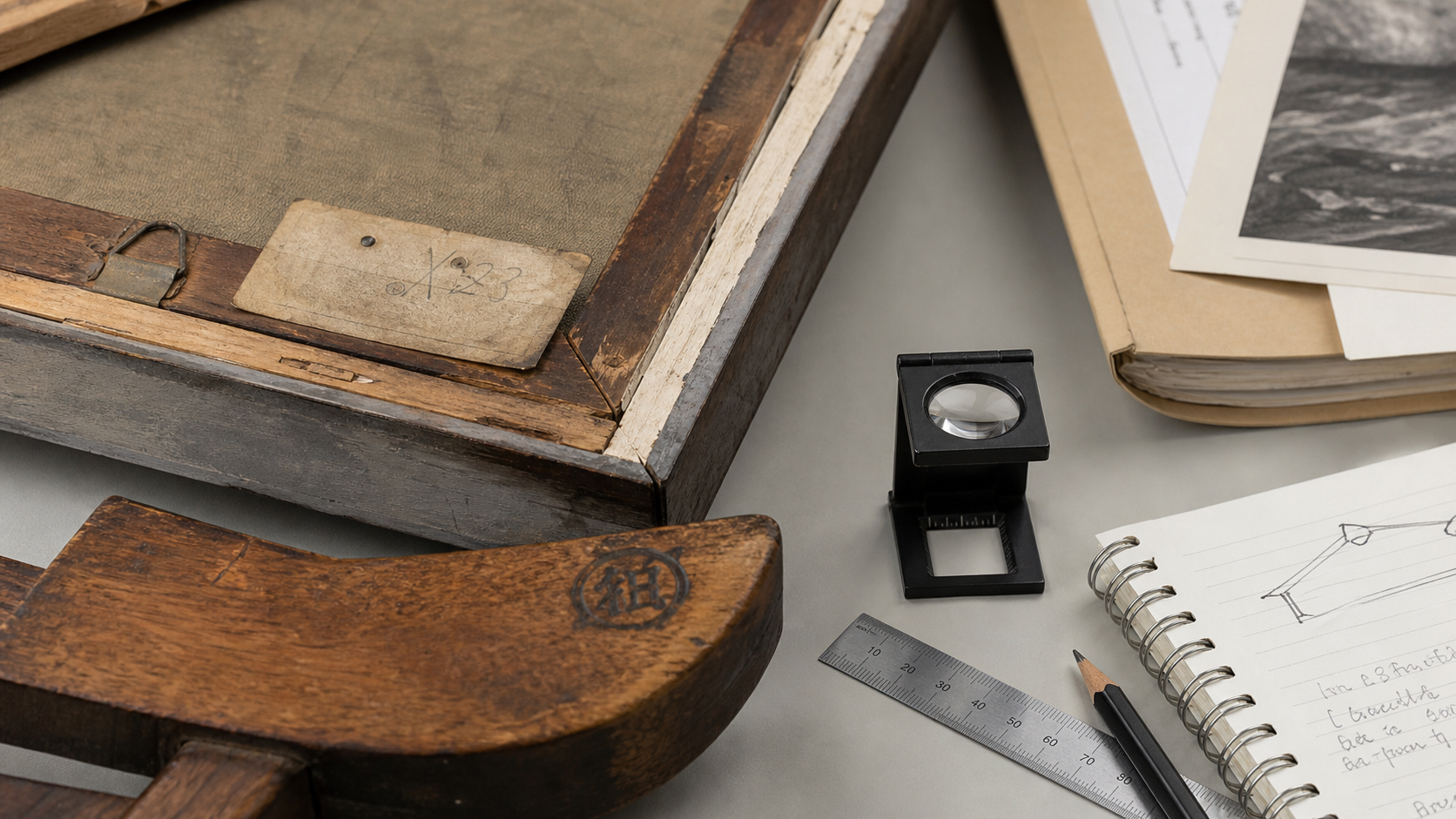
- Paintings and works on paper: signatures, verso labels, stretcher stamps, framer labels, gallery labels, paper watermarks, blind stamps, and inscriptions.
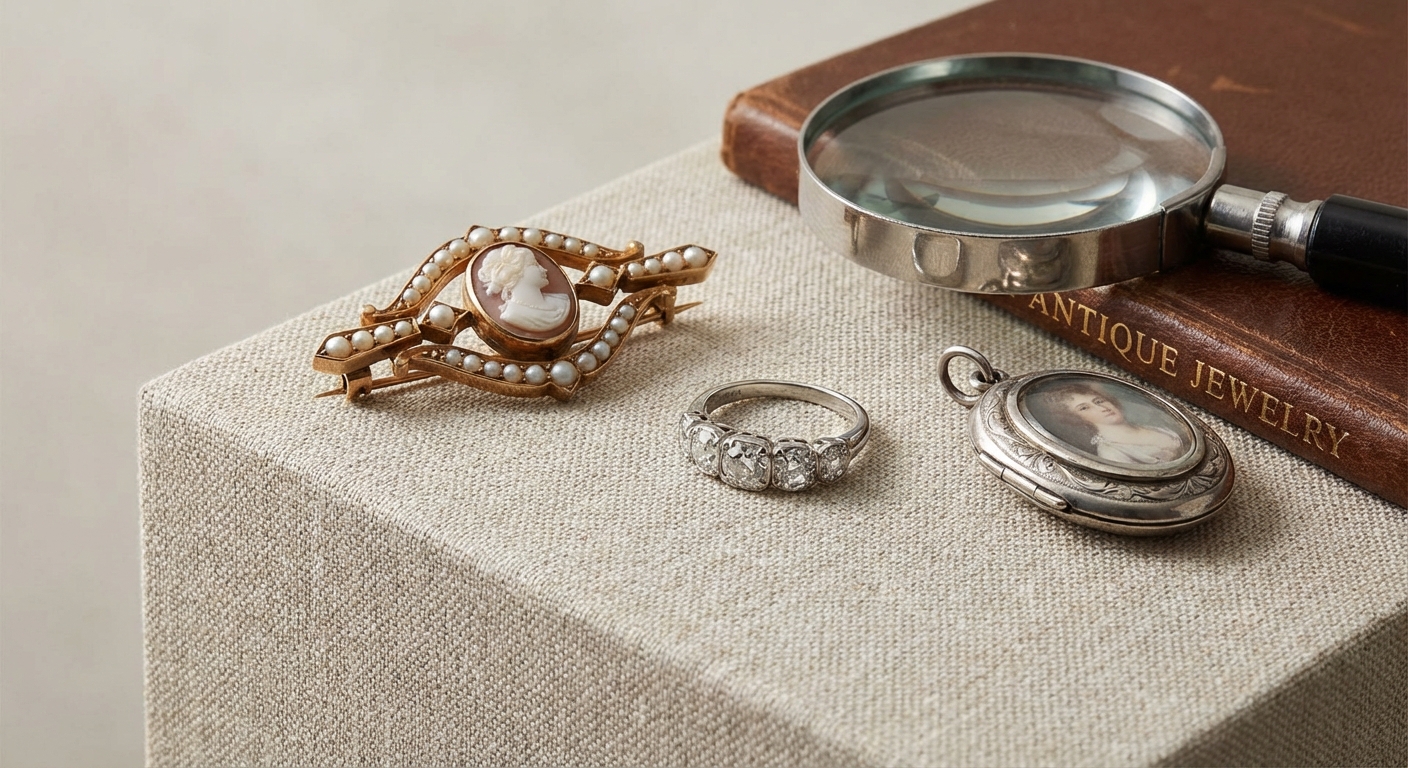
- Silver and jewelry: maker marks, assay marks, standard marks, date letters, import marks, retailer marks, and repair inscriptions near clasps, bases, or hinges.
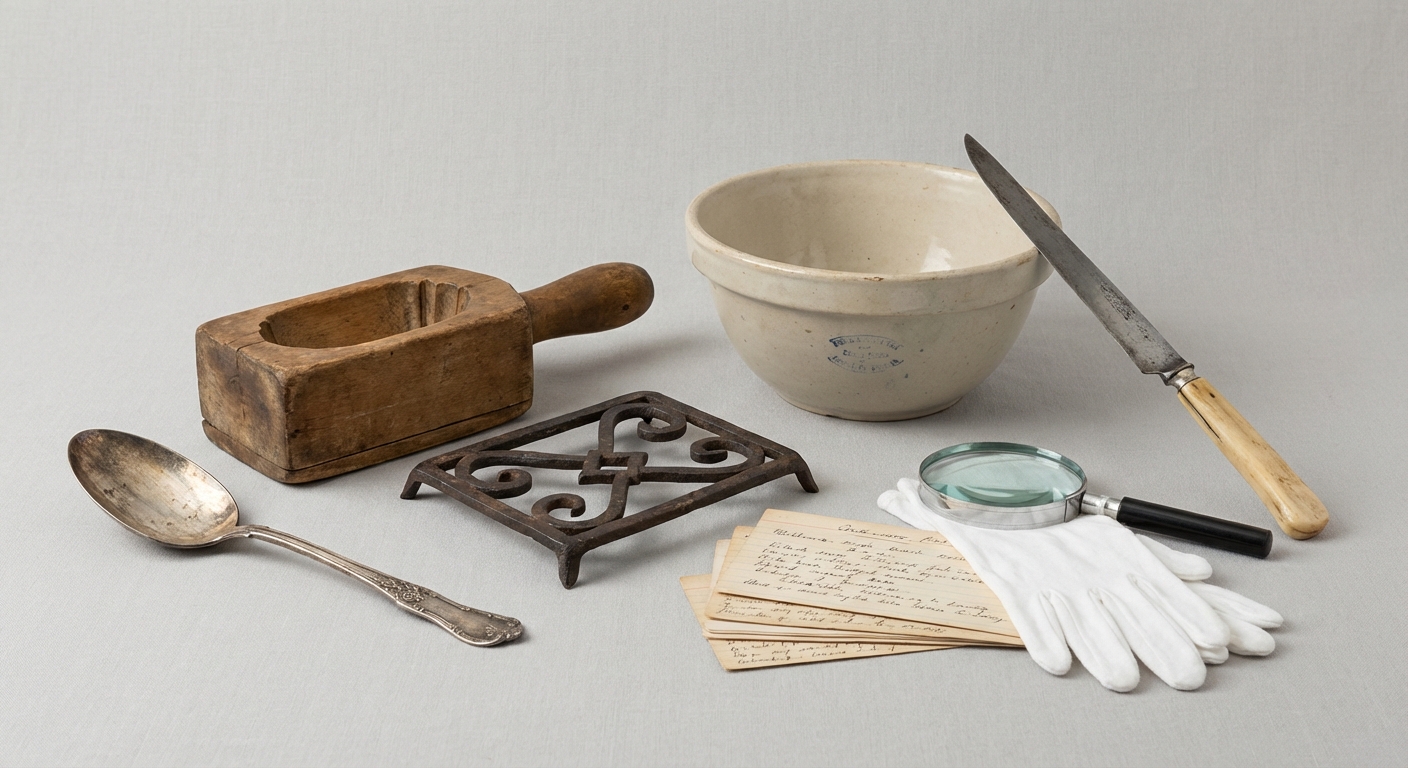
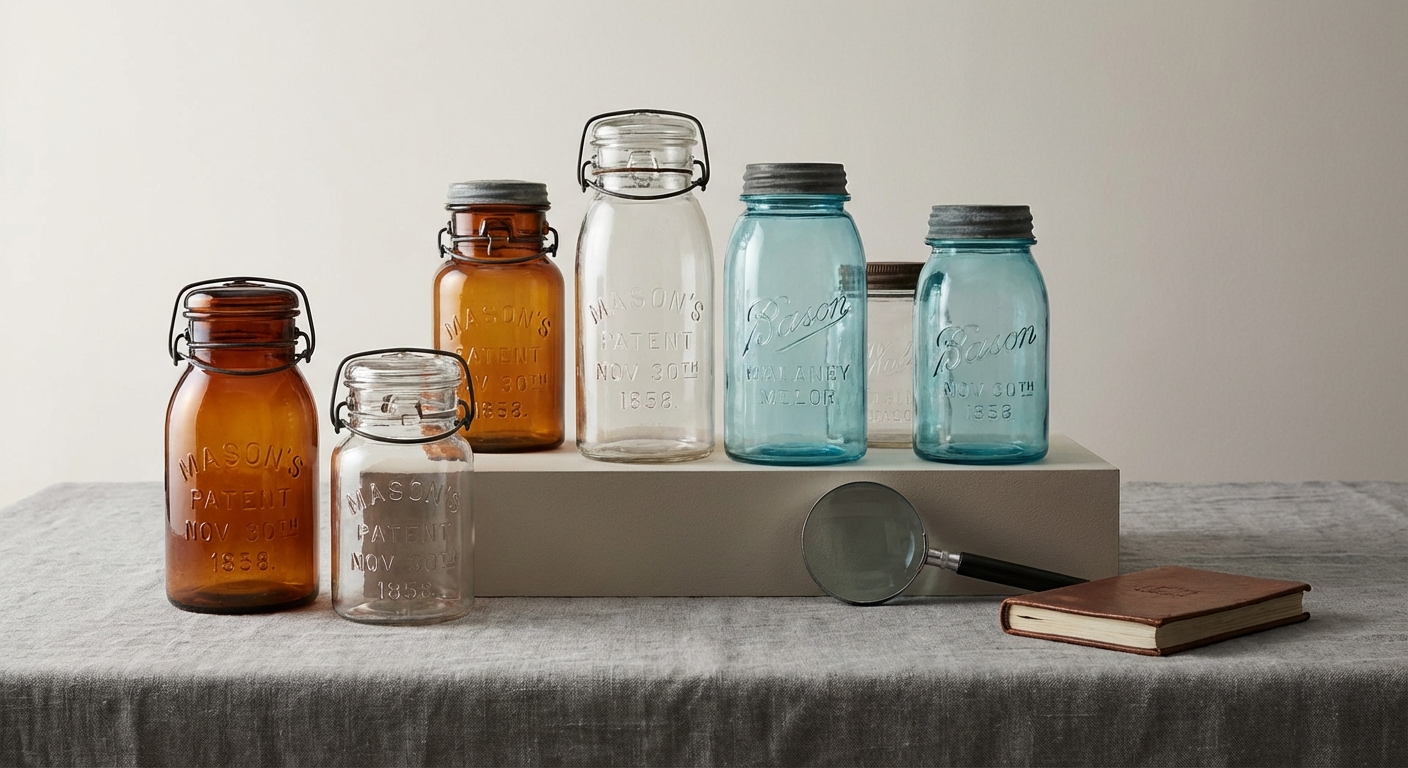
- Ceramics and glass: factory backstamps, impressed marks, underglaze marks, overglaze marks, pattern numbers, mold numbers, pontil marks, and acid-etched signatures.
- Furniture and decorative arts: brands, paper labels, chalk marks, inventory tags, stamps under seats, drawer bottoms, case backs, rear rails, and underside surfaces.
Note: We couldn’t find relevant auction comps in our database for this topic right now. If you’re valuing a specific item, try searching by maker/model/material and we’ll expand coverage over time.
What similar items actually sold for
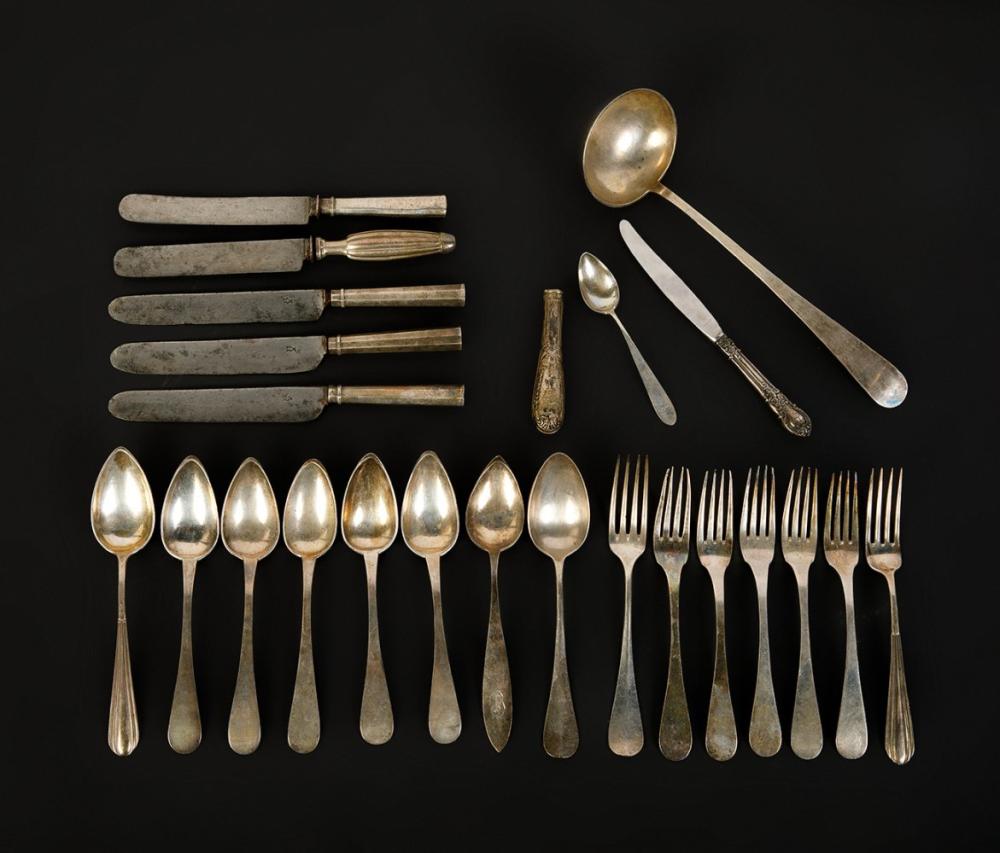
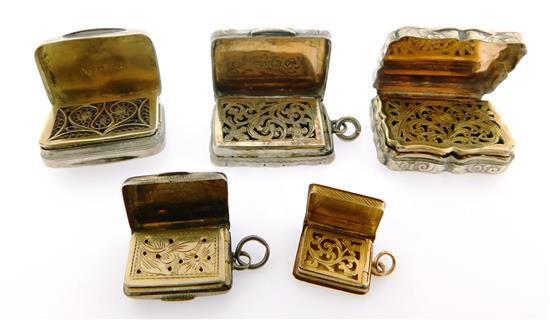
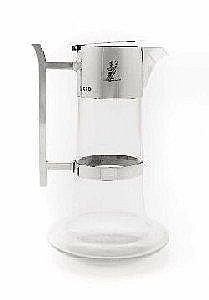
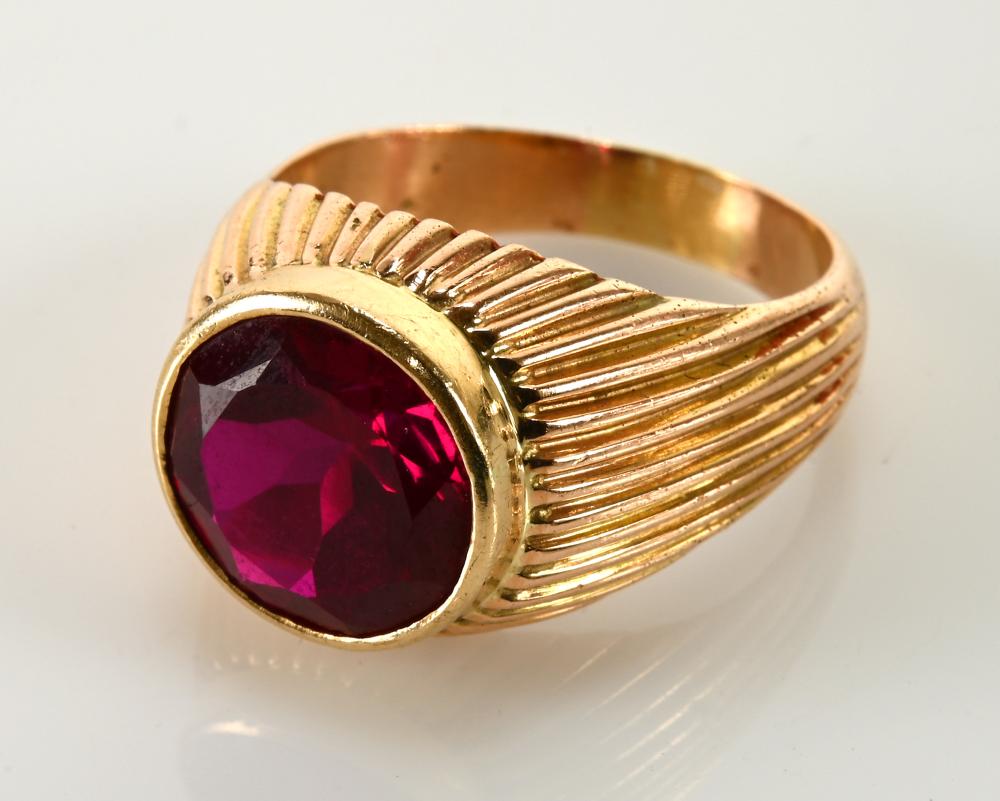
To help ground this guide in real market activity, here are recent example auction comps from Appraisily’s internal database. These matched sales are market context only, not an object estimate or identification, and they do not guarantee a price for your specific decode antique art marks hallmarks signatures.
How these auction records were verified
Each row retains its exact source URL, lot identity, retrieval time, access result, and immutable record hash. Inspect the public comparable provenance record.
Disclosure: prices are shown as reported by auction houses and are provided for appraisal context. Learn more in our editorial policy.
2. Photograph and transcribe marks carefully
Take three images: the full object, the area containing the mark, and a straight-on close-up with scale. Use raking light for faint impressions and avoid pencil rubbings, polishing, or label removal before documentation.
3. Cross-check the mark against the object
A mark should fit the object's materials, construction, wear, and history. A convincing signature on the wrong canvas, a silver mark with suspicious strike quality, or a paper label with modern adhesive can be a warning sign.
4. Use marked comparables carefully
Compare marked examples only when the object, mark, condition, date, quality, and venue are close. A famous mark on a damaged, later, or misattributed object should not be valued like a confirmed top-tier example.
Search variations people ask
Collectors often search these mark questions:
- decode antique marks and signatures
- antique hallmark identification appraisal
- pottery backstamp value guide
- silver maker mark appraisal
- artist signature authentication appraisal
- furniture label maker stamp identification
- gallery label provenance value
- how to photograph antique marks for appraisal
Each question maps to the mark-evidence workflow above.
References
Wrap-up
Decode marks by documenting them, preserving context, and testing them against the object. The strongest appraisal work treats signatures, hallmarks, labels, and inventory codes as evidence to be corroborated, not shortcuts to value.