
If your object has a nail-heavy surface, this is your starting point: a genuine historical clue can be visible and repeatable. The mark, shaft, and head form often tell you the likely age band before you even look up makers or provenance.

What you should not do is stop at a single sign. A fake period nail on a reworked frame can look older than it is. A reliable read needs layers: material, construction, wear pattern, and the broader context of the surrounding item.
Use this guide as a practical identification ladder. If your item is uncertain after these checks, the fastest next step is a free expert photo review, not a blind sale decision.
Why these three nail types are still the most useful clues
For antiques and heritage pieces, nail type is a fast filter because tooling eras changed slowly. Makers who hand-worked early fasteners left different signatures than factory-cut production systems. That makes nails a useful probability signal, not proof by itself.
In practice, you usually score value decisions against two separate tracks:
- Authenticity track: Does the fastening method fit the claimed period and assembly method?
- Value track: Does this clue pair with materials, maker evidence, and condition in a way that buyers reward?
Keep these separate in your notes. Mixing them makes false confidence easy.
Flip it over: spot square and machine-cut structure differences
Start with the basics at 10x, then step back to 1x. You want to see the head, shaft, and seating behavior where the nail meets the substrate.
Square nails and square-cut style
Square-cut nails are generally described by rectangular geometry: broad, relatively flat top geometry and a shaft profile that reads with more deliberate edges than ordinary round wire. They were used across different windows of production, so “square” in a listing often means “rectangular fastener family” rather than one exact manufacturing process.
Hand-forged evidence
Hand-forged nails are usually irregular at the micro-level. Look for uneven hammering, subtle variation between neighboring nails, and tool-mark language at the head that is not machine-perfect. Older hand-forged work may also show minute taper shifts and less standardized shoulders.
Machine-cut clues
Machine-cut production tends to regularize edges and spacing. Repetition can be convincing in old interiors where every fastener was replaced in a repair cycle. A machine-cut profile can be honest for the period; the key is whether the entire object is consistent or whether the nail set is clearly mixed from different repair campaigns.
That last point is the practical distinction: a single fastener style is meaningful only when the surrounding joinery supports it.
Check the item in seven steps before you call it “old enough”
- Map all nail groups. Are they concentrated in hidden joins, visible corners, later patches, or entire seams?
- Measure variation. Are head and shaft sizes consistent or mixed? Mixed patterns can mean repairs.
- Read head form. Forged patterning usually has visible shaping rhythm; machine-cut often reads cleaner and repetitive.
- Find the wear map. Authentic age shows nuanced patina and oxidation, especially around old stress points.
- Check adjacent hardware. Screws, hinges, and brads must make timeline sense with the nail system.
- Trace seams and voids. Later repairs often use new fasteners with older-looking polish.
- Separate evidence from conclusion. If only one sign aligns, flag for secondary review.
If step seven gives you uncertainty, your next action is a photo-led review. For search-intent readers, this is exactly when a free screener helps.
What sold and what did not sell: read the market signals
Comparable sales are where valuation confidence is made or broken. Internal comps show a practical spread: similar technical language in item descriptions can still produce different values depending on integrity, completeness, and execution quality.
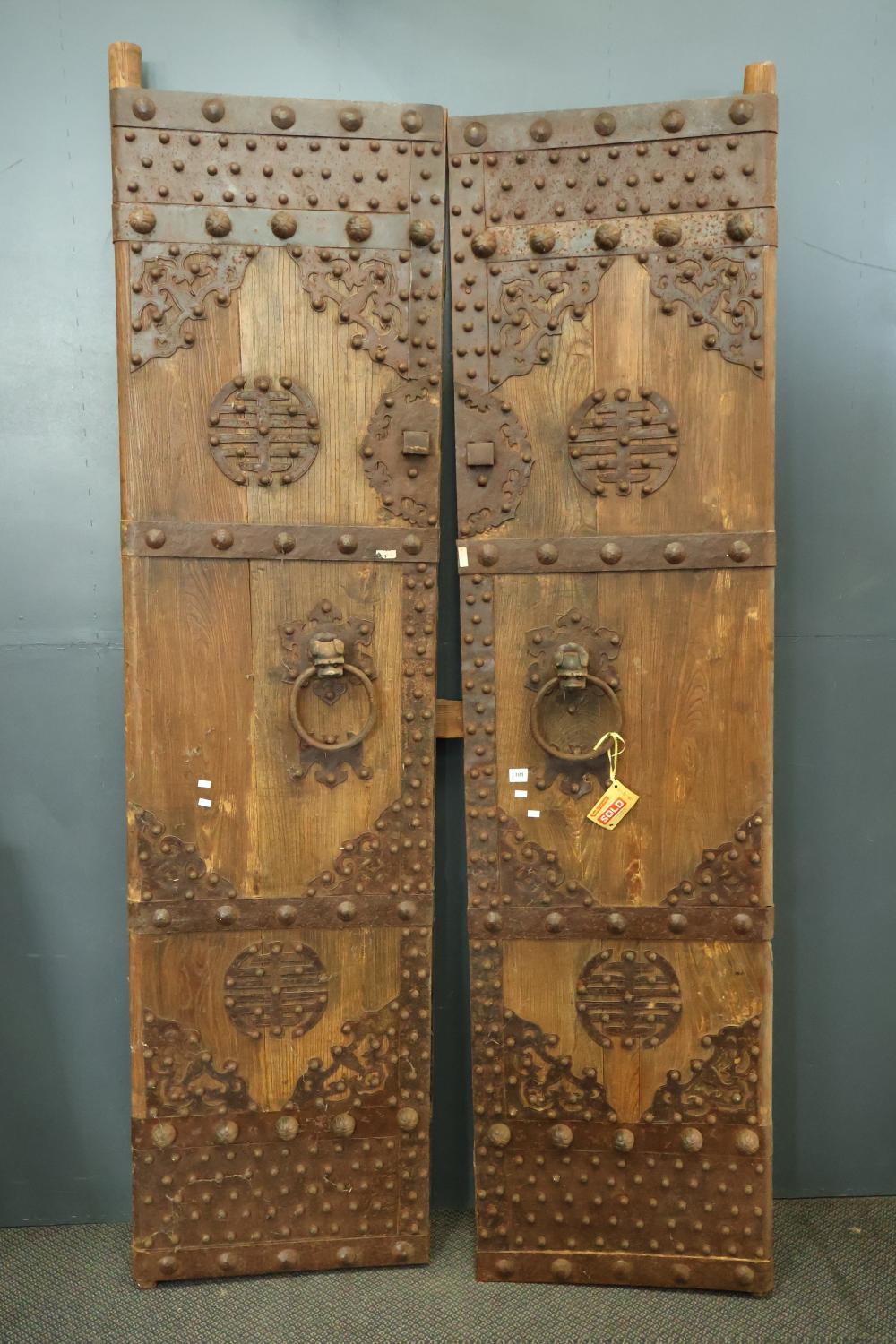
In the most useful internal examples, high-end forged-metal detail has carried materially higher outcomes than lower-complete repairs, while simpler decorative pieces with uncertain join history have traded in narrower or weaker ranges. Another common pattern is that visible wear and restoration quality matter more than visual age alone.
That is why the phrase “machine-cut” is useful but not enough by itself. A repair-era machine-cut correction on a mostly intact core often behaves differently from one on a reconstructed piece.
Note: We couldn’t find enough auction records that directly match Cut Nails Value and Identification: Square, Hand-Forged, and Machine-Cut Clues to publish a defensible price table. If you are valuing a specific item, include its maker, model, material, photos, and condition so the search can be narrowed.
What similar items actually sold for
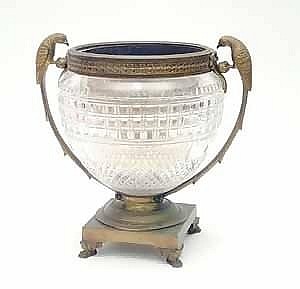
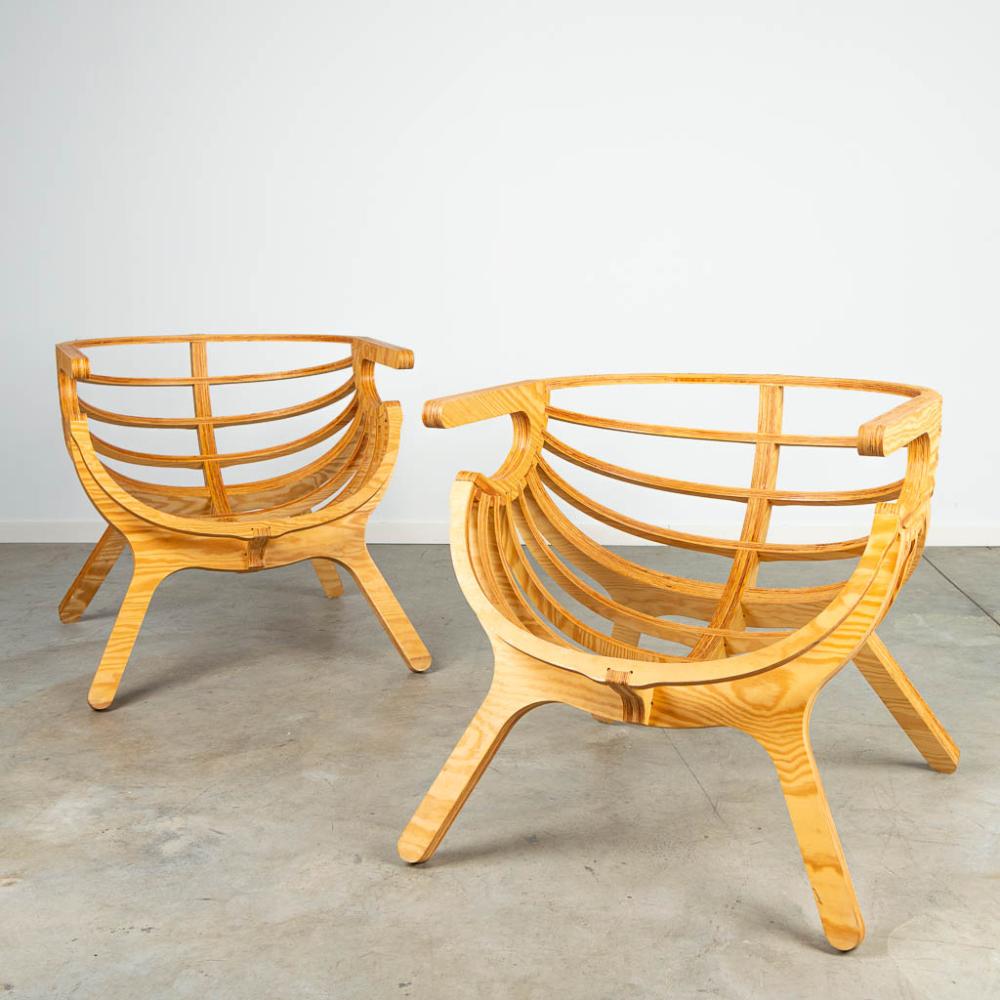
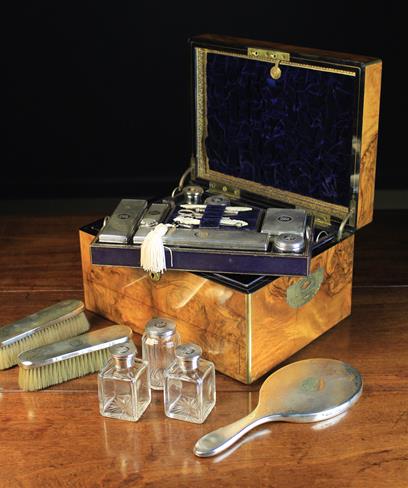
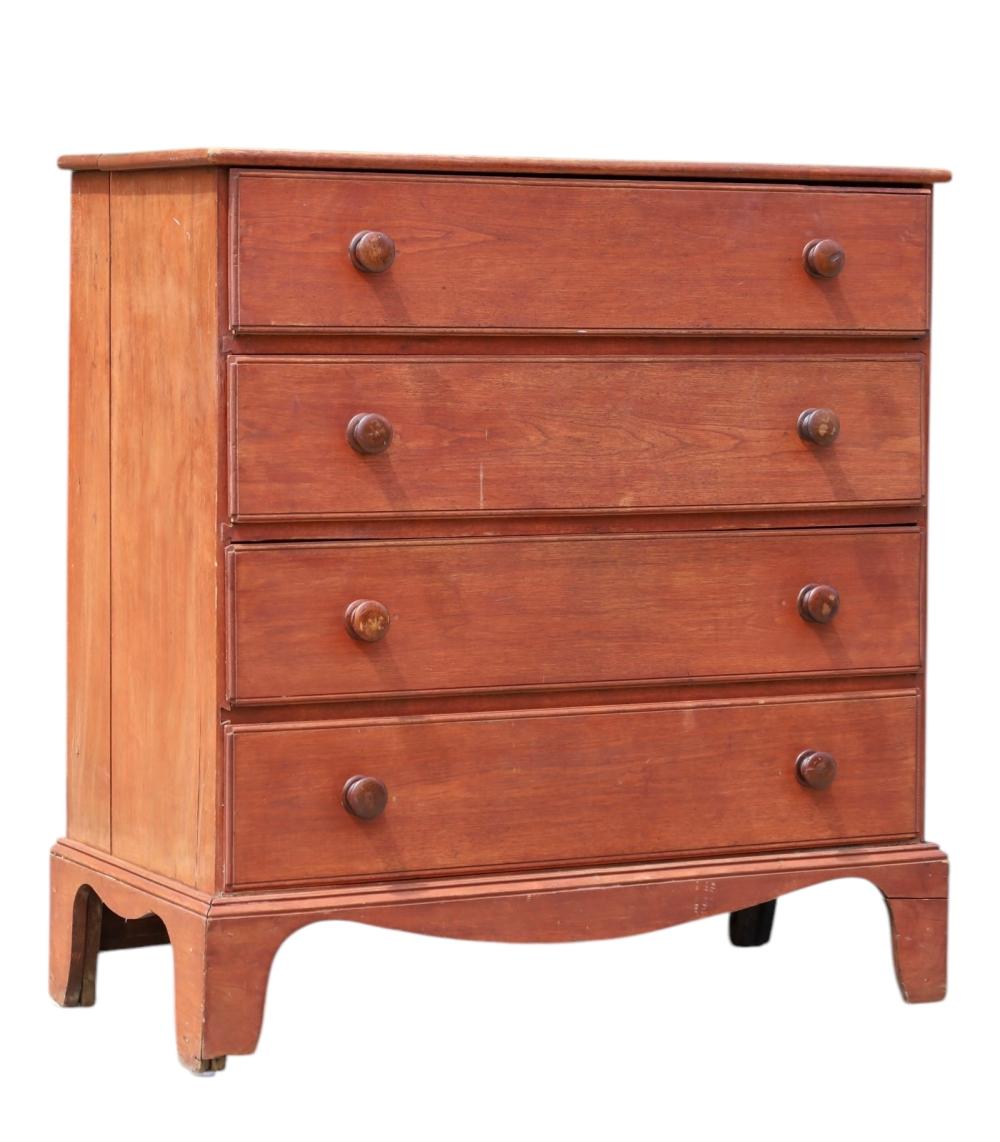
To help ground this guide in real market activity, here are recent example auction comps from Appraisily’s internal database. These matched sales are market context only, not an object estimate or identification, and they do not guarantee a price for your specific cut nails value and identification square hand forged.
How these auction records were verified
Each row retains its exact source URL, lot identity, retrieval time, access result, and immutable record hash. Inspect the public comparable provenance record.
Disclosure: prices are shown as reported by auction houses and are provided for appraisal context. Learn more in our editorial policy.
Think your item might be worth more than you expect?
Upload a photo and tell us what you see. We help you separate visible clues from market reality.
Get my free estimateFree instant estimate
Not sure if your item is worth appraising? Let us take a look.
Upload a photo, tell us what you know, and get a free first read. If a full appraisal makes sense, we will say so.
Free. No card needed. Takes about two minutes.
Where makers, completeness, and condition separate value claims
Approved clues from this lane are simple: maker marks, construction method, age evidence, completeness, and condition are separate buckets. They pull in different directions. A complete piece with clear method consistency can outperform a scarcer but compromised one with the same nail style.
That is why your final write-up should stay structured:
- Claim: what the fastening method suggests.
- Evidence: what is visible and measured today.
- Counterevidence: any repair, replacement, or mismatch signs.
- Outcome: probability bands, not a fixed number.
If this framework still leaves uncertainty, that is not a failure. It is exactly when a paid written appraisal path becomes useful.
Quick identification FAQs
Can square nails alone prove a piece is antique?
No. Square profile is a clue, not a certificate. It is useful only with matching material, joinery, and condition clues.
Do machine-cut nails always mean low value?
No. They can be period-correct in a specific object class. Buyers care more about integrity across the whole object than one fastener style.
What if I only have a few photos?
Do exactly three close shots if possible: one profile, one fastener seam, one finish/edge section. If details are unclear, request a free first read and move to full review next.
When identification is still unclear
In an estate-sale scenario, we often see the same pattern: a seller finds old furniture and assumes age from nail look alone. One set of nails can be original, another can be post-sale repairs. When that blend exists, value is usually about what the strongest, consistent pattern can support, not the loudest clue.
If this ambiguity is what you face, send your photos and basic details through the free screener first. The goal is to save time: we tell you whether your photos support an appraisal-level discussion.
See what the report looks like
Sample reports show how photos, comparable evidence, condition notes, and a value conclusion are documented.
Choose your next step
Use the path that matches the decision you need to make about the item.
Not sure it is worth appraising?
Start with a lower-friction screen to understand the likely category, evidence, and next step.
Upload photos for a free first lookWant proof before paying?
See how a signed report documents photos, comparable evidence, condition notes, and value conclusions.
View signed report sampleNeed a signed report?
Use this for insurance, estate, donation, resale, or documented value decisions.
Need documentation now? Start signed appraisalNeed local or specialist help?
Compare directory options when the work needs in-person review or a specialist near you.
Find local specialistsReferences
Search variations on cut-nails identification and value
- square nails vs hand-forged nails for antiques
- how to tell machine-cut nails from hand-cut nails
- do square nails increase value of antique wood items
- what does hand-forged nail spacing mean for date
- identify old repair nails in frame restorations
- can machine-cut nails match 1800s production pieces
- nail-head shape clues for age and workmanship
No card needed. Takes about two minutes.
Upload photos for a free first look View signed report sample