Condition report basics for antique and art appraisals
A condition report records what is present, what is damaged, what has been repaired, and how those facts affect value. For antiques and art, condition can change the market tier as much as maker, date, or provenance.
Use condition reporting before pricing paintings, works on paper, furniture, ceramics, silver, jewelry, textiles, sculpture, and mixed estate property. A useful report is specific enough that another appraiser can understand the object without guessing.
Free first read
Check whether condition changes the value tier
Upload full-object photos, close-ups of damage, back/underside views, measurements, marks, restoration history, and any prior appraisals. The free screener can flag condition issues that need closer review.
Start with a free screener. Use a signed report when condition affects insurance, estate, donation, resale, or formal documentation.
How We Research Valuation Data
Our appraisal guides are based on auction results, dealer pricing data, and professional appraiser insights. We may earn a commission when you use our free screener. Learn about our editorial standards.
Photograph condition before moving the object
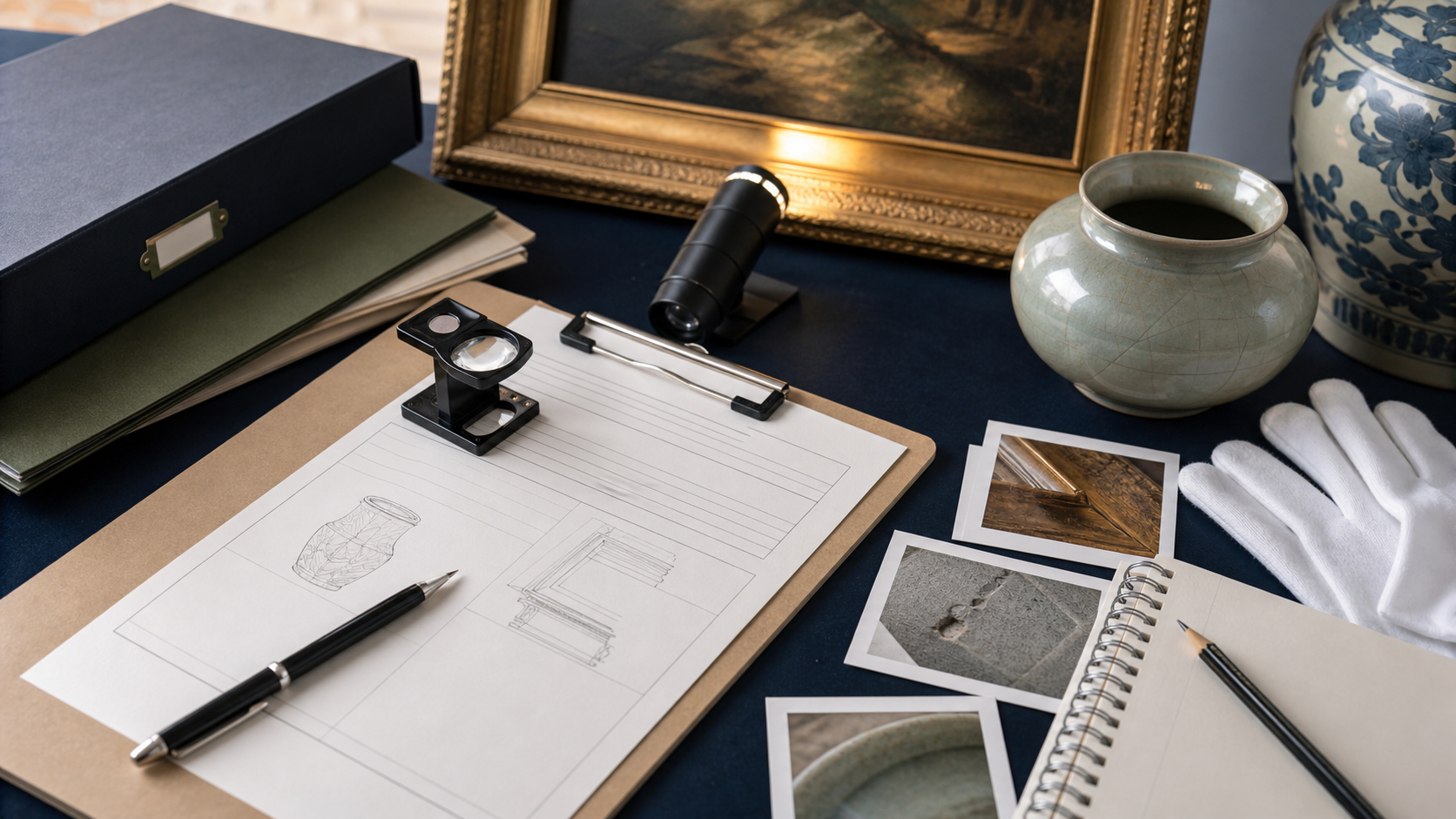
Start with a full front, back, sides, underside, and scale shot. Then photograph each issue: cracks, chips, tears, foxing, fading, mat burn, relining, dents, replaced hardware, loose joints, stains, corrosion, losses, restoration, and frame or mount problems.
Use objective condition language
Avoid vague terms like “good for age” without specifics. Write measurable observations: “two 3 cm hairline cracks at rim,” “mat burn visible along image window,” “old hinge residue at upper corners,” or “replacement pull on lower drawer.” Specific wording helps connect condition to comparable sales.
Note: We couldn’t find relevant auction comps in our database for this topic right now. If you’re valuing a specific item, try searching by maker/model/material and we’ll expand coverage over time.
What similar items actually sold for
To help ground this guide in real market activity, here are recent example auction comps from Appraisily’s internal database. These matched sales are market context only, not an object estimate or identification, and they do not guarantee a price for your specific condition reports antique art appraisals.
Shown USD range: USD 250-USD 2,000. Median of these 5 USD examples: USD 250.
| Comparable | What sold | Auction house | Date | Lot | Source-reported amount |
|---|---|---|---|---|---|
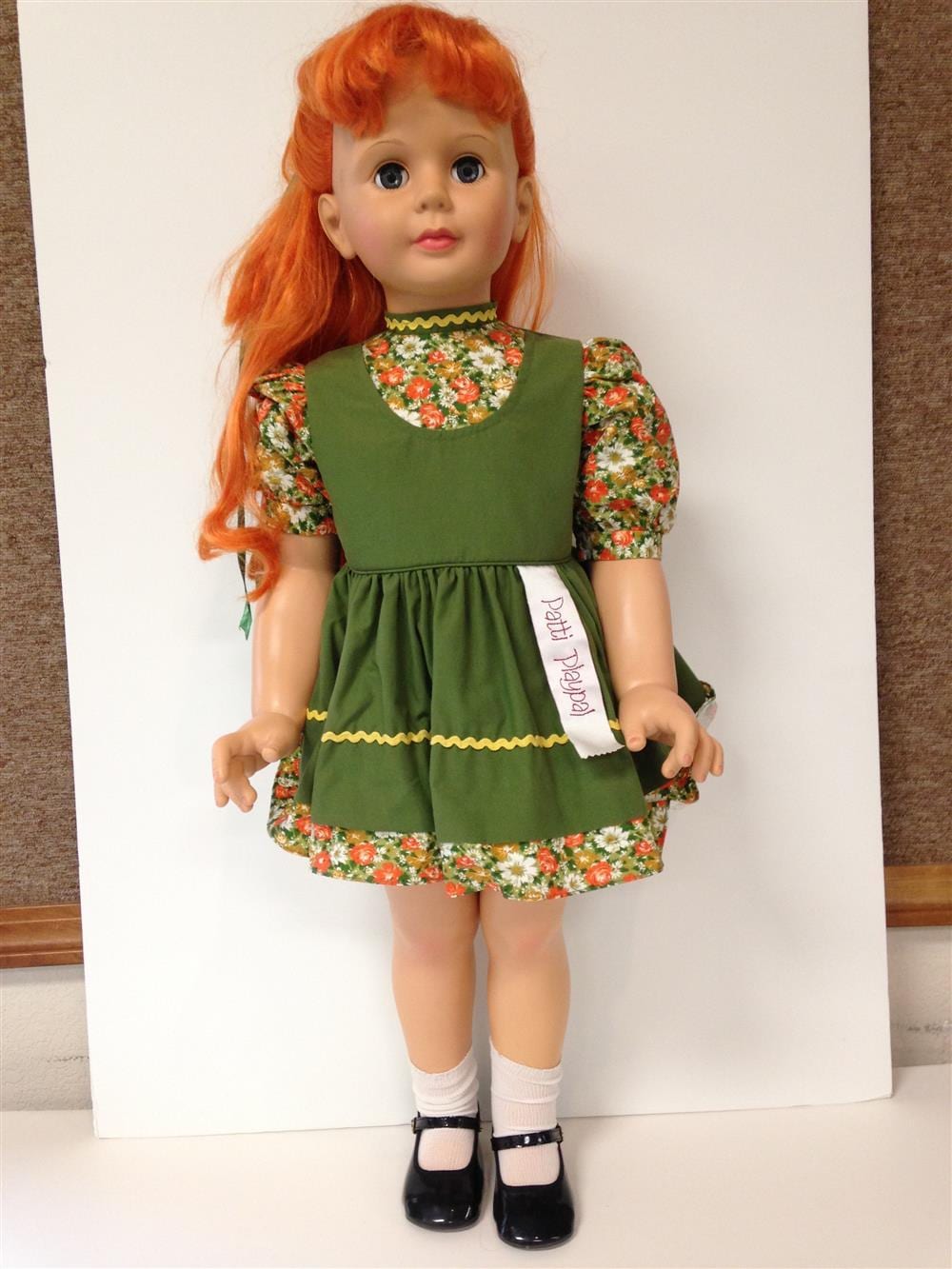 |
ASHTON DRAKE PATTI PLAYPAL WITH RED HAIR. ALL ITEMS ARE SOLD AS IS. CONDITION REPORTS ARE NOT AVAILABLE. | Apple Tree Auction Center | 2020-12-15 | 1498 | USD 250 (buyer’s-premium treatment unknown) |
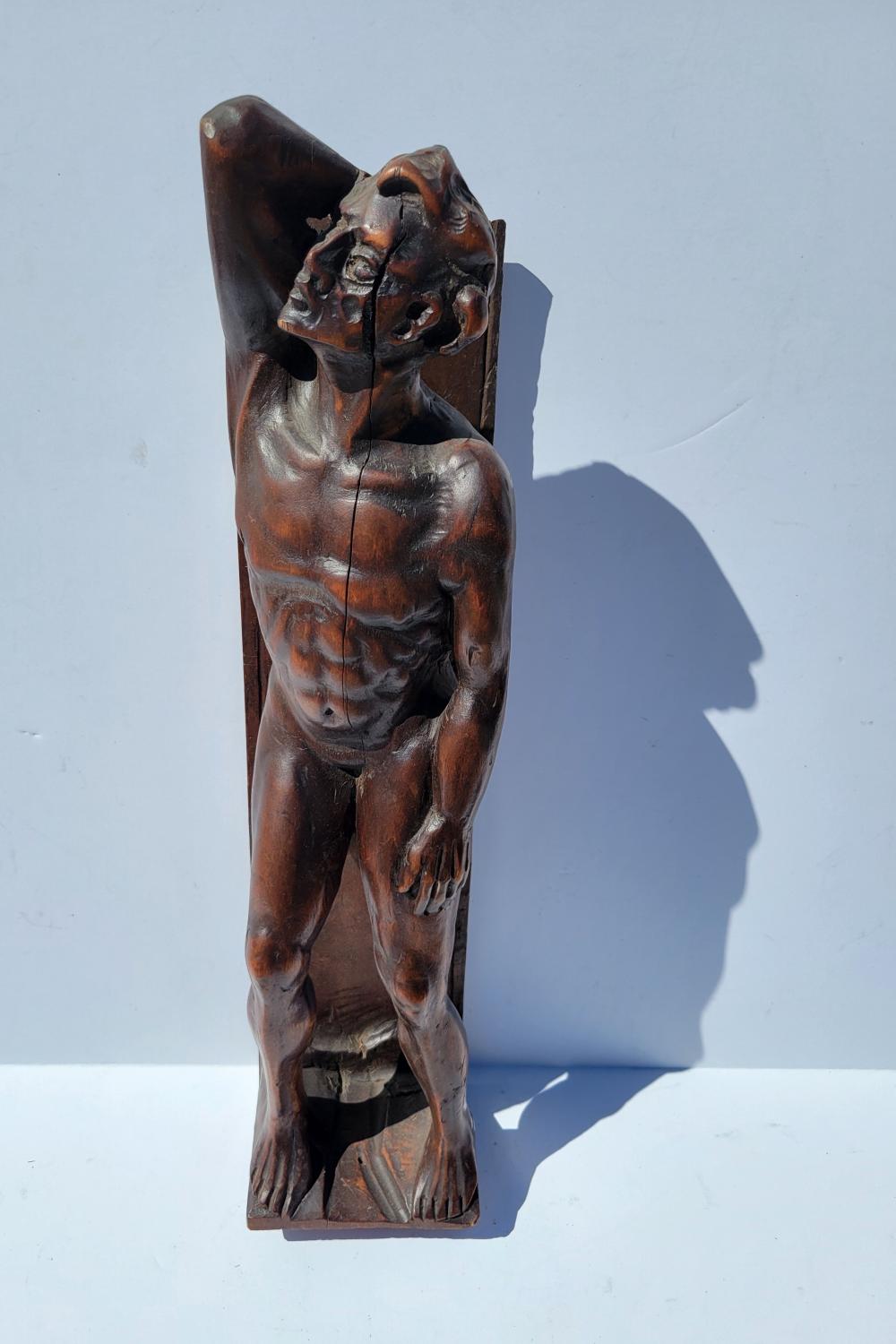 |
Early Germanic Ex Lubin Galleries Carved Wooden Stylized Male Nude Statue Sculpture Wall Art With Sale Tag See Condition Report | Richard Stedman Estate Services LLC | 2024-11-30 | 177 | USD 250 (buyer’s-premium treatment unknown) |
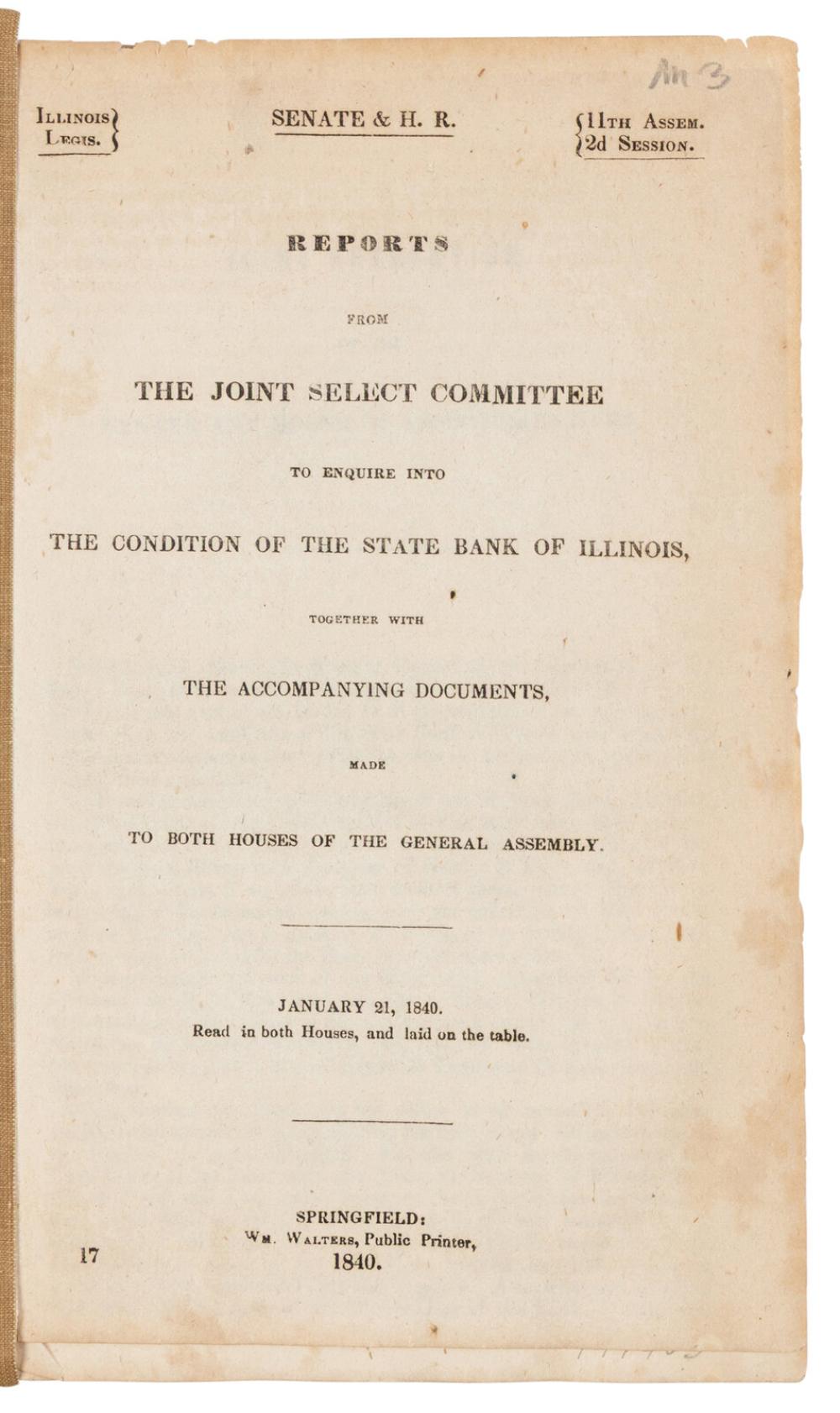 |
LINCOLN, Abraham (1809-1865). Reports from the Joint Select Committee to Enquire into the Condition of the State Bank of Illinois... Springfield: William Walters, 1840. | Freeman’s | 2026-03-26 | 12 | USD 2,000 (buyer’s-premium treatment unknown) |
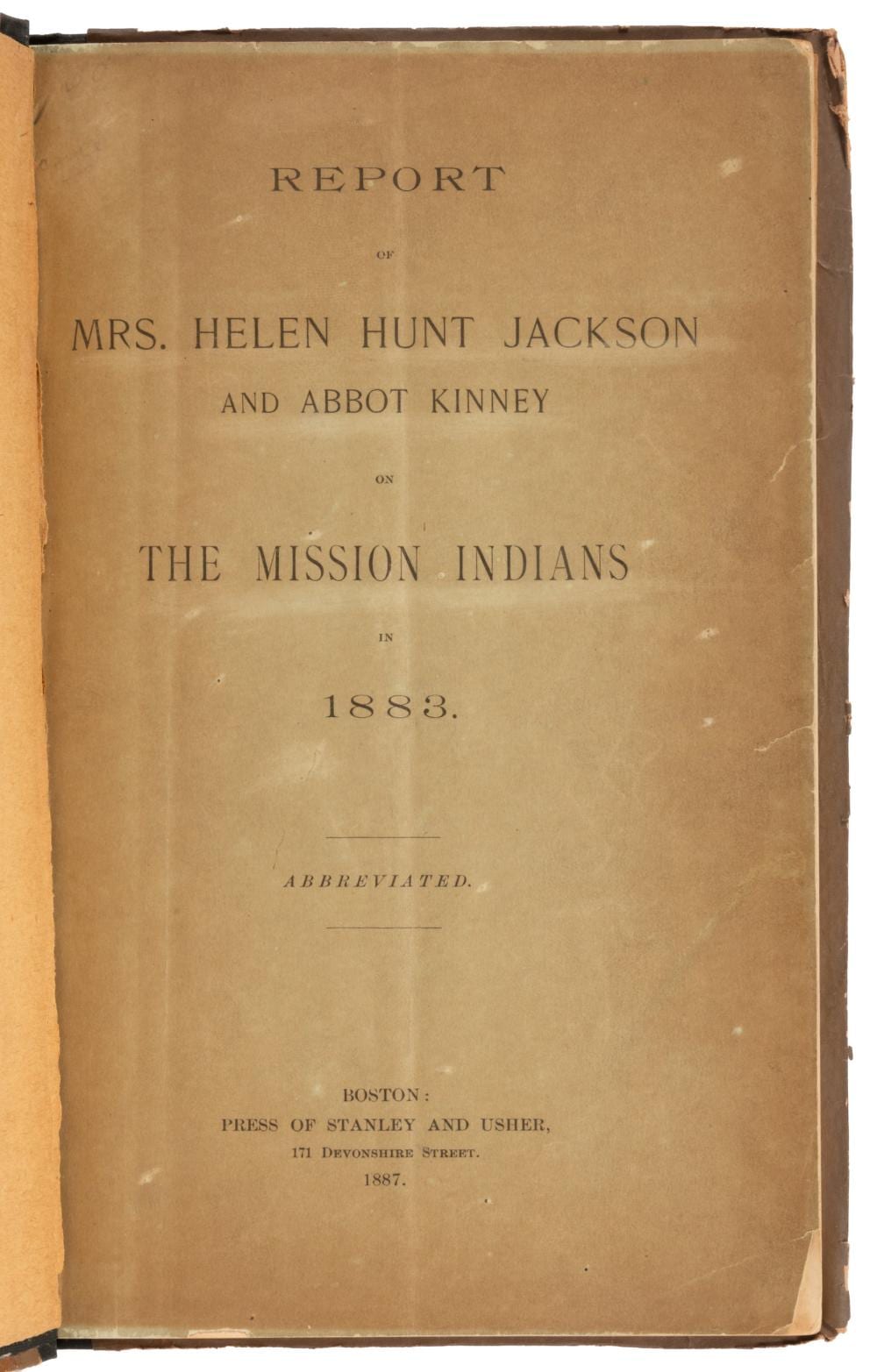 |
1883 Report on the Condition of the Mission Indians | PBA Galleries Auctions & Appraisers | 2023-05-18 | 176 | USD 250 (buyer’s-premium treatment unknown) |
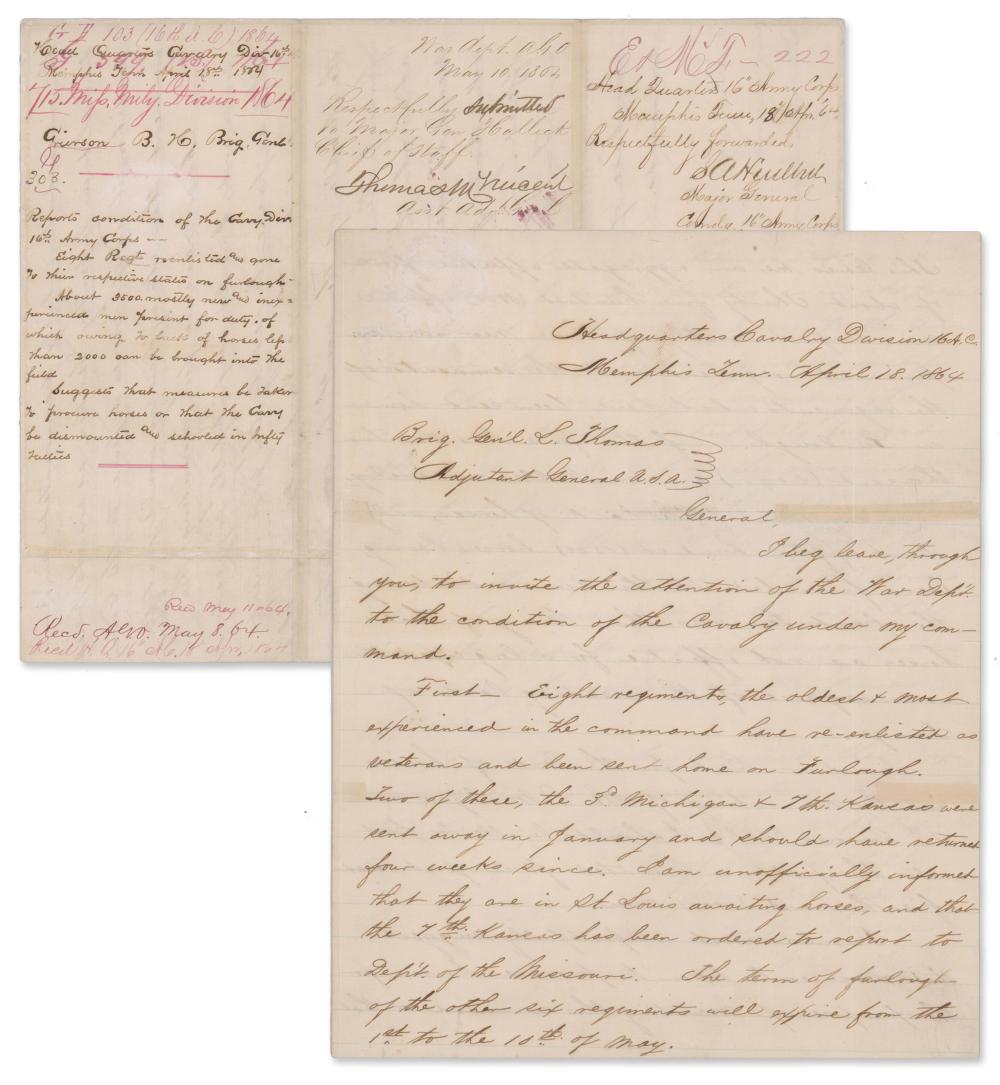 |
B.H. Grierson ALS Reporting Poor Condition of the Cavalry After Fort Pillow - w/ Signatures by W.S. Smith, S.A. Hurlbut, and Thomas Vincent | University Archives | 2026-05-06 | 311 | USD 475 (buyer’s-premium treatment unknown) |
How these auction records were verified
Each row retains its exact source URL, lot identity, retrieval time, access result, and immutable record hash. Inspect the public comparable provenance record.
Disclosure: prices are shown as reported by auction houses and are provided for appraisal context. Learn more in our editorial policy.
Category-specific condition notes
- Paintings: support, stretcher, varnish, craquelure, inpainting, relining, flaking, frame condition.
- Works on paper: foxing, toning, fading, mat burn, trimming, hinges, backing, tears, dry mounting.
- Furniture: joinery, replaced hardware, veneer loss, refinishing, repairs, structural movement.
- Ceramics and glass: chips, cracks, crazing, repairs, overpainting, footrim wear, fluorescence.
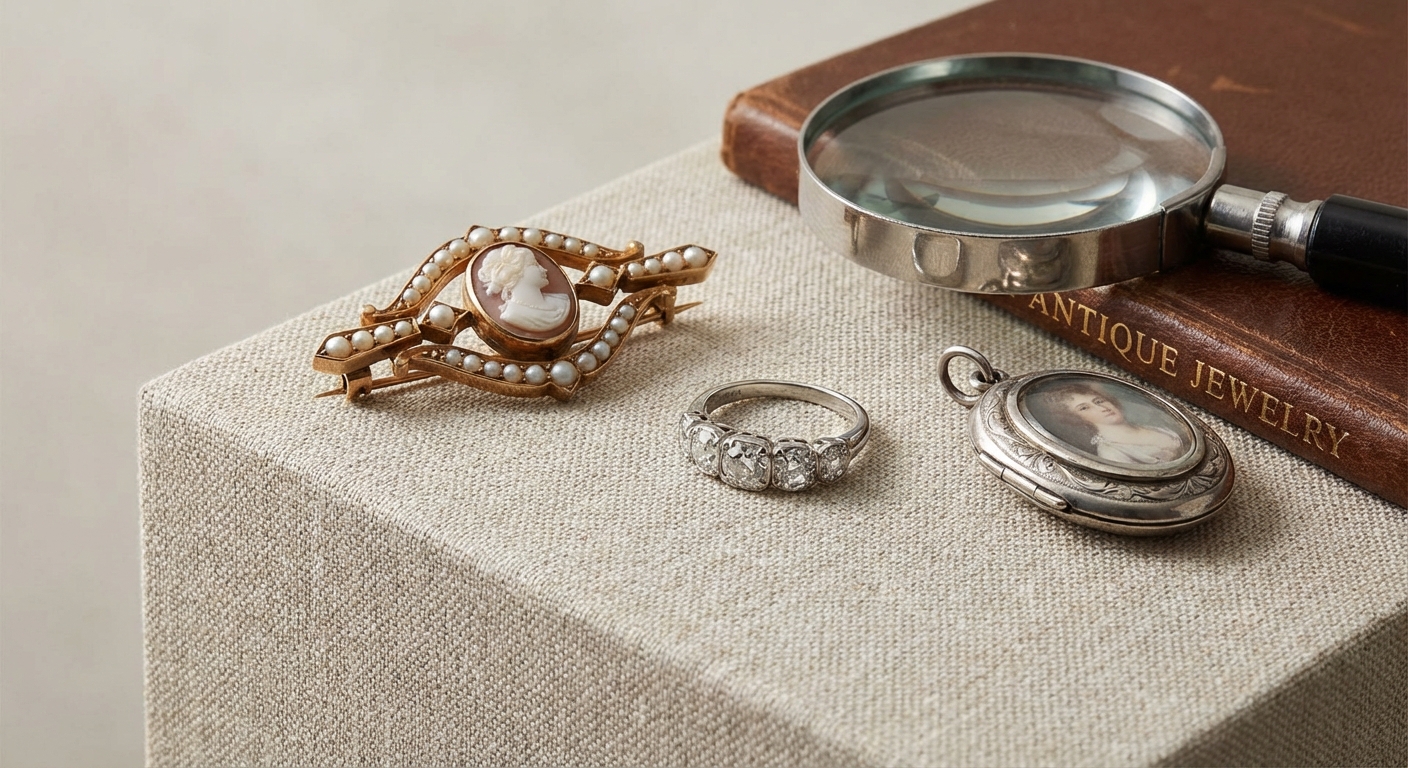
- Silver and jewelry: dents, monogram removal, solder repairs, stone replacement, wear, metal loss.
- Textiles: fading, moth damage, dye bleed, repairs, edge wear, staining, fragility.
How condition changes value
Condition affects value through buyer confidence, repair cost, display quality, risk, and comparable-sale selection. A restored object may still be valuable, but it should be compared to similarly restored examples when possible.
For formal reports, value the item in current condition unless the assignment explicitly asks for a hypothetical restored value. If a hypothetical value is used, disclose it clearly.
Search variations people ask
Collectors often search these condition-report questions:
- condition report for antique appraisal
- art appraisal condition report example
- how restoration affects antique value
- foxing mat burn print appraisal value
- how to photograph damage for appraisal
- current condition vs restored value appraisal
- does conservation increase art value
- condition terms for antiques and art
Each question maps to the condition-report guidance above.
References
Wrap-up
A condition report turns wear, damage, and restoration into appraisal evidence. Document the object carefully, use precise language, compare against similarly conditioned examples, and disclose whether the value is current-condition or hypothetical.