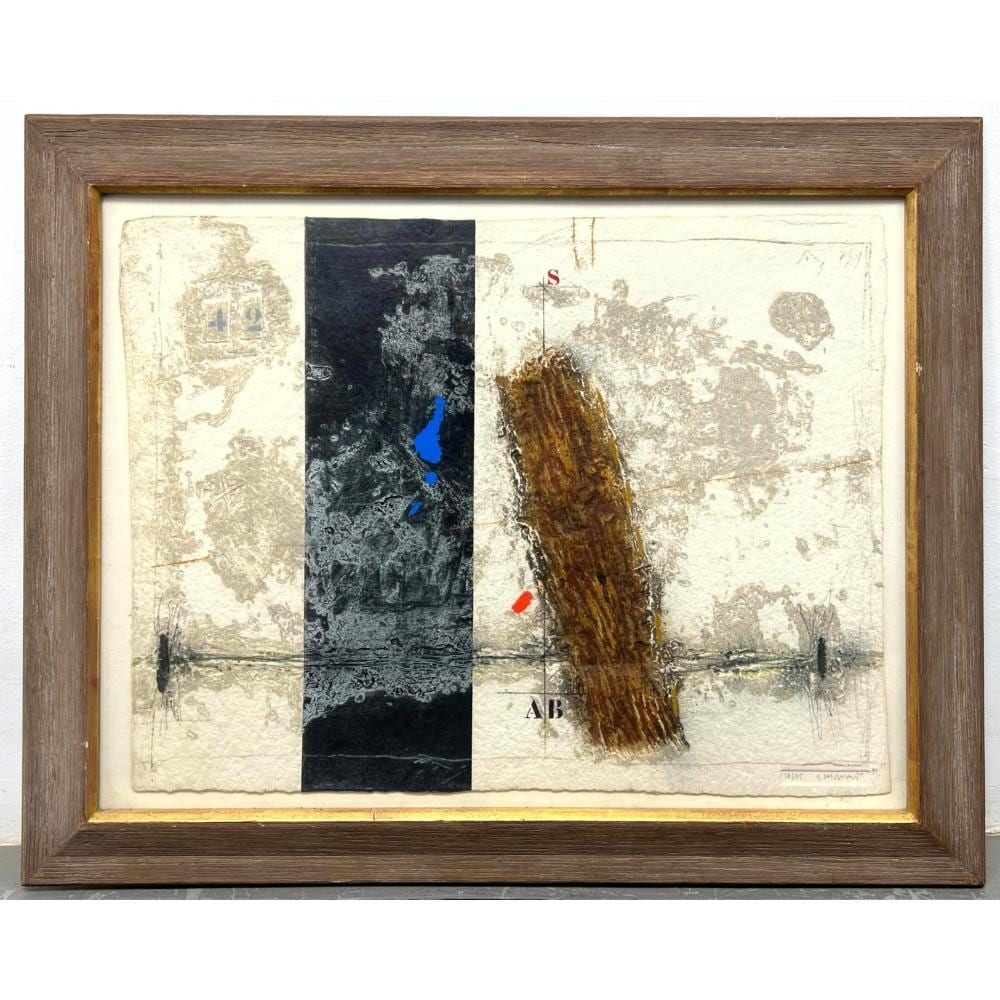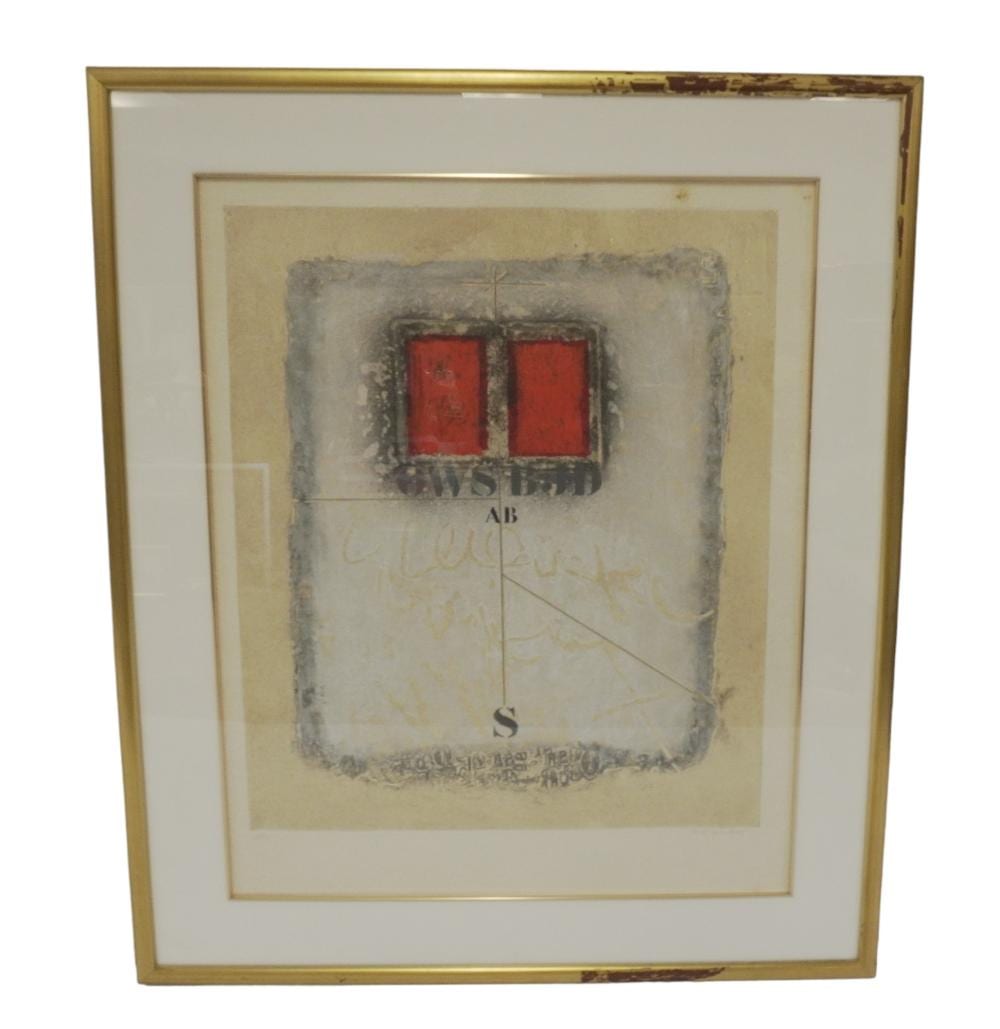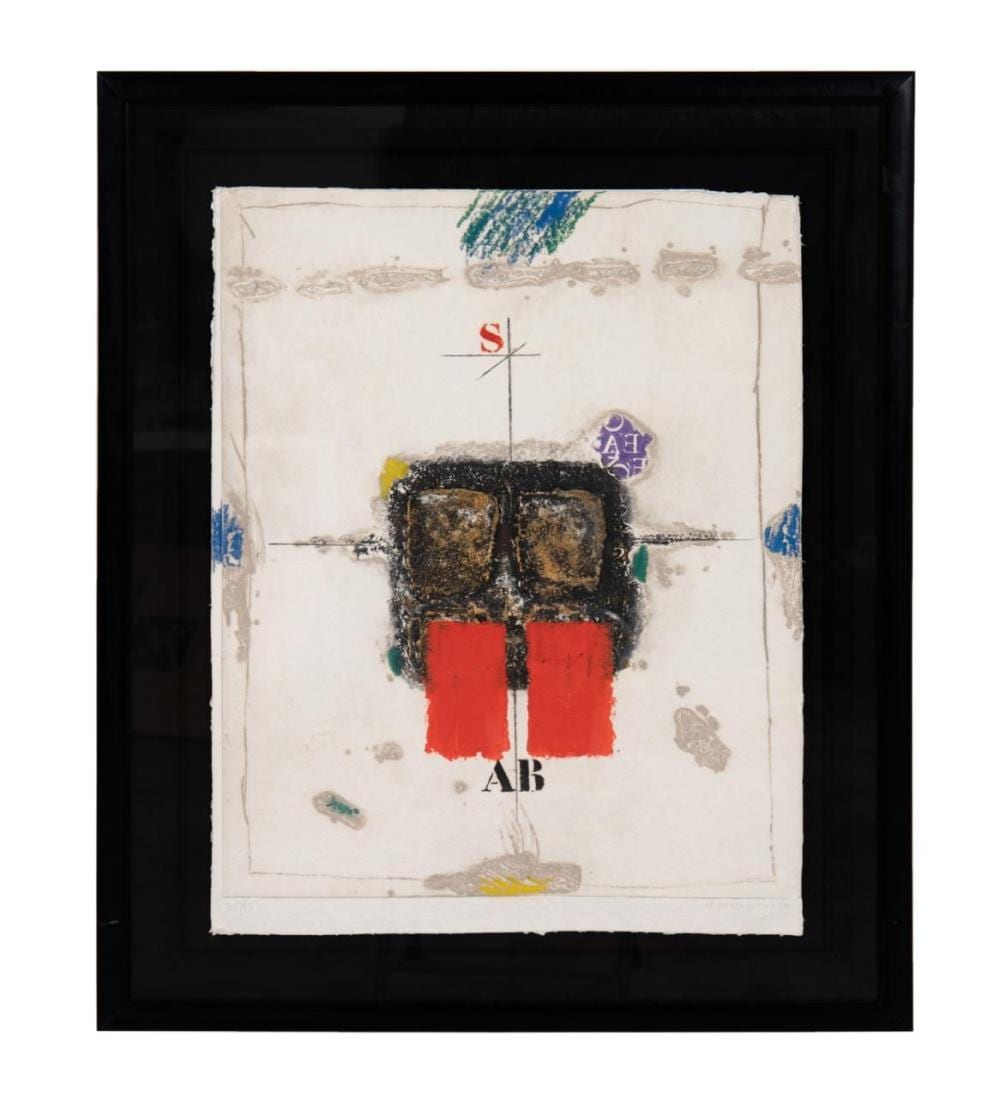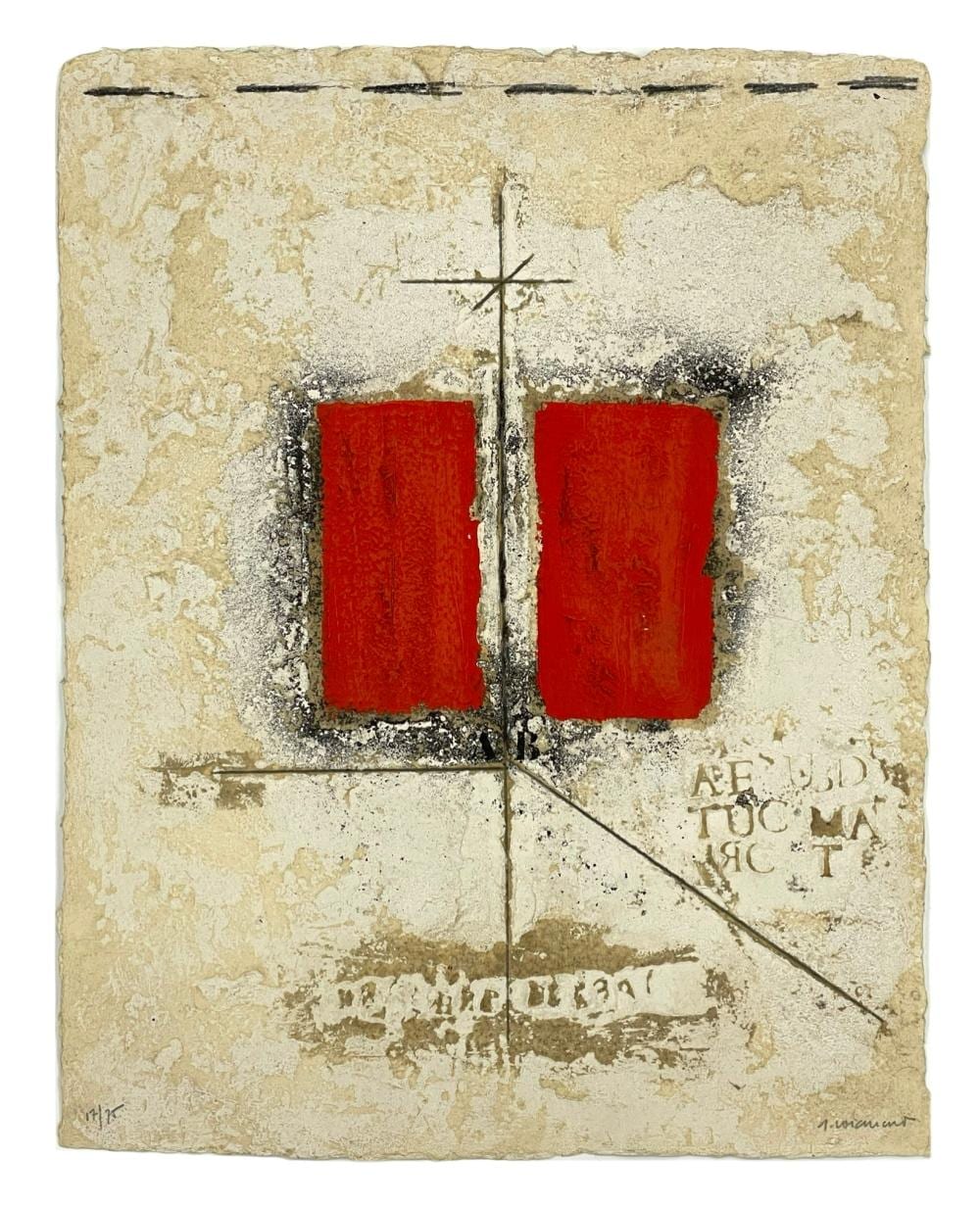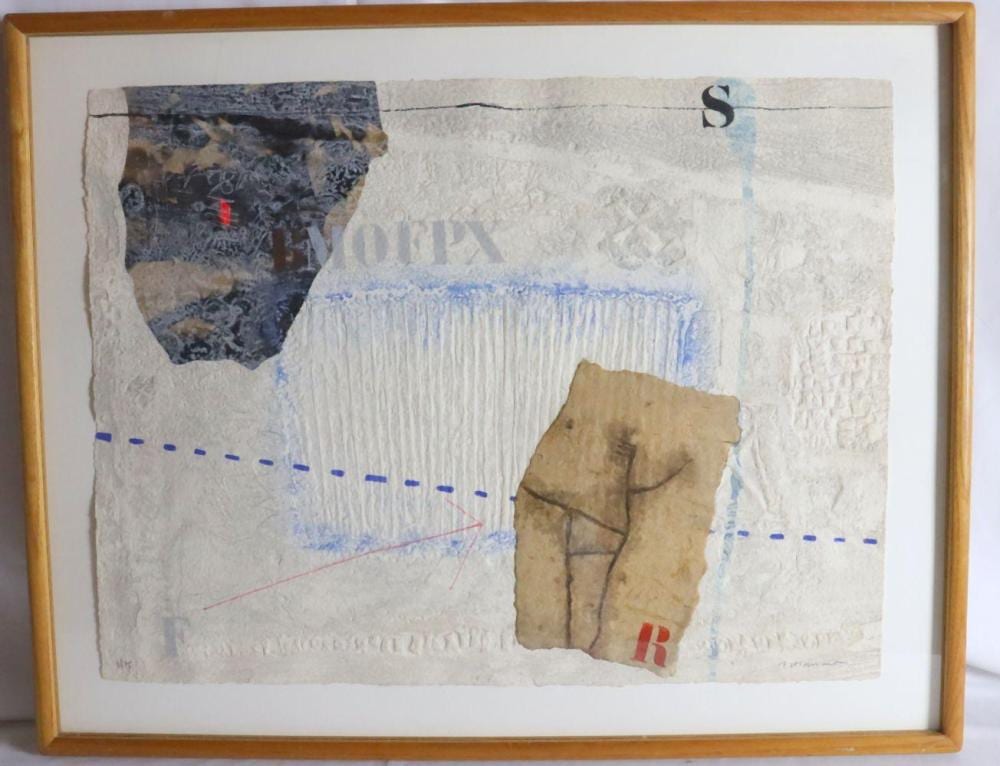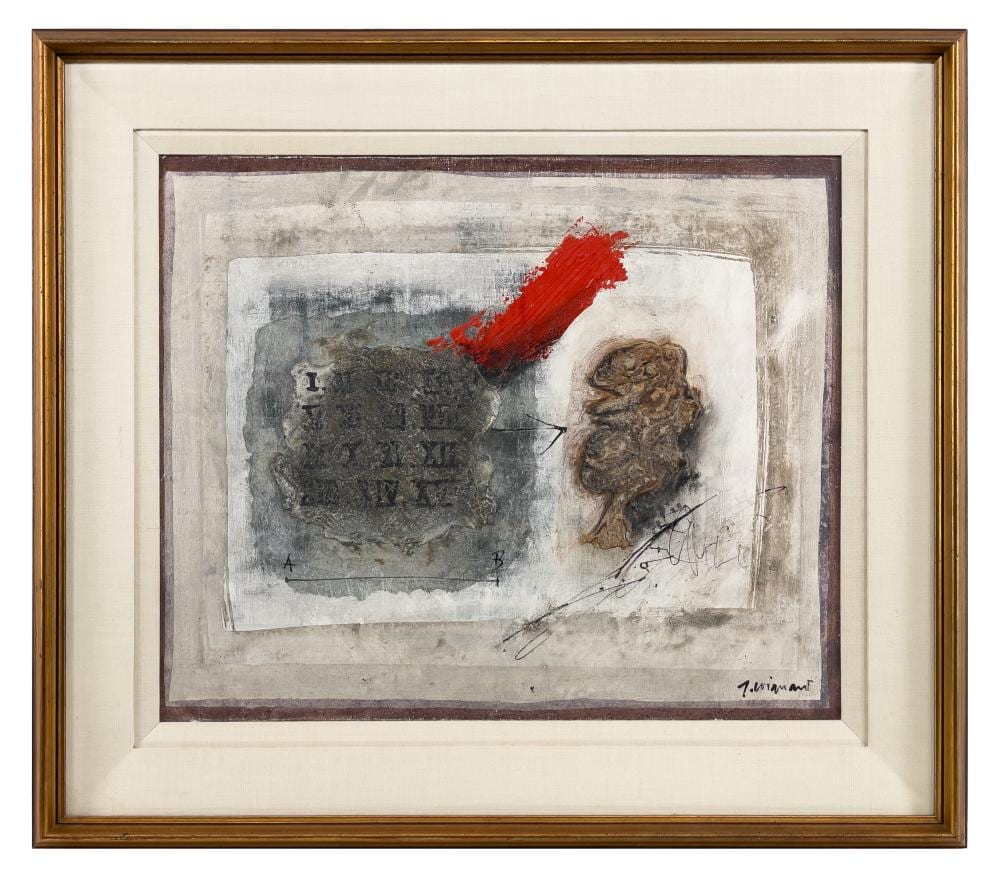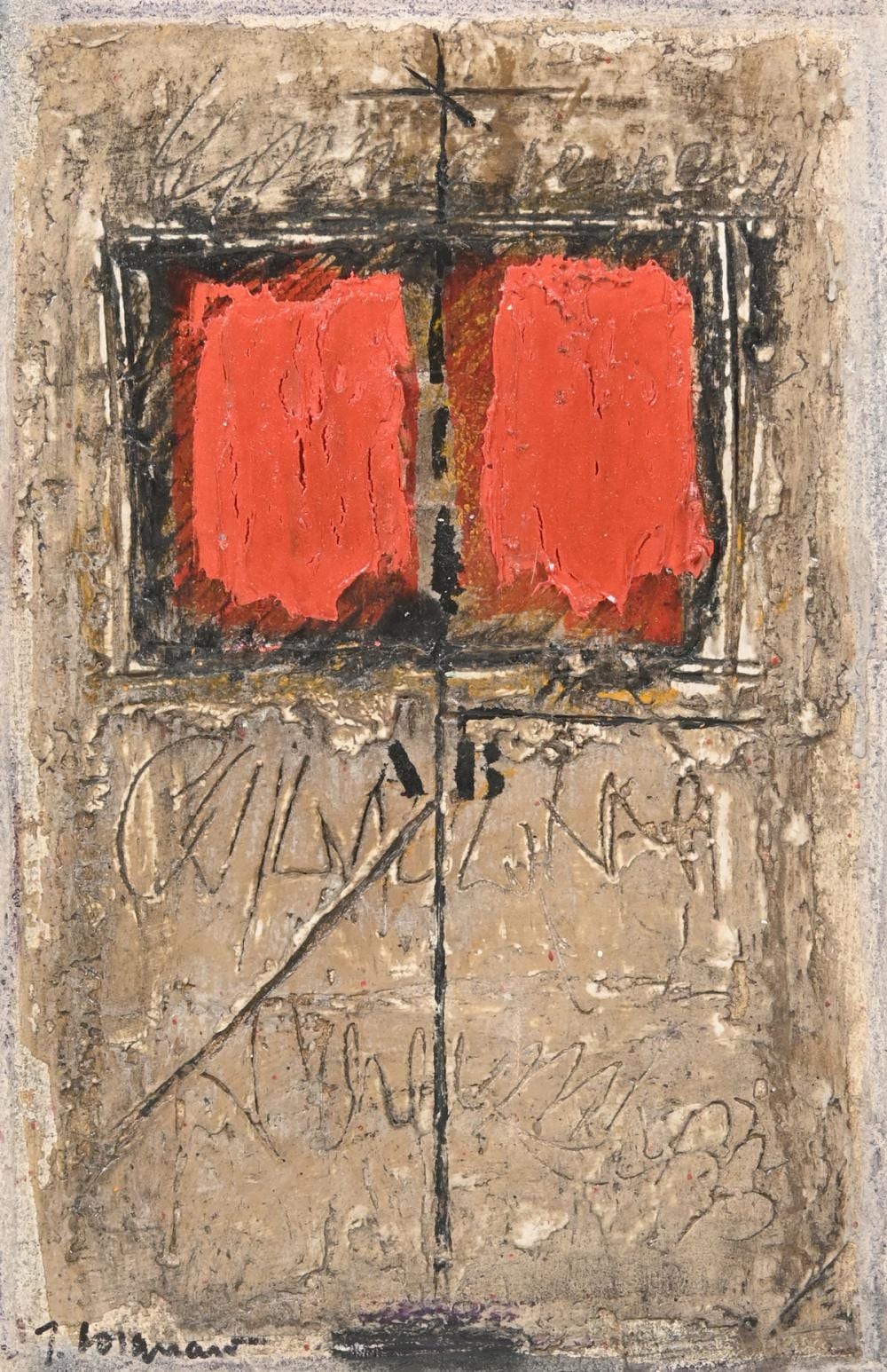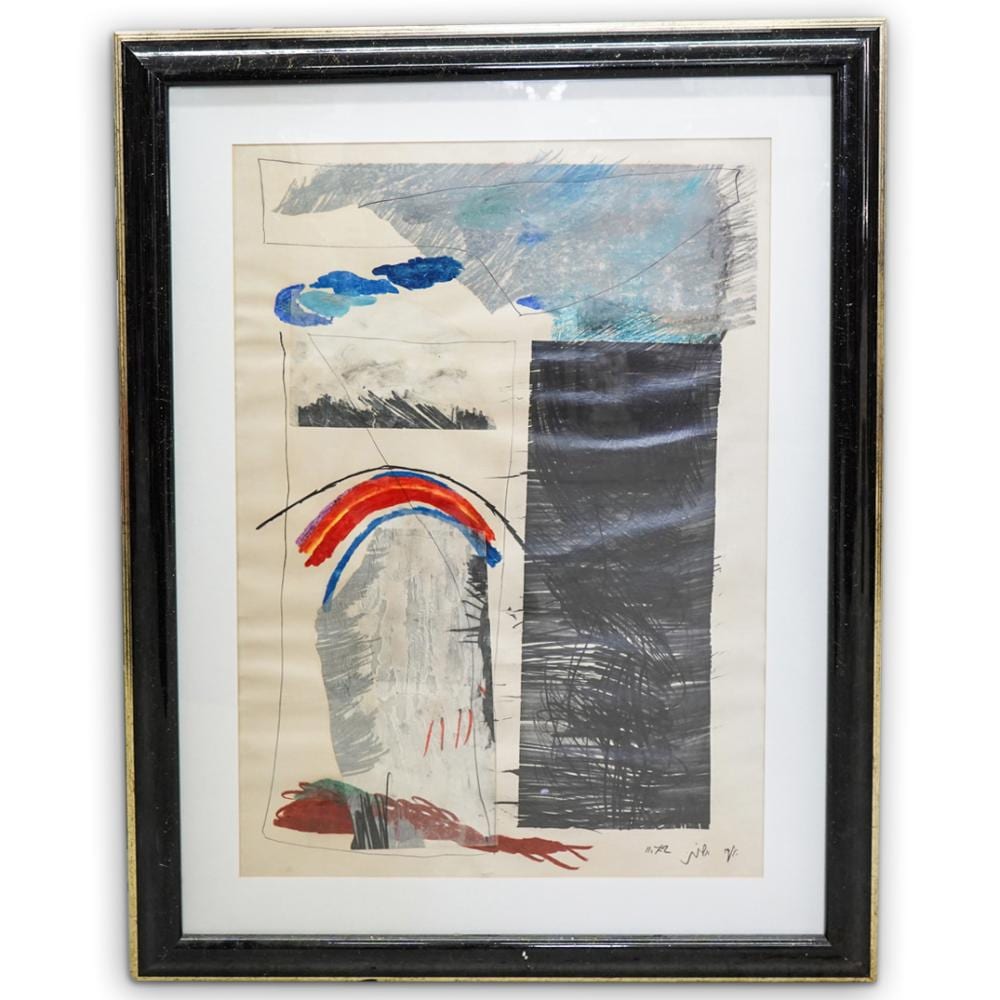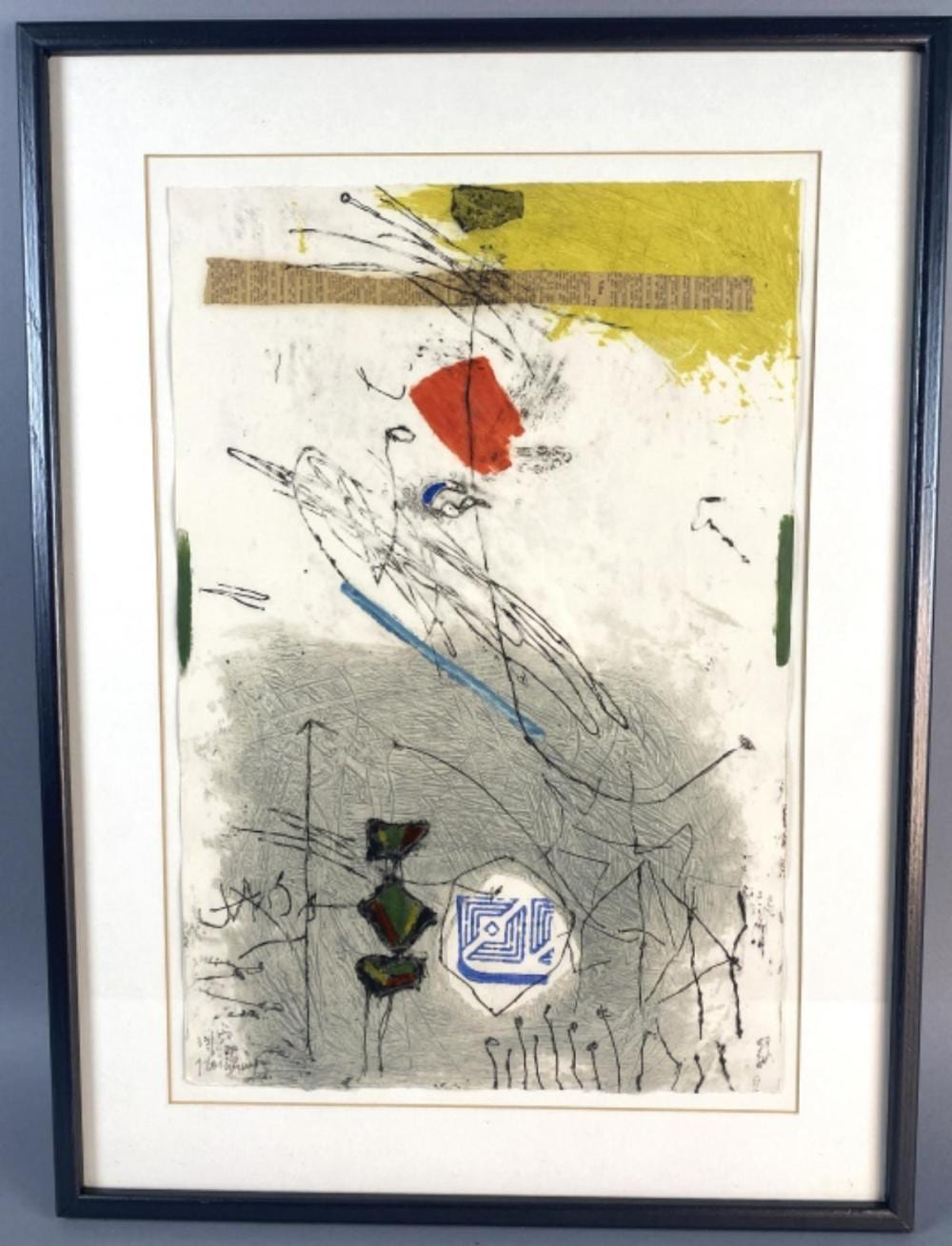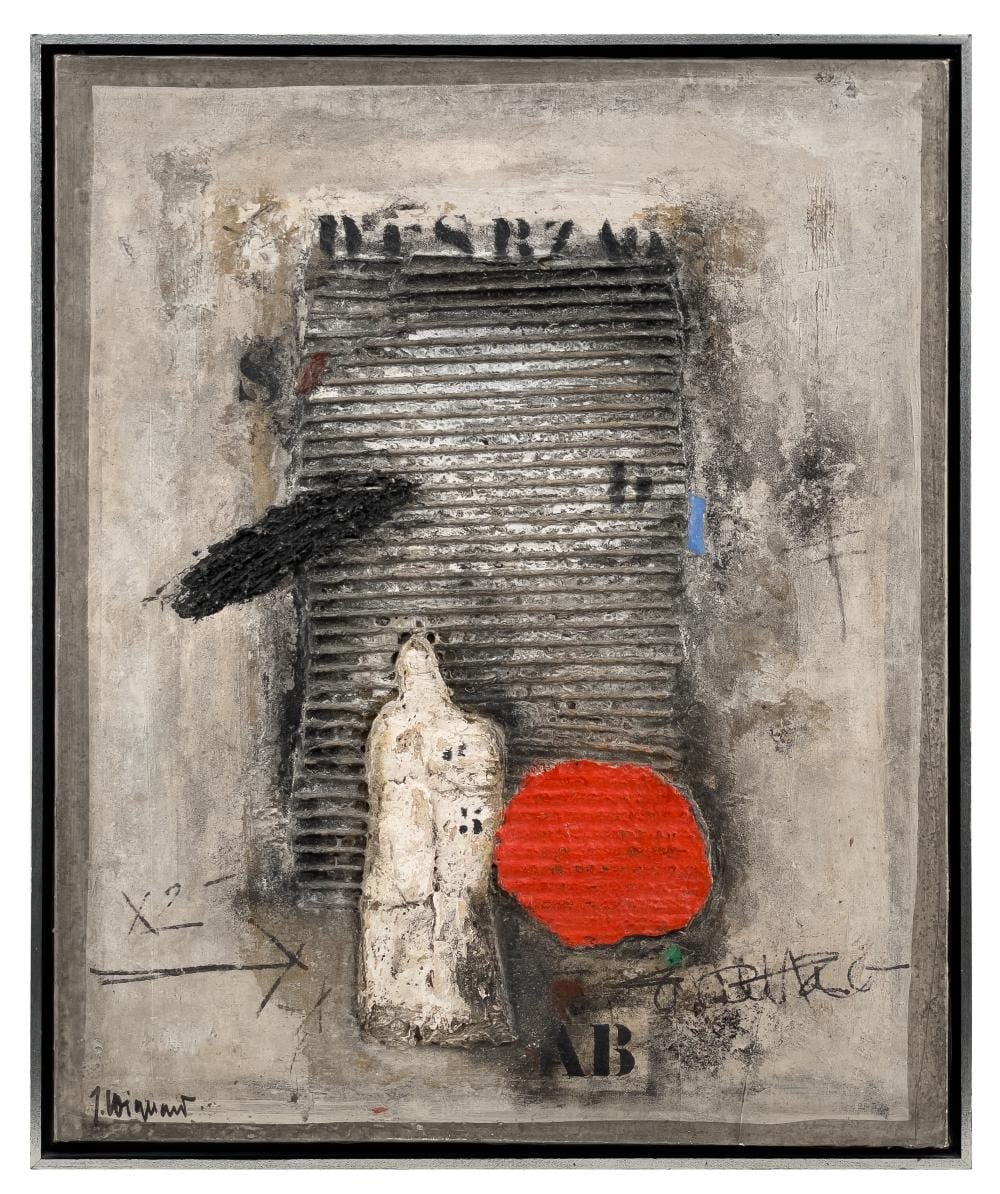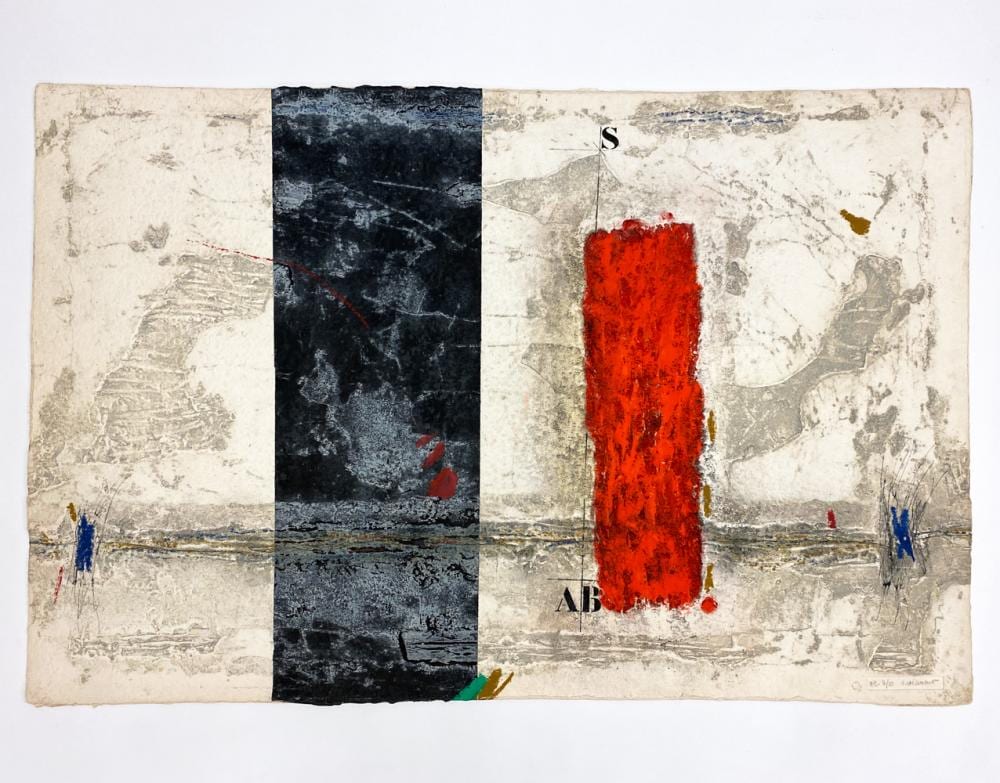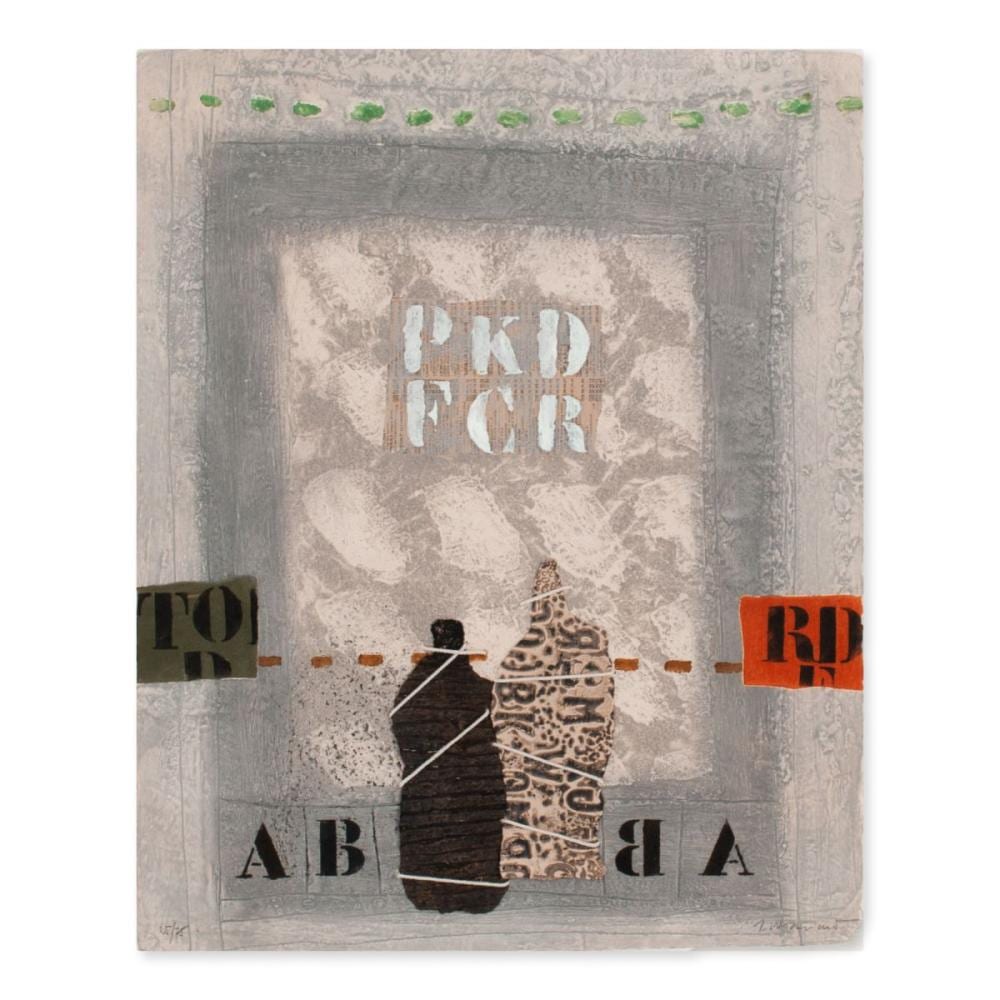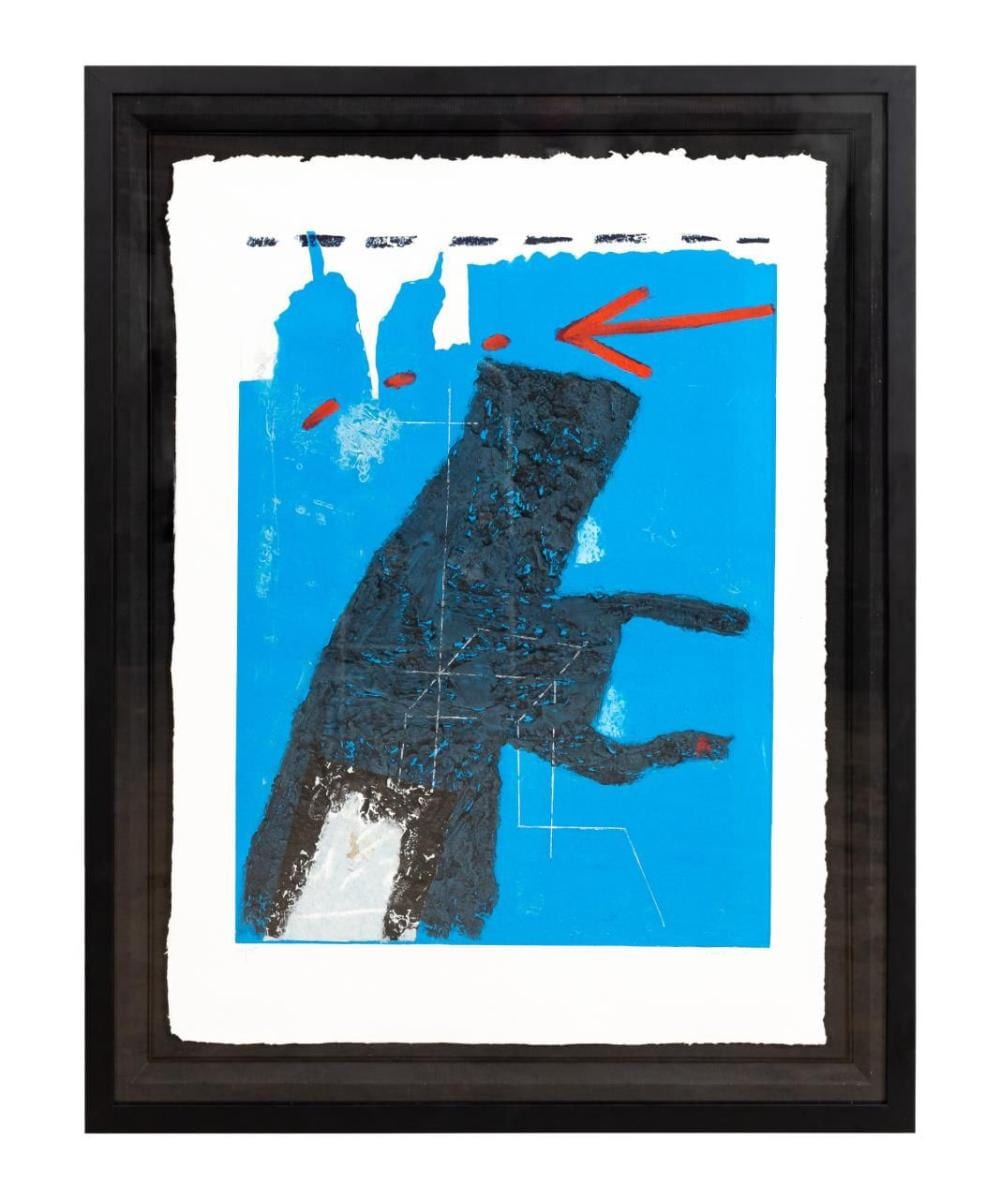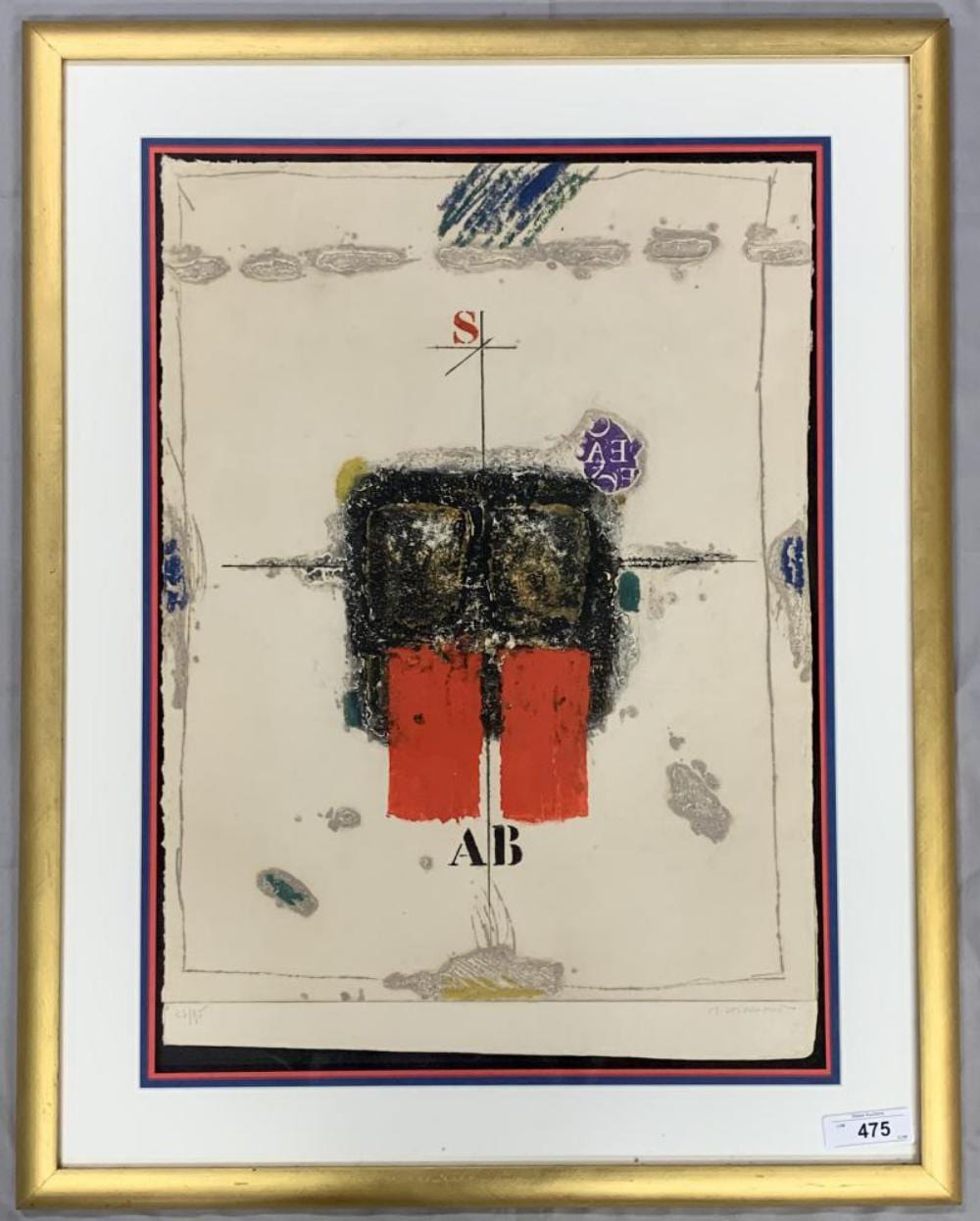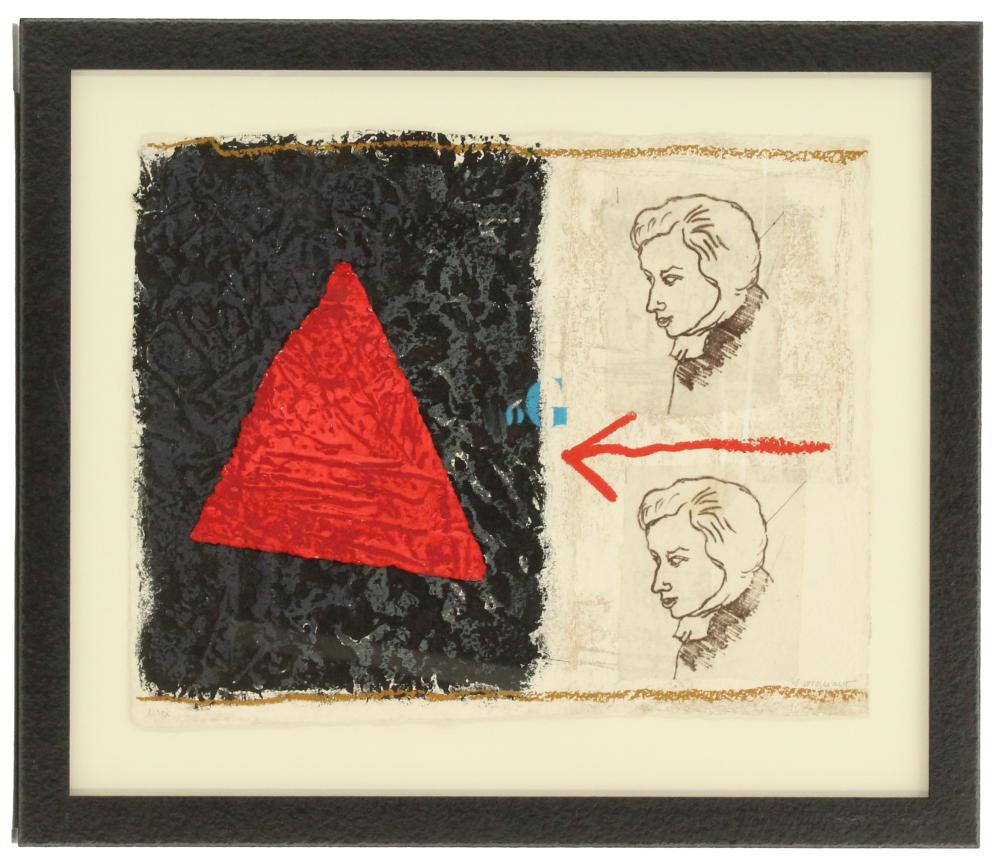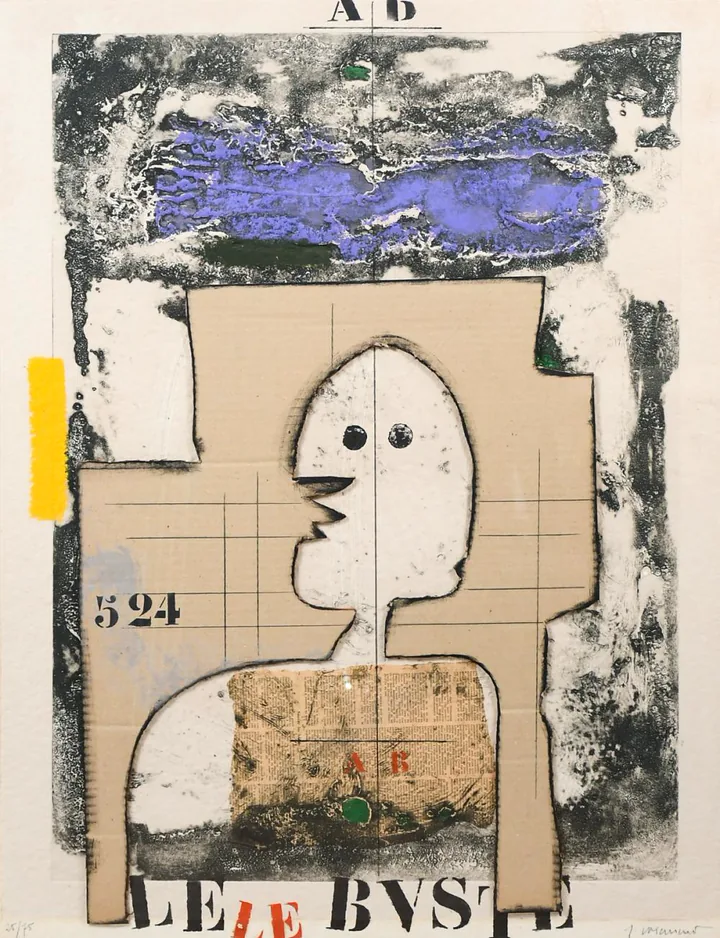
An Original Limited Edition James Coignard Hand Signed Limited Edition Print: appraisal and value basics
An Original Limited Edition James Coignard Hand Signed Limited Edition Print research should start with identification, condition, provenance, and item-specific market evidence. Use this guide to compare the signals that matter before paying for a formal appraisal or deciding whether to sell.
James Coignard Hand-Signed Limited Edition Print Value Guide
James Coignard’s prints bridge painting and printmaking in a way few artists achieved. For collectors and appraisers, correctly identifying and valuing a Coignard hand-signed limited edition print requires attention to technique, editioning, condition, and provenance. This guide explains how to recognize documented examples, what affects value, and how to care for them.
Who Was James Coignard and Why His Prints Matter
James Coignard (1925–2008) was a French painter and printmaker known for rich, tactile surfaces that merge abstract symbolism with calligraphic mark-making. He worked extensively in intaglio and relief processes, particularly carborundum etching, to create prints that feel almost sculptural. Rather than reproducing paintings, his prints were conceived as original works in print form—designed for the press, not copied from a canvas.
Collectors value Coignard for:
- Distinctive technique: thick, textured passages, deep embossing, and layered color.
- Strong market recognition: steady demand across European and U.S. markets.
- Manageable edition sizes: most limited editions were relatively small, with hand signatures in pencil.
What “Original Limited Edition Hand Signed” Really Means
Clarity on terms is essential:
- Original print: An image conceived for and executed through a printmaking process (e.g., carborundum etching, aquatint, etching), not a photomechanical reproduction of a painting.
- Limited edition: A fixed number of impressions pulled from the plate(s). After the edition is completed, plates are typically canceled or retired.
- Hand signed: The artist signs in pencil, usually at lower right of the sheet margin. James Coignard commonly signed “Coignard” in a fluid, confident hand; some impressions include a date.
- Hand numbering: The edition number appears in pencil at lower left (e.g., 34/75). Variants include:
- E.A. (Épreuve d’Artiste) or A.P. (Artist’s Proof): artist’s proofs outside the numbered edition, often a condition-specific range of the edition size.
- H.C. (Hors Commerce): not for commercial sale, used for exhibition or publisher’s purposes; usually similar quality but fewer in number.
- T.P. (Trial Proof): pulled during development; may differ slightly from the edition.
- B.A.T. (Bon à tirer): the approved standard proof; typically unique and more sought-after.
- Publisher/atelier: Coignard collaborated with established print publishers and workshops, especially those with expertise in carborundum and intaglio. Look for professional blindstamps and printed notations typical of reputable houses and ateliers.
Technical Hallmarks of Coignard Prints
Coignard’s technical choices help confirm originality and guide condition assessment.
- Process:
- Carborundum etching: A mixture of resin or acrylic medium and silicon carbide grit (carborundum) applied to a plate creates a gritty, elevated matrix. When inked and printed under high pressure, it yields rich, velvety blacks and pronounced texture.
- Intaglio techniques: copper or zinc plates worked with etching, aquatint, and drypoint elements, often combined with carborundum. Embossing is common.
- Hand coloring: Some prints include hand-applied color, visible as brushworked passages on top of the printed image.
- Surface: Expect palpable relief. Under raking light, you should see raised areas, plate edges, and subtle embossing where pressure from the press has bitten into the sheet.
- Inks: Dense, saturated blacks and earth tones are typical, alongside assertive primary colors. Heavy ink deposits can show slight sheen or bronzing in thick areas.
- Paper: High-quality, heavyweight, acid-free rag papers (e.g., Arches, BFK Rives). Features to verify:
- Deckle edges on one or more sides.
- Watermark visible when backlit.
- Crisp, intact sheet with ample margins around the plate mark.
- Margins and inscriptions:
- Signature in pencil at lower right margin.
- Edition number at lower left margin.
- Title sometimes appears in the lower center margin or on a verso label; many prints are untitled.
- Blindstamp(s) of the publisher/atelier in the lower margin.
- Plate mark and sheet size:
- Plate mark: a rectangular indentation from the plate edges, typically visible and measurable.
- Sheet sizes vary; many mid- to large-format works range roughly 56 × 76 cm (22 × 30 in) or larger. Always record both image/plate and sheet dimensions.
Attribution review Steps and Red Flags
Approach attribution review systematically. If you’re preparing an appraisal or purchase decision, build a file that includes images, measurements, and documentation.
- Confirm it’s an original print, not a reproduction.
- Under magnification, true intaglio printing shows ink within the paper fibers and plate-created embossments. Photomechanical reproductions lack the plate mark and tactile relief and often show halftone dot patterns.
- The surface of carborundum areas should be granular and raised, not glossy smooth like offset lithography.
- Examine inscriptions and editioning.
- Pencil signature: consistent with known Coignard hand—confident strokes, no tremor, no uniformity suggestive of mechanical reproduction.
- Edition number format: fraction (e.g., 50/75) or proof designation (E.A., A.P., H.C., T.P., B.A.T.) in pencil, usually at lower left. Mismatched fonts or printed (not pencil) numbers are suspect.
- Check paper, watermark, and blindstamps.
- Backlight to find a watermark typical of fine rag papers.
- Identify publisher or atelier blindstamps; placement and impression quality should be clean and crisp.
- Compare with documented impressions.
- Cross-check image, colors, and size against reliable references such as catalogues raisonnés, publisher records, and established auction listings for the same title. Variations beyond normal ink variance or hand coloring can be a red flag unless the work is a trial proof.
- Review provenance and paperwork.
- Desirable: gallery invoices, publisher certificates, exhibition labels, sales receipts. A certificate or opinion helps, but provenance that can be verified is stronger.
- Red flags to watch for:
- No plate mark on a print described as an intaglio/carborundum.
- Identical “signatures” across multiple examples that align perfectly (indicative of printed facsimiles).
- Paper that is glossy, thin, or without deckle/watermark when such features are expected.
- Overly bright, uniform colors lacking intaglio bite or relief in an image known for texture.
- An edition number exceeding known edition sizes for the title.
If doubt remains, seek a specialist opinion. High-resolution macro photos of the signature, plate mark, inked textures, and blindstamps are invaluable.
Condition Grading and Conservation Considerations
Condition directly impacts value. Coignard’s materials demand careful handling.
Common issues:
- Surface scuffing and abrasion: Heavy ink deposits and raised carborundum can catch and abrade. Look under raking light.
- Paper discoloration: Mat burn (brown bevel around the image), foxing (brown spots), light staining, and general toning from poor-quality mats or UV exposure.
- Creases and handling dents: Especially at corners and margins during improper framing or storage.
- Skinned paper and hinge residues: From non-archival tape removal.
- Ink offset/adhesion: Rich inks can offset to the verso of adjacent sheets or interleaving tissue.
Grading tips:
- Use standardized terms: “Excellent,” “Very Good,” “Good,” “Fair,” with specific notes (e.g., “Very Good; minor mat burn, one soft crease at lower margin, not into image”).
- Record exact sheet size, image/plate size, margin widths, and any annotations on verso.
- Photograph under normal and raking light.
Conservation advice:
- Framing: Use a category-dependent amount cotton rag mats and UV-filtering glazing. Float-mount with discreet, reversible Japanese paper hinges so the full sheet and deckle are visible. Provide a spacer to prevent glazing from contacting textured surfaces.
- Environment: a condition-specific range relative humidity, 18–22°C (64–72°F), no direct sunlight.
- Storage: Flat, in archival folders. Interleave with acid-free, non-stick materials; avoid standard glassine over rich ink areas that may adhere in humid conditions.
- Treatment: Professional paper conservators can address foxing, light stain reduction, hinge removal, and planar issues. Avoid dry mounting; it is irreversible and diminishes value.
Market Values and Appraisal Strategy
While values fluctuate by title and market, several consistent drivers affect price:
Primary value factors:
- Technique: Carborundum/intaglio works with strong relief often command higher prices than planographic prints.
- Size and visual impact: Large, richly textured compositions are more sought after.
- Edition size and proof type: Smaller numbered editions and unique proofs (B.A.T., some T.P.) can carry premiums. E.A./A.P. are typically comparable to numbered impressions but can be slightly more or less valuable depending on collector preference.
- Date and period: Mature works with hallmark motifs tend to perform better than minor or transitional pieces.
- Publisher/atelier: Impressions from top-tier ateliers/publishers often signal quality and consistency.
- Condition and provenance: Superior condition and documented history add value and liquidity.
Indicative price ranges (as of 2025, general guidance):
- Mid-size carborundum/intaglio limited editions: approximately a value that must be established from current, topic-matched sales retail through galleries, with auction results commonly in the a market-dependent range depending on title and condition.
- Large-format or highly desirable compositions: can exceed a value that must be established from current, topic-matched sales retail; strong titles occasionally surpass this.
- Works with condition issues (mat burn, stains, repairs): expect discounts of a condition-specific range relative to comparable clean examples, depending on severity and restorability.
Appraisal approach:
- Identify the exact work: title (if any), date, technique, paper, dimensions, edition/notation.
- Establish comparables: match by title where possible; otherwise, compare by technique, size, palette, and period. Weight results from the past 3–5 years, adjusting for condition and proof type.
- Adjust for setting: Retail gallery prices include overhead and curation; auction prices reflect wholesale demand. Private treaty sales may fall in between.
- Document the conclusion: Provide a stated value for the intended purpose (insurance, fair market value, replacement value), and cite comparables and condition findings.
Quick Appraisal Checklist
- Confirm it is an original intaglio/carborundum print with a visible plate mark and tactile relief.
- Verify pencil signature (lower right) and edition/notation (lower left), consistent with Coignard’s practice.
- Check paper quality: rag paper with watermark; intact margins and deckle.
- Locate publisher/atelier blindstamp(s) and compare with known examples.
- Measure and record sheet size and plate/image size precisely.
- Assess condition under raking light; note any mat burn, foxing, creases, scuffs, or hinge residues.
- Compile provenance: invoices, labels, certificates, and any catalogue references.
- Research market evidence by title or, failing that, by size/technique/period; adjust for condition.
- If uncertain, obtain specialist review before purchase or sale.
Frequently Asked Questions
Q: How can I tell a carborundum print from a lithograph? A: Carborundum/intaglio prints have a plate mark and palpable relief where thick, gritty passages sit on or within the paper. Under magnification, you’ll see ink embedded in the fibers with clear pressure embossing. Lithographs, by contrast, are planographic, lack plate marks, and present a flatter surface.
Q: What does “H.C.” or “E.A.” mean on a Coignard print? A: H.C. (Hors Commerce) are impressions not intended for commercial sale, often reserved for the publisher or exhibitions. E.A. (Épreuve d’Artiste) or A.P. (Artist’s Proof) are proofs kept by the artist, usually a condition-specific range of the edition size. Both are legitimate and collectible; their value typically tracks the numbered edition, with slight premiums or discounts depending on buyer preference and rarity.
Q: Does a certificate or opinion confirm the print is genuine? A: A COA is helpful but not definitive. The strongest evidence is a combination of physical examination (technique, paper, blindstamps, signature), documented provenance, and alignment with known references for that title. Treat COAs as one component of a broader attribution review process.
Q: Can condition issues in textured Coignard prints be restored? A: Many can. Professional paper conservators can reduce stains, address foxing, and stabilize creases. However, abrasion of rich ink layers or losses in carborundum texture can be difficult to reverse. Obtain a conservation estimate before purchase if issues are significant.
Q: Why are some impressions slightly different within the same edition? A: Hand inking, wiping, and the carborundum matrix introduce natural variance. Some editions also include hand coloring. Minor differences in tone or texture are typical for original intaglio prints and do not indicate inauthenticity.
With a careful eye—and a methodical approach—you can confidently identify, evaluate, and preserve an original limited edition James Coignard hand-signed print, whether for appraisal, acquisition, or long-term collecting.