
Late 18th-century Gothic buffet: appraisal and value basics
A late 18th-century Gothic style buffet review should start with joinery, carving, wood, hardware, surface, repairs, condition, provenance, and closely matched sideboard or buffet sales.
Quick identification checklist (5 minutes)
If you only have time for a fast pass, check these five areas in order:
- Construction: hand-cut dovetails, mortise-and-tenon frames, hand-planed surfaces.
- Back and underside: wide boards, irregular saw marks, older nail types, old oxidation.
- Hardware: hand-forged strap hinges, old locks/escutcheons, consistent patina.
- Carving + Gothic details: tracery/pointed arches, linenfold-style panels, deep relief carving.
- Finish: original patina vs. modern refinishing (uniform gloss, sharp sanding marks).

Dating a Gothic buffet: joinery, tool marks, and ironwork
A true late-18th-century piece usually shows a consistent pre-industrial build language. The goal is to see the same era reflected in the drawers, the frame, and the metalwork.
- Dovetails: hand-cut, slightly irregular tails/pins; often larger than later machine-cut dovetails.
- Planes and saws: hand-planed surfaces; underside/back may show coarse, uneven saw marks.
- Nails and fasteners: older nails (hand-wrought or early cut nails) are supportive; modern wire nails signal later work.
- Hinges: hand-forged or early iron hinges tend to be slightly uneven with age-darkened surfaces.
- Locks: period locks often sit in hand-cut mortises and show consistent wear at the keyhole/escutcheon.
Beware the common pitfall: Gothic Revival furniture (mid/late 19th century) can be extremely well made and heavily carved, but it often shows more standardized hardware, cleaner machining, and different backboard construction.
Gothic details that drive demand
In the furniture trade, “Gothic” is a broad label. Value rises when the design feels intentional (not just applied decoration) and when the carving is crisp, deep, and stylistically coherent.
- Tracery: pointed arches, trefoils/quatrefoils, and window-like panel patterns.
- Green Man / foliate carving: often seen on “Green Man oak” pieces; quality and originality matter.
- Architectural proportions: buttress-like stiles, layered cornices, and strong vertical framing.
- Door and drawer alignment: even gaps and stable doors suggest careful joinery and less structural distortion.
Wood and finish: what “solid wood” should look like
Many buffets are described as “solid wood,” but the market treats solid secondary woods and veneered carcasses differently. Oak is common in Gothic examples; walnut and mahogany appear too, especially in higher-style continental pieces.
- Look at end grain: oak has open pores; tight, even grain can suggest beech or other secondary woods.
- Check secondary woods: drawer bottoms/backs may be pine or deal; that’s normal on older pieces.
- Veneer vs. solid: veneer isn’t “bad,” but lifted veneer and heavy sanding affect value.
Condition and restoration: what helps (and what hurts) value
Most surviving 18th-century buffets have some repairs. Collectors generally accept stabilizing repairs, but they discount heavy cosmetic restoration that erases history.
- Refinishing: a full strip-and-refinish can significantly reduce collector interest versus original patina.
- Hardware swaps: modern hinges/handles lower value; period-correct replacements are better if disclosed.
- Structural issues: loose joints, sagging shelves, and woodworm need assessment—repairs can be costly.
- Carving damage: chipped tracery, replaced panels, or filled losses are value-sensitive areas.
Note: We couldn’t find enough auction records that directly match Late 18th-Century Gothic Buffet Guide to publish a defensible price table. If you are valuing a specific item, include its maker, model, material, photos, and condition so the search can be narrowed.
What similar items actually sold for
To help ground this guide in real market activity, here are recent example auction comps from Appraisily’s internal database. These matched sales are market context only, not an object estimate or identification, and they do not guarantee a price for your specific an antique an very rare circa late 18th.
Shown USD range: USD 275-USD 600. Median of these 4 USD examples: USD 400.
| Comparable | What sold | Auction house | Date | Lot | Source-reported amount |
|---|---|---|---|---|---|
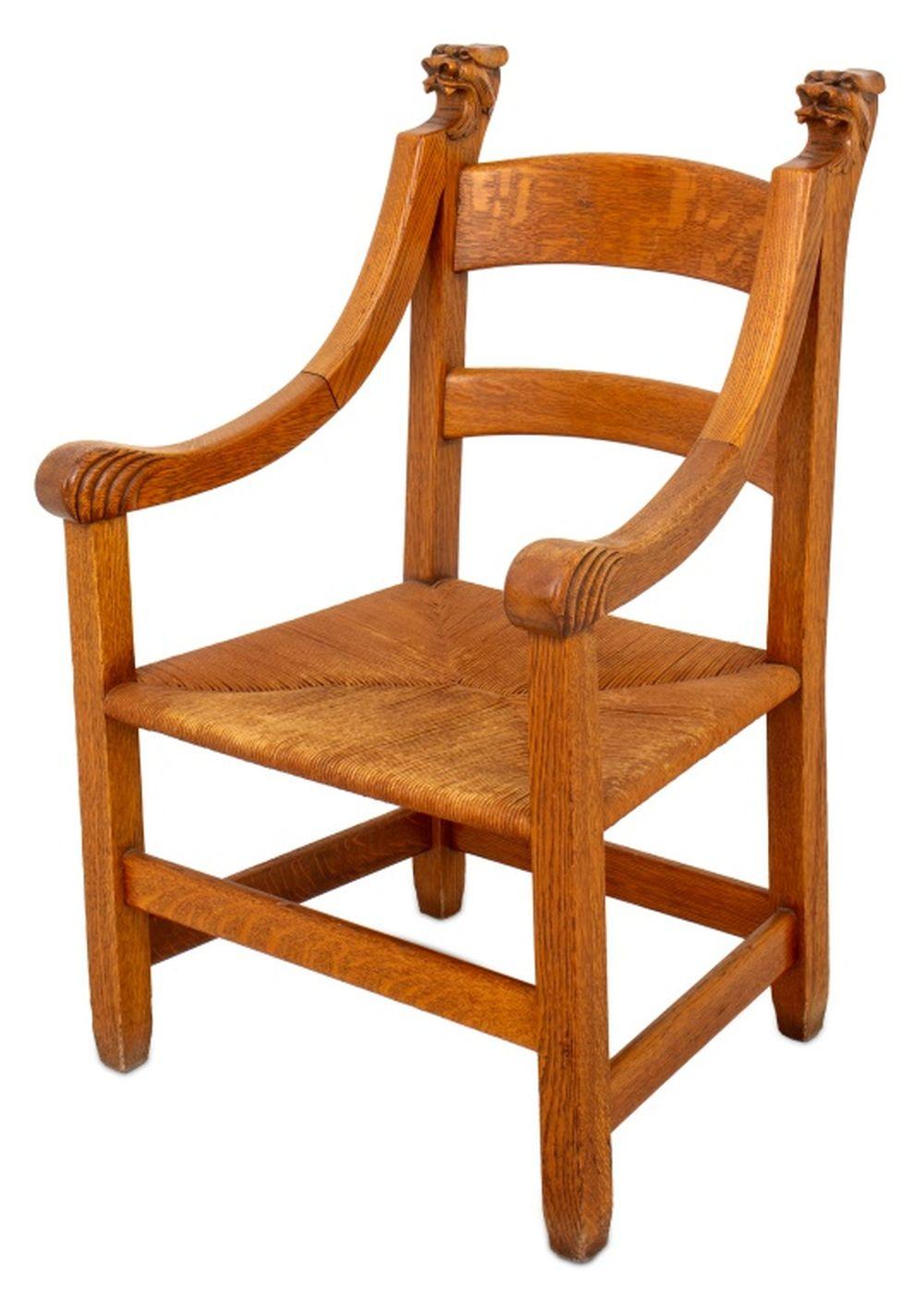 |
Gothic Revival Rush Seat Carved Oak Armchair | Auctions at Showplace | 2025-02-13 | 122 | USD 275 (buyer’s-premium treatment unknown) |
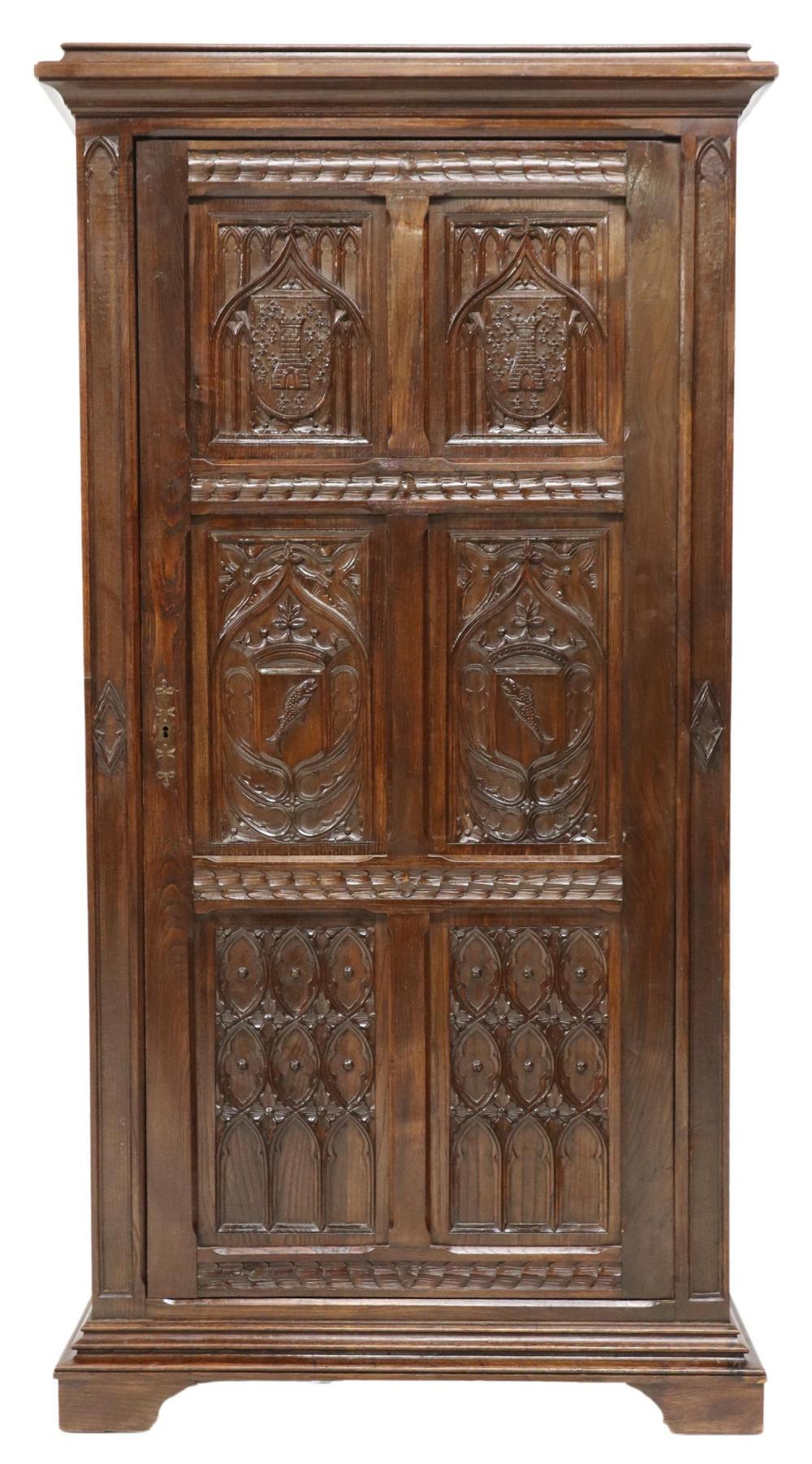 |
FRENCH GOTHIC REVIVAL ARMORIAL CARVED OAK ARMOIRE | Austin Auction Gallery | 2023-12-10 | 840 | USD 400 (buyer’s-premium treatment unknown) |
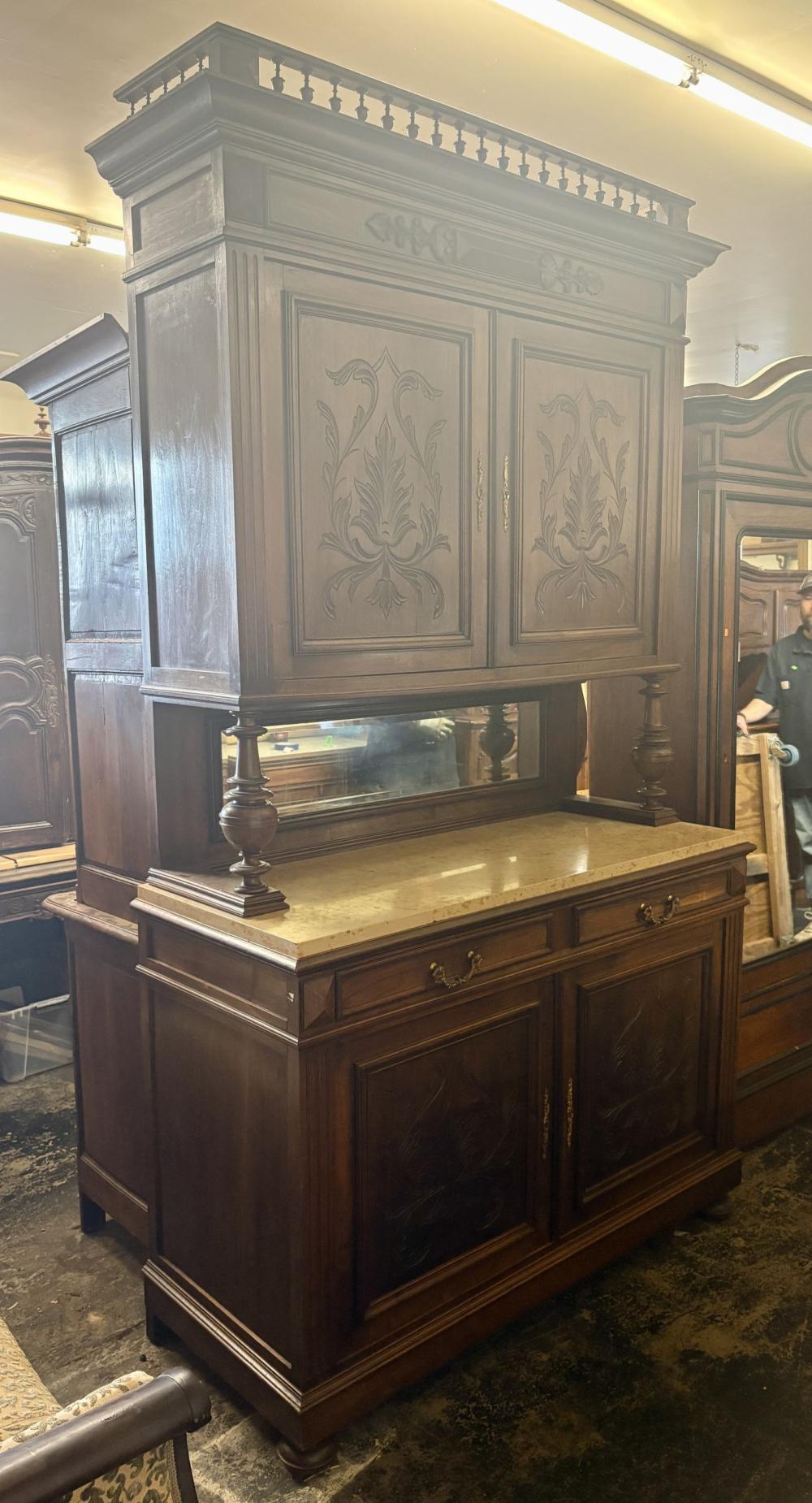 |
Antique French Renaissance Revival-style Buffet Hutch, likely made of walnut or oak, featuring Ornate Carvings, Marble Top, and a Mirrored Back Gallery - 23"x56"x98" - NOT AVAILABLE FOR SHIPPING, PICK UP OR TRANSPORT ONLY | Swisher Bros. Auction | 2026-03-29 | 250 | USD 600 (buyer’s-premium treatment unknown) |
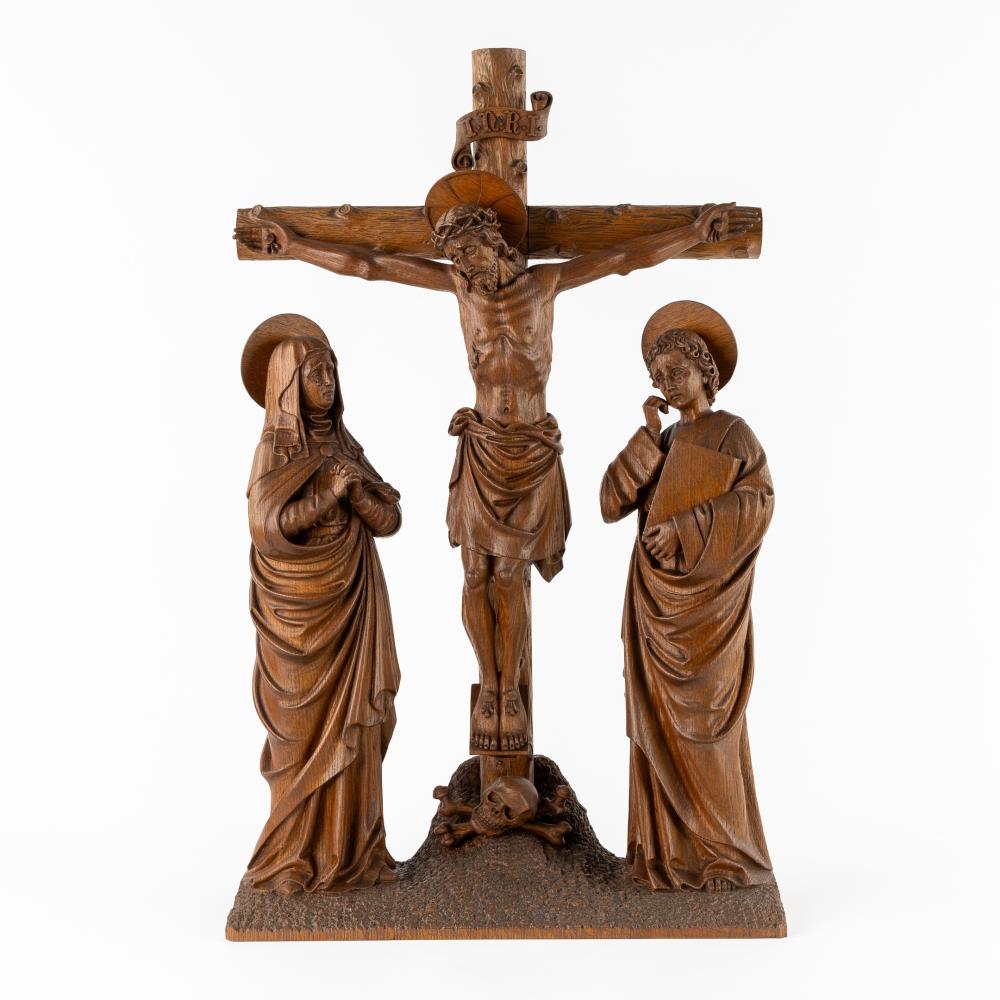 |
A 'Calvary' and 'Golgotha', sculptured oakwood. Gothic Revival. Circa 1900. | Flanders Auctions | 2026-01-13 | 30 | EUR 800 (buyer’s-premium treatment unknown) |
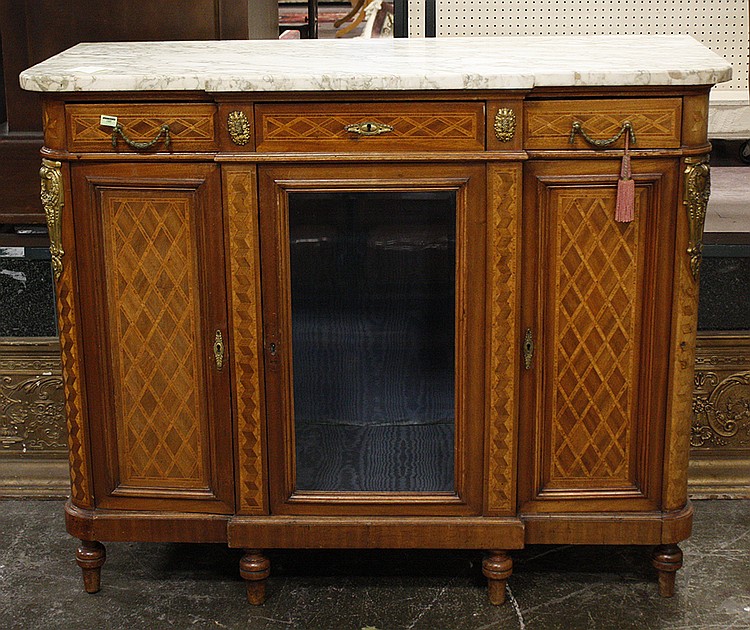 |
BUFFET - Antique Louis XVI style walnut sideboard with white marble top, three upper drawers over three door storage and marquetry i... | Pacific Galleries | 2014-12-02 | 185 | USD 400 (buyer’s-premium treatment unknown) |
How these auction records were verified
Each row retains its exact source URL, lot identity, retrieval time, access result, and immutable record hash. Inspect the public comparable provenance record.
Disclosure: prices are shown as reported by auction houses and are provided for appraisal context. Learn more in our editorial policy.
Free instant estimate
Not sure if your item is worth appraising? Let us take a look.
Upload a photo, tell us what you know, and get a free first read. If a full appraisal makes sense, we will say so.
Free. No card needed. Takes about two minutes.
With no maker label, value is usually driven by quality + originality + size. As a starting range:
- Decorative Gothic buffet / revival piece: roughly $800–$2,500 depending on carving and condition.
- Good antique examples (solid joinery, consistent age cues): roughly $2,000–$6,000.
- Exceptional provenance, rare motif, or important regional origin: $6,000+ (and sometimes much higher).
These are broad bands; the comps above show how quickly price changes with age, taste, and auction venue.
How to sell (and what to document)
- Photograph: full front + sides, interior shelves, backboards, underside, and close-ups of hardware and carving.
- Measure: height, width, depth, plus interior shelf clearances.
- Disclose repairs: replaced hinges/locks, added backs, split panels, wormholes, and refinishing.
- Choose venue: local auction for bulky pieces; specialist auction for carved/period furniture; dealer for convenience.
When to ask an expert (and what to ask)
If the buffet is being insured, divided in an estate, or sold in a high-stakes setting, get a written opinion. Ask for:
- An age range (and what evidence supports it)
- Notes on originality (hardware, finish, panels, backs)
- A condition-aware market value range with comparable reasoning
Search variations collectors ask
Readers often search for these Gothic buffet questions while researching a piece:
- late 18th century Gothic buffet value
- how to tell if a Gothic sideboard is antique or revival
- Green Man oak buffet value and identification
- hand-forged hinge clues for dating antique furniture
- what does hand-cut dovetail joinery indicate
- does refinishing an antique oak buffet reduce value
- how to price a carved oak buffet deux corps
- best way to sell an antique sideboard locally
- insurance appraisal for antique Gothic furniture
Each question is addressed above (dating, materials, condition, and recent comps).
References
- Victoria and Albert Museum: Furniture collections
- U.S. National Park Service Conserve O Gram (collections care)
- Fine Woodworking (joinery + repair considerations)
Wrap-up
A late-18th-century Gothic buffet can be a genuine rarity—but the market is full of later Gothic Revival pieces and heavily restored survivors. Focus on consistency across construction, hardware, and surface wear; then anchor your estimate with comparable sales. If you need a valuation you can cite for insurance, estate, or resale, a short photo set is often enough for an expert to confirm period and pricing.