Note: We couldn’t find relevant auction comps in our database for this topic right now. If you’re valuing a specific item, try searching by maker/model/material and we’ll expand coverage over time.
What similar items actually sold for
To help ground this guide in real market activity, here are recent example auction comps from Appraisily’s internal database. These matched sales are market context only, not an object estimate or identification, and they do not guarantee a price for your specific a pair of antique circa victorian era plant.
Shown USD range: USD 325-USD 1,200. Median of these 3 USD examples: USD 900.
| Comparable | What sold | Auction house | Date | Lot | Source-reported amount |
|---|---|---|---|---|---|
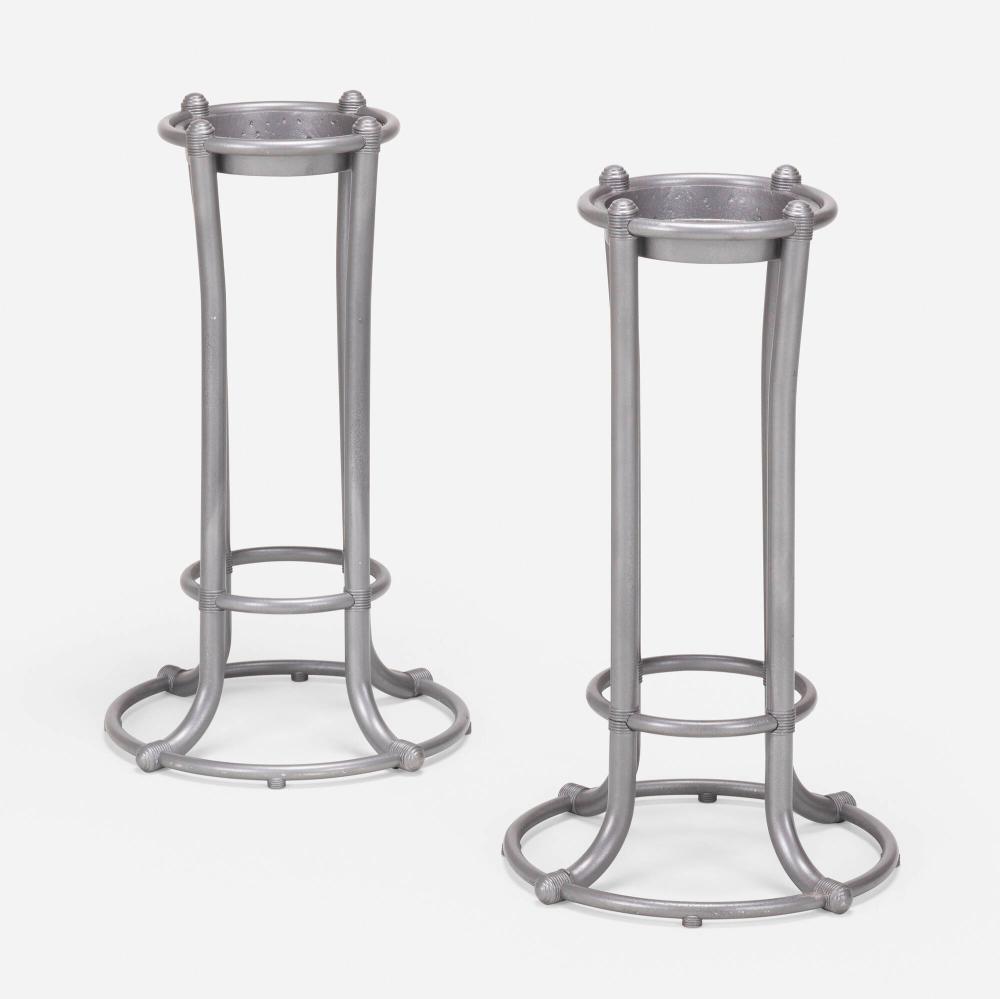 |
Warren McArthur, Plant stands, pair | Wright | 2024-03-28 | 303 | USD 900 (buyer’s-premium treatment unknown) |
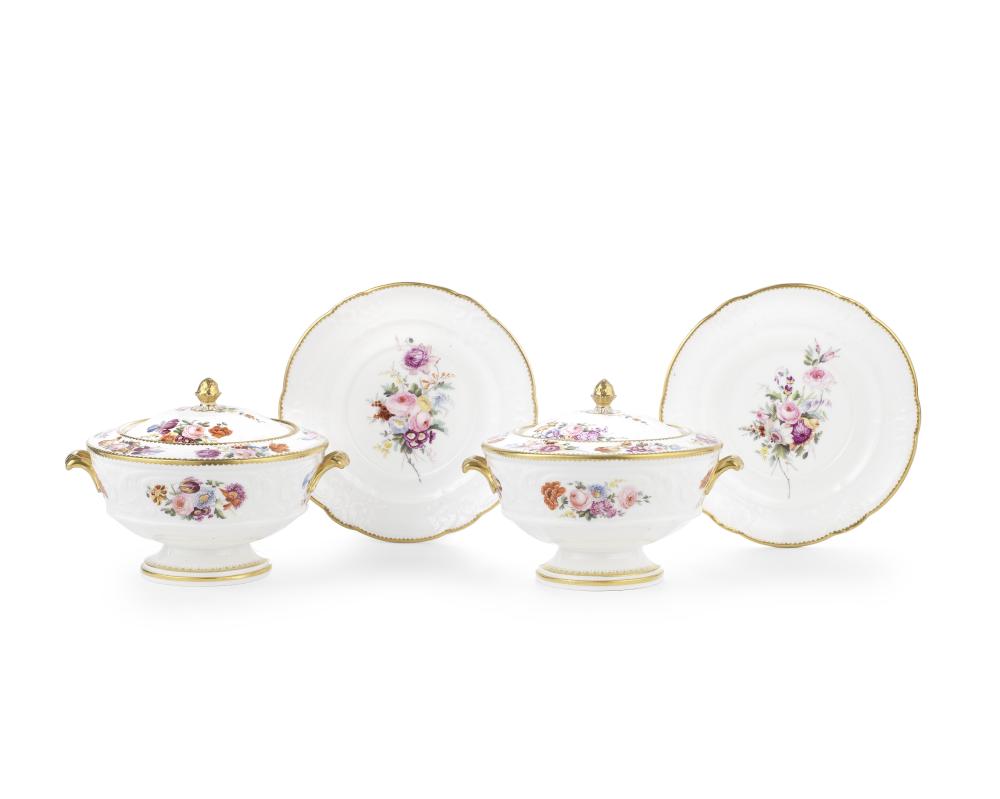 |
A fine pair of Nantgarw sauce tureens, covers and stands, circa 1818-20 | Bonhams | 2019-11-20 | 339 | GBP 3,200 (buyer’s-premium treatment unknown) |
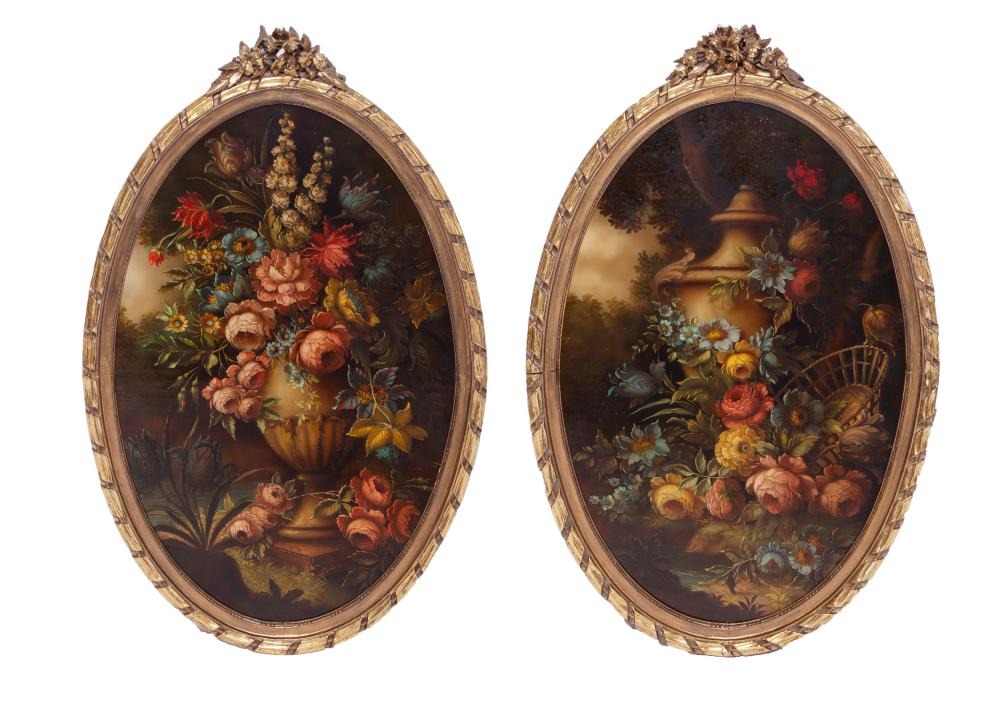 |
Pair of Antique Victorian Oval Paintings of Still Life on Decorated Gilt Frame | Dallas Auction Gallery | 2024-09-24 | 181 | USD 1,200 (buyer’s-premium treatment unknown) |
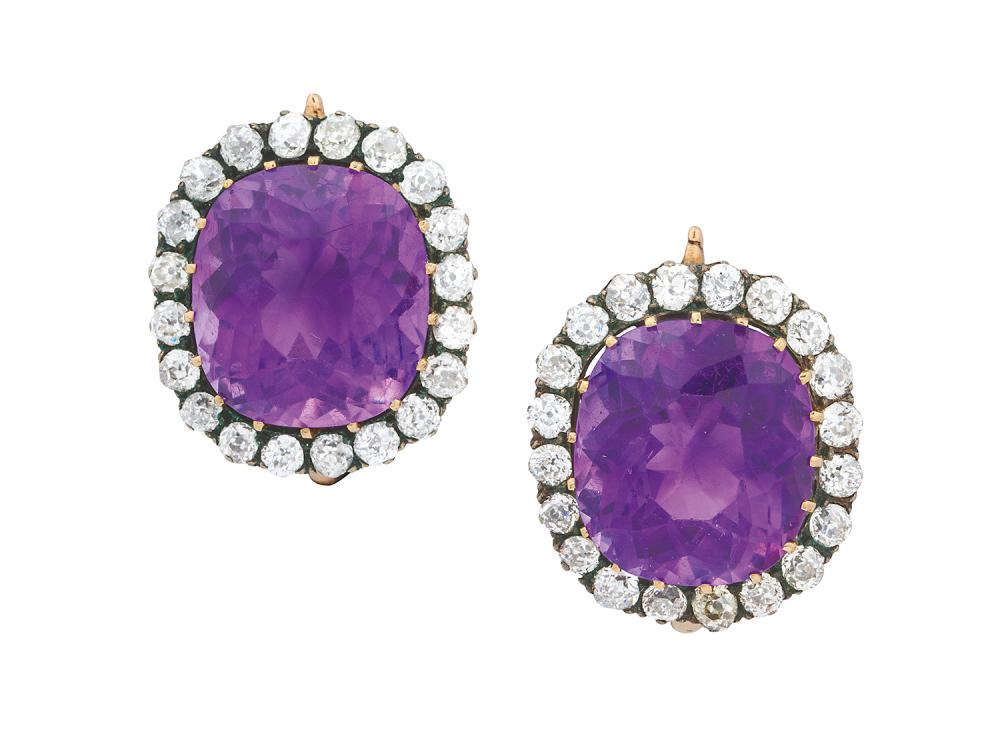 |
An Antique Pair of Amethyst, Diamond, Silver and Gold Earrings, circa 1900 | Dupuis Auctioneers | 2019-11-17 | 391 | CAD 36,000 (buyer’s-premium treatment unknown) |
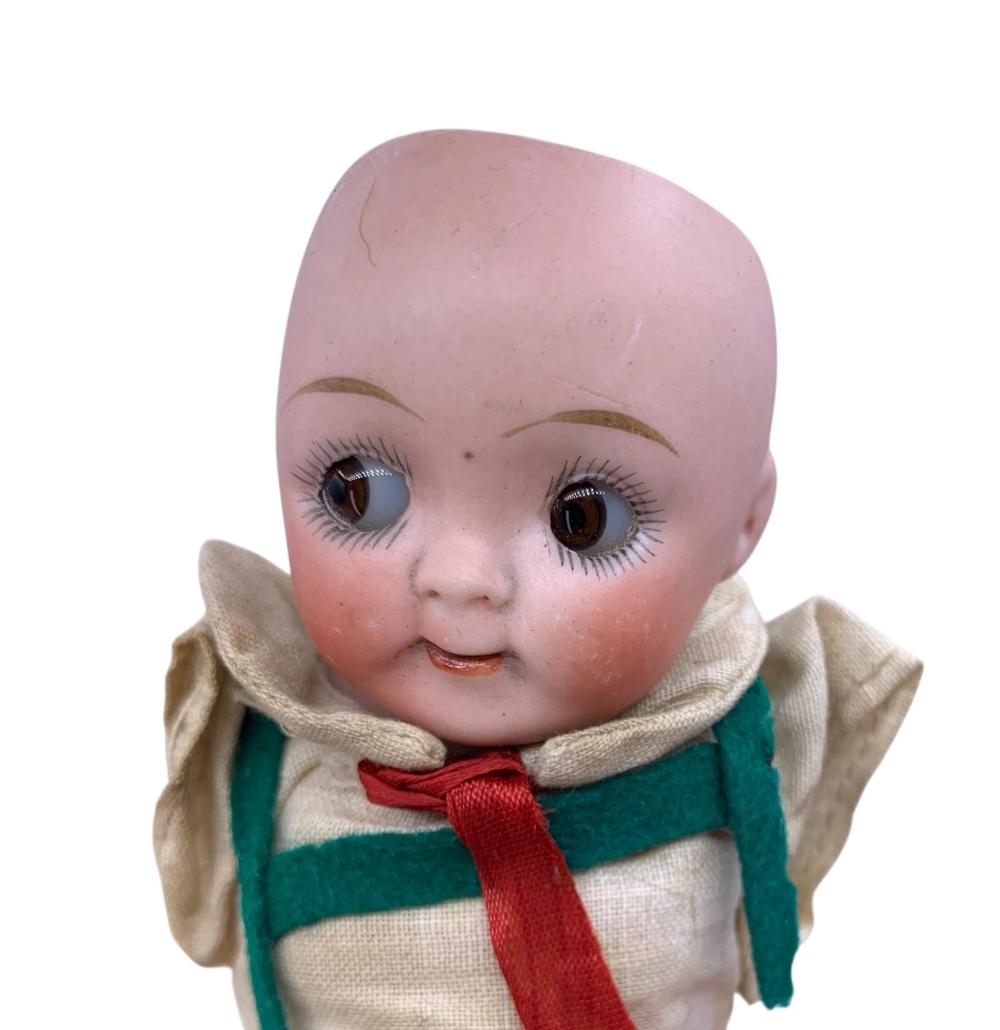 |
2 pc Antique Googly Sleep Eye Porcelain Boy Doll & Vintage Victorian Style Doll Pair | Atlee Raber Auctioneer | 2026-01-12 | 477 | USD 325 (buyer’s-premium treatment unknown) |
How these auction records were verified
Each row retains its exact source URL, lot identity, retrieval time, access result, and immutable record hash. Inspect the public comparable provenance record.
Disclosure: prices are shown as reported by auction houses and are provided for appraisal context. Learn more in our editorial policy.
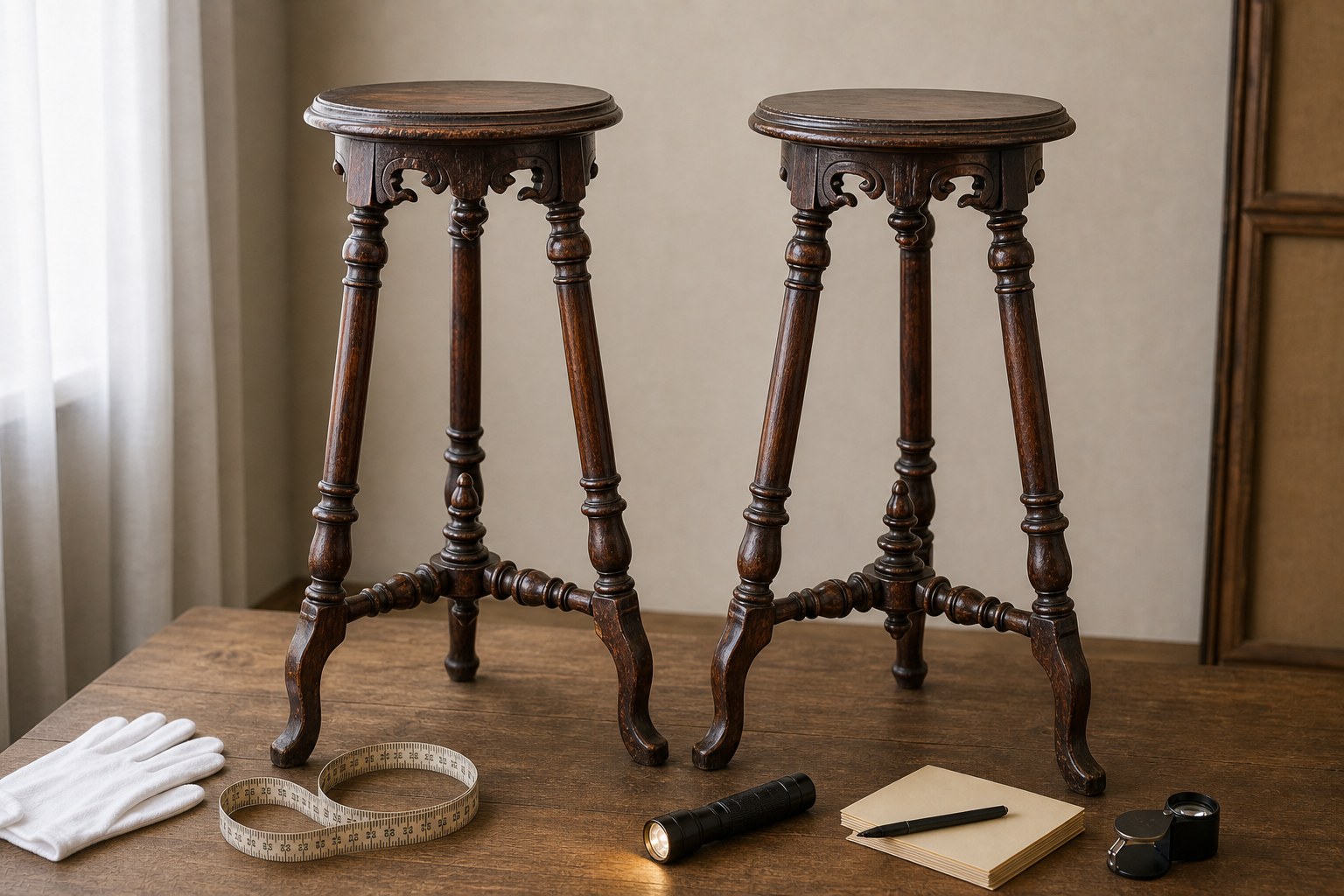
A Pair Of Antique Circa Victorian Era Plant Stands Appraisal
Victorian plant stands are deceptively complex objects to appraise. As sculptural accessories that once supported ferns, palms, and jardinières, they combine design, function, and craftsmanship. When found as an authentic pair, they carry a premium over single examples, making careful identification and condition assessment essential. This guide walks through how to evaluate a pair of circa-Victorian plant stands, determine legitimacy as a true pair, understand the market, and care for them to preserve value.
What Counts as a Victorian Plant Stand?
“Victorian” spans 1837–1901, a long period with many stylistic revivals. Plant stands (also called fern stands or jardinière stands) are purpose-built pedestals designed to raise a plant to viewing height while protecting furniture and floors. Key forms include:
- Turned tripod or quad-foot stands with circular or octagonal tops
- Square section stands with stretcher bases
- Heavily carved baluster pedestals with lavished foliage ornament
- Ebonized Eastlake or Aesthetic Movement stands with incised gilt decoration
- Anglo-Japanese bamboo stands with lacquered panels
- Cast iron or wrought iron stands with pierced elements, occasionally with marble inserts
- Marble-topped stands (Carrara, Belgian black, rouge marble) on wooden or metal bases
Typical heights range from 28–36 inches for display, with wider-top jardinière stands often around 30–33 inches to accommodate ceramic planters. Materials include mahogany, walnut, rosewood, and later oak; for painted or ebonized stands, secondary woods may appear under black finishes. Bamboo and rattan were popular from the 1870s–1890s for Aesthetic interiors, while iron examples often align with the Eastlake taste.
Pairs were often placed flanking a fireplace or in bay windows. Because many stands were sold singly, authentic pairs are less common, and matched examples draw more interest from decorators and collectors.
Dating and Attribution: Construction, Style, and Materials
To position a pair within the Victorian timeline and identify quality, examine the following:
Construction clues
- Turning and joinery: Early to mid-Victorian turned columns show crisp lathe work; legs are tenoned or doweled into a central block. Genuine period joinery favors animal (hide) glue. Machine turning and standardized parts become more evident after the 1860s.
- Screws and hardware: Slotted screws dominate the period. Phillips-head screws do not appear until the mid-20th century; their presence indicates later repair or replacement. Earlier square nuts and hand-cut threads may appear on iron stands. Castors with porcelain or brass wheels show up on higher-end pieces.
- Tooling and wear: Hand-planed surfaces under tops, irregular chisel marks inside joints, and dark oxidation in concealed areas suggest age. Perfectly uniform routing often points to later manufacture.
Finishes
- Shellac/French polish: Most Victorian wood stands were finished in shellac. Ebonized stands were either dyed/stained black and polished, or finished with black Japan (a resinous varnish).
- Over-polishing and polyurethane: Glassy, plastic-like films are modern and can reduce value by obscuring patina.
- Gilt incising: Aesthetic and Eastlake styles may show linear gold fill in shallow cuts; some later copies use paint that sits imperfectly on surface ridges.
Woods and substrates
- High-end: Rosewood, satinwood, or heavily figured walnut/mahogany veneers over dense secondary woods. Weight can be a clue, though denser modern replacements can mislead.
- Bamboo: True period bamboo has oxidized nodes and tight, darkened pores; coatings can show alligatoring or micro-crazing.
- Iron: Victorians favored cast iron with sharp mold definition; look for sand-cast textures on hidden surfaces and period black paint with age-appropriate wear.
Style indicators
- Early Victorian/Rococo Revival (1840s–1860s): S-curves, acanthus carving, cabriole legs; rosewood common.
- Gothic Revival (1840s–1860s): Quatrefoils, pointed arches, and trefoil piercings on stretchers.
- Eastlake (1860s–1880s): Geometric forms, incised lines, ebonizing, brass accents.
- Aesthetic Movement (1870s–1890s): Anglo-Japanese influence, asymmetry, bamboo, lacquered panels with birds or fans.
- Late Victorian/Arts & Crafts overlap (1890s): Simpler lines, honest joinery, English oak.
Marble and stone tops
- Carrara (white/grey), Belgian black, and rouge griotte appear frequently. Old marble edges soften with wear; backs often show point tool marks. Perfectly crisp edges with uniform diamond saw marks may indicate later replacement.
Maker’s marks
- British furniture rarely carries maker stamps; paper labels may survive under bases or inside tops. American high-end makers (e.g., Herter Brothers) sometimes used stencils, ink stamps, or retailer labels. Iron foundries occasionally cast logos or pattern numbers on the underside.
Dating is often a synthesis: match style, finish, and construction to a plausible window, then test against hardware and wear. For a pair, both stands should tell the same story.
Condition Assessment and Common Issues
While the market rewards rare styles and pairs, condition can swing value up or down significantly. Focus on:
Structural integrity
- Wobble: Stand both pieces on a flat floor and gently rock each in all directions. Wobble indicates loose joints or misshapen feet.
- Joint health: Look for open seams, split stretchers, and repairs. Hide glue joints are reversible and favored; modern PVA can complicate future conservation.
- Leg/foot losses: Missing or replaced feet reduce value and stability.
Surface and finish
- Water rings and bloom: Shellac turns cloudy with moisture; rings are common from planters. Gentle, professional conservation can often reduce these without stripping.
- Over-stripping: Loss of original surface, rounded carving detail, and unnatural uniform color suggest aggressive refinishing. Over-restoration can cut value for collectors.
- Ebonized surfaces: Flaking or chipping reveals substrate; careful inpainting by conservators is preferred over wholesale repainting.
Veneer, inlay, and gilt
- Veneer loss, lifted edges, or mismatched patches lower value. Original gilt incising or mounts should be retained whenever possible.
Tops and trays
- Replaced tops: Mismatched woods, fresh edges, or modern screws under the top are clues. For marble, look for new adhesive rings and cleaner undersides.
- Staining from soil and fertilizer: Deep staining can be permanent.
Metal and bamboo
- Iron: Stress cracks at thin points, losses to pierced elements, and heavy rust. Old black paint with honest wear is preferred over thick modern enamel.
- Bamboo: Loose bindings, split canes, and delamination of applied lacquered panels are common.
Odors and residues
- Mold or damp odors indicate storage issues. Salt bloom on marble can appear if watered plants sat directly on stone.
When valuing, distinguish between conservation (respecting original material) and alteration. Appropriate regluing, minor veneer repairs, and French polishing are usually acceptable. Full stripping, heavy stain changes, or replaced structural parts are not.
Authentic Pairs vs Married Pairs: How to Tell
True pairs were conceived and built together, whereas married pairs are composed from non-matching singles. Signs of a real pair include:
- Proportions, turning profiles, and carving that mirror precisely, typically with subtle left/right orientation in feet or carving.
- Identical wood species and figure, with comparable oxidation tones on concealed surfaces. Freshly darkened replacements often reveal lighter wood under the base or inside screw holes.
- Consistent construction details: same screw lengths and slot styles, identical stretcher joinery, matching tooling marks under tops.
- Matching marble thickness, edge profile, and underside tool marks; veining direction may be mirrored or sympathetic.
- Age-consistent wear in the same places: foot scuffs, edge softening, finish sheen patterns.
Red flags for a married pair:
- Slightly different heights or top diameters (e.g., 30 inches vs 30.75 inches).
- Different foot shapes, screws, or stretcher tenons.
- One stand heavily reworked while the other is untouched.
- Non-sympathetic wood grain and color despite claims of “original finish.”
Because pairs can command 1.5–2× the price of two singles, be rigorous when verifying authenticity.
Free instant estimate. No card needed. A specialist review is only the next step if the evidence supports it.