Note: We couldn’t find relevant auction comps in our database for this topic right now. If you’re valuing a specific item, try searching by maker/model/material and we’ll expand coverage over time.
What similar items actually sold for
To help ground this guide in real market activity, here are recent example auction comps from Appraisily’s internal database. These matched sales are market context only, not an object estimate or identification, and they do not guarantee a price for your specific a middle east antique silver bowl from circa.
Shown USD range: USD 375-USD 13,000. Median of these 3 USD examples: USD 800.
| Comparable | What sold | Auction house | Date | Lot | Source-reported amount |
|---|---|---|---|---|---|
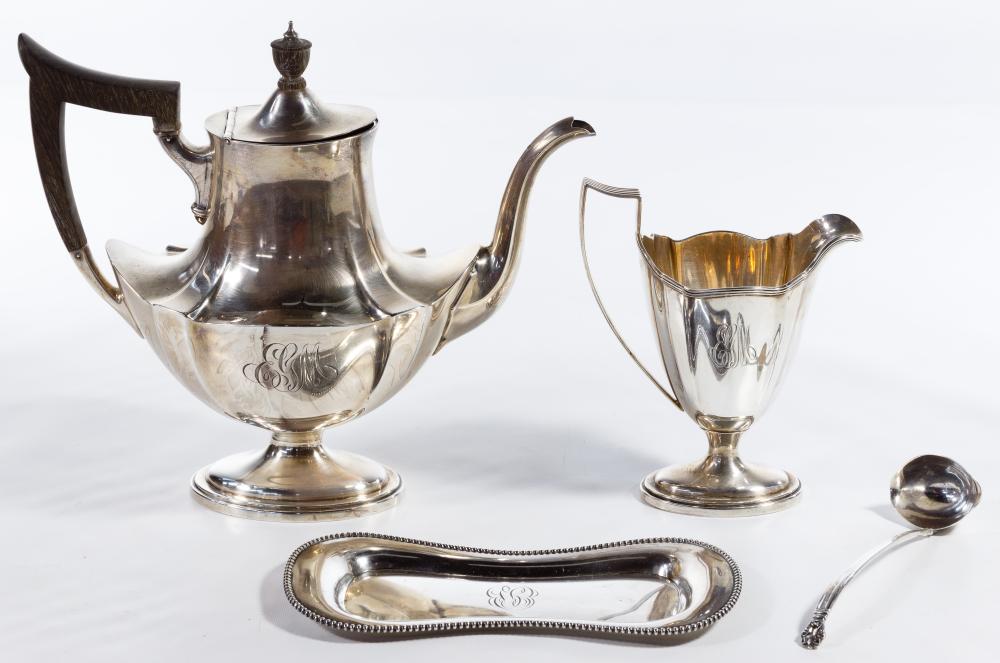 |
Sterling Silver Hollowware and Flatware Assortment | Leonard Auction | 2019-01-20 | 29 | USD 375 (buyer’s-premium treatment unknown) |
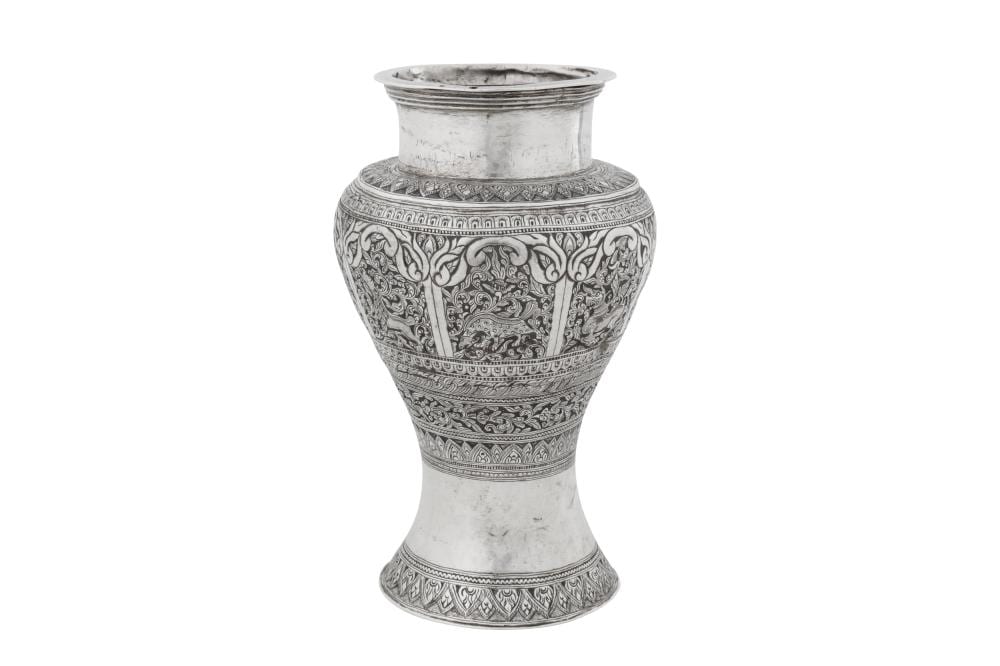 |
A late 19th / early 20th century Burmese silver vase, Shan States circa 1900 | Chiswick Auctions | 2025-06-11 | 179 | GBP 500 (buyer’s-premium treatment unknown) |
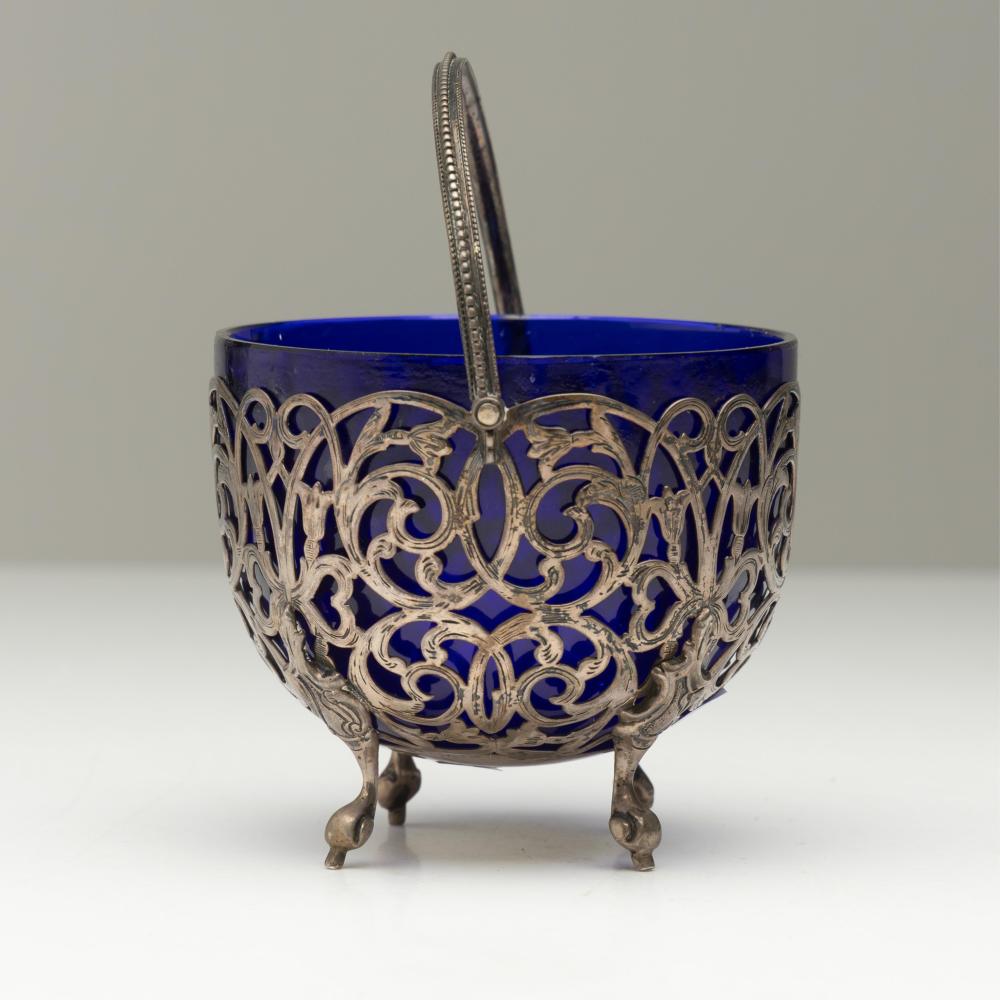 |
An English Victorian hallmarked sterling silver bowl with swing handle, Birmingham, c1858 By George Unite (H:9.5cm x Dia:10.5cm) (wt.176grams) | Lawsons | 2025-12-18 | 28 | AUD 350 (buyer’s-premium treatment unknown) |
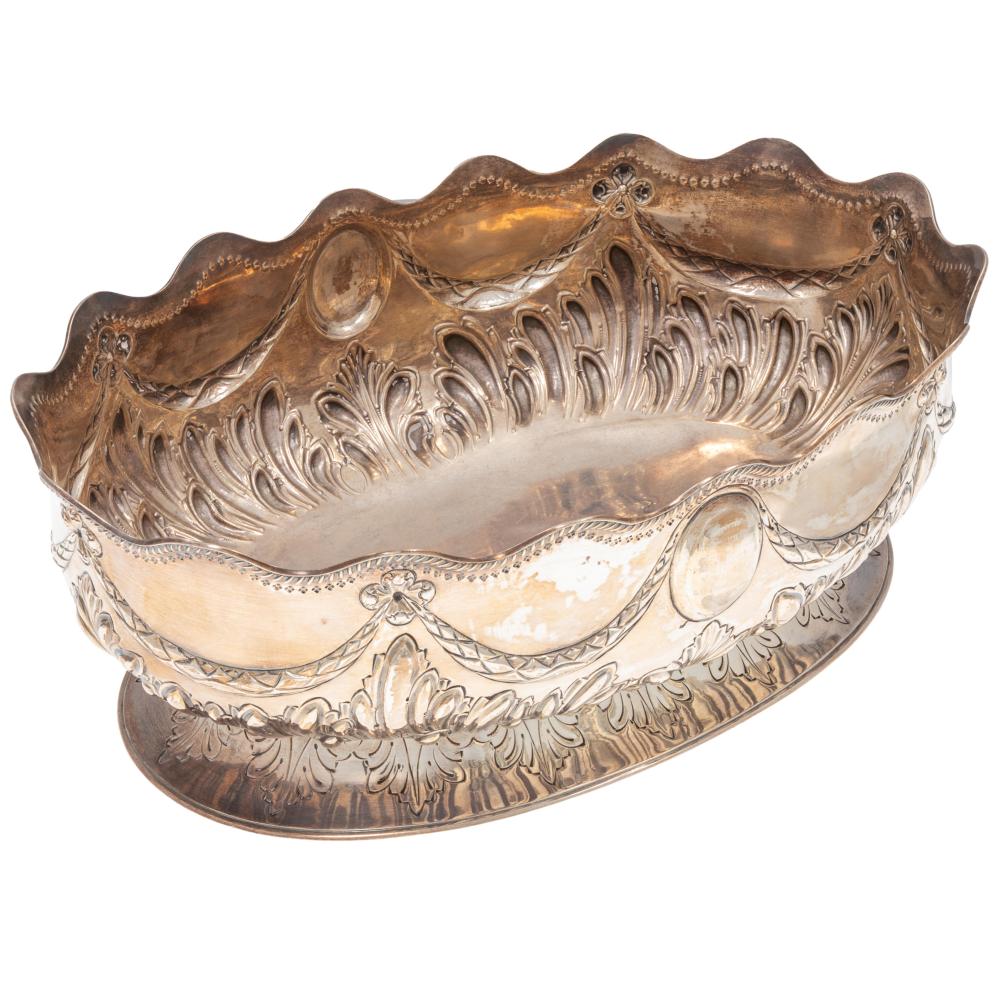 |
Victorian Sterling Silver Center Bowl | Fine Estate Inc. | 2025-01-19 | 158 | USD 800 (buyer’s-premium treatment unknown) |
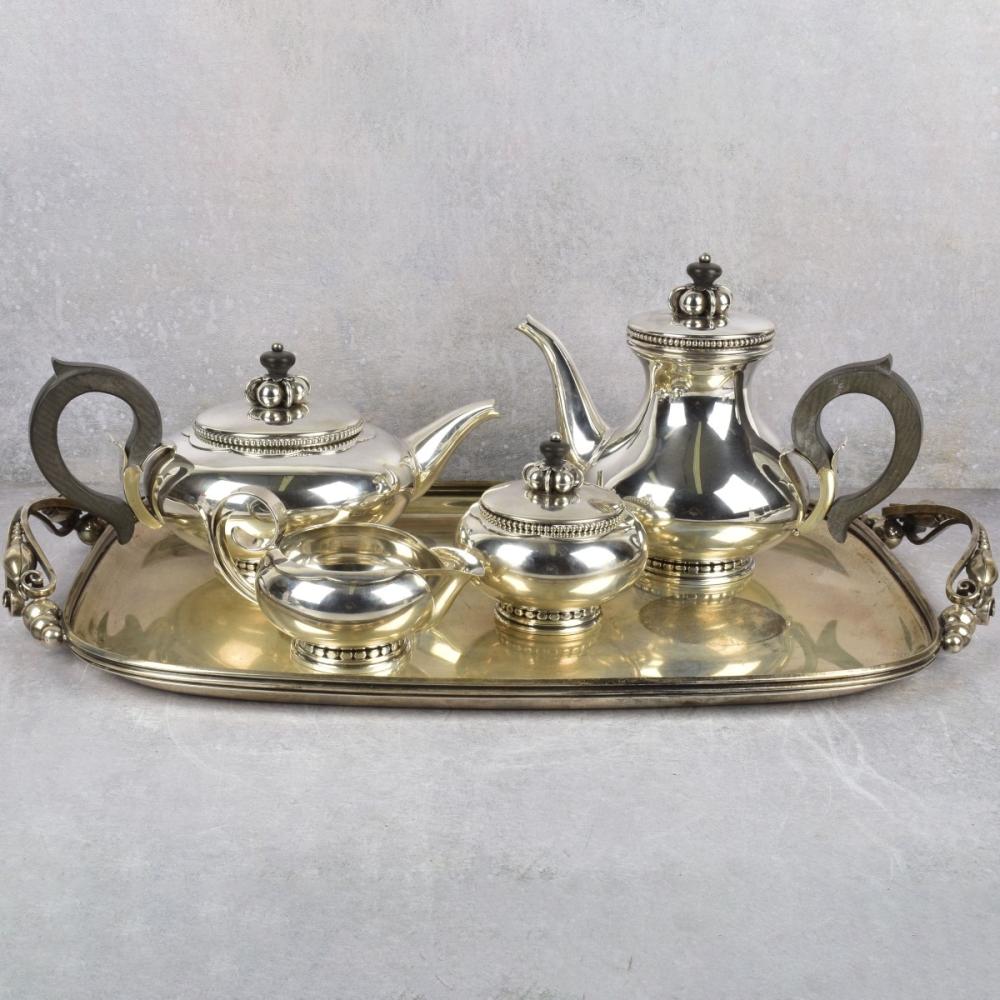 |
Alphonse La Paglia Sterling Silver Tea Set | Kodner Galleries | 2026-01-06 | 131 | USD 13,000 (buyer’s-premium treatment unknown) |
How these auction records were verified
Each row retains its exact source URL, lot identity, retrieval time, access result, and immutable record hash. Inspect the public comparable provenance record.
Disclosure: prices are shown as reported by auction houses and are provided for appraisal context. Learn more in our editorial policy.
Free instant estimate
Not sure if your item is worth appraising? Let us take a look.
Upload a photo, tell us what you know, and get a free first read. If a full appraisal makes sense, we will say so.
Free. No card needed. Takes about two minutes.
A Middle East Antique Silver Bowl From Circa 19th Century
A 19th-century Middle Eastern silver bowl sits at a crossroads of empire, trade, and craftsmanship. Whether you’re evaluating a family heirloom or a recent acquisition, understanding regional styles, construction methods, marks, inscriptions, and condition will determine authenticity and value. This guide focuses on practical, evidence-based appraisal steps tailored to bowls attributed to the Middle East circa 1800–1900.
The Regional Landscape: Ottoman, Qajar Persian, Arabian, and Caucasian Influences
“Middle East” in the 19th century spans overlapping artistic spheres. A bowl may have been made in one cultural center and sold in another, especially along maritime and caravan routes. Regional signatures to keep in mind:
Ottoman provinces (Istanbul/Constantinople, Bursa, Salonica, provincial Anatolia, the Levant): Expect refined hand-raised forms, chased arabesques, and epigraphic bands in Ottoman Turkish using Arabic script. Hallmarks can include the tughra (monogram) of the reigning sultan and a duty/assay stamp; many provincial wares are unmarked. Late-century urban workshops sometimes show more uniformity and, occasionally, numeric fineness.
Qajar Persia (Iran): Bowls may feature figural scenes, courtly subjects, or dense floral scrollwork. Inscriptions often in Persian using nasta’liq script, sometimes quoting poetry or benedictions. Hallmarks may include the lion-and-sun device, town or maker’s stamps, and a fineness number such as 84, 90, or 95 (often rendered in Persian/Arabic numerals). Many Qajar silver pieces are high purity relative to contemporary European coin silver.
Arabian Peninsula (Oman, Yemen, Gulf): Much silverwork here drew on coin silver, particularly the Maria Theresa Thaler (approx. .833 fine), melted and reworked. Jewelry and coffee cups are more common than bowls, but bowls do exist. Hallmarks are rare; construction may include robust sheet, sober forms, and punch-decorated panels. Yemeni and Omani silversmiths favored filigree, granulation, and stamped geometric patterns; inscriptions are less frequent than in Persian or Ottoman pieces.
Caucasus and Northern Persia (Dagestan, Tbilisi/Tiflis, Armenian workshops): Niello—black sulfurous inlay—on silver is a key indicator. Bowls with bold nielloed cartouches, geometric borders, or inscriptions often trace to Caucasian towns. Many 19th-century pieces from this zone bear Russian Imperial hallmarks (e.g., “84” zolotnik = .875 fine) with a city mark and assayer’s initials, reflecting the region’s incorporation into the Russian Empire.
The best attributions triangulate decoration, script, fabrication, and hallmarks. Avoid relying on a single feature.
Construction, Techniques, and Decorative Vocabulary
Knowing how a bowl was made reveals both age and origin.
Hand-raising and planishing: Most early to mid-19th-century bowls were raised from a flat sheet by hammering over stakes. Look for subtle, irregular planishing marks inside and out, especially where the curve tightens. Uniform concentric lines indicate later machine spinning.
Chasing and repoussé: Chasing refines details from the front; repoussé pushes forms from the back. Ottoman and Persian bowls often combine both, producing crisp arabesques, cloud collars, and palmettes. Toolmarks should vary in depth and rhythm; laser-etched or acid-resist reproductions look flat and unnaturally uniform.
Niello: A signature technique in the Caucasus and parts of northern Persia. Inlay appears as a dense, glassy black within engraved recesses. Quality niello sits flush with the silver, with clean margins. Pitted or smeared black “fill” is a red flag.
Parcel-gilding: Gold wash applied to interiors or reserves, common in Persian luxury wares. True old gilding often shows gentle wear on high points, with a warm tone. Bright, brassy, uniform gilding can be modern replate.
Filigree and granulation: More prevalent in Arabian Peninsula work. Filigree wires and tiny granules should be neatly soldered, with consistent patterns. Excess solder and misaligned motifs suggest later repairs or less refined workshop output.
Forms and rims: Sherbet bowls, footed tazzas, and hemispherical bowls with strengthening rims are typical. Rolled rims or applied wire rims are correct for the period; perfectly sharp, un-softened modern rims may indicate recent manufacture.
Inscriptions and scripts:
- Thuluth: Tall, sweeping curves; common on Ottoman decorative bands.
- Nasta’liq: Flowing and diagonal; the hallmark script of Persian poetry.
- Kufic revival: Angular, geometric—often used for Qur’anic or benedictory phrases in 19th-century revivalist pieces.
Translation of inscriptions, if present, can clarify function (e.g., “drink sweetly,” “with blessing”), ownership, or date dedications.
Hallmarks, Fineness, and Reading the Clues
Because hallmarking varied widely, marks are best read alongside stylistic analysis.
Ottoman: The tughra of the reigning sultan can appear, sometimes with a duty or assay stamp. Provincial pieces may lack marks altogether. Late-19th-century urban wares occasionally show fineness numerals, but consistency is spotty.
Qajar Persian: Look for a lion-and-sun device, town marks, maker stamps, and fineness numbers such as 84, 90, 95. Numerals may be in Persian (eastern Arabic) script. Many genuine marks are struck lightly; partial impressions are normal.
Caucasus/Russian Imperial: “84” zolotnik (.875 fine), a city mark (e.g., Tiflis/Tbilisi), an assayer’s initials, and sometimes a maker’s initials. These bowls can still be culturally “Middle Eastern” in design, especially if made by Armenian or Dagestani masters.
Arabian Peninsula: Typically unmarked. Fineness often approximates coin silver (.800–.850), particularly if Maria Theresa Thalers were the feedstock. The absence of marks is not disqualifying if the decoration and construction align.
Practical tests:
- Weight and specific gravity: Silver’s density is ~10.5 g/cm³. A well-weighted bowl with appropriate wall thickness is encouraging; underweighted, tinny examples often signal thin, modern production.
- Magnet: Silver is non-magnetic; any attraction suggests plating over a ferrous core.
- Acid/XRF: Acid spots can scar historical surfaces; reserve for non-critical areas and consider professional XRF for a non-destructive read of fineness and solder composition.
Dating, Authenticity, and Common Pitfalls
Distinguishing a 19th-century original from a 20th-century tourist piece requires pattern recognition:
Tool rhythm: Hand chasing leaves varied depths and minute slips; modern etched decoration is uniformly shallow with abrupt edges under magnification.
Interior surfaces: Hand-raised bowls display soft planishing and occasional stake shadows. Machine-spun interiors show circular lathe striations.
Patina and gilding: Authentic patina gathers in crevices and under rims; artificially “aged” bowls may have uniform darkening or chemical odors (sulfur). Period parcel-gilding shows gradated wear; new re-gilding can look overly bright and uniform.
Solder and joins: Historical solders (often with some lead/tin) can show dull, gray seams. Clean, homogenous silver joins with no color shift may be modern laser welds. Excessive interior solder blobs can indicate later repairs.
Mark forgeries: Fake Ottoman tughras and “84” marks are common. Compare the mark’s wear and strike strength to the surrounding surface. A deep, unworn stamp on a softly worn bowl is suspicious. Random mark placement far from logical positions (rim underside, base, or near handle attachments) is another warning sign.
Inscriptions: Meaningless letter strings, copied Qur’anic phrases with orthographic errors, or mixed scripts suggest a decorative rather than culturally rooted origin. A cursory translation by a specialist can be decisive.
- Hand-raised planishing vs. machine-spun concentric lines.
- Applied rims, foot construction, and solder seams.
Read the decoration:
- Chasing quality, depth, and rhythm.
- Technique presence: niello, parcel-gilt, filigree/granulation.
Inspect inscriptions and marks:
- Script type (thuluth, nasta’liq, kufic revival).
- Hallmarks: tughra/duty (Ottoman), lion-and-sun and fineness (Qajar), 84 with city/assayer (Caucasus), or absence (Arabian).
- Photograph marks with raking light.
Test prudently:
- Check magnetism (should be non-magnetic).
- Weigh and measure; assess proportional heft.
- Consider professional XRF for fineness if value merits.
Evaluate condition:
- Dents, splits, niello loss, over-polishing.
- Old repairs vs. fresh solder; gilding originality.
Context and provenance:
- Look for inscriptions with dates/dedications.
- Note old collection labels, receipts, or export stamps.
- Record dimensions, weight, and detailed photos.
Ethical and Legal Considerations
Be mindful of cultural property laws and post-conflict export restrictions that may affect certain regions. Acquire from reputable sources, retain documentation, and be transparent in descriptions. For items with religious inscriptions or potential ritual use, handle and present respectfully.
Short FAQ
Q: My bowl has “84” and Cyrillic initials—can it still be Middle Eastern? A: Yes. Many 19th-century Caucasian bowls (Dagestan, Tbilisi) serving Middle Eastern markets carry Russian Imperial 84 (.875) hallmarks alongside Islamic decorative vocabularies and inscriptions.
Q: How can I tell if a Yemeni or Omani bowl is coin silver? A: Hallmarks are rare. Indicators include robust sheet, punch-decorated geometric bands, minimal inscriptions, and a fineness near .800–.850. XRF testing can confirm if the alloy aligns with common coin-silver profiles.
Q: Is it safe to polish niello? A: Avoid chemical dips and abrasives. Use mild soap and water with a soft cloth, carefully keeping liquids away from open cracks. If the niello is fragile or missing, consult a conservator before cleaning.
Q: Should I remove dents and re-gild to improve value? A: Minor dent removal by a specialist can help; heavy reshaping or re-gilding risks reducing authenticity and value. Original surfaces and gilding are preferred. Any restoration should be documented.
Q: What single feature most strongly influences price? A: Quality of workmanship. Crisp, confident chasing or exceptional niello, supported by coherent regional traits and good condition, typically outperforms heavier but plain or over-polished examples.
By pairing a disciplined visual examination with measured testing and contextual knowledge, you can confidently assess a 19th-century Middle Eastern silver bowl—separating genuine regional craftsmanship from later imitations and presenting a defensible valuation.