Invader Auction Prices and Value Guide
Invader auction prices are tracked in Appraisily's artist market index, with source-directory coverage of 1,571 records. Use this page to review sold-lot activity, market context, and valuation factors before requesting a formal appraisal.
Invader auction prices: quick answer
Invader auction prices depend on medium, size, date, condition, provenance, edition details, attribution confidence, and recent comparable auction sales.
- Artist
- Invader
- Source records
- 1,571
- Market update
- 2026-02-06
Artist context
About Invader
Born
1969
Nationality
French
Invader (born 1969) is a pseudonymous French street artist who has been installing ceramic tile mosaics in public spaces around the world since 1998. He describes himself as an Unidentified Free Artist (UFA) and always appears masked, keeping his identity secret. His best-known works reproduce characters from classic 8-bit arcade games — especially Space Invaders, Pac-Man, and Super Mario Bros — as pixelated tile compositions fixed to building walls, bridges, and other urban surfaces. What began as a project to liberate art from museums has grown into a global campaign: by late 2020, his mosaics had appeared in 79 cities across 20 countries, each assigned a score in his self-documented invasion system. Collectors encounter Invader's work through gallery editions, prints, and rubikscubist pieces as well as the public mosaics themselves.
Street artUrban artCeramic tile mosaicsPixel art8-bit video game characters (Space Invaders, Pac-Man, Super Mario Bros)
Common works and media
Invader's most recognizable works are ceramic tile mosaics depicting 8-bit video game characters, installed on outdoor walls and urban surfaces worldwide. In gallery and auction contexts, collectors will also find screen prints, rubikscubist works (pixel art constructed from Rubik's Cubes), mosaic editions on panel, and published invasion maps and books documenting his citywide installations.
Market and appraisal context
Invader maintains a deep and active secondary market with 1,280 auction lots recorded since 2009, of which 660 carry realized prices. The auction footprint spans major houses including Christie's, Bonhams, Artcurial, and Tajan alongside specialist street-art sellers such as Tate Ward Auctions, Forum Auctions, and Roseberys. The price distribution is wide: the median stands at approximately €4,500 while the interquartile range runs from roughly €1,250 to €11,700, reflecting the diversity from small-edition screen prints at the low end to unique ceramic tile mosaics and large-scale rubikscubist works at the high end. A recorded maximum of €6,000,000 indicates that rare, large-format or historically significant pieces command premium prices. Liquidity remains strong — 85 lots appeared in the most recent 12-month window — though this is down from 324 in the prior 12-month period, suggesting a possible contraction in supply or a shift toward gallery-primary sales. Invasion Kits, screen-printed maps, rubikscubist portraits, and unique mosaics each occupy distinct price tiers, giving collectors multiple entry points.
Auction categories and appraisal factors
Common auction categories
- Ceramic tile mosaics
- Pixel art
- Street art
- Urban art
- Screen prints
Value drivers
- City of installation and geographic prominence of the mosaic location
- Medium: ceramic tile mosaics are the primary original work; studio editions, prints, and rubikscubist works also circulate
- Invasion score and wave number associated with the piece
- Medium and format: unique mosaics command significantly more than editioned Invasion Kits, screen prints, or vinyl multiples
- Edition size: smaller editions (e.g., 150) and artist proofs carry premiums over large editions (e.g., 1,000 or 5,000)
- City and wave of origin: mosaics from iconic invasion cities (Paris, Hong Kong, Los Angeles, London) with documented invasion scores tend to carry higher values
Appraisal caveats
- Many street-level mosaics are site-specific public installations that may not be removable or sellable as individual artworks
- Authentication can be complex because the artist's pseudonymous identity means works are verified through the artist's own FlashInvaders app and published maps rather than traditional provenance channels
- Market data for public street installations differs from studio-created editions and prints sold through galleries
- The 12-month lot count dropped from 324 to 85, a significant year-over-year decline that may reflect market contraction, a shift to primary gallery sales, or data-collection timing rather than reduced demand
Evidence
Sources for artist context
This source-grounded artist context passed Appraisily's promotion threshold: high confidence, strong sources.
- Wikidata library authority
- Wikipedia wikipedia
- VIAF library authority
- Library of Congress library authority
- Invader artist official site
Recent sale records
Selected public auction records currently in the Appraisily lot index. Use them as market context, then request a formal appraisal before you sell, insure, or donate.

invader french 1969 3d little big space 2022 · Tate Ward Auctions · 2026-06-24 invader french 1969 3d little big space 2022 Tate Ward Auctions · 2026-06-24
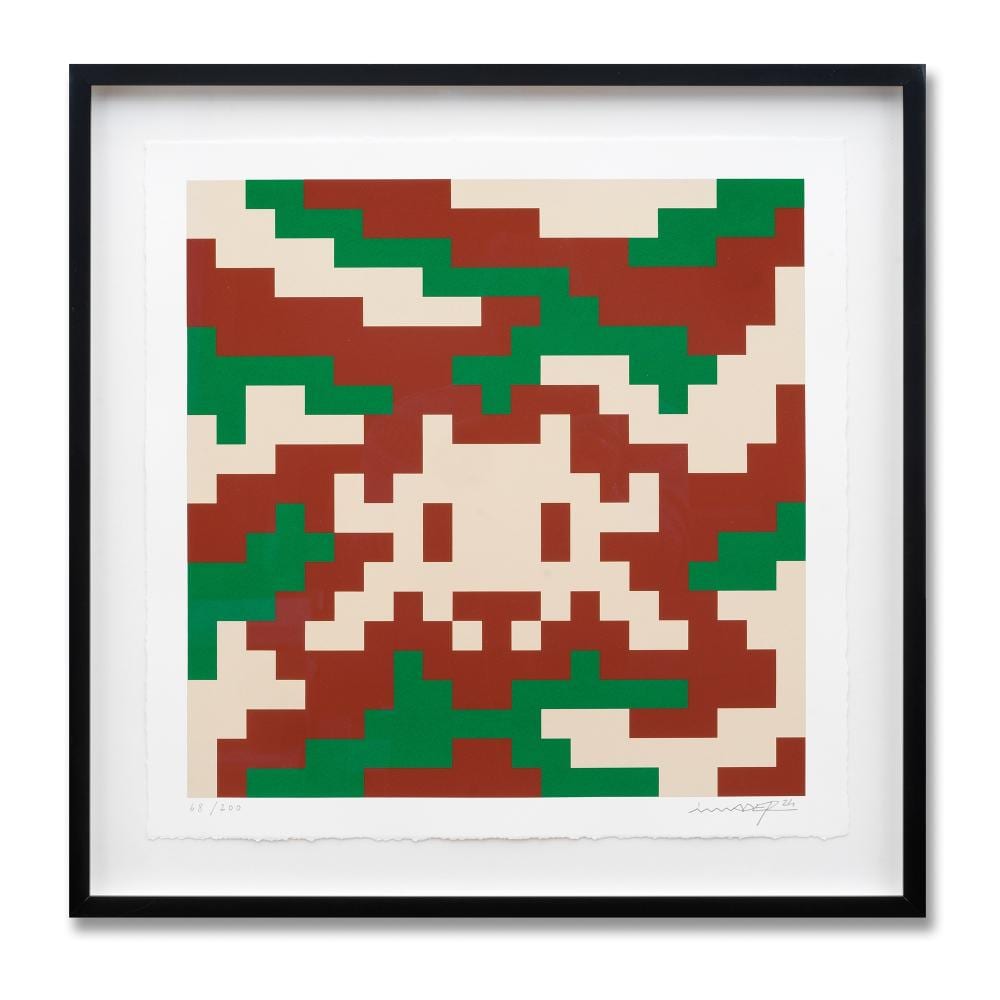
invader french 1969 camo s 3c m1 2024 · Tate Ward Auctions · 2026-06-24 invader french 1969 camo s 3c m1 2024 Tate Ward Auctions · 2026-06-24
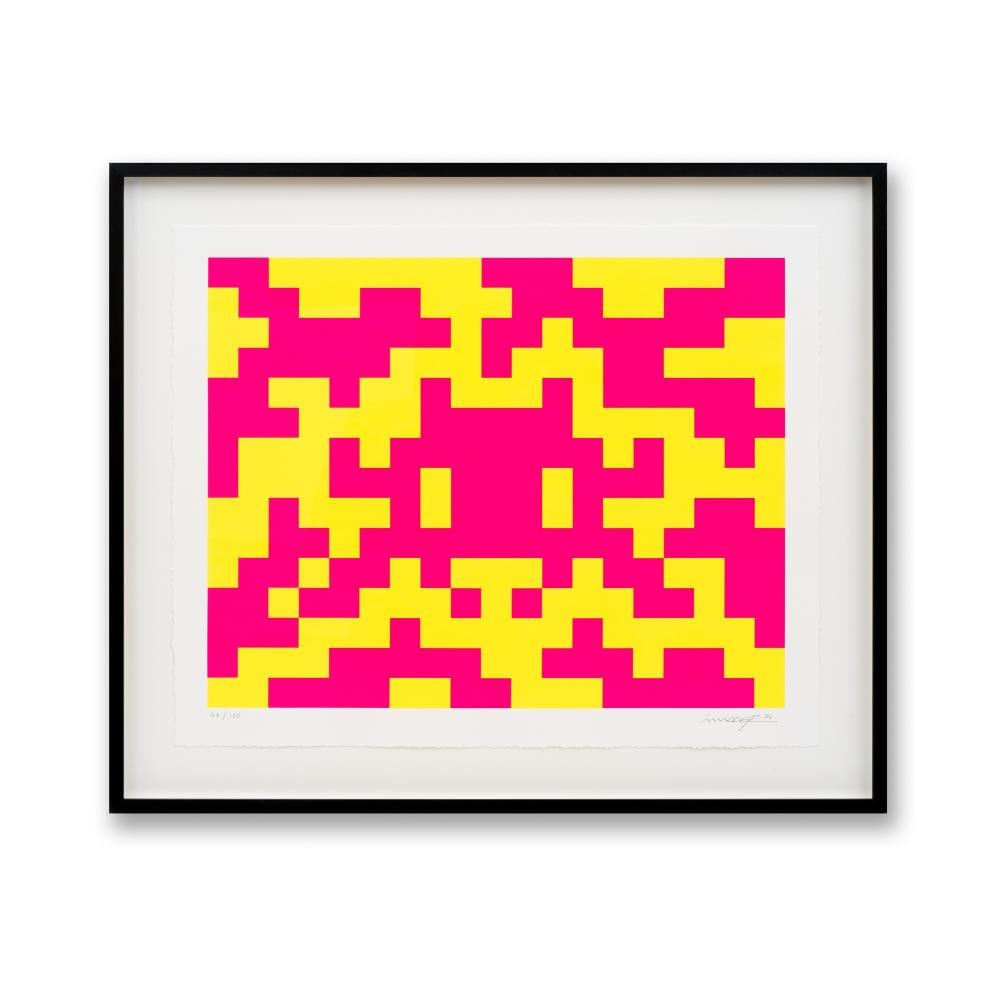
invader french 1969 camo m 2c m1 2024 · Tate Ward Auctions · 2026-06-24 invader french 1969 camo m 2c m1 2024 Tate Ward Auctions · 2026-06-24
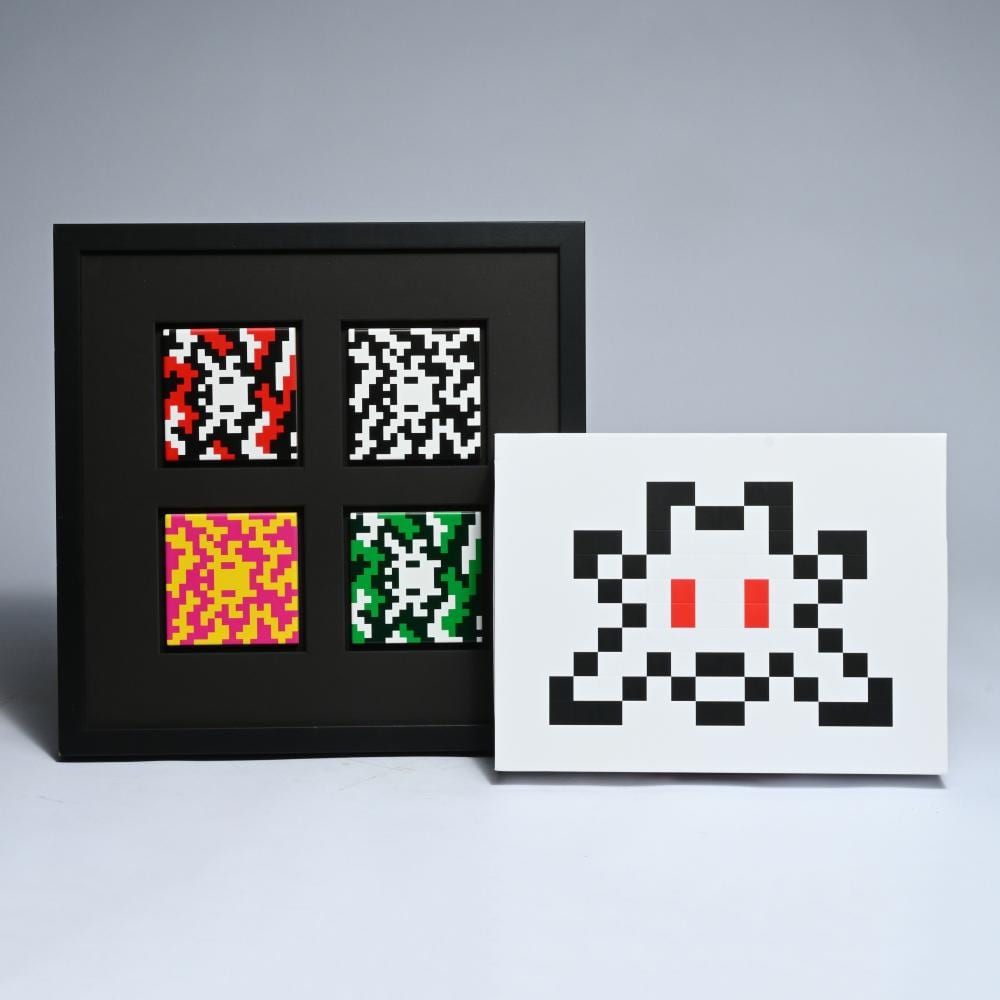
invader 1969 camo tiles and invader 3d litlle big space · Maison Jules Veilinghuis · 2026-06-22 invader 1969 camo tiles and invader 3d litlle big space Maison Jules Veilinghuis · 2026-06-22
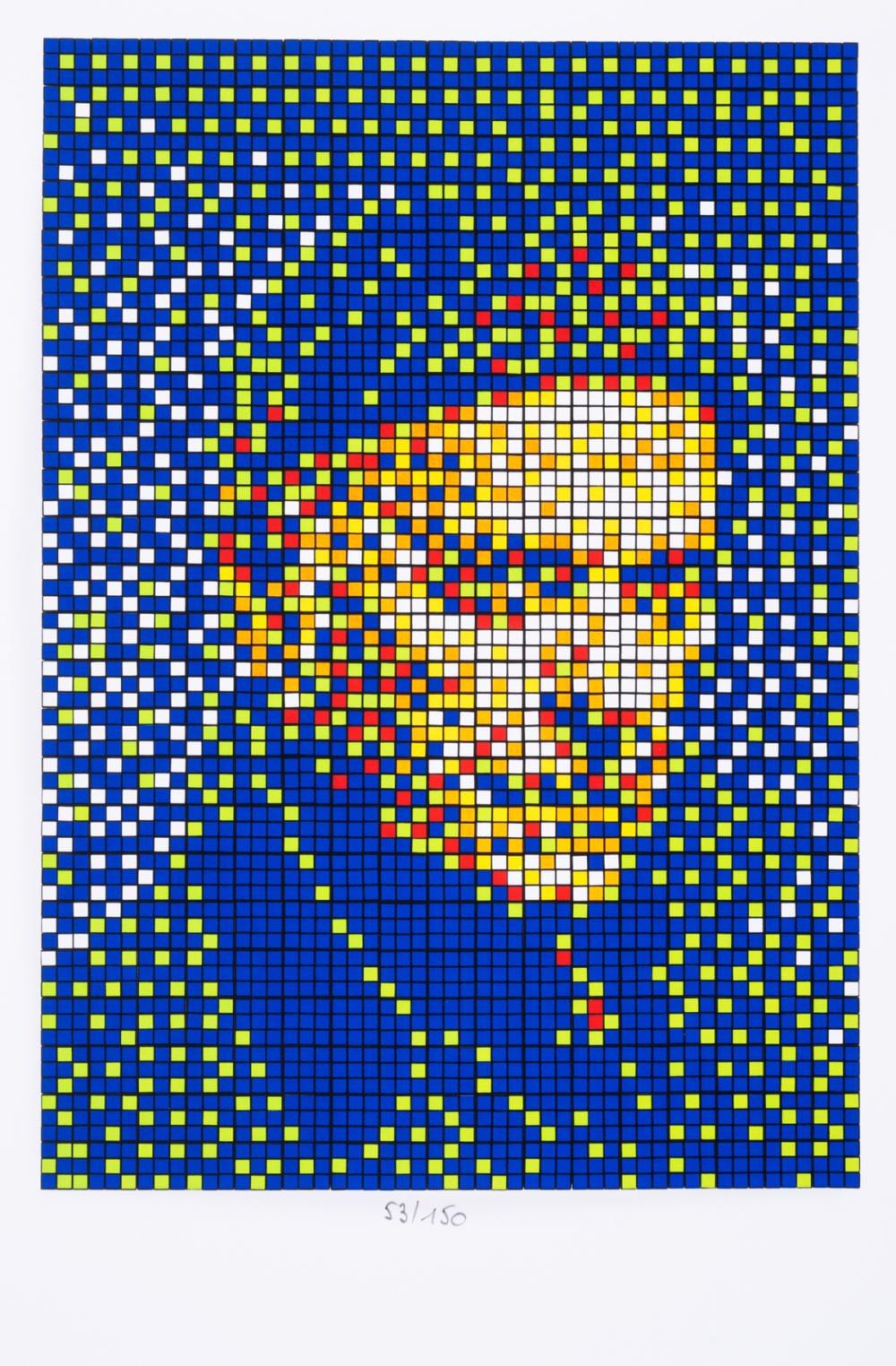
invader b 1969 portrait of enik bilal · Forum Auctions - UK · 2026-06-17 invader b 1969 portrait of enik bilal Forum Auctions - UK · 2026-06-17
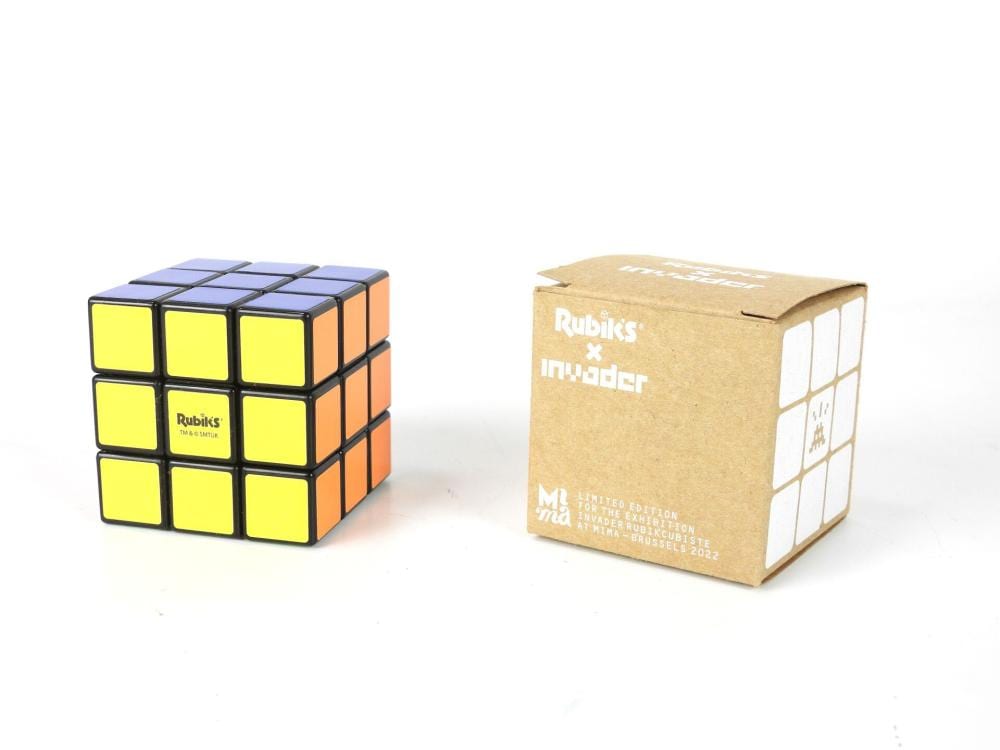
space invader n en 1969 · Pousse-Cornet · 2026-06-06 space invader n en 1969 Pousse-Cornet · 2026-06-06
Data basis
This page is built from Appraisily's public auction market index. Private transactions, incomplete sale feeds, and attribution changes may not be fully represented.
Artist value FAQ
How much is Invader worth?
Comparable public auction sales are the best starting point, but final value depends on the specific artwork, condition, size, medium, provenance, and attribution confidence.
Can Appraisily value my Invader artwork?
Yes. Appraisily can review photos, dimensions, signatures, condition, provenance, and comparable market data to prepare a current valuation.