Charles James Lewis Auction Prices and Value Guide
Charles James Lewis auction prices are tracked in Appraisily's artist market index, with source-directory coverage of 204 records. Use this page to review sold-lot activity, market context, and valuation factors before requesting a formal appraisal.
Charles James Lewis auction prices: quick answer
Charles James Lewis auction prices depend on medium, size, date, condition, provenance, edition details, attribution confidence, and recent comparable auction sales.
- Artist
- Charles James Lewis
- Source records
- 204
- Market update
- 2026-02-06
Charles James Lewis market snapshot
Charles James Lewis shows developing auction liquidity with 49 tracked lots. Median realized sale is around $1,000. Category concentration is still broad or sparse. Last 12 months recorded 1 sales. Latest recorded sale: 2025-10-28.
Realized price distribution
- Under $1,000 (40.6% · 13 sales)
- $1,000 to $10,000 (53.1% · 17 sales)
- $10,000+ (6.3% · 2 sales)
- Median sale (last 12 months)
- $1,900
- Sales recorded (last 12 months)
- 1
- Median shift vs prior year
- +100.0%
- Latest recorded sale
- 2025-10-28
Artist context
About Charles James Lewis
Born
1830
Died
1892
Nationality
English
Charles James Lewis (1830–1892) was an English painter who worked in both oils and watercolours. Born in London, he became known for landscape subjects that reflect the Victorian-era tradition of naturalistic British landscape painting. Lewis exhibited widely during his lifetime and his work demonstrates the period's interest in pastoral scenery, coastal views, and rural settings rendered with careful attention to light and atmosphere. He died in Chelsea on 28 February 1892. Lewis is recorded in major scholarly references including Bénézit's Dictionnaire critique et documentaire des peintres and the Witt Checklist of British Artists, confirming his recognized place within the Victorian painting tradition. With over 200 works documented in auction databases, collectors encounter his paintings with some regularity on the secondary market.
oil paintingwatercolourlandscape
Common works and media
Lewis is best known for landscape paintings executed in both oil and watercolour. Common subjects include rural countryside views, coastal scenes, pastoral settings, and figure compositions within landscape settings. Watercolour studies and drawings also appear in auction records. Collectors may encounter framed watercolours, cabinet-sized oil paintings, and occasional larger exhibition-scale pieces.
Market and appraisal context
Lewis's paintings appear regularly at auction, where landscape compositions in oil and watercolour are the most commonly encountered categories. Factors that may affect appraisal include the medium, with oils generally commanding higher values than works on paper, as well as the size, condition, and compositional quality of the landscape subject. Provenance linking a work to a notable collection or exhibition history can also add significance. As with many Victorian landscape painters, the market is moderate, and attribution is best confirmed through signature examination, style analysis, and reference to published catalogues such as Bénézit and the Witt Checklist.
Auction categories and appraisal factors
Value drivers
- Medium: oil paintings generally command higher prices than watercolours
- Subject quality and condition of the landscape composition
- Provenance and exhibition history
- Attribution confirmed through signature, style, and scholarly reference (Bénézit, Witt Checklist)
Appraisal caveats
- Lewis's birth year is reported as both 1830 and 1836 in authoritative sources; the RKD records this conflict without resolution.
- The market for Lewis's work is moderate within the broader Victorian landscape category; prices vary significantly by medium, size, and condition.
Evidence
Sources for artist context
This source-grounded artist context passed Appraisily's promotion threshold: high confidence, strong sources.
- RKD — Netherlands Institute for Art History library authority
- Wikidata library authority
- Getty Vocabulary Program library authority
- VIAF (OCLC) library authority
- Wikipedia wikipedia
Recent sale records
Selected public auction records currently in the Appraisily lot index. Use them as market context, then request a formal appraisal before you sell, insure, or donate.
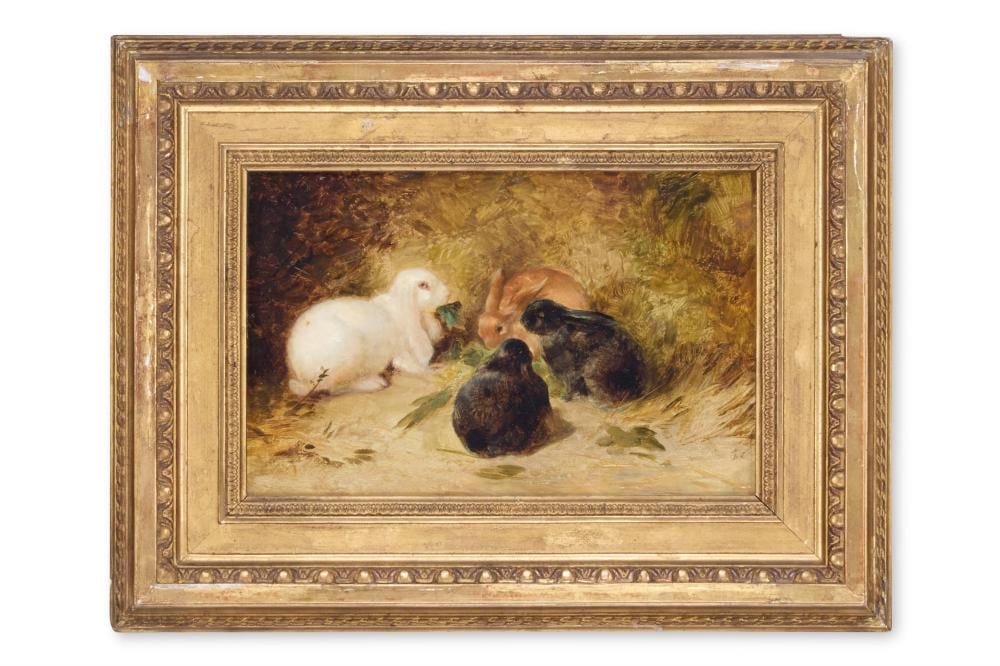
charles james lewis british 1830 1892 four rabbits grazing · Dreweatts 1759 Fine Sales · 2025-10-28 charles james lewis british 1830 1892 four rabbits grazing Dreweatts 1759 Fine Sales · 2025-10-28
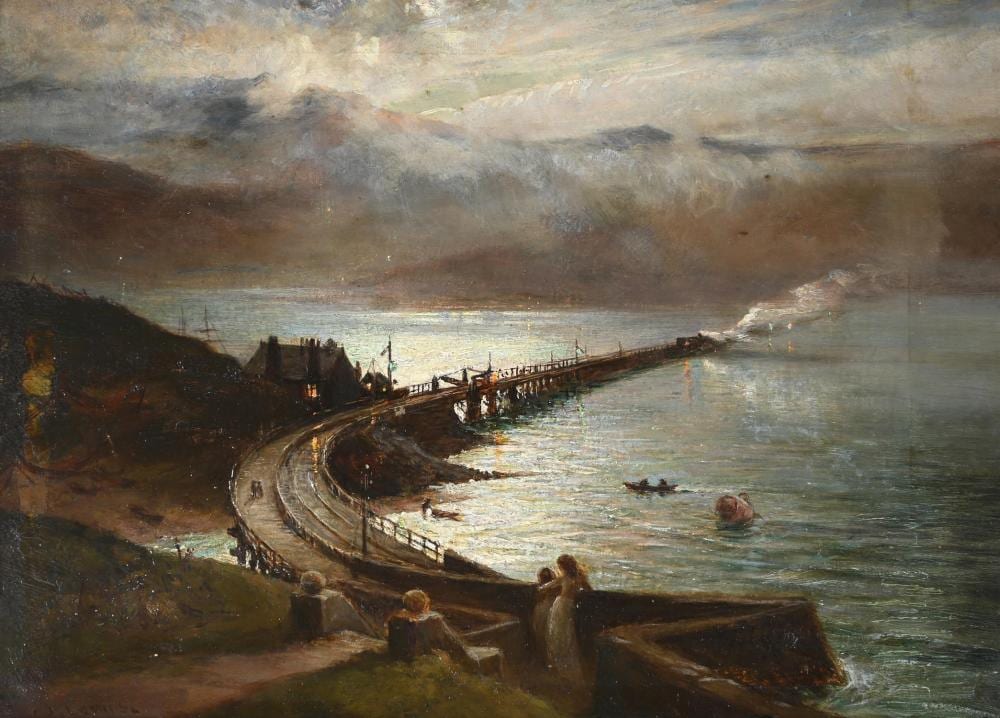
charles james lewis british 1830 1892 moonlight barmouth north · Dreweatts 1759 Fine Sales · 2025-02-11 charles james lewis british 1830 1892 moonlight barmouth north Dreweatts 1759 Fine Sales · 2025-02-11
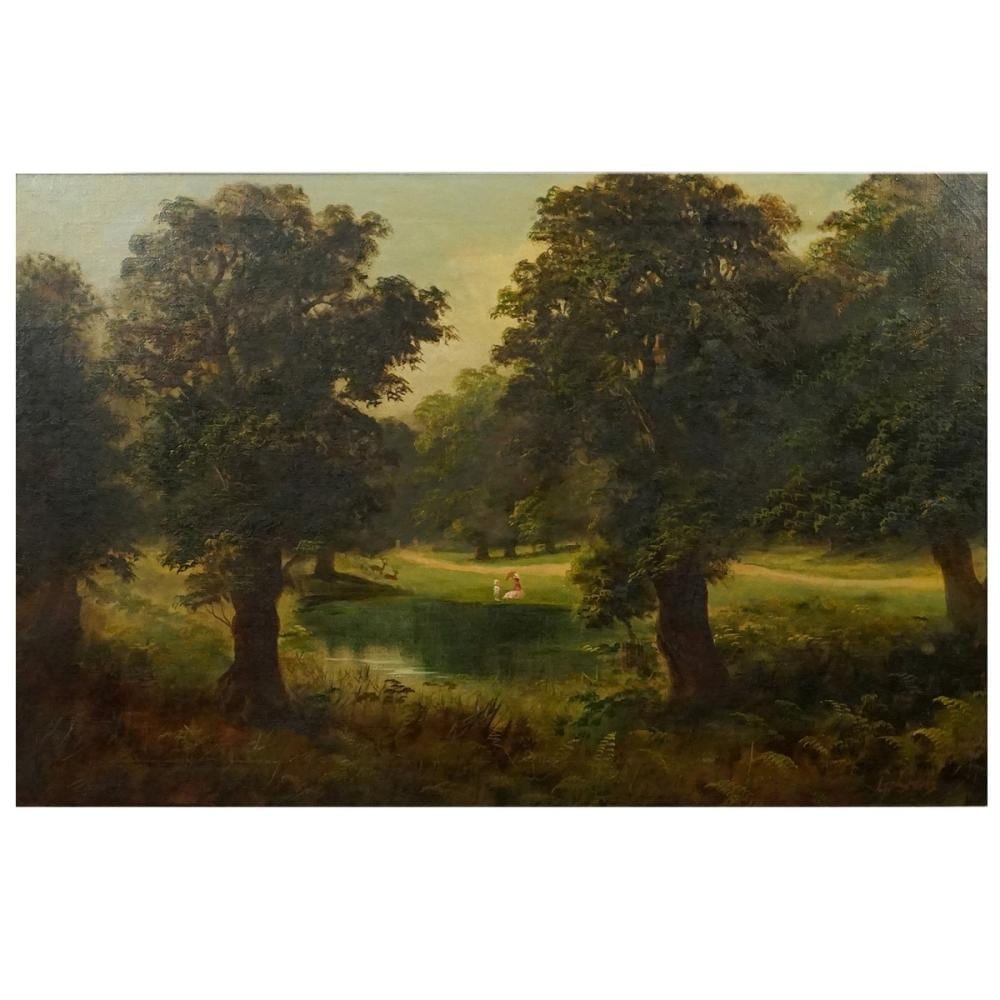
charles james lewis 1830 1892 · Kodner Galleries · 2021-11-10 charles james lewis 1830 1892 Kodner Galleries · 2021-11-10
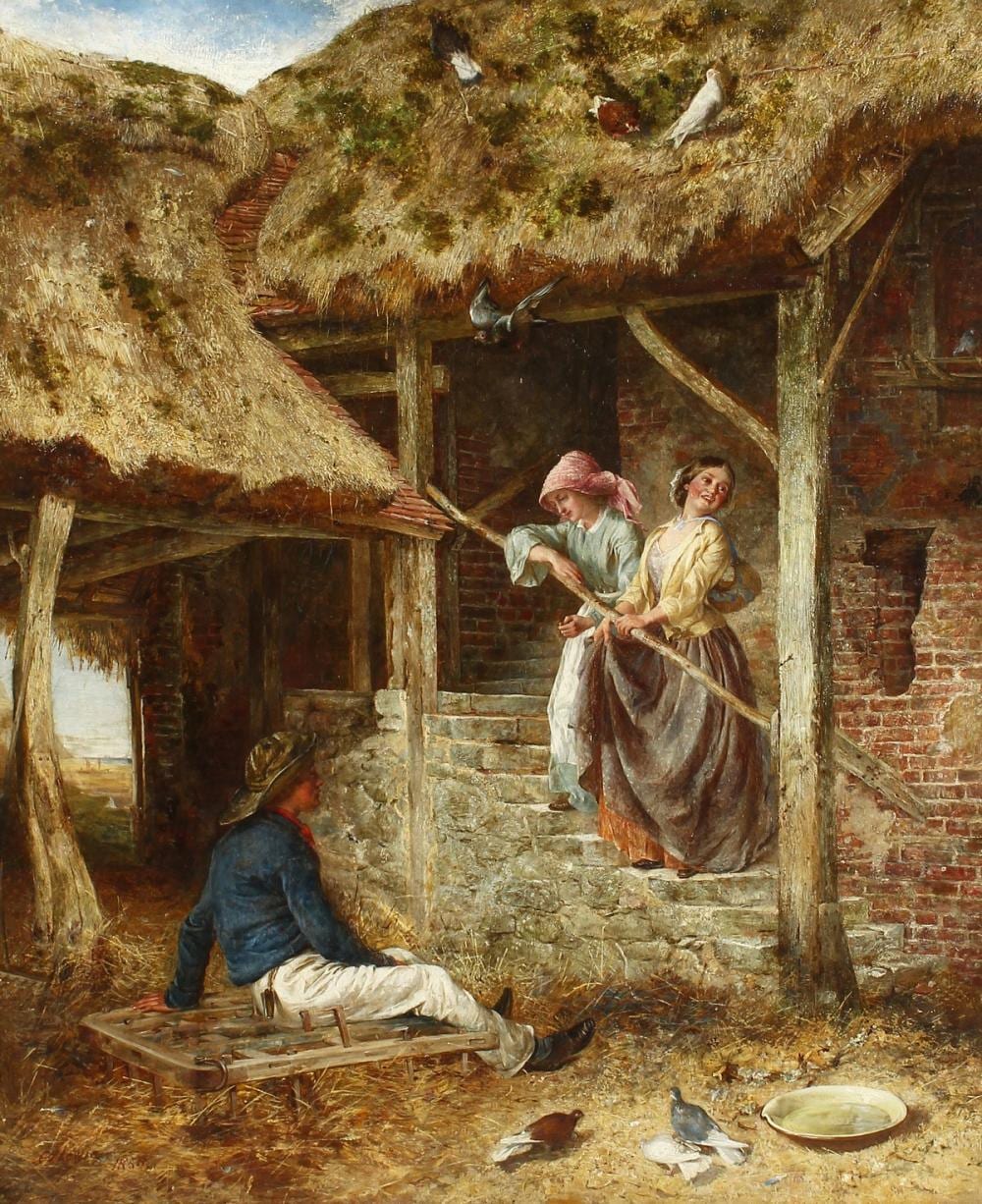
charles james lewis 1830 1892 british a scene of three wistful figures in a barnyard setting with a coasta · John Nicholson's Fine Art Auctioneers & Valuers · 2020-11-04 charles james lewis 1830 1892 british a scene of three wistful figures in a barnyard setting with a coasta John Nicholson's Fine Art Auctioneers & Valuers · 2020-11-04

charles james lewis 1830 1892 magpie island 1867 · Whyte's · 2019-09-16 charles james lewis 1830 1892 magpie island 1867 Whyte's · 2019-09-16
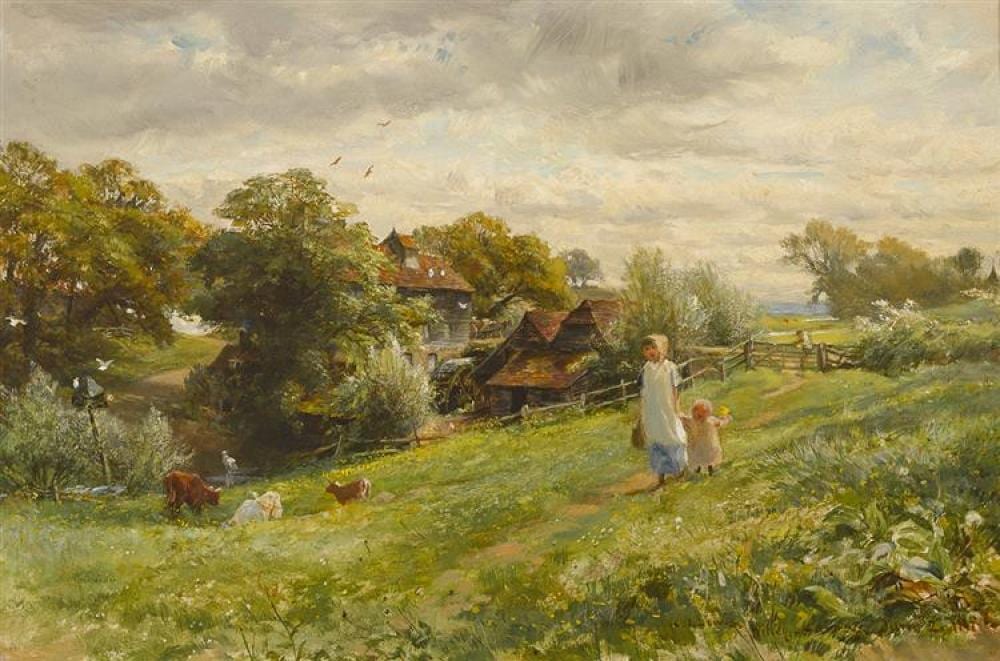
charles james lewis 1830 1892 witley surrey 1886 · Whyte's · 2019-09-16 charles james lewis 1830 1892 witley surrey 1886 Whyte's · 2019-09-16
Data basis
This page is built from Appraisily's public auction market index. Private transactions, incomplete sale feeds, and attribution changes may not be fully represented.
Artist value FAQ
How much is Charles James Lewis worth?
Comparable public auction sales are the best starting point, but final value depends on the specific artwork, condition, size, medium, provenance, and attribution confidence.
Can Appraisily value my Charles James Lewis artwork?
Yes. Appraisily can review photos, dimensions, signatures, condition, provenance, and comparable market data to prepare a current valuation.