Carleton E. Watkins Auction Prices and Value Guide
Carleton E. Watkins auction prices are tracked in Appraisily's artist market index, with source-directory coverage of 439 records. Use this page to review sold-lot activity, market context, and valuation factors before requesting a formal appraisal.
Carleton E. Watkins auction prices: quick answer
Carleton E. Watkins auction prices depend on medium, size, date, condition, provenance, edition details, attribution confidence, and recent comparable auction sales.
- Artist
- Carleton E. Watkins
- Source records
- 439
- Market update
- 2026-02-16
Carleton E. Watkins market snapshot
Carleton E. Watkins shows deep auction liquidity with 196 tracked lots. Median realized sale is around $10,625. Category concentration is still broad or sparse. Last 12 months recorded 9 sales. Latest recorded sale: 2025-11-27.
Realized price distribution
- Under $1,000 (12.2% · 16 sales)
- $1,000 to $10,000 (35.9% · 47 sales)
- $10,000+ (51.9% · 68 sales)
- Median sale (last 12 months)
- $225
- Sales recorded (last 12 months)
- 9
- Median shift vs prior year
- 0.0%
- Latest recorded sale
- 2025-11-27
Artist context
About Carleton E. Watkins
Born
1829
Died
1916
Nationality
American
Also known as
Carleton Emmons Watkins, C.E. Watkins, Eugene Watkins
Carleton E. Watkins (1829–1916) was a pioneering American photographer whose large-format landscape images of the American West helped define the visual language of 19th-century expeditionary photography. Born in Oneonta, New York, Watkins moved to California during the Gold Rush era and learned photography in San Francisco studios during the 1850s. He is best known for his mammoth-plate albumen prints of Yosemite Valley, images that were instrumental in persuading Congress to grant Yosemite federal protection and later national park status. Over a career spanning roughly four decades, Watkins also documented San Francisco, the Pacific Coast, mining operations, and agricultural estates. His work is held in the permanent collections of major institutions including the Museum of Modern Art, the J. Paul Getty Museum, and the Library of Congress. Watkins is widely regarded as one of the most important American photographers of the 19th century.
19th-century American landscape photographyalbumen silver printsmammoth plate photographsstereographsdaguerreotypesYosemite ValleyWestern American landscapesSan Francisco and California scenesmining and industrial development in the American West
Common works and media
Watkins's body of work spans several photographic formats and subjects. Mammoth-plate albumen prints, produced from large glass negatives, are the most celebrated and valuable, typically depicting Yosemite Valley, the Mariposa Grove, and the Sierra Nevada. Stereographic views of Western landscapes, San Francisco city scenes, mining operations, and agricultural properties were produced in greater numbers and appear frequently on the market. Mounted albumen prints of California missions, the Columbia River, and Pacific Coast scenery are also common. Collectors may also encounter cartes de visite and cabinet cards from his San Francisco portrait studio period. Subjects include geological formations, giant sequoias, waterfalls, railroad construction, and surveyed landscapes produced for government and commercial commissions.
Market and appraisal context
Carleton E. Watkins's auction market is well-established, with 196 documented lots spanning from 2001 through late 2025 across at least ten named auction houses including Christie's, Sotheby's, Swann Auction Galleries, and Bonhams. Of these, 131 carry recorded prices, yielding a clear picture of value stratification. The market divides sharply by format: mammoth-plate albumen prints of Yosemite and Western landscapes anchor the top of the range at up to $329,000, while the interquartile spread ($3,500–$28,800) reflects healthy mid-market activity for mounted albumen prints and select stereograph groups. Smaller and later prints, mixed-attribute lots, and works with co-attributions (e.g., Isaiah W. Taber) tend to realize below the 25th percentile. Liquidity is steady, with 7–8 lots appearing annually in recent years, predominantly at Swann Auction Galleries and Chiswick Auctions. The price floor near $73 corresponds to minor or fragmentary works; the ceiling reflects premium mammoth-plate Yosemite views at top-tier houses. Overall, Watkins occupies a mature and liquid segment of the 19th-century American photography market, with recognized anchor houses and a transparent value hierarchy tied to format and subject.
Auction categories and appraisal factors
Common auction categories
- albumen silver prints
- mammoth plate photographs
- stereographs
- wet collodion negatives
- vintage photographic prints
Value drivers
- Medium and print type: mammoth plate albumen prints command significantly higher values than smaller formats or stereographs.
- Subject matter: Yosemite and Western landscape views are the most sought-after subjects.
- Condition and provenance: many Watkins negatives were destroyed in the 1906 San Francisco earthquake and fire, making surviving prints rarer and more valuable.
- Attribution: Watkins's work is sometimes confused with contemporaries; authoritative catalogue attribution affects value.
- Format and size: mammoth-plate prints (produced from large glass negatives, typically exceeding 15 × 20 inches) command the highest values; the dataset ceiling of $329,000 corresponds to this tier, while stereographs and smaller prints cluster well below $1,000.
- Subject: Yosemite Valley views (especially iconic formations like El Capitan, Cathedral Rocks, the Three Brothers, and the Grizzly Giant) are the most sought-after; Columbia River, San Francisco, and California mission subjects trade at modestly lower levels.
Appraisal caveats
- Watkins's financial records and studio were largely destroyed in the 1906 earthquake, so provenance documentation can be difficult to trace.
- Reproductions and later prints from surviving negatives exist; collectors should verify print date and process.
- Market values vary widely between stereographs (more common and modestly priced) and mammoth plate prints (which can reach high six-figure results at auction).
- The auction-record dataset covers 196 lots over 24 years, but does not include private-sale transactions or gallery prices, which may represent a different value tier.
Evidence
Sources for artist context
This source-grounded artist context passed Appraisily's promotion threshold: high confidence, strong sources.
- Library of Congress library authority
- RKD Netherlands Institute for Art History library authority
- Wikidata library authority
- VIAF library authority
- Getty Vocabulary Program library authority
- The Museum of Modern Art museum or university
Recent sale records
Selected public auction records currently in the Appraisily lot index. Use them as market context, then request a formal appraisal before you sell, insure, or donate.
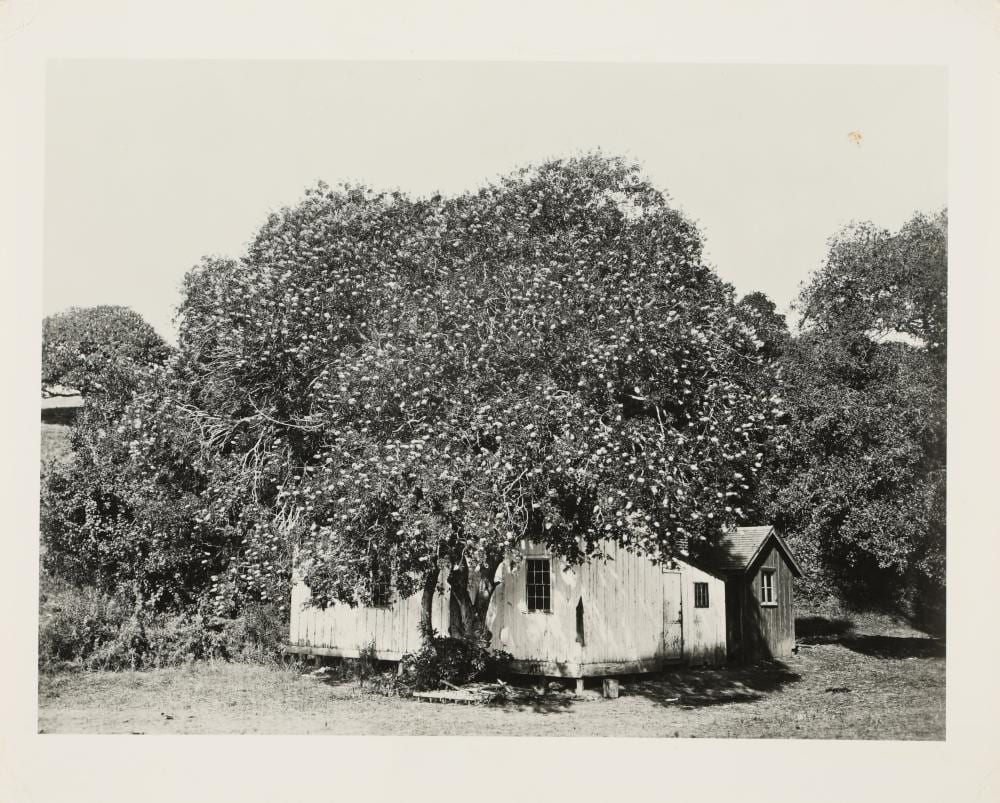
carleton e watkins 1829 1916 buckeye tree california circa 1870 · Hessink's · 2026-04-14 carleton e watkins 1829 1916 buckeye tree california circa 1870 Hessink's · 2026-04-14
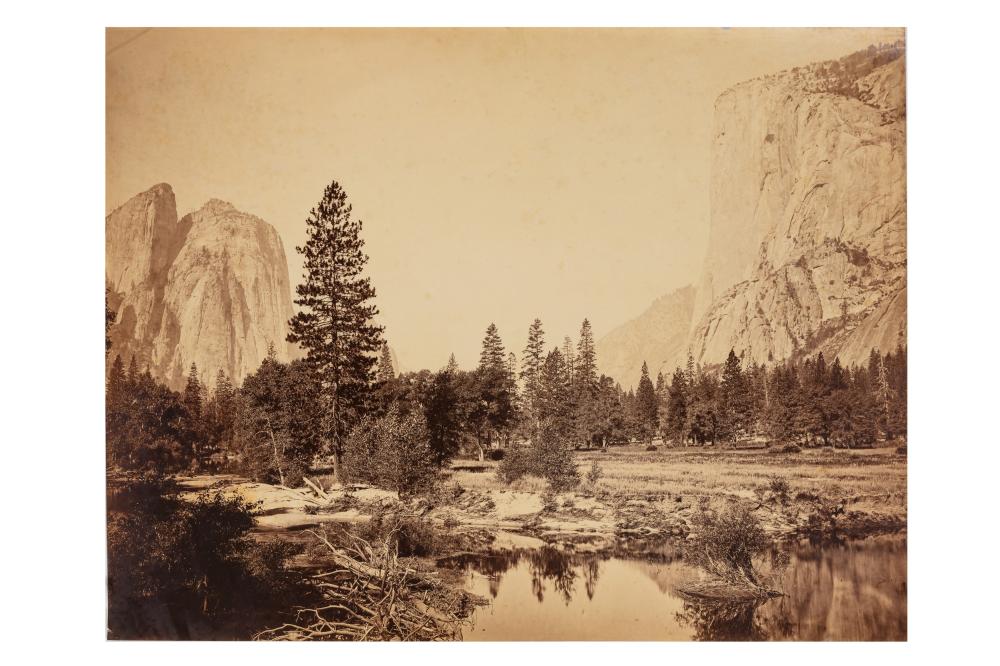
carleton e watkins 1829 1916 down the valley yosemite cathedral rocks el capitan yosemite 1865 66 · Chiswick Auctions · 2025-11-27 carleton e watkins 1829 1916 down the valley yosemite cathedral rocks el capitan yosemite 1865 66 Chiswick Auctions · 2025-11-27
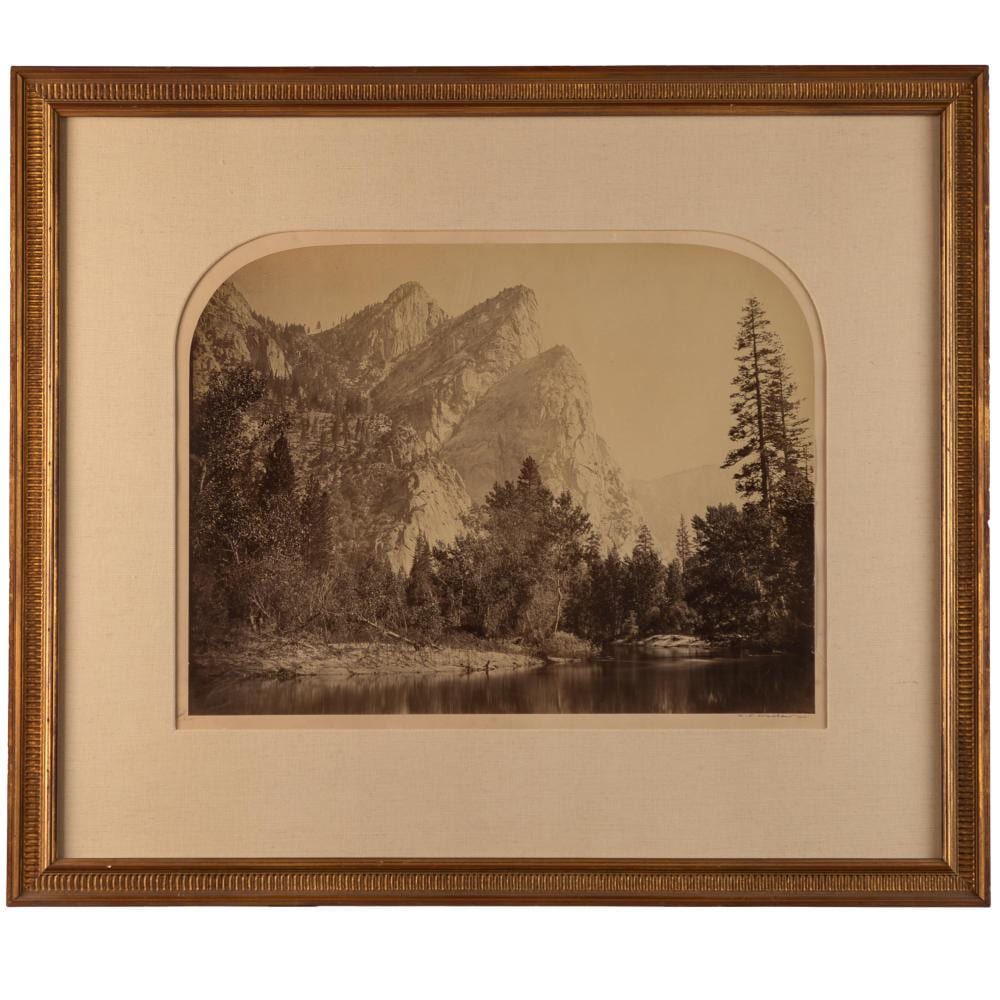
carleton e watkins american 1829 1916 · Fine Estate Inc. · 2025-09-21 carleton e watkins american 1829 1916 Fine Estate Inc. · 2025-09-21
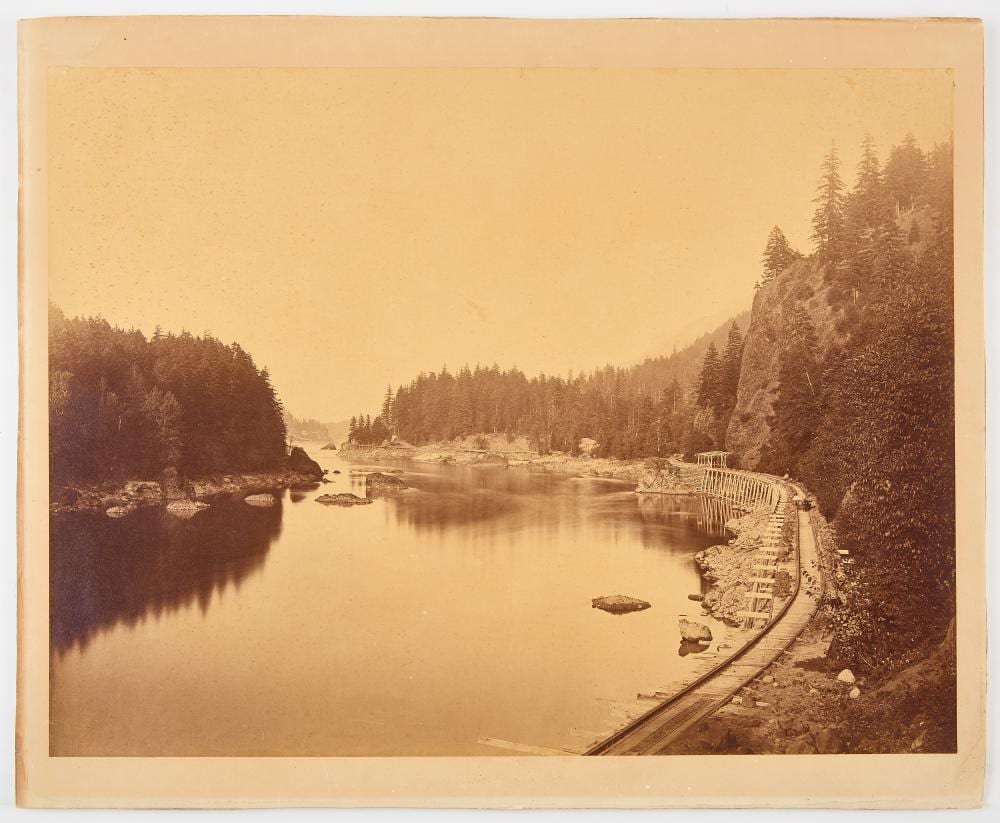
carleton e watkins oregon portage railroad along columbia river photograph · New England Auctions · 2025-06-19 carleton e watkins oregon portage railroad along columbia river photograph New England Auctions · 2025-06-19
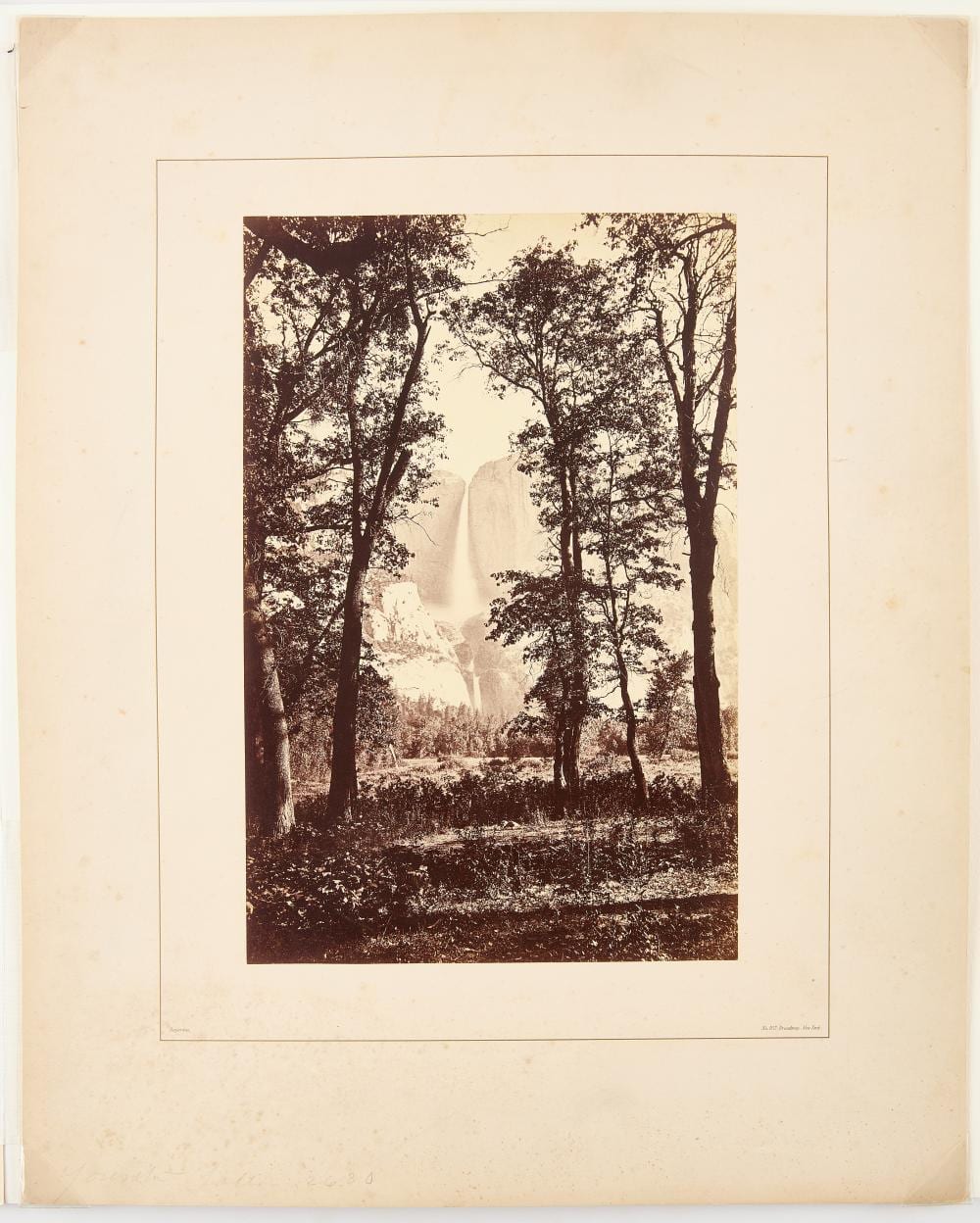
carleton e watkins yosemite falls at a distance · New England Auctions · 2025-06-19 carleton e watkins yosemite falls at a distance New England Auctions · 2025-06-19
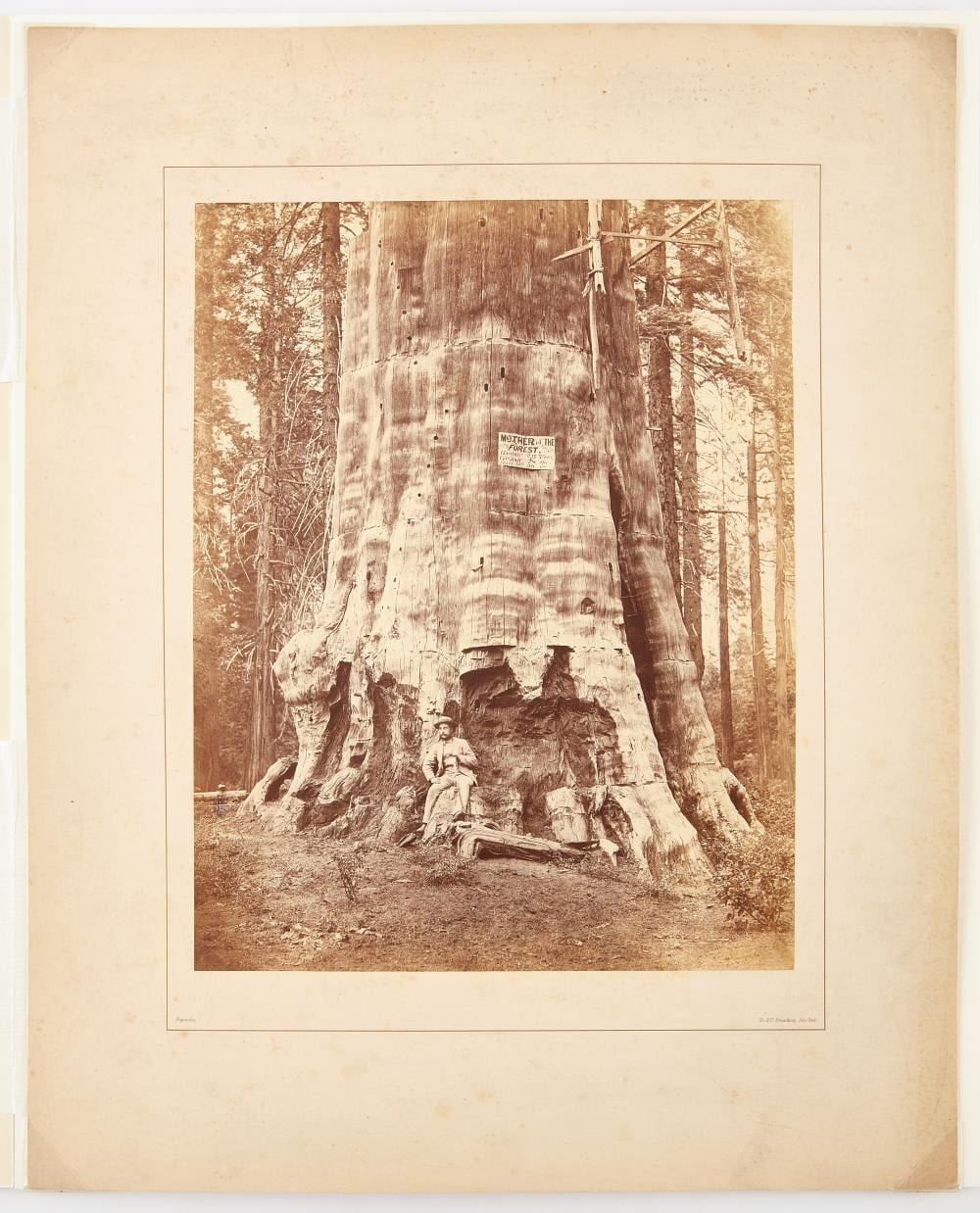
carleton e watkins mother of the forest photograph · New England Auctions · 2025-06-19 carleton e watkins mother of the forest photograph New England Auctions · 2025-06-19
Data basis
This page is built from Appraisily's public auction market index. Private transactions, incomplete sale feeds, and attribution changes may not be fully represented.
Artist value FAQ
How much is Carleton E. Watkins worth?
Comparable public auction sales are the best starting point, but final value depends on the specific artwork, condition, size, medium, provenance, and attribution confidence.
Can Appraisily value my Carleton E. Watkins artwork?
Yes. Appraisily can review photos, dimensions, signatures, condition, provenance, and comparable market data to prepare a current valuation.