Andrea Mantegna Auction Prices and Value Guide
Andrea Mantegna auction prices are tracked in Appraisily's artist market index, with source-directory coverage of 237 records. Use this page to review sold-lot activity, market context, and valuation factors before requesting a formal appraisal.
Andrea Mantegna auction prices: quick answer
Andrea Mantegna auction prices depend on medium, size, date, condition, provenance, edition details, attribution confidence, and recent comparable auction sales.
- Artist
- Andrea Mantegna
- Source records
- 237
- Market update
- 2026-02-06
Andrea Mantegna market snapshot
Andrea Mantegna shows developing auction liquidity with 37 tracked lots. Median realized sale is around $2,500. Category concentration is still broad or sparse. Last 12 months recorded 1 sales. Latest recorded sale: 2025-03-27.
Realized price distribution
- Under $1,000 (28.6% · 6 sales)
- $1,000 to $10,000 (52.4% · 11 sales)
- $10,000+ (19.0% · 4 sales)
- Median sale (last 12 months)
- $110
- Sales recorded (last 12 months)
- 1
- Median shift vs prior year
- 0.0%
- Latest recorded sale
- 2025-03-27
Artist context
About Andrea Mantegna
Born
1431
Died
1506
Nationality
Italian
Also known as
Andrea da Padova, Andreas Mantinea
Andrea Mantegna (c. 1431–1506) was a North Italian Renaissance painter and printmaker celebrated for his mastery of perspective, sculptural figures, and archaeological precision in depicting classical antiquity. Born near Padua, he trained in the workshop of Francesco Squarcione before establishing his own reputation with the Ovetari Chapel frescoes in Padua. In 1460 he became court painter to Ludovico Gonzaga in Mantua, where he spent the rest of his career producing monumental frescoes, altarpieces, and engravings that influenced artists across Europe. His illusionistic Camera degli Sposi in the Ducal Palace at Mantua and his Triumphs of Caesar are landmarks of Renaissance art. Through his marriage to Nicolosia Bellini, he became brother-in-law to Giovanni Bellini, linking two of the most important painting traditions of the period.
Italian RenaissanceEarly Renaissanceoil on canvasfrescoengravingtempera on panelclassical antiquity and Roman archaeologyreligious and biblical scenescourt portraiture and ceremonial subjects
Common works and media
Mantegna is best known for religious compositions (Madonna and Child, Agony in the Garden, Lamentation over the Dead Christ), mythological and triumphal subjects, and portrait-type studies of historical and courtly figures. Common media encountered in auction contexts include copperplate engravings, pen-and-ink drawings with wash, tempera on panel, and oil on canvas. The 237 records in the Appraisily catalog span engravings, workshop panels, copies after known compositions, and attributed drawings. Reproductive prints after his Triumphs of Caesar and other popular designs circulated widely in the 16th century and beyond.
Market and appraisal context
Mantegna's autograph paintings are extremely rare at auction, and most lots associated with his name are engravings, drawings, workshop productions, or works attributed to his circle. Original copperplate engravings designed and possibly executed by Mantegna appear with some regularity and can carry significant premiums depending on impression quality, plate mark, and condition. Collectors and appraisers should exercise caution with attributions: many compositions were reproduced by workshop assistants and later printmakers. Provenance, scholarly catalogue references, and specialist connoisseurship are essential for reliable attribution. Sale results for Old Master prints in good early impressions provide the most comparable market data for typical Mantegna-related lots.
Auction categories and appraisal factors
Common auction categories
- Old Master Paintings
- Old Master Prints and Drawings
Value drivers
- Attribution is critical; workshop participation and follower copies are common for Mantegna compositions
- Engravings attributed to Mantegna appear more frequently in the market than autograph paintings
- Provenance tracing to early collections or the Gonzaga court significantly affects value
- Medium matters: original engravings in good impressions are more accessible than panel paintings or fresco fragments
- Condition and completeness are major factors, especially for 500-year-old works on paper or panel
Appraisal caveats
- Autograph Mantegna paintings are exceedingly rare at public auction; many works on the market are workshop, follower, or school attributions.
- Copies and reproductive engravings after Mantegna compositions circulate widely and require specialist connoisseurship to distinguish from the artist's own hand.
- The Invaluable/Appraisily catalog includes 237 records for this artist, which likely encompasses prints, drawings, attributed works, and copies alongside any autograph pieces.
Evidence
Sources for artist context
This source-grounded artist context passed Appraisily's promotion threshold: high confidence, strong sources.
- Wikidata library authority
- Wikipedia wikipedia
- Getty Vocabulary Program library authority
- VIAF library authority
- Library of Congress library authority
- The Museum of Modern Art museum or university
Recent sale records
Selected public auction records currently in the Appraisily lot index. Use them as market context, then request a formal appraisal before you sell, insure, or donate.
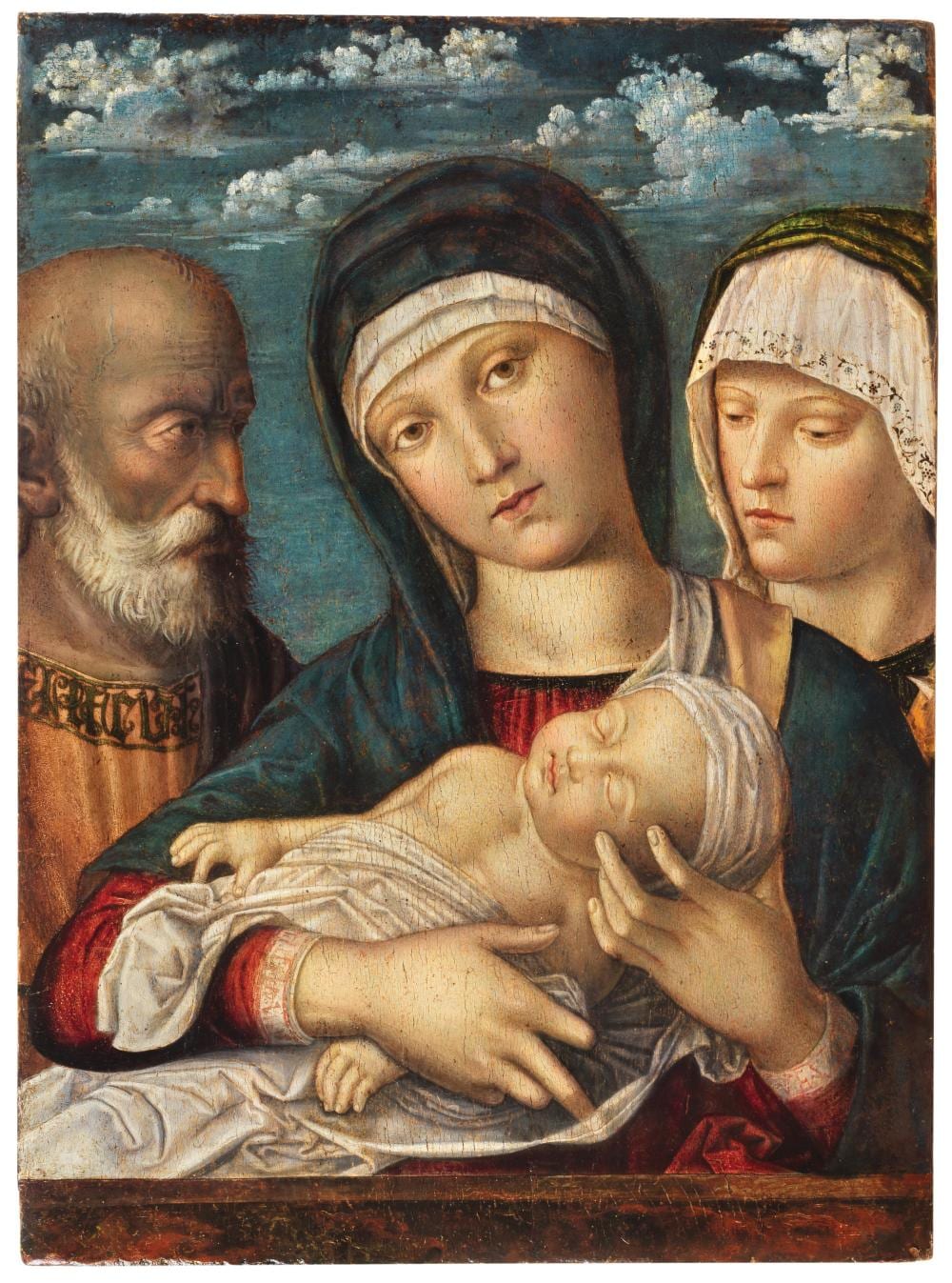
workshop of andrea mantegna · Dorotheum · 2025-10-23 workshop of andrea mantegna Dorotheum · 2025-10-23
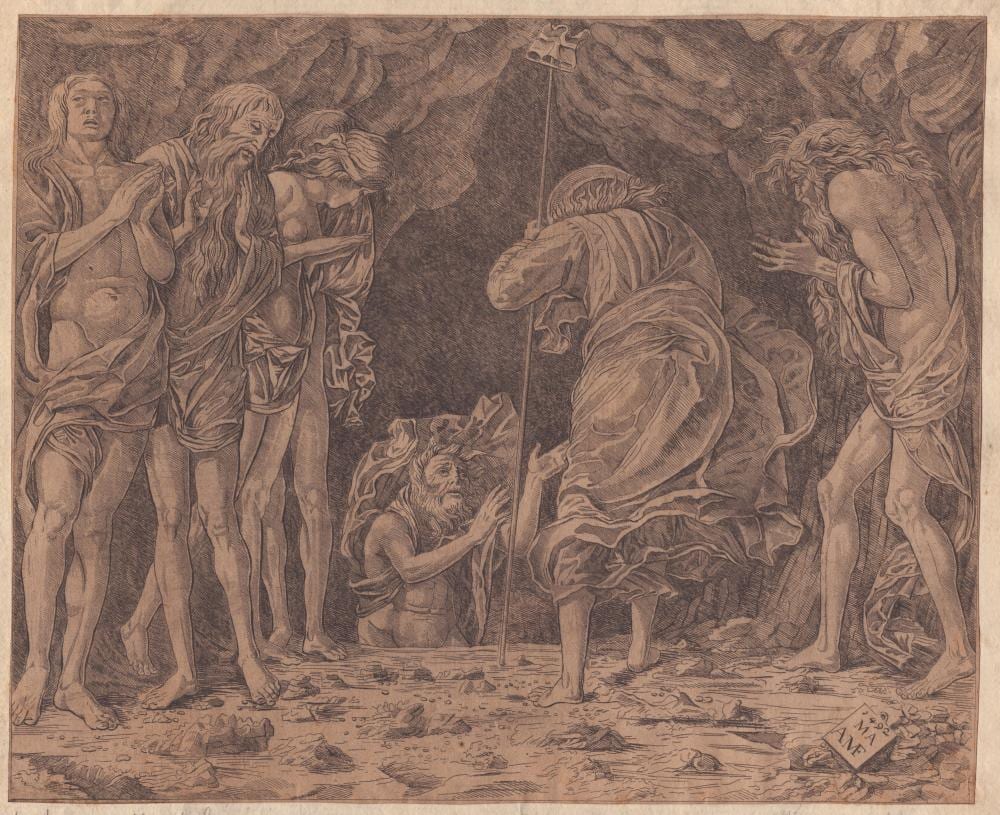
andrea mantegna after descent into limbo · Bertolami Fine Art s.r.l. · 2024-11-14 andrea mantegna after descent into limbo Bertolami Fine Art s.r.l. · 2024-11-14
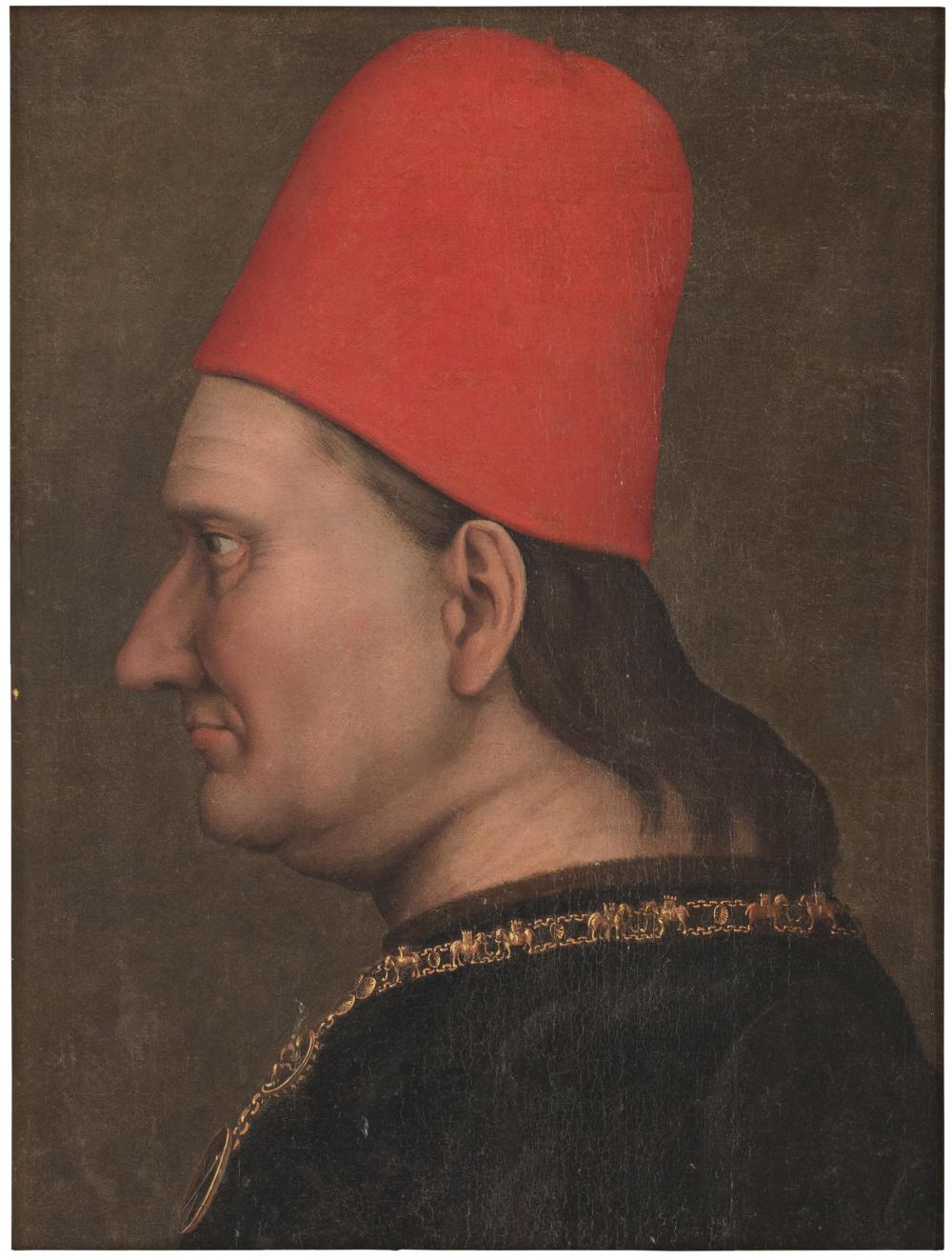
andrea mantegna 1431 1506 cerchia di o gentile bellini 14291507 cerchia di federico i gonzaga 1475 1525 · Bonino · 2024-05-15 andrea mantegna 1431 1506 cerchia di o gentile bellini 14291507 cerchia di federico i gonzaga 1475 1525 Bonino · 2024-05-15
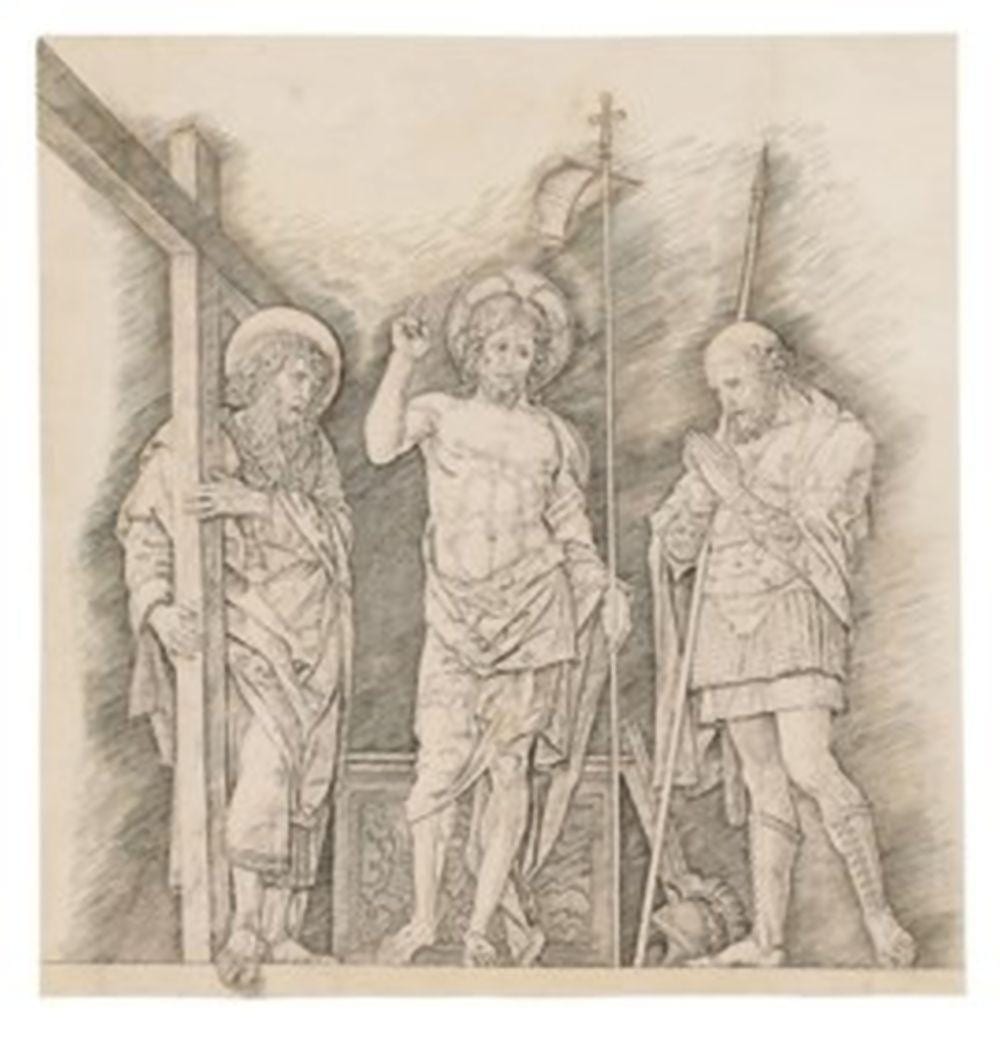
andrea mantegna circa 1431 1506 christ between saints andrew and longinus · Christie's · 2020-07-15 andrea mantegna circa 1431 1506 christ between saints andrew and longinus Christie's · 2020-07-15
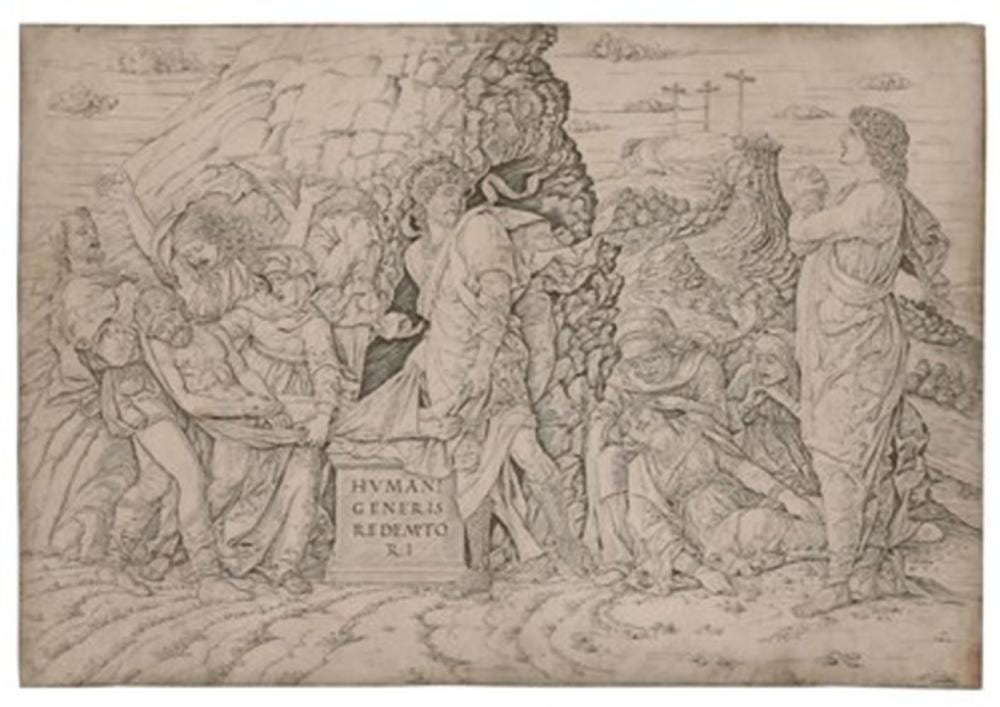
andrea mantegna circa 1431 1506 the entombment · Christie's · 2020-07-15 andrea mantegna circa 1431 1506 the entombment Christie's · 2020-07-15
Data basis
This page is built from Appraisily's public auction market index. Private transactions, incomplete sale feeds, and attribution changes may not be fully represented.
Artist value FAQ
How much is Andrea Mantegna worth?
Comparable public auction sales are the best starting point, but final value depends on the specific artwork, condition, size, medium, provenance, and attribution confidence.
Can Appraisily value my Andrea Mantegna artwork?
Yes. Appraisily can review photos, dimensions, signatures, condition, provenance, and comparable market data to prepare a current valuation.