Alfred Wallis Auction Prices and Value Guide
Alfred Wallis auction prices are tracked in Appraisily's artist market index, with source-directory coverage of 260 records. Use this page to review sold-lot activity, market context, and valuation factors before requesting a formal appraisal.
Alfred Wallis auction prices: quick answer
Alfred Wallis auction prices depend on medium, size, date, condition, provenance, edition details, attribution confidence, and recent comparable auction sales.
- Artist
- Alfred Wallis
- Source records
- 260
- Market update
- 2026-02-16
Alfred Wallis market snapshot
Alfred Wallis shows deep auction liquidity with 184 tracked lots. Median realized sale is around $18,750. Category concentration is still broad or sparse. Last 12 months recorded 4 sales. Latest recorded sale: 2025-10-23.
Realized price distribution
- Under $1,000 (2.1% · 3 sales)
- $1,000 to $10,000 (19.2% · 28 sales)
- $10,000+ (78.8% · 115 sales)
- Median sale (last 12 months)
- $33,020
- Sales recorded (last 12 months)
- 4
- Median shift vs prior year
- 0.0%
- Latest recorded sale
- 2025-10-23
Artist context
About Alfred Wallis
Born
1855
Died
1942
Nationality
British, English
Alfred Wallis (1855–1942) was a self-taught British painter and former fisherman who began making art at the age of seventy, working from his home in St Ives, Cornwall. With no formal training, he used leftover household paint on scraps of cardboard to depict the harbours, ships, and coastal landscapes he had known throughout his working life at sea. His direct, untrained approach produced compositions of striking originality — flattened perspectives, layered sea and sky, and compressed spatial relationships that anticipate elements of modernist painting. Wallis came to wider attention in the late 1920s when the artists Ben Nicholson and Christopher Wood encountered his work in St Ives and championed it within progressive British art circles. His output has since been recognised as among the most distinctive contributions to British naïve art, and his paintings are held by major public collections including Tate and the Museum of Modern Art, New York.
Naïve artHousehold paint on cardboardOil on boardShipping and maritime scenesPort landscapesSeascapes
Common works and media
Wallis's surviving body of work consists primarily of small-scale paintings on cardboard or board, executed in household or oil paint. Common subjects include sailing vessels, steamships, fishing boats, harbours and ports (especially St Ives), coastal landscapes, and seascapes. Compositions often show multiple ships or layered views of land, sea, and sky compressed into a single picture plane. His works are typically modest in size, reflecting the scraps of material available to him, and most are unsigned. Drawings and works on paper also exist but are less common than his painted pieces.
Market and appraisal context
Alfred Wallis's works appear regularly at auction, chiefly as paintings in oil or household paint on cardboard and board. Collectors and appraisers should consider several factors when evaluating a Wallis piece. Material authenticity matters: his characteristic use of scrap cardboard and commercial paint is well documented, and works on these supports are typical of his output. Subject is another key differentiator — shipping scenes, Cornish harbour views, and maritime subjects are his most recognisable and marketable images. Provenance can add substantial value, especially when a work can be traced to early collectors such as Ben Nicholson, Jim Ede, or the Kettle's Yard circle. Condition is critical because Wallis's non-archival materials make his surviving works inherently fragile and prone to deterioration over time.
Auction categories and appraisal factors
Value drivers
- Material: works on original cardboard scraps by Wallis are particularly characteristic and sought after
- Subject matter: shipping, maritime, and Cornish port scenes are his most recognizable subjects
- Provenance: works with documented history tracing back to Ben Nicholson, Christopher Wood, Jim Ede, or the St Ives artistic circle carry premium provenance
- Institutional holdings: works held by Tate, MoMA, Kettle's Yard (Cambridge), and other public collections validate attribution and importance
- Condition is critical: Wallis used discarded cardboard and household paints, making his surviving works vulnerable to deterioration
Appraisal caveats
- Wallis achieved little commercial success during his lifetime; modern auction values reflect posthumous recognition driven by the St Ives art colony and 20th-century reappraisal of naïve and outsider art.
- Attribution should be confirmed carefully, as Wallis's self-taught, informal style has been widely imitated.
- Condition assessment is especially important given the fragile, non-archival materials Wallis habitually used.
Evidence
Sources for artist context
This source-grounded artist context passed Appraisily's promotion threshold: high confidence, strong sources.
- RKD – Netherlands Institute for Art History library authority
- Tate museum or university
- Wikidata library authority
- VIAF library authority
- Getty Vocabulary Program library authority
- Wikipedia wikipedia
Recent sale records
Selected public auction records currently in the Appraisily lot index. Use them as market context, then request a formal appraisal before you sell, insure, or donate.
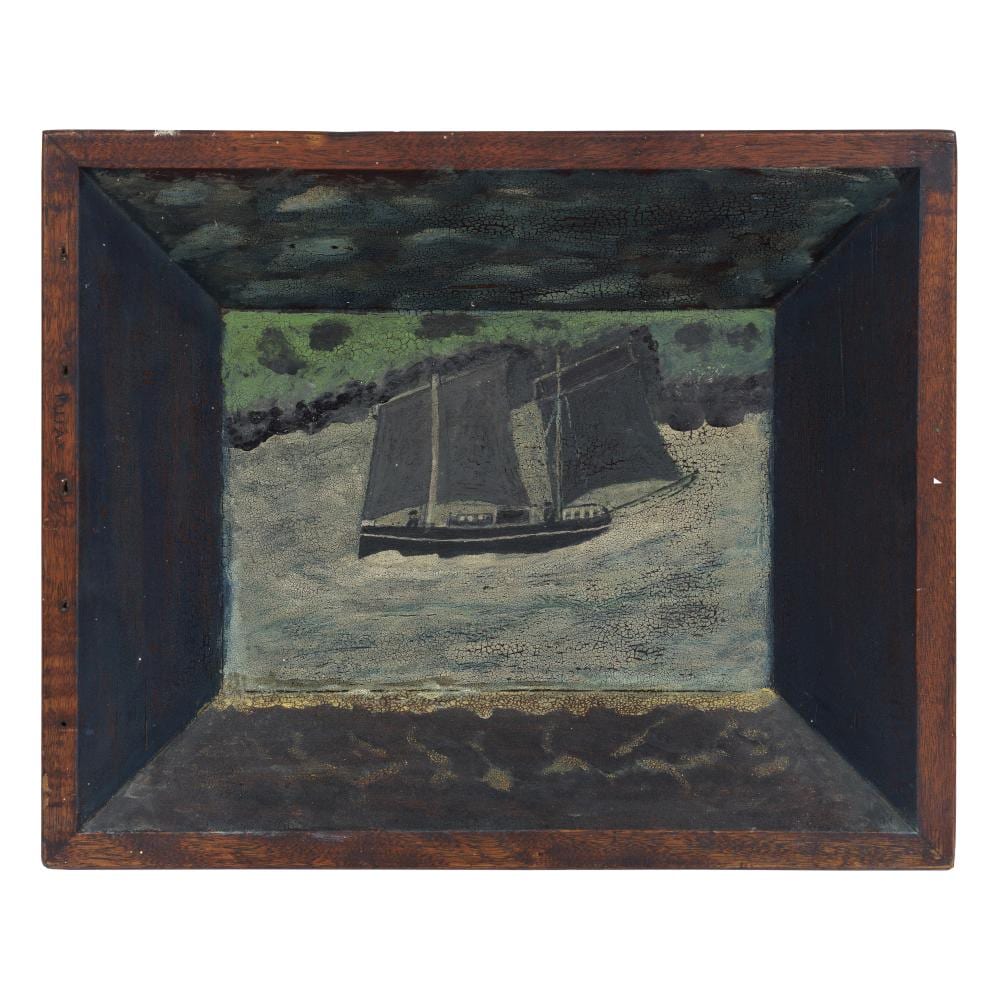
alfred wallis british 1855 1942 cornish fishing boat 38 2 x 47 x 9 5 cm 15 x 18 1 2 x 3 3 4 in · Bonhams · 2026-06-24 alfred wallis british 1855 1942 cornish fishing boat 38 2 x 47 x 9 5 cm 15 x 18 1 2 x 3 3 4 in Bonhams · 2026-06-24
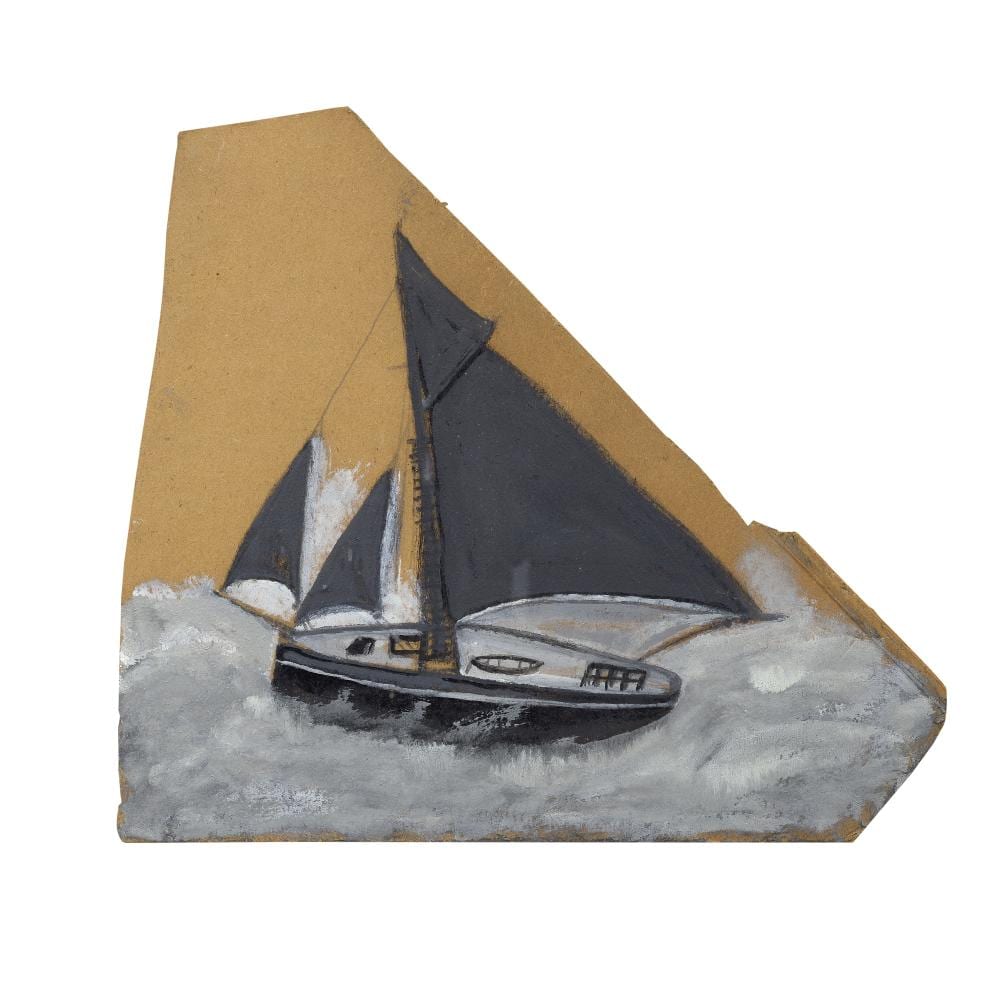
alfred wallis british 1855 1942 a sailing boat two jibs 25 x 30 2 cm 9 3 4 x 11 7 8 in irregular · Bonhams · 2026-06-24 alfred wallis british 1855 1942 a sailing boat two jibs 25 x 30 2 cm 9 3 4 x 11 7 8 in irregular Bonhams · 2026-06-24
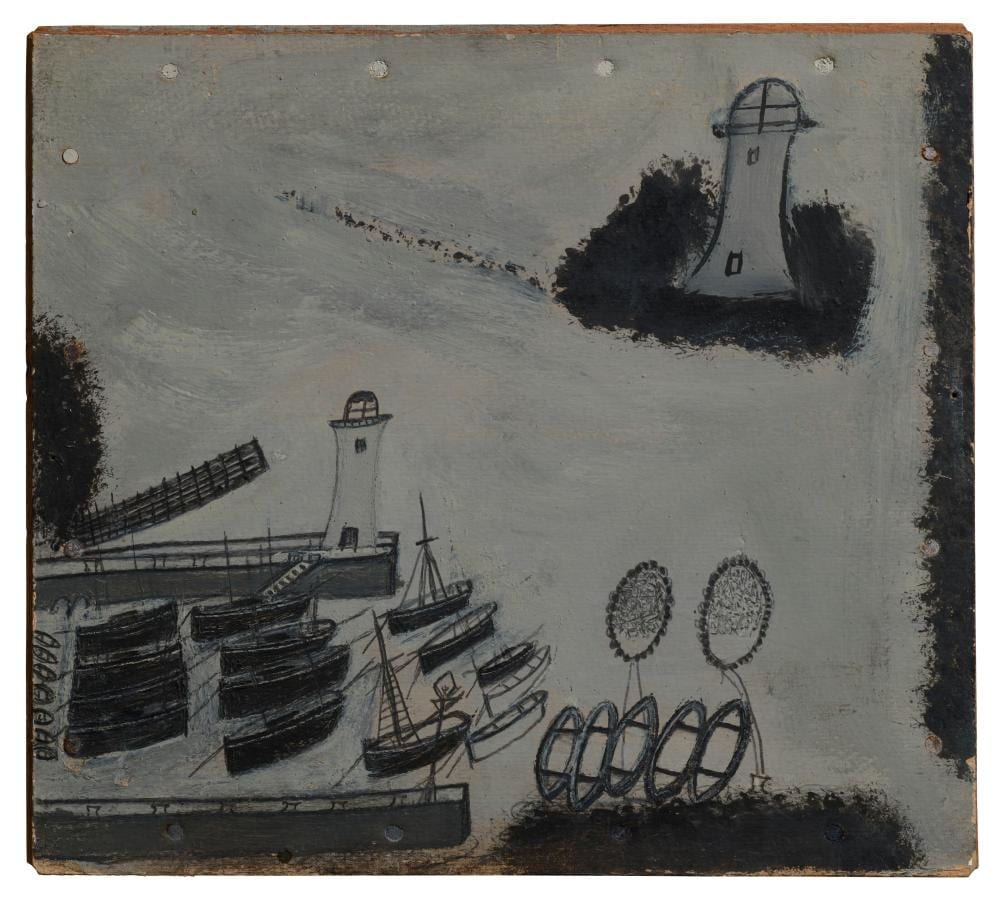
alfred wallis 1855 1942 st ives harbour oil on board13 x 14 in 33 x · Christie's · 2026-03-19 alfred wallis 1855 1942 st ives harbour oil on board13 x 14 in 33 x Christie's · 2026-03-19
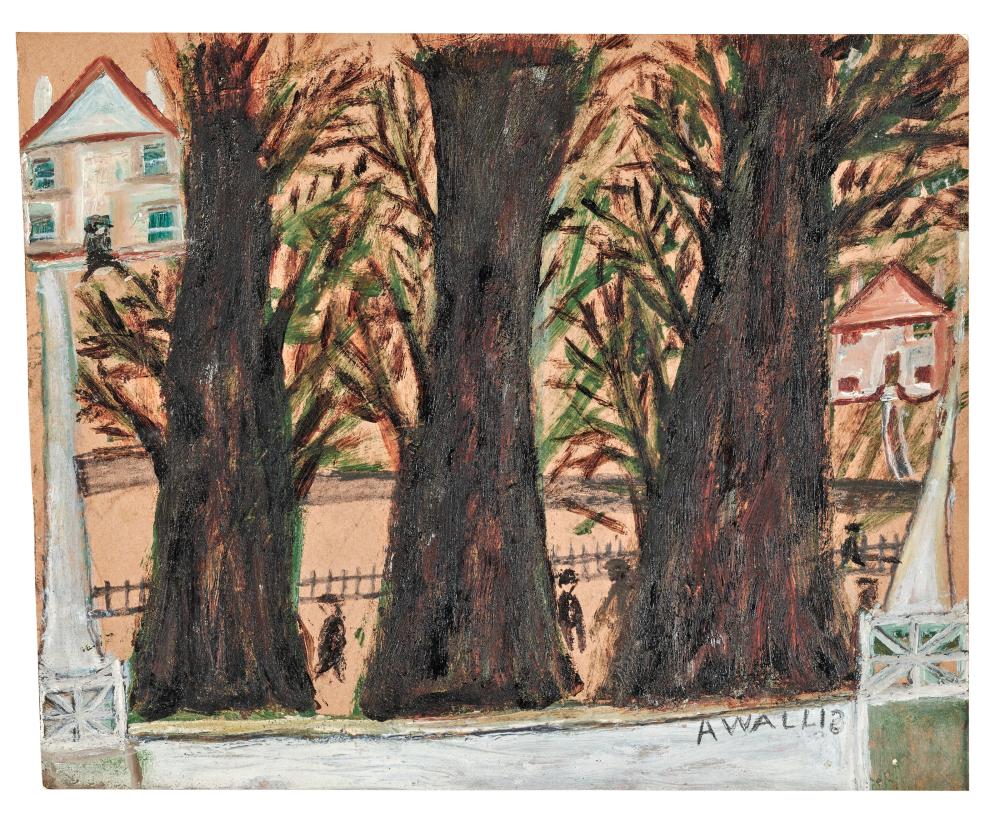
alfred wallis 1855 1942 three trees and houses oil on board8 7 8 x 11 i · Christie's · 2025-10-23 alfred wallis 1855 1942 three trees and houses oil on board8 7 8 x 11 i Christie's · 2025-10-23
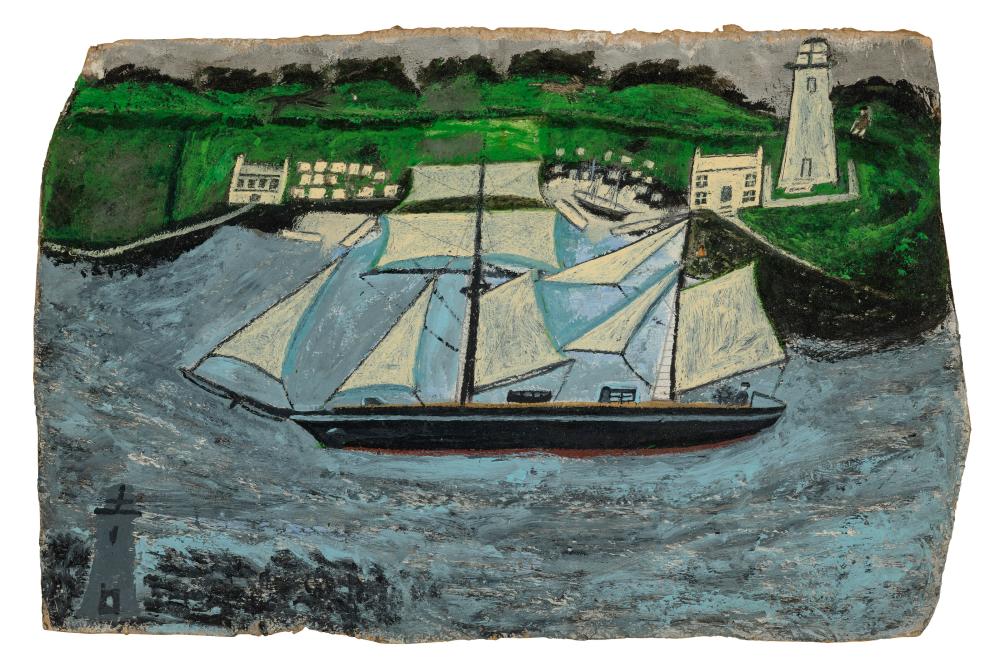
alfred wallis 1855 1942 mount s bay oil on board shaped13 5 8 x 20 7 8 · Christie's · 2025-10-23 alfred wallis 1855 1942 mount s bay oil on board shaped13 5 8 x 20 7 8 Christie's · 2025-10-23
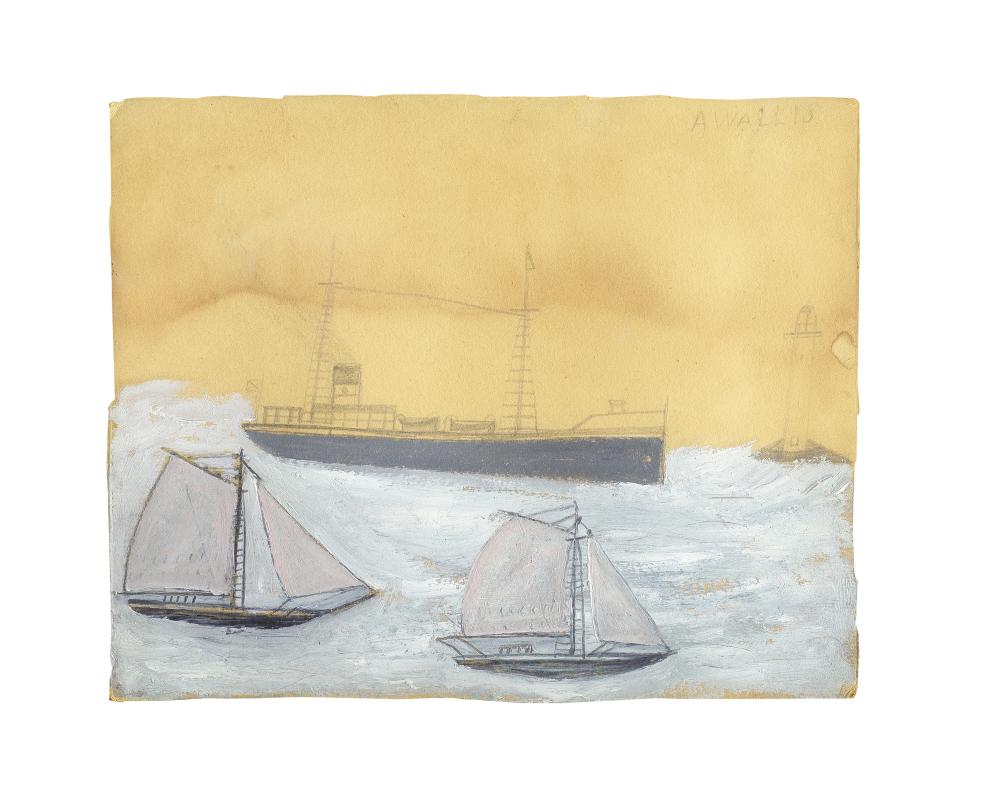
alfred wallis british 1855 1942 two sailing ships and a steamer 27 x 33 8 cm 10 5 8 x 13 1 4 in · Bonhams · 2025-06-18 alfred wallis british 1855 1942 two sailing ships and a steamer 27 x 33 8 cm 10 5 8 x 13 1 4 in Bonhams · 2025-06-18
Data basis
This page is built from Appraisily's public auction market index. Private transactions, incomplete sale feeds, and attribution changes may not be fully represented.
Artist value FAQ
How much is Alfred Wallis worth?
Comparable public auction sales are the best starting point, but final value depends on the specific artwork, condition, size, medium, provenance, and attribution confidence.
Can Appraisily value my Alfred Wallis artwork?
Yes. Appraisily can review photos, dimensions, signatures, condition, provenance, and comparable market data to prepare a current valuation.