Alfred James Munnings Auction Prices and Value Guide
Alfred James Munnings auction prices are tracked in Appraisily's artist market index, with source-directory coverage of 1,342 records. Use this page to review sold-lot activity, market context, and valuation factors before requesting a formal appraisal.
Alfred James Munnings auction prices: quick answer
Alfred James Munnings auction prices depend on medium, size, date, condition, provenance, edition details, attribution confidence, and recent comparable auction sales.
- Artist
- Alfred James Munnings
- Source records
- 1,342
- Market update
- 2026-02-06
Alfred James Munnings market snapshot
Alfred James Munnings shows solid auction liquidity with 51 tracked lots. Median realized sale is around $1,200. Category concentration is still broad or sparse. Last 12 months recorded 2 sales. Latest recorded sale: 2026-02-04.
Realized price distribution
- Under $1,000 (45.9% · 17 sales)
- $1,000 to $10,000 (18.9% · 7 sales)
- $10,000+ (35.1% · 13 sales)
- Median sale (last 12 months)
- $200
- Sales recorded (last 12 months)
- 2
- Median shift vs prior year
- 0.0%
- Latest recorded sale
- 2026-02-04
Artist context
About Alfred James Munnings

Born
1878
Died
1959
Nationality
British, English
Also known as
Alfred Munnings, Sir Alfred James Munnings, Alfred J. Munnings
Alfred James Munnings (1878-1959) was a British painter associated with English Impressionism and, during part of his career, the Newlyn School. Born in Suffolk, he became especially well known for paintings of horses, riders, rural life, and the British countryside. His subjects also include travelling communities and scenes made in France during the First World War, where the relationship between people and working horses became an important theme. Munnings began as a lithographer before establishing himself as a painter and later served as President of the Royal Academy. Collectors encounter his work across oil paintings, works on paper, prints, and occasional sculpture. His combination of equestrian subject matter, energetic handling, and documentary views of rural and military life gives his work a distinctive place in twentieth-century British art.
English ImpressionismNewlyn SchoolOil paintingWorks on paper and printsSculptureHorses and equestrian lifeBritish countryside and rural lifeTravelling communitiesFirst World War military and working-horse scenes
Common works and media
Auction and appraisal records may include Munnings oil paintings of horses, riders, rural landscapes, countryside activities, and wartime or working-horse scenes. Works on paper and prints may also appear, along with occasional sculpture, mixed-media objects, decorative works, and editions. When comparing an object, identify its medium, dimensions, subject, date or period, signature, edition information, and provenance. Similar-looking equestrian images can differ substantially in authorship, finish, condition, and market response.
Market and appraisal context
Munnings works appear across public auction categories including paintings, works on paper, prints, sculpture, mixed media, decorative art, and editions. Appraisal depends on the specific object rather than the artist name alone. Medium, dimensions, date, career period, condition, restoration, signature, attribution, provenance, exhibition history, catalogue references, subject matter, and comparable public sales can all affect assessment. Equestrian subjects and other recognizable themes should still be compared with works of similar format and period. Public auction results provide useful evidence, but they may omit private transactions, incomplete records, buyer fees, or later attribution changes. Authentication and condition review remain important before drawing conclusions about value.
Auction categories and appraisal factors
Common auction categories
- Fine art and paintings
- Works on paper and prints
- Sculpture and mixed media
- Decorative art and editions
Value drivers
- Medium, size, date, and period within the artist's career
- Condition, restoration history, and surface quality
- Signature, inscriptions, edition details, and attribution confidence
- Provenance, exhibition history, and catalogue references
- Recent comparable auction sales for similar works
- Subject matter, rarity, and current market demand
Appraisal caveats
- Public auction records are a starting point rather than a final appraisal.
- Private sales, incomplete feeds, and attribution changes may not be fully represented.
- Authentication and condition can materially change value.
- The available Appraisily market page reports matched public auction records and should be used with like-for-like comparisons.
Evidence
Sources for artist context
This source-grounded artist context passed Appraisily's promotion threshold: high confidence, strong sources.
- Wikidata library authority
- VIAF library authority
- Getty Vocabulary Program library authority
- Tate museum or university
- Art UK museum or university
- British Museum museum or university
Recent sale records
Selected public auction records currently in the Appraisily lot index. Use them as market context, then request a formal appraisal before you sell, insure, or donate.
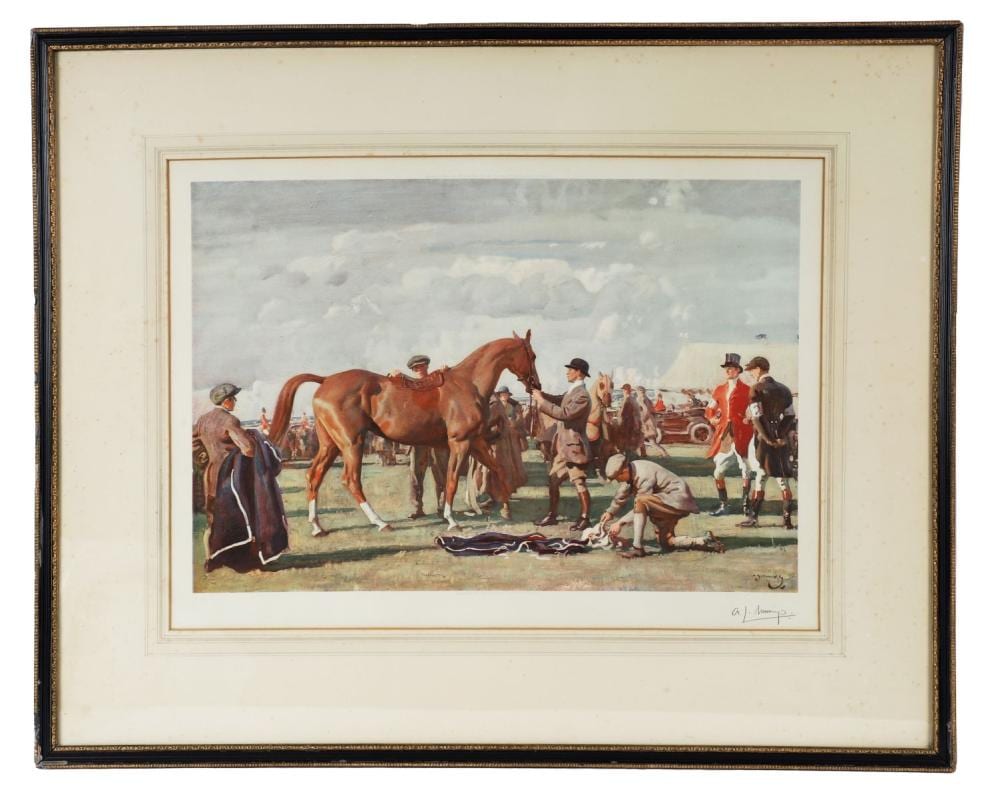
alfred j munnings 1878 1959 colour print after the artist · Sheppards · 2026-03-10 alfred j munnings 1878 1959 colour print after the artist Sheppards · 2026-03-10
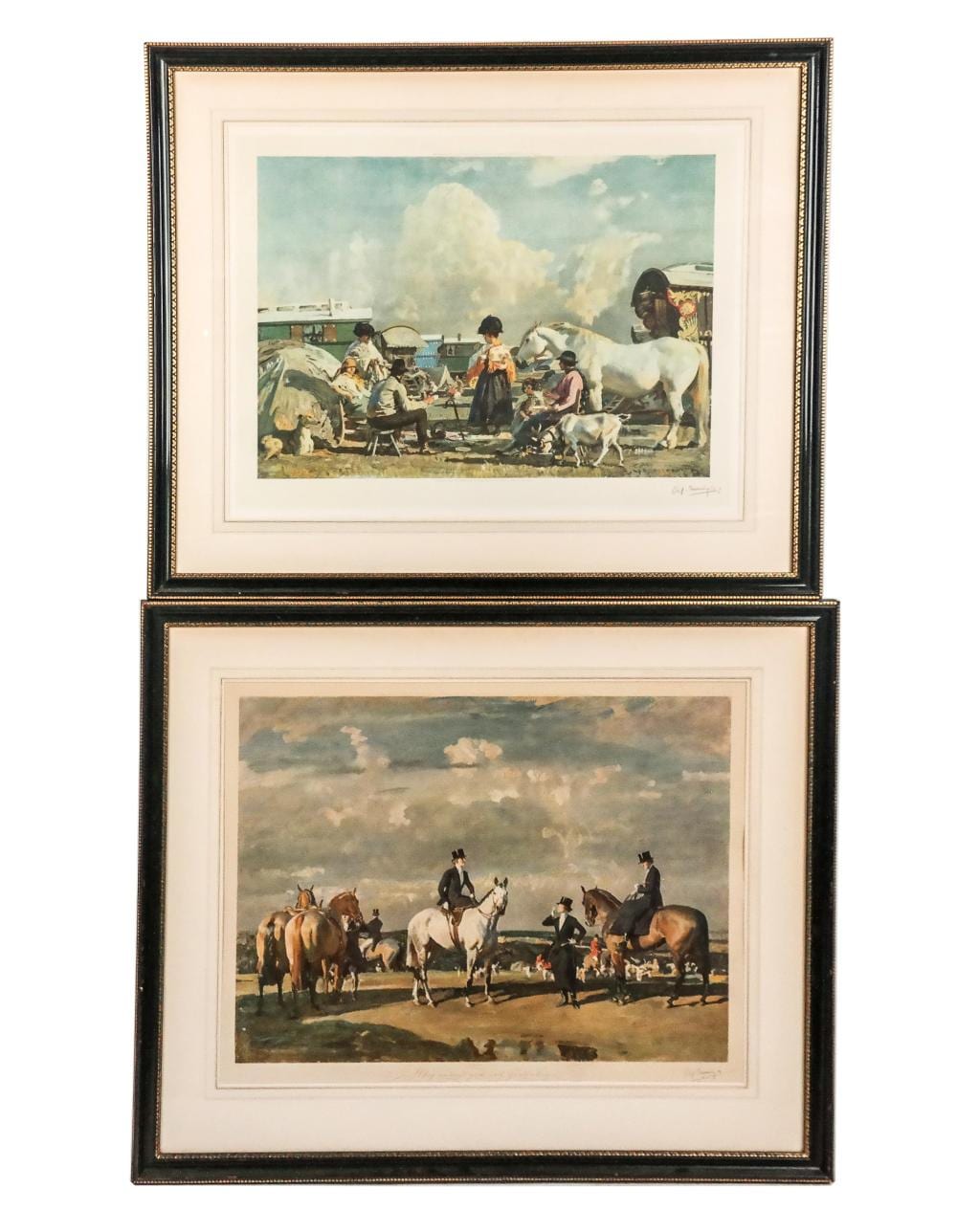
alfred munnings two signed prints · Roland Auctions NY · 2025-05-31 alfred munnings two signed prints Roland Auctions NY · 2025-05-31
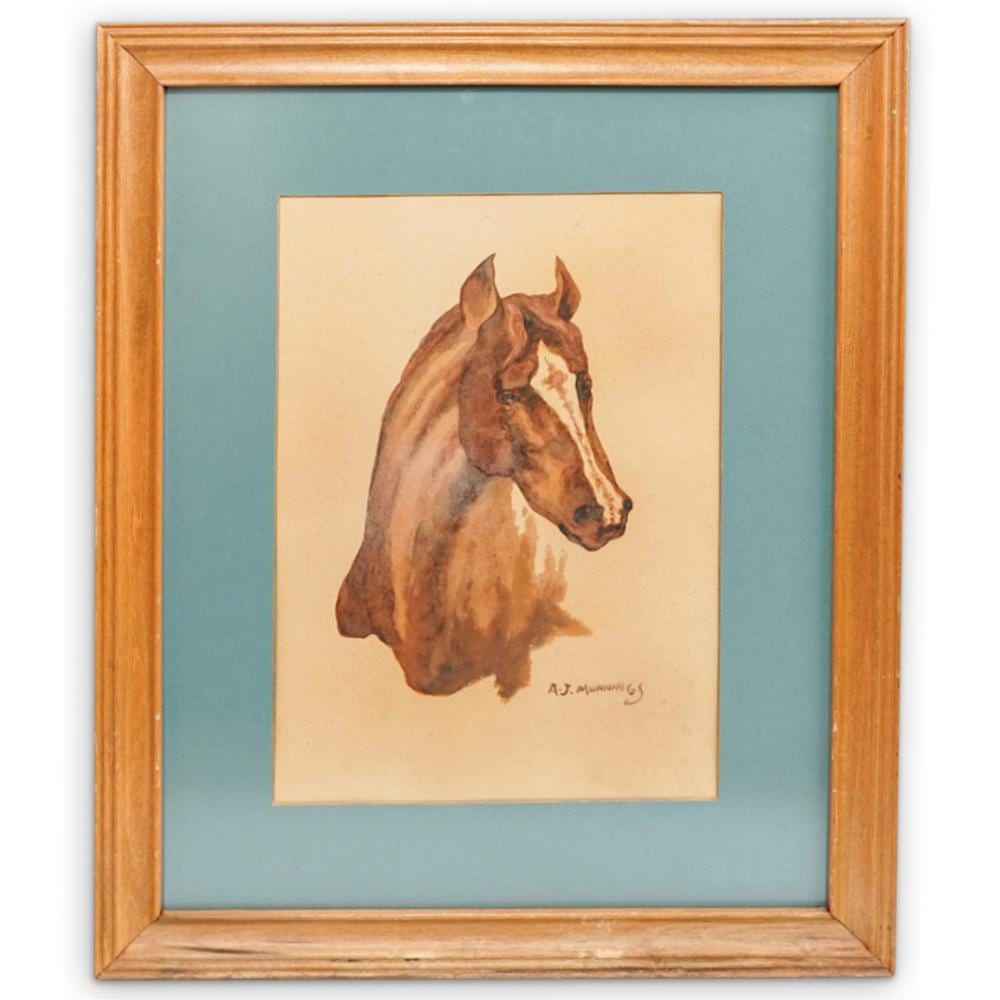
after alfred james munnings watercolor · Akiba Galleries · 2021-10-12 after alfred james munnings watercolor Akiba Galleries · 2021-10-12
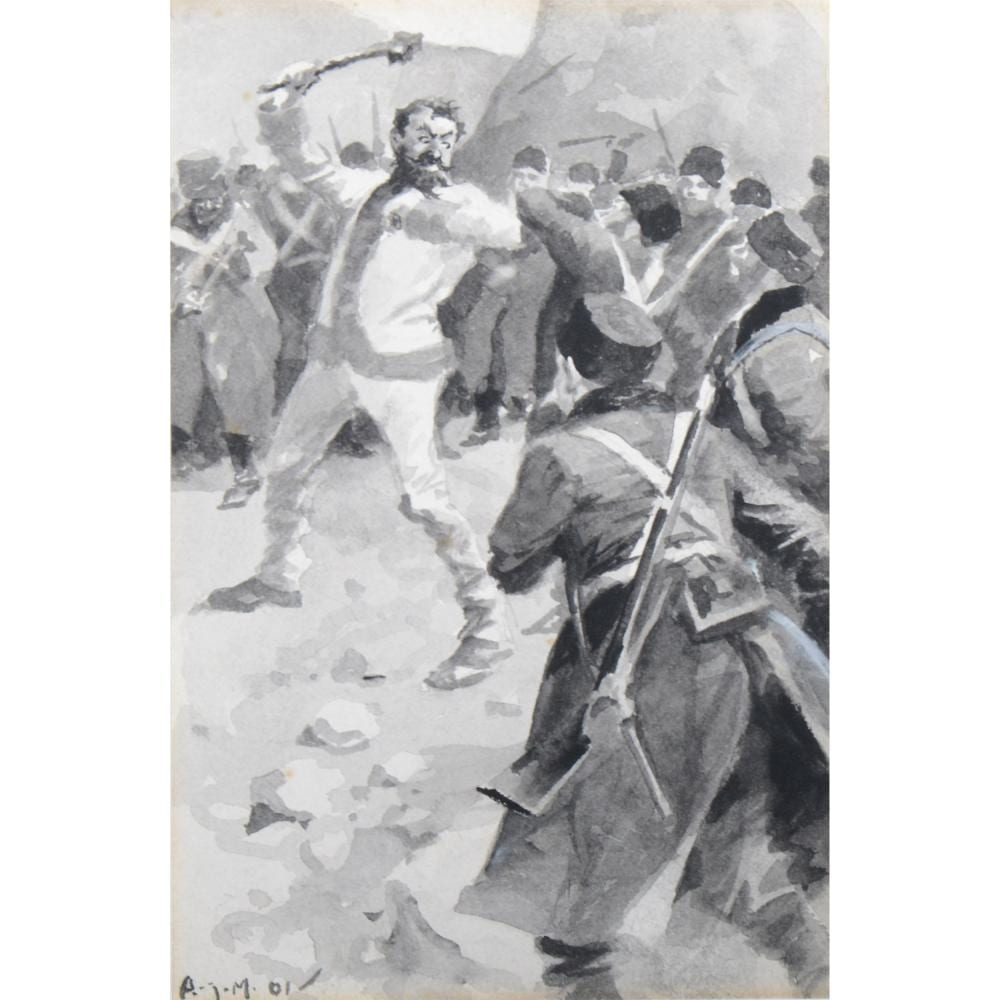
alfred james munnings · Gildings Auctioneers · 2019-09-03 alfred james munnings Gildings Auctioneers · 2019-09-03
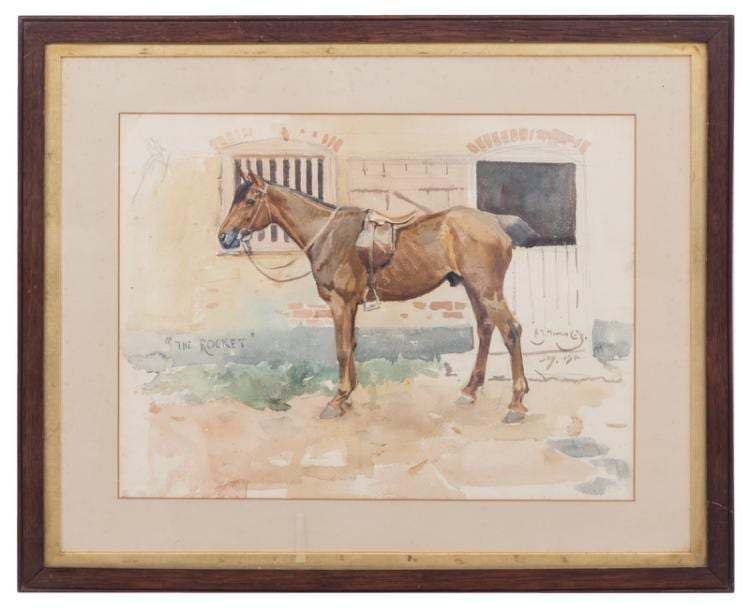
alfred munnings the rocket · Abell Auction · 2017-10-15 alfred munnings the rocket Abell Auction · 2017-10-15
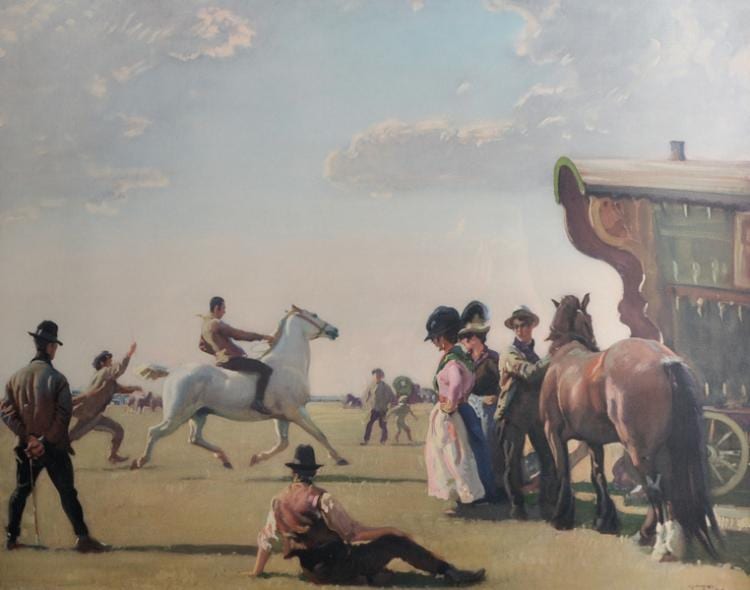
alfred james munnings 1878 1959 british gypsy life coloured lithograph with printers guild stamp signed in pencil 19 25 x 24 · John Nicholson's Fine Art Auctioneers & Valuers · 2017-06-28 alfred james munnings 1878 1959 british gypsy life coloured lithograph with printers guild stamp signed in pencil 19 25 x 24 John Nicholson's Fine Art Auctioneers & Valuers · 2017-06-28
Data basis
This page is built from Appraisily's public auction market index. Private transactions, incomplete sale feeds, and attribution changes may not be fully represented.
Artist value FAQ
How much is Alfred James Munnings worth?
Comparable public auction sales are the best starting point, but final value depends on the specific artwork, condition, size, medium, provenance, and attribution confidence.
Can Appraisily value my Alfred James Munnings artwork?
Yes. Appraisily can review photos, dimensions, signatures, condition, provenance, and comparable market data to prepare a current valuation.