Albert Renger-Patzsch Auction Prices and Value Guide
Albert Renger-Patzsch auction prices are tracked in Appraisily's artist market index, with source-directory coverage of 976 records. Use this page to review sold-lot activity, market context, and valuation factors before requesting a formal appraisal.
Albert Renger-Patzsch auction prices: quick answer
Albert Renger-Patzsch auction prices depend on medium, size, date, condition, provenance, edition details, attribution confidence, and recent comparable auction sales.
- Artist
- Albert Renger-Patzsch
- Source records
- 976
- Market update
- 2026-02-16
Artist context
About Albert Renger-Patzsch
Born
1897
Died
1966
Nationality
German
Also known as
Renger, Albert, Patzsch, Albert Renger-, Renger-Patsch, Albert
Albert Renger-Patzsch (1897–1966) was a German photographer and a central figure of the New Objectivity (Neue Sachlichkeit) movement. Born in Würzburg, Germany, he developed an approach to photography defined by sharp focus, precise composition, and an unsentimental clarity that treated natural and industrial subjects with equal attention to form and texture. Rejecting the painterly softness of pictorialism, he created tightly framed studies of plants, geological formations, factory machinery, and architectural details that revealed structure and pattern in the everyday. Renger-Patzsch taught at the Folkwangschule für Gestaltung and spent much of his later life in Wamel, Germany. His photographs are held in major international museum collections including the Museum of Modern Art in New York and the Tate in London. With nearly one thousand lots recorded at auction, his work is a consistent presence in photography sales and remains influential for collectors and scholars of twentieth-century European photography.
New Objectivity (Neue Sachlichkeit)Gelatin silver printsPhotographyBotanical and natural formsIndustrial and mechanical objectsArchitectureLandscapes
Common works and media
Renger-Patzsch worked almost exclusively in black-and-white photography, producing gelatin silver prints across a range of subjects. Botanical close-ups and studies of natural forms—leaves, seed pods, tree bark, rocks—are among his most widely seen images at auction. Industrial subjects such as gears, machinery, and factory interiors appear frequently, as do architectural facades, village streets, and rural landscapes. His photobooks, particularly from the late 1920s and 1930s, are also collectible. Prints range from small-format contact prints to larger exhibition-size works. Collectors may encounter both vintage period prints and later reprints produced for exhibitions or estate-authorized editions.
Market and appraisal context
Albert Renger-Patzsch has a deep and well-documented auction history spanning more than two decades, with 565 total lots and 289 priced results recorded between April 2001 and March 2026. The market is anchored by German and international photography specialists: Kunsthaus Lempertz KG leads in frequency, followed by Van Ham Kunstauktionen, Schneider-Henn, and major houses including Phillips, Sotheby's, and Christie's. Liquidity is steady, with 22 lots in the most recent twelve-month period and 19 in the prior twelve months, indicating consistent demand rather than speculative spikes. Price dispersion is wide—realized prices range from approximately €81 at the low end to €148,800 at the high—reflecting the significant premium that vintage 1920s–1930s gelatin silver prints command over later reprints and attributed works. The interquartile range (€1,000–€4,780) and median of €2,200 suggest that typical collector-grade prints trade in the low thousands, while exceptional vintage prints with strong provenance can reach five figures or more. The bulk of recent activity (2025–2026) is concentrated at Lempertz and Amadeus Auction, with subjects spanning industrial photography, architectural studies, landscapes, and botanical forms—consistent with the artist's New Objectivity oeuvre.
Auction categories and appraisal factors
Common auction categories
- Photography
- Modern Art
- Gelatin silver prints
Value drivers
- Vintage prints (made close to the date of the negative) command higher values than later reprints
- Print size, edition information, and provenance history affect appraisal value
- Condition of gelatin silver prints, including surface quality and tonal range, is a key factor
- Images from his landmark 1920s–1930s period are generally most sought after at auction
- Vintage status: prints made close to the negative date (especially 1920s–1930s) command significant premiums over later reprints
- Subject matter: industrial and architectural studies from the New Objectivity period are most sought after, followed by botanical close-ups and landscapes
Appraisal caveats
- Many of Renger-Patzsch's images have been reprinted in various editions over the decades; distinguishing vintage prints from later authorized reprints requires careful provenance verification.
- The source pack does not include specific realized auction prices; Appraisily auction-record data should be consulted for current market benchmarks.
- Of 565 recorded lots, only 289 (51%) have published realized prices; the remaining lots may include unsold, bought-in, or price-withheld results, which can skew apparent market averages.
- Prices are denominated in both EUR and USD across different auction houses; direct comparisons require currency adjustment for the relevant sale date.
Evidence
Sources for artist context
This source-grounded artist context passed Appraisily's promotion threshold: high confidence, strong sources.
- Library of Congress library authority
- RKD library authority
- Wikidata library authority
- The Museum of Modern Art museum or university
- Tate museum or university
- VIAF library authority
Recent sale records
Selected public auction records currently in the Appraisily lot index. Use them as market context, then request a formal appraisal before you sell, insure, or donate.
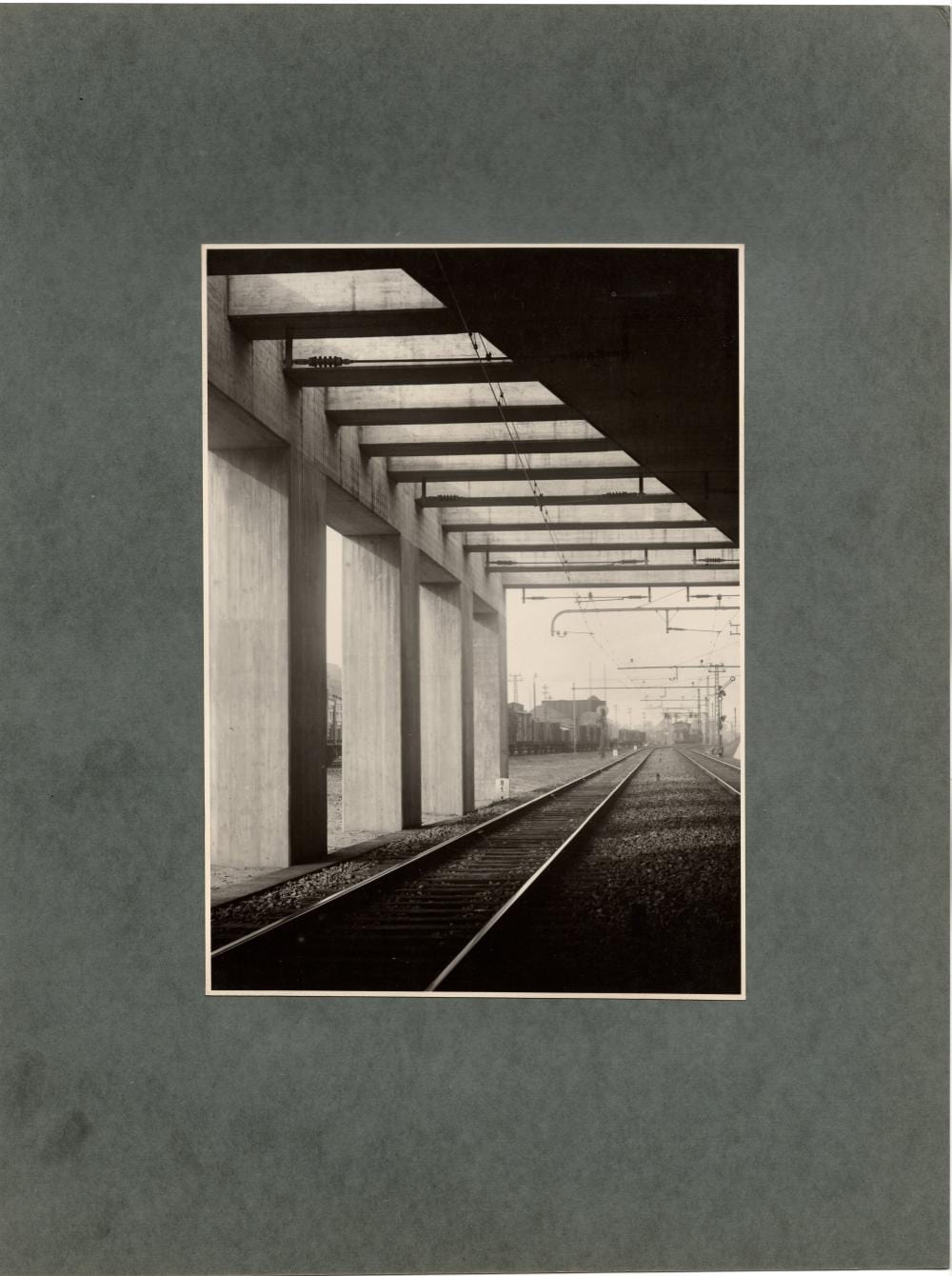
albert renger patzsch german 1897 1966 train rails 1920 s 1930 s · Adams Amsterdam Auctions · 2026-03-09 albert renger patzsch german 1897 1966 train rails 1920 s 1930 s Adams Amsterdam Auctions · 2026-03-09
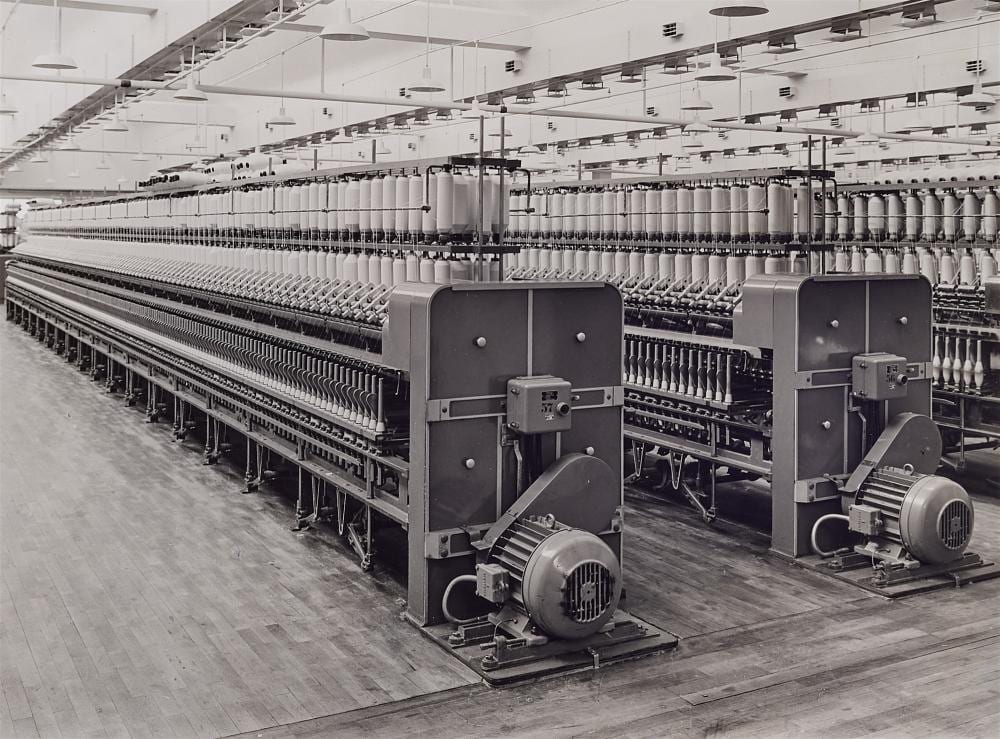
albert renger patzsch machine details schubert salzer factory ingolstadt 1950 · Lempertz · 2025-12-03 albert renger patzsch machine details schubert salzer factory ingolstadt 1950 Lempertz · 2025-12-03
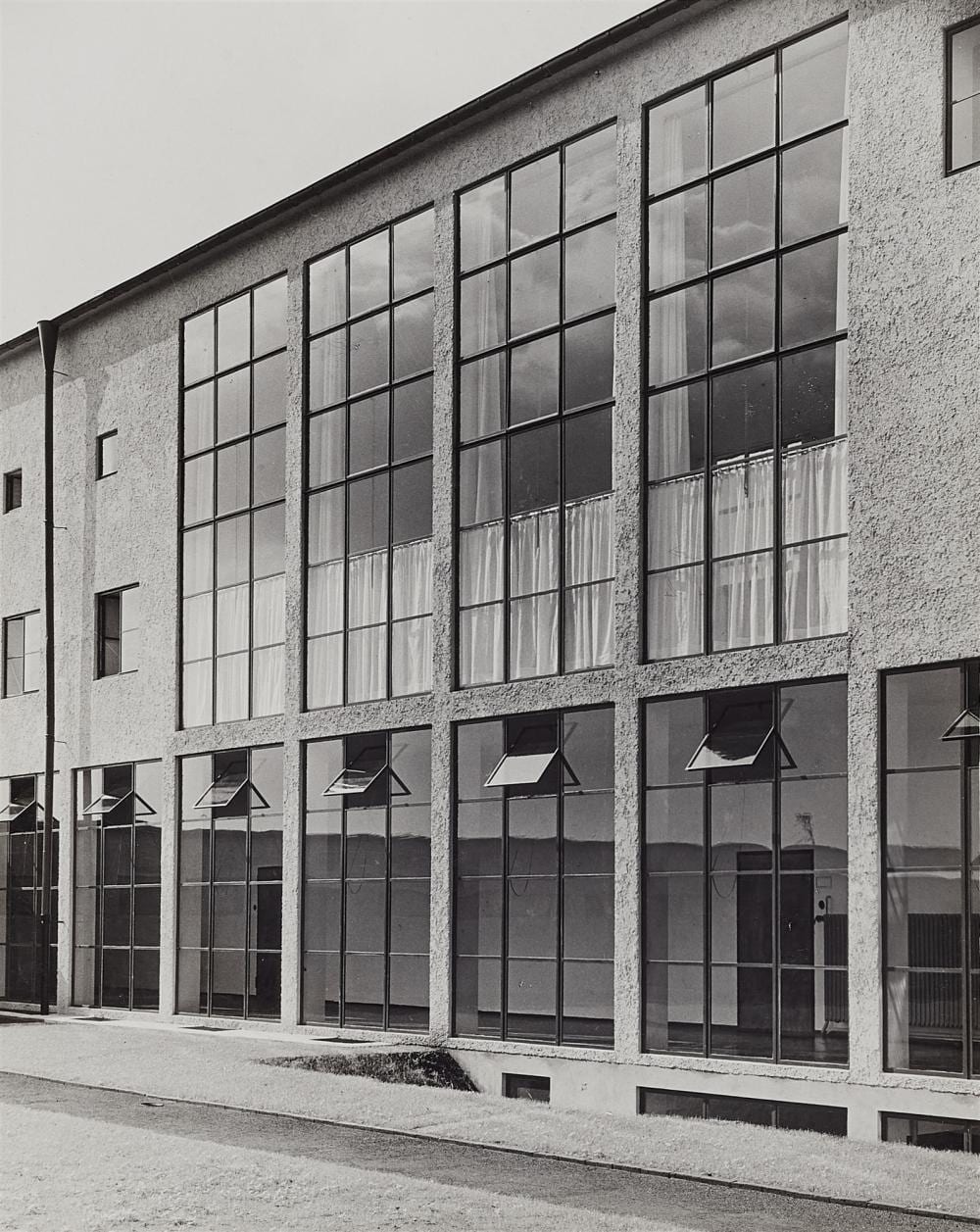
albert renger patzsch soziale frauenschule aachen c 1930 · Lempertz · 2025-12-03 albert renger patzsch soziale frauenschule aachen c 1930 Lempertz · 2025-12-03
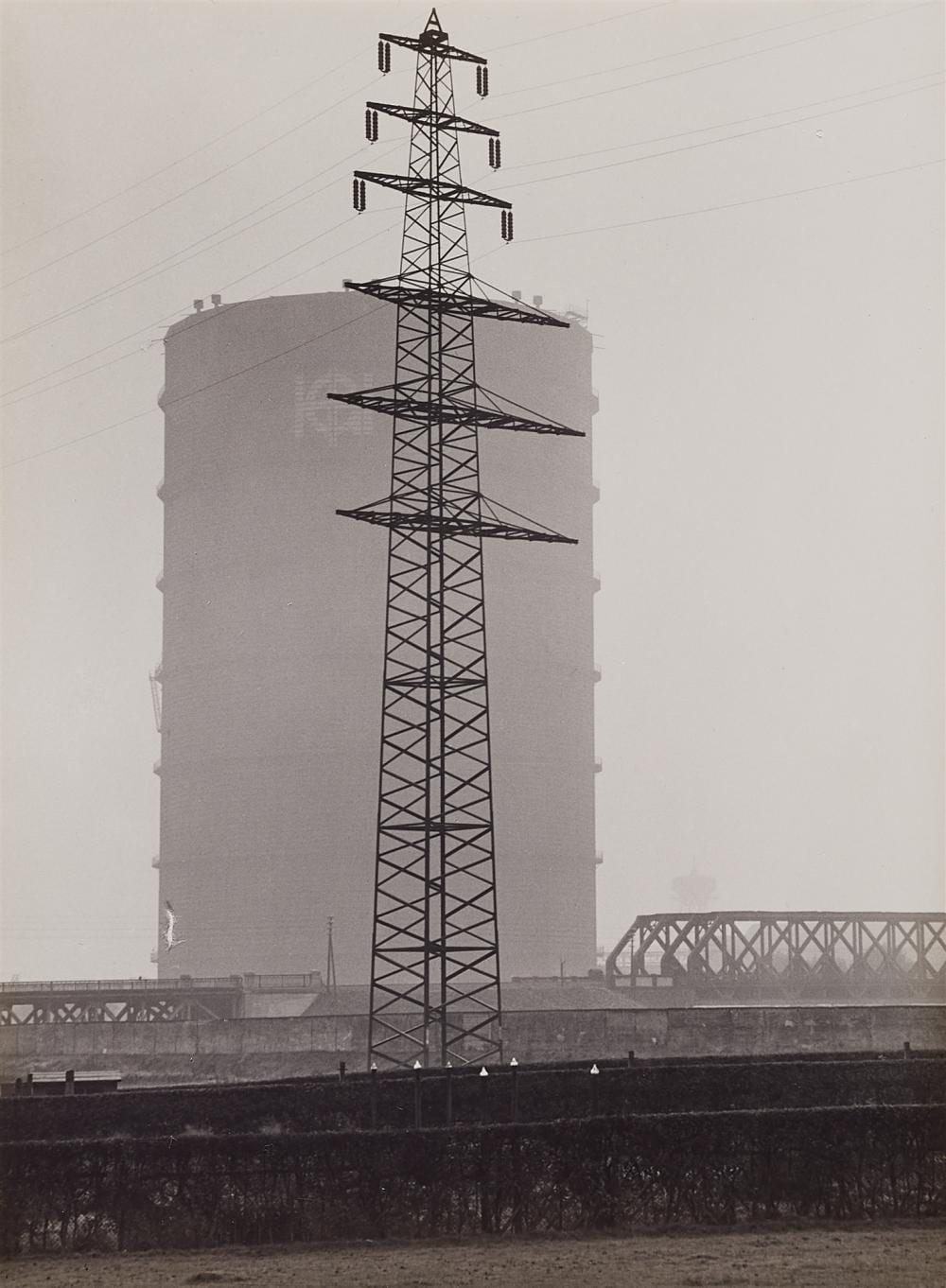
albert renger patzsch ruhrgebiet gas und strom 1932 · Lempertz · 2025-12-03 albert renger patzsch ruhrgebiet gas und strom 1932 Lempertz · 2025-12-03
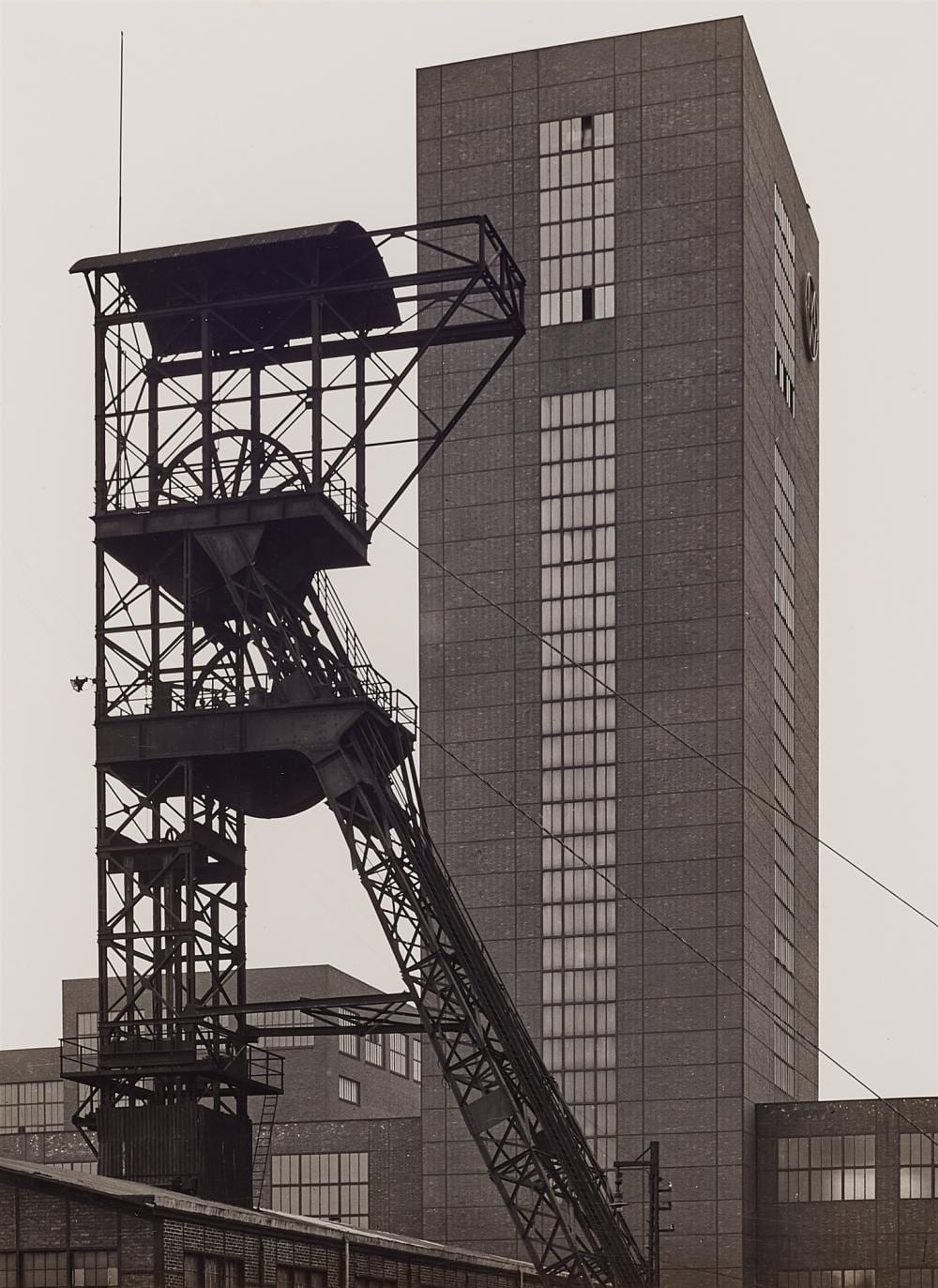
albert renger patzsch zeche katharina in essen schacht ernst tengelmann 1956 · Lempertz · 2025-12-03 albert renger patzsch zeche katharina in essen schacht ernst tengelmann 1956 Lempertz · 2025-12-03
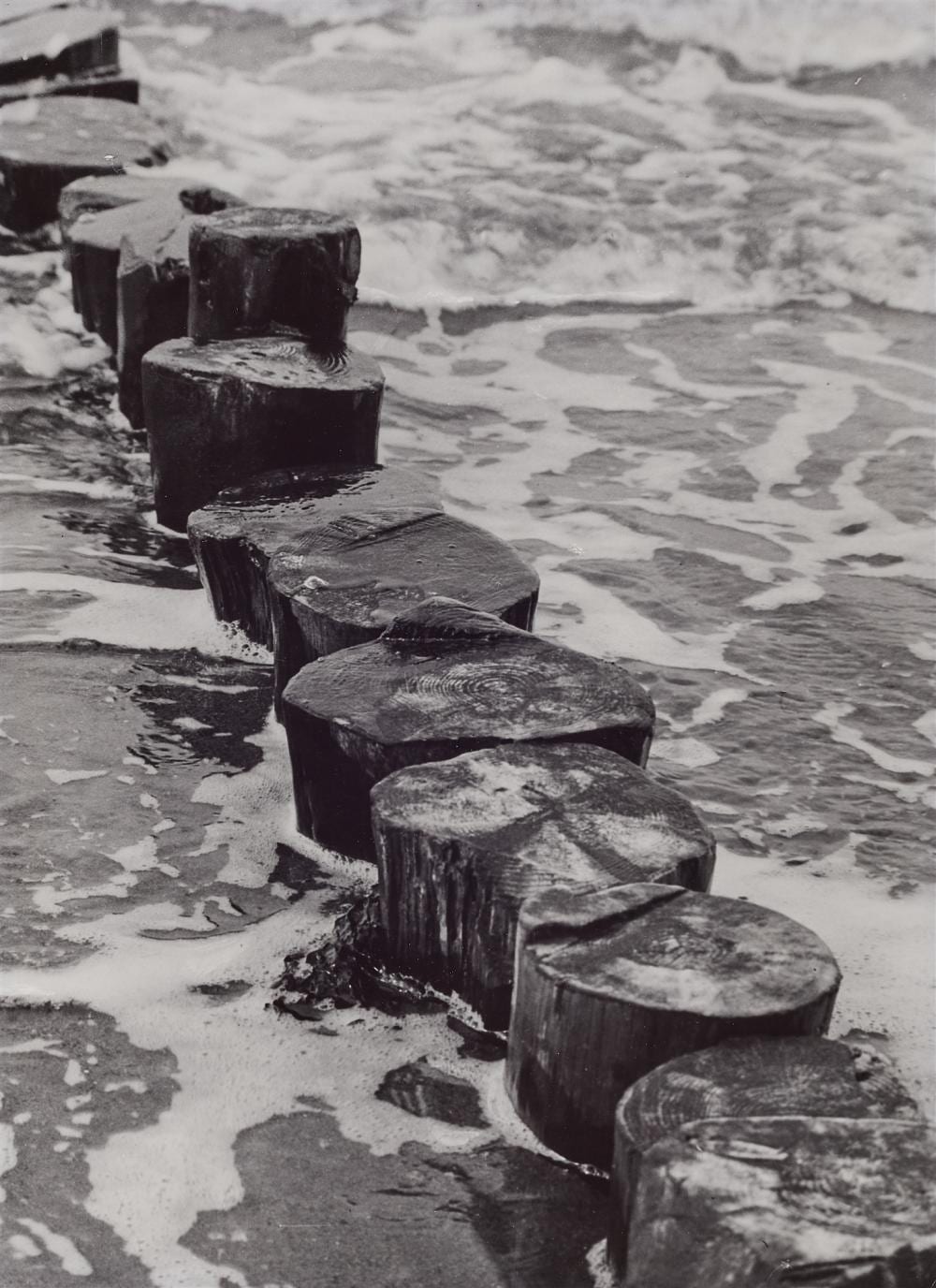
albert renger patzsch buhne 1925 · Lempertz · 2025-12-03 albert renger patzsch buhne 1925 Lempertz · 2025-12-03
Data basis
This page is built from Appraisily's public auction market index. Private transactions, incomplete sale feeds, and attribution changes may not be fully represented.
Artist value FAQ
How much is Albert Renger-Patzsch worth?
Comparable public auction sales are the best starting point, but final value depends on the specific artwork, condition, size, medium, provenance, and attribution confidence.
Can Appraisily value my Albert Renger-Patzsch artwork?
Yes. Appraisily can review photos, dimensions, signatures, condition, provenance, and comparable market data to prepare a current valuation.