Adolf Luther Auction Prices and Value Guide
Adolf Luther auction prices are tracked in Appraisily's artist market index, with source-directory coverage of 752 records. Use this page to review sold-lot activity, market context, and valuation factors before requesting a formal appraisal.
Adolf Luther auction prices: quick answer
Adolf Luther auction prices depend on medium, size, date, condition, provenance, edition details, attribution confidence, and recent comparable auction sales.
- Artist
- Adolf Luther
- Source records
- 752
- Market update
- 2026-02-06
Adolf Luther market snapshot
Adolf Luther shows deep auction liquidity with 274 tracked lots. Median realized sale is around $6,500. Category concentration is still broad or sparse. Last 12 months recorded 38 sales. Latest recorded sale: 2026-01-28.
Realized price distribution
- Under $1,000 (8.0% · 16 sales)
- $1,000 to $10,000 (52.5% · 105 sales)
- $10,000+ (39.5% · 79 sales)
- Median sale (last 12 months)
- $5,000
- Sales recorded (last 12 months)
- 38
- Median shift vs prior year
- +42.9%
- Latest recorded sale
- 2026-01-28
Artist context
About Adolf Luther
Born
1912
Died
1990
Nationality
German
Adolf Luther (1912–1990) was a German sculptor, painter, and kinetic artist recognized for his pioneering use of mirrors and glass to explore light, perception, and optical phenomena. Trained as a jurist and serving as a judge, Luther maintained an artistic practice alongside his legal career before committing fully to art from the mid-1950s. He learned painting from his father and deepened his engagement with visual art during a posting in Paris in 1942, where he frequented museums. His mature work centers on concave mirror reliefs and light-integrating sculptures that refract and scatter ambient light, placing him among the leading European kinetic artists of the post-war era. Luther held a professorship and his work is documented in major reference publications including Vollmer's Allgemeines Lexikon and Bénézit. He is recorded in international authority files including VIAF, the Getty Union List of Artist Names, the RKD, and the Library of Congress.
Kinetic Artmirrorsglasswatercolorlight and optical phenomenacourtroom scenes (early works)
Common works and media
Luther's most frequently encountered works at auction include concave mirror reliefs, light-integration sculptures using mirrored surfaces and glass, and kinetic wall pieces that respond to ambient illumination. He also produced watercolors, paintings on canvas or paper, and early figurative works depicting courtroom scenes. Collectors may find both unique sculptural objects and editioned works, particularly from his mature kinetic and optical art period beginning in the late 1950s.
Market and appraisal context
Adolf Luther's auction market is well-established, with 265 recorded lots dating from November 2005 through May 2026, of which 192 carry realized prices. The price distribution is wide but clearly tiered: the median stands at approximately €6,000, the 25th percentile near €2,838, and the 75th percentile near €15,000, with a recorded maximum of €121,250. The most commercially significant works are large-scale mirror integrations and concave mirror walls; a 'Sphärische Hohlspiegelwand' (spherical concave mirror wall) from the early 1970s realized €80,000 at Quittenbaum Kunstauktionen in October 2025, and a Dorotheum lot reached €40,000 in November 2025. A collaborative Luther-Uecker object achieved €47,880 at Christie's in May 2025. Smaller mirror objects and light locks trade in the €550–€4,000 range, while prints and minor works can fall below €300. Liquidity is steady: 24 priced lots appeared in the most recent 12-month window, versus 26 in the prior period, indicating consistent supply and demand. Major international and German auction houses—including Christie's, Sotheby's, Kunsthaus Lempertz, Grisebach, Dorotheum, Artcurial, and Koller Auctions—regularly offer Luther's work, underscoring his recognized position within the post-war and kinetic art market.
Auction categories and appraisal factors
Common auction categories
- Post-War and Contemporary Art
- Kinetic Art
- Light Art
- mirrors
- glass
Value drivers
- Medium: mirror-based sculptural works and light integrations are the most sought-after; watercolors and works on paper are more accessible at auction
- Date: works from Luther's mature period (post-1956) represent his signature practice with mirrors and light
- Condition: reflective and glass elements are vulnerable to damage, scratching, or deterioration; condition significantly affects value
- Provenance: documented exhibition history or inclusion in the Adolf Luther Stiftung records strengthens attribution
- Medium and complexity: large-scale mirror integrations and spherical concave mirror walls (€40,000–€80,000+) are valued significantly above small mirror objects and light locks (€550–€4,000); watercolors and works on paper are the most accessible segment.
- Date of execution: mature post-1956 works embody Luther's signature practice and command premium prices; pre-1956 figurative works are rarer and valued differently.
Appraisal caveats
- Luther's dual career as a jurist and artist means pre-1956 works are comparatively rare and may differ in style and medium from his mature output.
- The artist is documented in the Adolf Luther Stiftung (foundation), which may hold authoritative records useful for authentication.
- Auction prices in the source pack span multiple currencies (EUR, CHF, USD); direct comparison requires currency normalization. The distribution statistics (median, quartiles) are based on Appraisily's internal aggregation and may mix currencies.
- Some recent lots lack a recorded price (priceRealised: null), meaning buy-ins or post-sale negotiations are not captured in the distribution. The actual trading frequency is higher than 192 priced lots.
Evidence
Sources for artist context
This source-grounded artist context passed Appraisily's promotion threshold: high confidence, strong sources.
- Wikidata library authority
- VIAF library authority
- RKD (Netherlands Institute for Art History) library authority
- Library of Congress library authority
- Getty Vocabulary Program library authority
Recent sale records
Selected public auction records currently in the Appraisily lot index. Use them as market context, then request a formal appraisal before you sell, insure, or donate.

adolf luther 1912 krefeld 1990 spiegelobjekt mirror object · Karl & Faber · 2026-06-11 adolf luther 1912 krefeld 1990 spiegelobjekt mirror object Karl & Faber · 2026-06-11
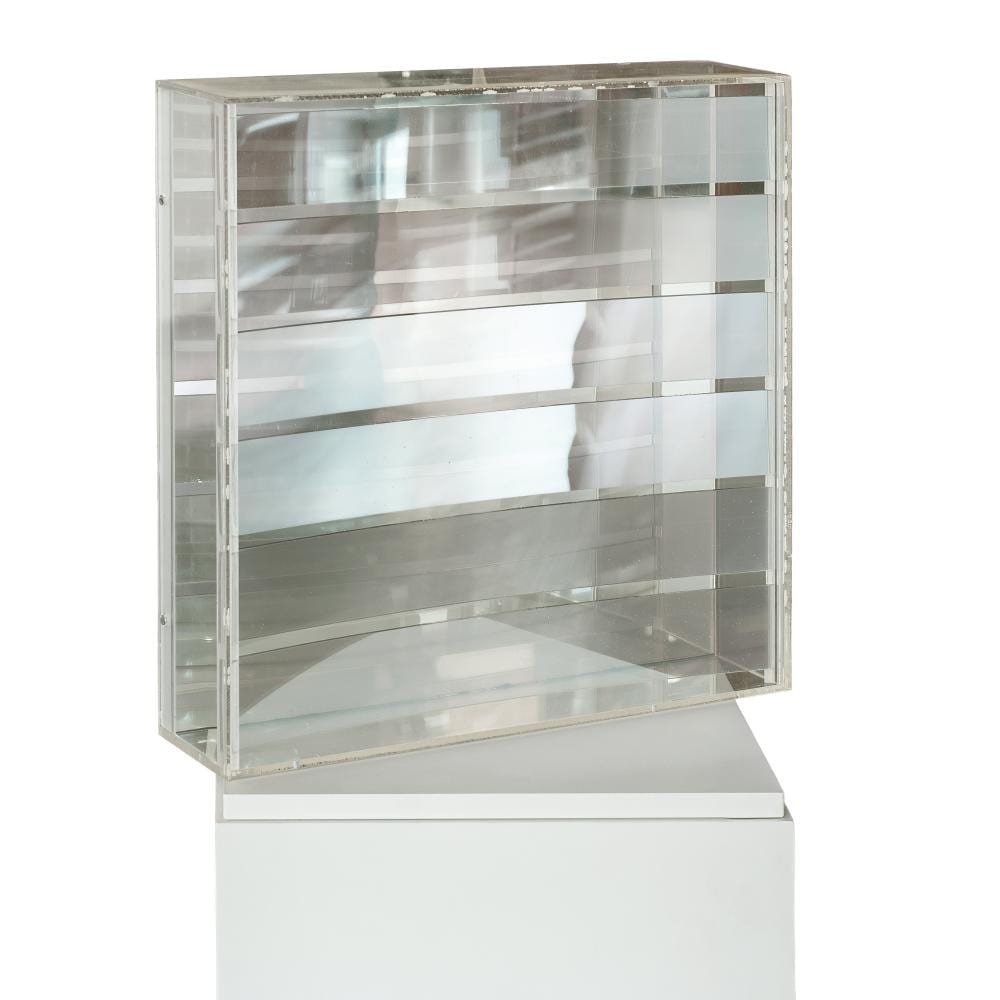
adolf luther 1912 krefeld uerdingen 1989 krefeld f · Wettmann · 2026-06-09 adolf luther 1912 krefeld uerdingen 1989 krefeld f Wettmann · 2026-06-09
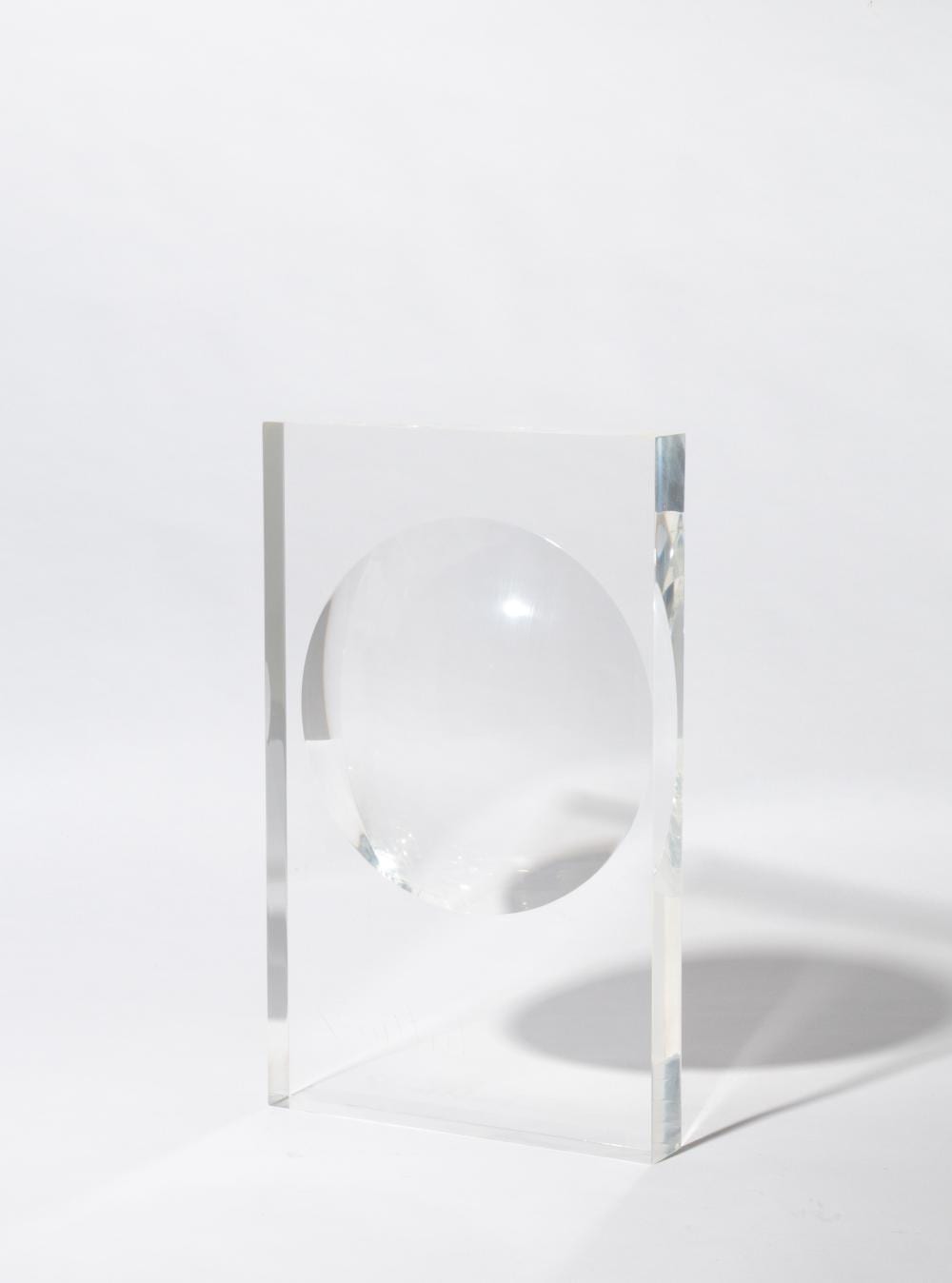
adolf luther 1912 uerdingen krefeld 1990 · AaG Auktionshaus am Grunewald · 2026-05-10 adolf luther 1912 uerdingen krefeld 1990 AaG Auktionshaus am Grunewald · 2026-05-10
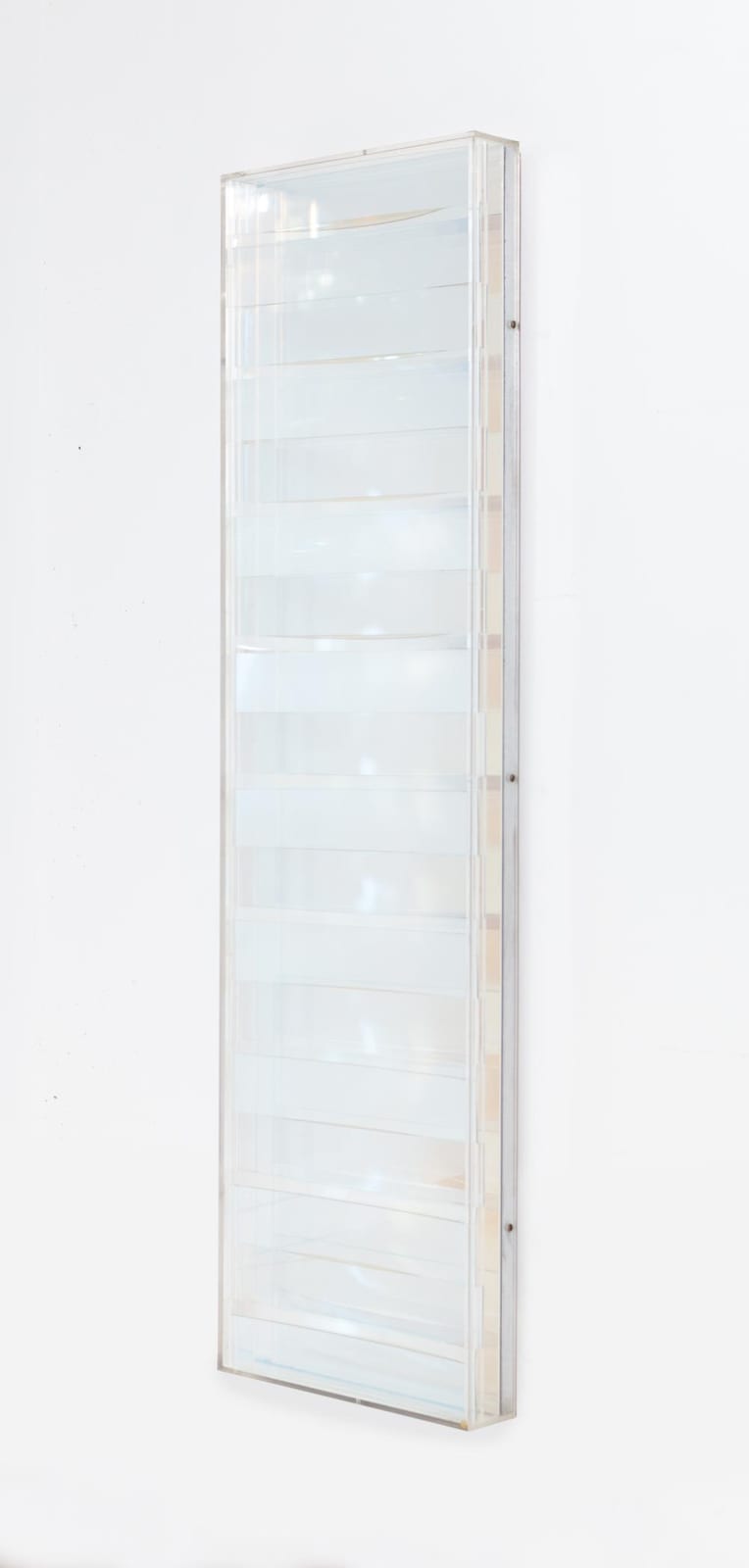
adolf luther 1912 uerdingen krefeld 1990 · AaG Auktionshaus am Grunewald · 2026-05-08 adolf luther 1912 uerdingen krefeld 1990 AaG Auktionshaus am Grunewald · 2026-05-08
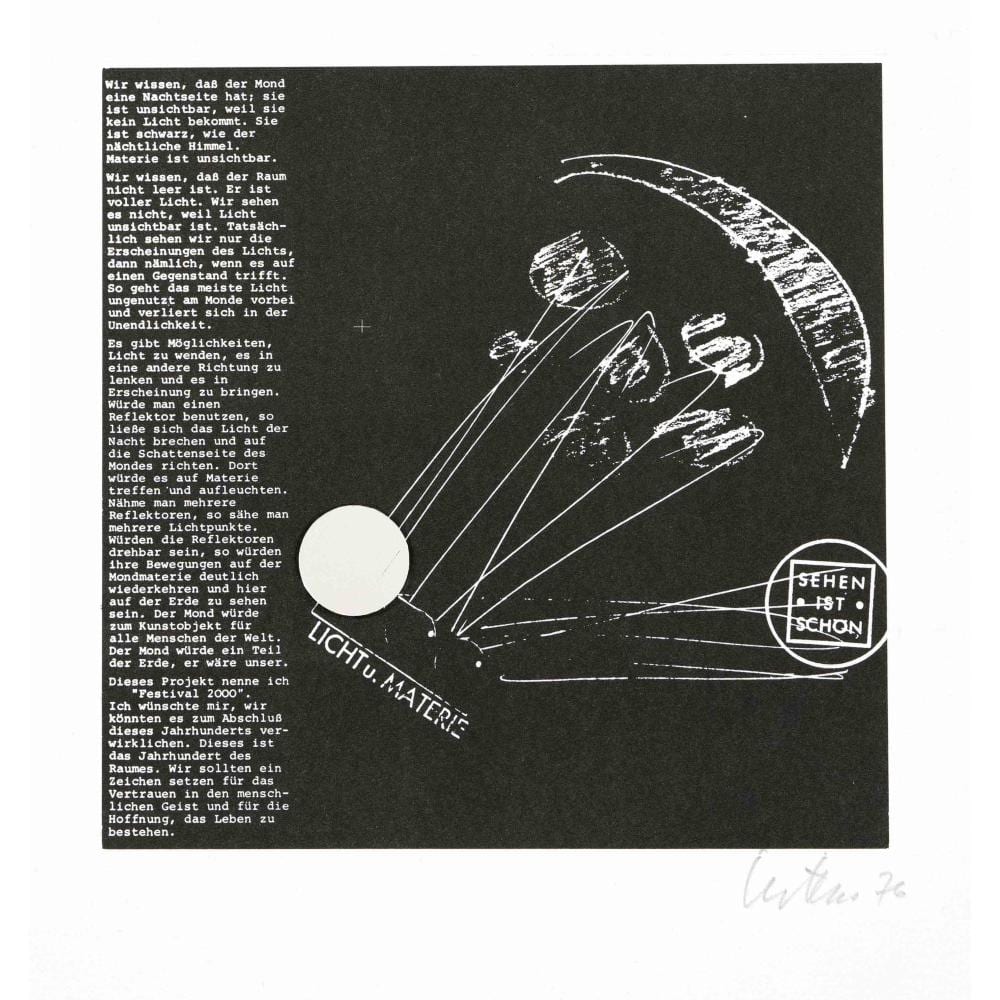
adolf luther 1912 1990 one of · Historia Auctionata · 2026-04-17 adolf luther 1912 1990 one of Historia Auctionata · 2026-04-17
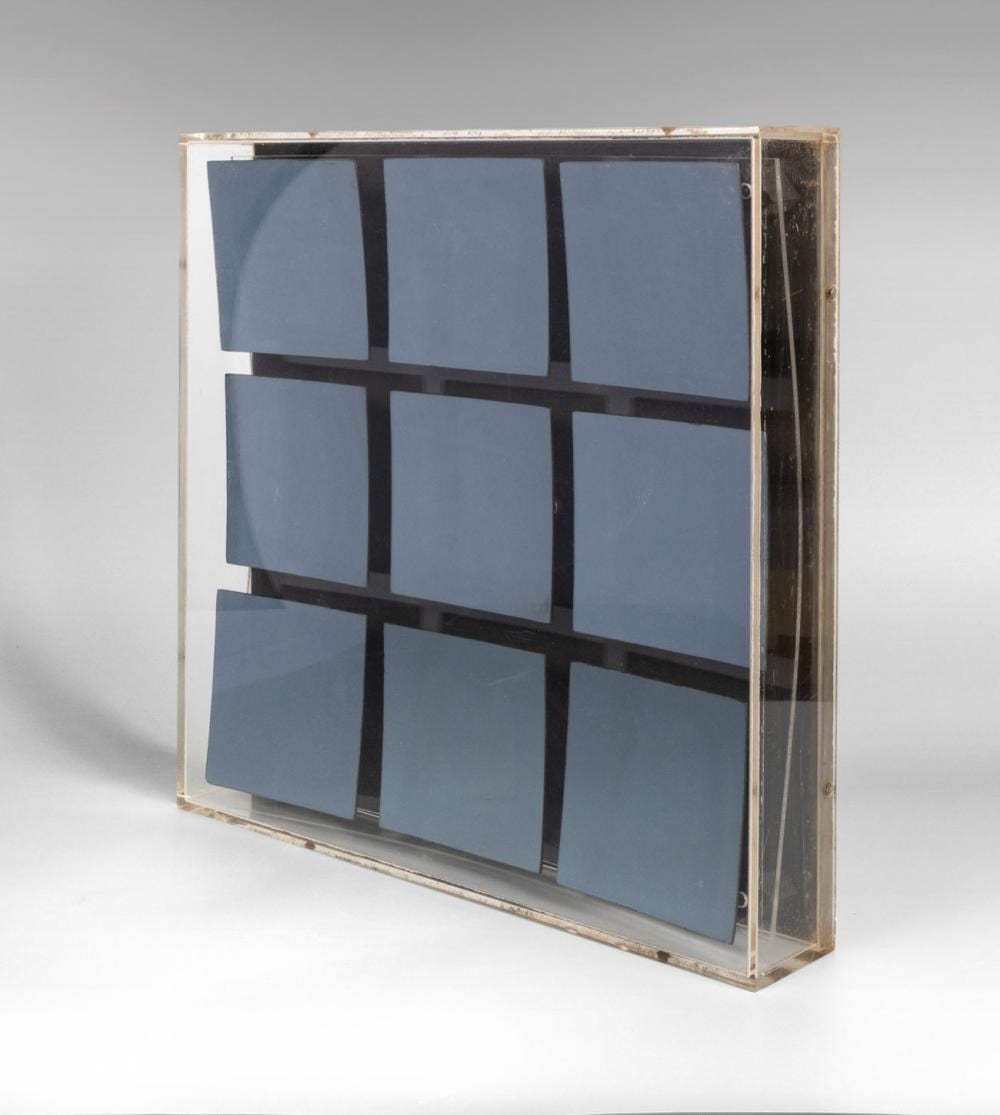
adolf luther 1912 1990 energetische plastik · Alma · 2026-03-11 adolf luther 1912 1990 energetische plastik Alma · 2026-03-11
Data basis
This page is built from Appraisily's public auction market index. Private transactions, incomplete sale feeds, and attribution changes may not be fully represented.
Artist value FAQ
How much is Adolf Luther worth?
Comparable public auction sales are the best starting point, but final value depends on the specific artwork, condition, size, medium, provenance, and attribution confidence.
Can Appraisily value my Adolf Luther artwork?
Yes. Appraisily can review photos, dimensions, signatures, condition, provenance, and comparable market data to prepare a current valuation.