Venezuelan Colonial Furniture Value: appraisal and value basics
Venezuelan Colonial Furniture Value research should start with identification, condition, provenance, and item-specific market evidence. Use this guide to compare the signals that matter before paying for a formal appraisal or deciding whether to sell.
Quick value ranges (USD): Venezuelan/Spanish colonial furniture
Pricing depends on form, wood (cedro/caoba), construction, condition, and provenance.
| Piece type (common) | Local auction (hammer) | Private sale (typical) | What pushes it higher |
|---|---|---|---|
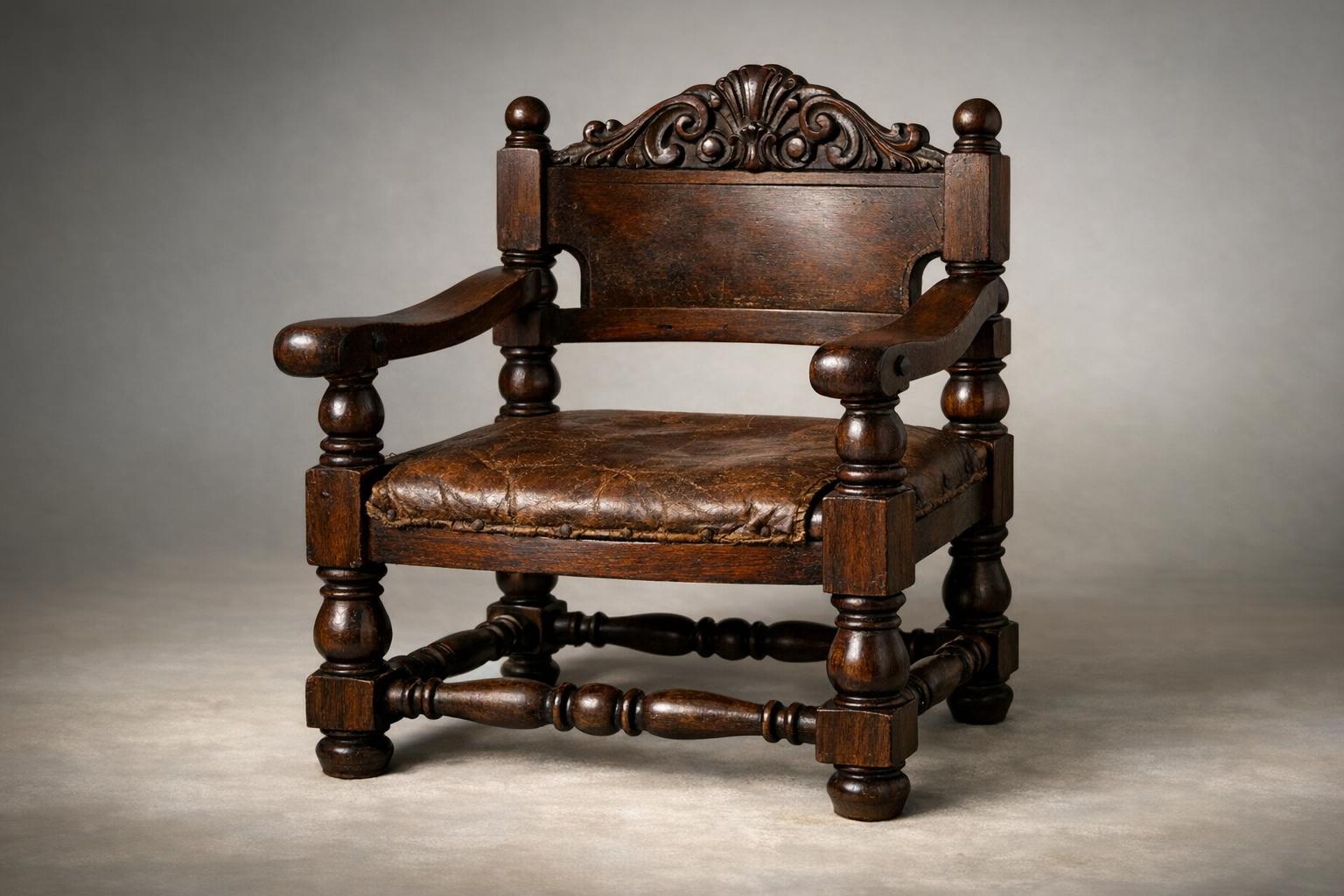
| Butaca / armchair (single) | a value that must be established from current, topic-matched sales+ | a value that must be established from current, topic-matched sales+ | Dense caoba, crisp carving, strong form, original iron hardware, documented origin. |
| Pair of armchairs | a value that must be established from current, topic-matched sales+ | a value that must be established from current, topic-matched sales+ | Matched pair, consistent surfaces, minimal repairs, period upholstery/leather, provenance. |
| Colonial coffer / chest (arcón) | a value that must be established from current, topic-matched sales | a value that must be established from current, topic-matched sales | Early date, carved front, original locks/strap hinges, good size, clean structure. |
| Carved cabinet / armoire | a value that must be established from current, topic-matched sales+ | a value that must be established from current, topic-matched sales+ | Architectural presence, caoba, intact doors/hinges, minimal worm damage, documented history. |
| Side table / console | a value that must be established from current, topic-matched sales | a value that must be established from current, topic-matched sales | Good proportions, carving, stable joinery, original surface, easy shipping. |
Reality check: large case pieces can sell for less than you’d expect at auction because shipping, stairs, and doorways become part of the buyer’s cost.
What you’re actually pricing: fair market vs insurance replacement
- Fair market value (FMV): the most realistic “what would it sell for” number.
- Insurance replacement: what it would cost to replace with a comparable piece (often higher than auction).
If you’re unsure, start with an FMV range, then note what would change it (repairs, missing parts, stronger provenance).
Cedro vs caoba: how to tell (and how it affects value)
Collectors often search for caoba (mahogany) because it’s dense, stable, and visually rich. But cedro (Spanish cedar) is historically important too—especially in panels, secondary wood, and lighter constructions.
- Color isn’t enough: finishes and oxidation can darken cedro and mute caoba’s figure.
- Weight + feel: caoba usually feels heavier and more dense; cedro can feel lighter and slightly aromatic when freshly exposed.
Carving and joinery: the fastest originality cues
For colonial furniture, originality signals come from how the piece is built. Period work is rarely “perfect”—it’s consistent with hand tools, hand fitting, and later life (repairs and wear).
Common red flags (not always deal-breakers)
- Uniform sanding across carvings: details look “soft,” corners rounded, tool marks erased.
- Mixed fasteners: modern screws in structural areas can mean a major rebuild (vs a hardware replacement).
Hardware and finish: where repairs and refinishing show up
Original hinges, locks, and nails often show consistent wear and oxidation; replacements can look too crisp or poorly fitted.
Practical takeaway: the biggest discounts come from refinishes that soften carving or mask structural issues.
Condition checklist (what discounts the price)
- Active insect damage: fresh frass, new holes, soft structural zones.
- Structural looseness: racking, split rails, failed tenons, missing stretchers.
- Missing parts: doors, shelves, original hinges/locks, key escutcheons.
Provenance that actually adds value
Provenance builds buyer confidence. Even modest documentation can lift a piece above “colonial-style.”
- Old photos: the furniture in a home or church setting (even mid-20th century photos help).
- Estate letters and inventories: names + locations + dates beat vague descriptions.
- Export/import paperwork: helps establish lawful movement and timeline.
Sold market evidence: real auction examples (and what they tell you)
These are sold outcomes from Appraisily’s internal auction results database. Use them as anchors, then adjust for form, documentation, and condition. (Currencies shown as reported.)
Comparison #1: Museum-grade Spanish colonial case pieces (Sotheby’s)
Sotheby’s (Jul 5, 2023), lot 33: Pair of Spanish colonial bureau-cabinets (Viceroyalty of Peru). Hammer: £241,300 (GBP).
Comparison #2: Spanish colonial cabinet-on-stand (Christie’s)
Christie’s (Nov 5, 2009), lot 277: Spanish colonial cabinet-on-stand. Hammer: £43,250 (GBP).
Comparison #3: Early colonial chest benchmark (La Suite Subastas)
La Suite Subastas (Dec 15, 2020), lot 82: Colonial chest (Peru or Mexico). Hammer: €11,000 (EUR).
How to use market evidence: first match the form (butaca vs coffer vs cabinet). Then adjust for: (1) wood density and quality, (2) carving depth and crispness, (3) structural integrity, (4) originality of hardware/surface, and (5) provenance strength.
How to sell Venezuelan colonial furniture safely
- Local private sale: strongest for large case pieces when shipping is impractical.
- Consignment or auction: best when you need a curated buyer pool.
- Documentation: include joinery + hardware photos and any provenance scans.
Photo checklist for an accurate valuation
Take photos that let a reviewer confirm form, construction, and changes.
Photo guide: details buyers care about
Search variations collectors ask
Readers often Google these long-tail questions while pricing Venezuelan/Spanish colonial furniture:
- venezuelan colonial furniture value guide (cedro vs caoba)
- how to tell cedro from caoba in antique furniture
- venezuelan butaca chair value and identification
- spanish colonial armoire value (carving and caoba)
- how does provenance affect spanish colonial furniture prices
- is refinishing colonial furniture bad for value
- how to spot period joinery on colonial furniture (dovetails, pegs)
- where to sell latin american colonial furniture safely
Each question is answered in the sections above (ranges, value drivers, identification cues, and market evidence).
References
- comparable-sale records cited in-text sourced via Appraisily’s internal auction results database.
- Species names referenced for wood ID context: cedro (Cedrela odorata) and caoba/mahogany (Swietenia spp.).