
Value of old poison bottles
Old poison bottle value depends on color, tactile warning form, embossing, age, glass quality, condition, rarity, and whether collectors want that exact type.
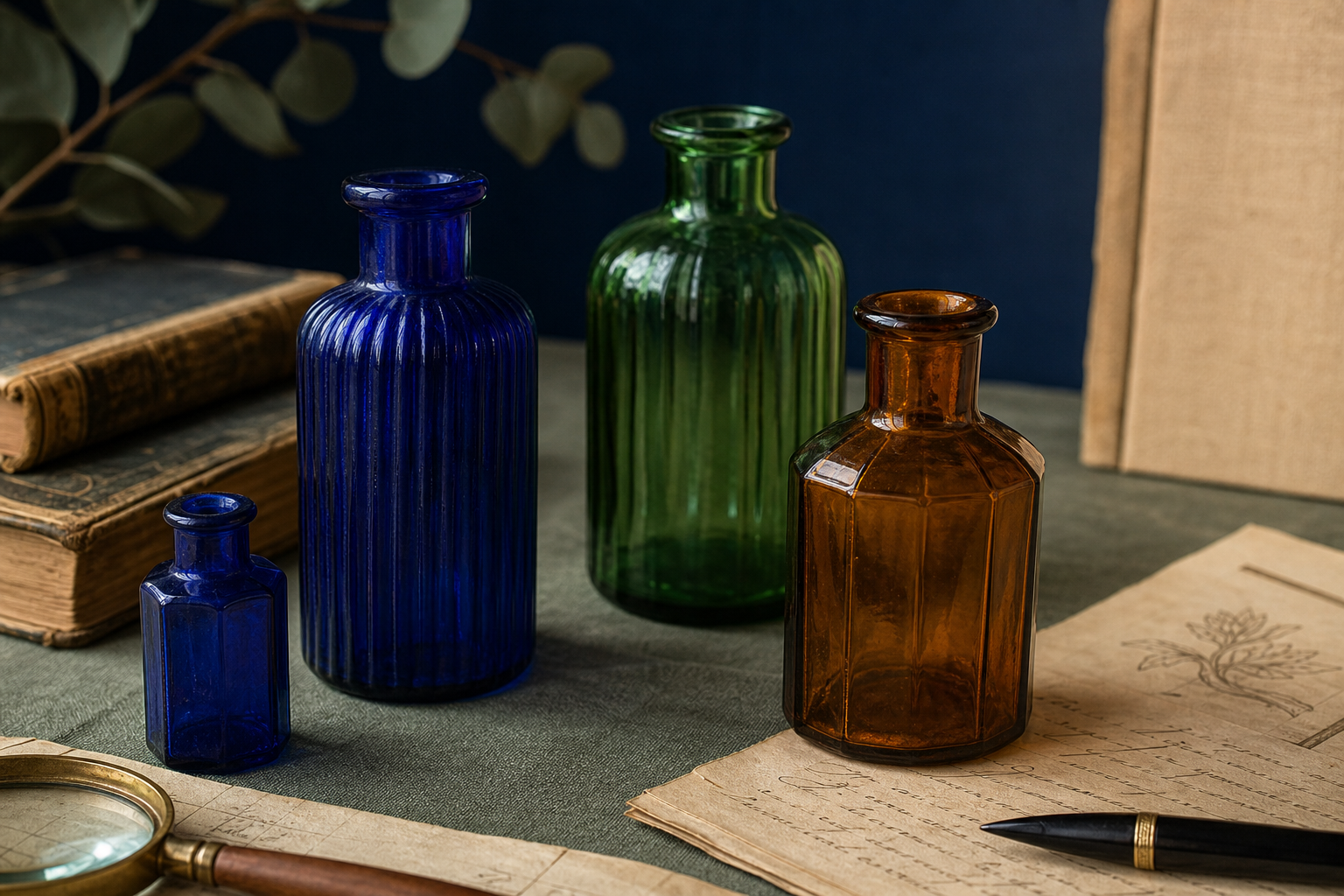
Found old poison bottles and want to know if they matter?
Upload photos. We identify the bottles, check real sales, and show the right appraisal path.
Upload photos for a free first lookStart an appraisalQuick value checklist
- Check color, ribs, hobnails, warning words, shape, base, lip, stopper, label, and whether residue remains.
- Separate common small ribbed chemist bottles from scarcer cobalt, green, fancy, hand-blown, or unusual forms.
- Do not open or clean unknown residue before documenting the bottle.
Key value drivers
Cobalt blue, emerald, unusual forms, strong warning embossing, early hand-blown construction, original stopper, rare size, and clean condition can help. Cracks, chips, sick glass, missing stoppers, reproduction forms, and common duplicated groups reduce value.
Auction evidence from Appraisily's database
These records are market examples, not final appraisals. They show that poison bottle results vary by type, color, rarity, and condition.
| Photo | Category | Sale | Date | Lot | Realized | What it shows |
|---|---|---|---|---|---|---|
| No lot image | Bristol blue poison bottles | Flints Auctions Ltd | Mar. 12, 2025 | Pair of Bristol Blue Poison Bottles | GBP 750 | Color and form can place examples in a stronger tier. |
 | Apothecary and cobalt poison bottle group | Schmitt Horan and Co. | Aug. 9, 2025 | Eight apothecary jars and a cobalt blue poison bottle | USD 175 | Poison bottles often appear within apothecary groups. |
| No lot image | Hexagonal poison bottles | Jeffrey S. Evans and Associates | Nov. 21, 2024 | C.L.G. Co. hexagonal KI-1 poison bottles, lot of two | USD 212 | Shape and maker details matter. |
| No lot image | Amber and blue poison bottles | Albion Antique Auction Centre | Apr. 17, 2025 | Selection of amber glass and blue glass poison bottles | AUD 20 | Some groups are modest when examples are common. |
Condition and authenticity cautions
Do not handle unknown residues casually. Cracks, lip chips, sick glass, replaced stoppers, fake aging, and reproduction warning bottles can materially change value. Auction records are evidence, not certainty.
Photo checklist
- Front, back, sides, base, lip, ribs or panels, warning text, stopper, label, residue, and scale reference.
- Close-ups of chips, cracks, haze, sick glass, residue, repair, stopper fit, and any provenance notes.
Related guides
Collectibles guides, value of old blue glass bottles, value of old medicine bottles, antique medicine bottle identification, value of old bottles, free bottle appraisal app.
Free instant estimate
Not sure if your antique bottle is worth appraising? Let us take a look.
Upload a photo, tell us what you know, and get a free first read. If a full appraisal makes sense, we will say so.
Free. No card needed. Takes about two minutes.
Choose your next step
Use the path that matches the decision you need to make about the item.
Not sure it is worth appraising?
Start with a lower-friction screen to understand the likely category, evidence, and next step.
Upload photos for a free first lookWant proof before paying?
See how a signed report documents photos, comparable evidence, condition notes, and value conclusions.
View signed report sampleNeed a signed report?
Use this for insurance, estate, donation, resale, or documented value decisions.
Need documentation now? Start signed appraisalNeed local or specialist help?
Compare directory options when the work needs in-person review or a specialist near you.
Find local specialistsSee what the report looks like
Sample reports show how photos, comparable evidence, condition notes, and a value conclusion are documented.
Found an old item and want to know if it matters?
Upload photos. We identify the object, check real sales, and show the right appraisal path.
Upload photos for a free first lookExplore antique appraisals