Are you curious about the value of an old German beer stein sitting in your attic or displayed on your shelf? These iconic drinking vessels have captivated collectors for generations, with some rare examples fetching thousands of dollars at auction. Understanding what makes a German beer stein valuable requires knowledge of their history, craftsmanship, and distinctive characteristics.
In this comprehensive guide, we’ll explore everything you need to know about valuing old German beer steins – from identifying documented pieces to recognizing valuable maker’s marks and determining accurate market values for your collectibles.
Table of Contents
- The History of German Beer Steins
- Types of German Beer Steins
- Identifying Documented German Beer Steins
- Valuable German Beer Stein Makers
- Understanding German Beer Stein Markings
- Factors Affecting Beer Stein Values
- Price Guide for German Beer Steins
- Notable Beer Stein Auction Results
- Where to Sell German Beer Steins
- Resources for Beer Stein Collectors
- FAQs About German Beer Stein Values
The History of German Beer Steins
The history of German beer steins is deeply connected to Germany’s brewing traditions. The word “stein” derives from the German “Steingut” (stoneware) or “Steinzeugkrug” (stoneware jug).
The development of beer steins was notably influenced by the bubonic plague and various hygiene laws implemented throughout Europe during the 14th century. These laws required that food and drink containers be covered to prevent contamination, which led to the creation of the hinged pewter lids that are now characteristic of traditional German beer steins.
By the Renaissance period, steins had become more decorative, featuring intricate relief work, enamel, and pewter fittings. The 16th and 17th centuries saw the emergence of ornate beer steins as status symbols among the wealthy.
Evolution of German Beer Steins
- 14th Century
Origins & Plague Influence
The bubonic plague led to health ordinances requiring covered drink containers, establishing the lidded beer stein design.
- 16th-17th Centuries
Renaissance Craftsmanship
Beer steins became more ornate and artistic, with intricate relief work, painted scenes, and decorative pewter lids.
- 18th-19th Centuries
Industrial Revolution
Mass production techniques emerged, making steins more accessible while maintaining quality craftsmanship.
- Late 19th-Early 20th Century
Regimental Stein Era
Popular military steins commemorating German military service became prevalent and are now highly collectible.
- Present Day
Collector's Market
Antique German beer steins have become valuable collectibles, with rare examples commanding thousands of dollars.
The age of a beer stein is one of the primary determinants of its value. Generally, steins manufactured before 1900 are considered antique, while those made between 1900-1970 are classified as vintage. Contemporary steins (post-1970) typically have lower collectible value unless they’re limited editions or feature exceptional artistry.
Types of German Beer Steins
German beer steins can be categorized by their primary materials, which significantly impact their collectible value:
Ceramic Beer Steins
Ceramic steins include both earthenware and stoneware varieties. Earthenware steins are made from clay fired at lower temperatures, resulting in a porous body typically covered with a glaze. Stoneware steins, fired at higher temperatures, are more durable and water-resistant.
Many ceramic steins feature:
- Hand-painted decorative scenes
- Relief (raised) designs
- Traditional German motifs
- Character steins shaped like figures or objects
Pewter Beer Steins
Pewter steins are made from an alloy primarily composed of tin with small amounts of antimony, copper, and lead (in antique pieces). They tend to be heavier than ceramic steins and often feature:
- Intricate engraving
- Ornate thumblifts (the lever used to open the lid)
- Relief scenes
- Commemorative inscriptions
Glass Beer Steins
Glass steins gained popularity in the 19th century with improvements in glassmaking. These steins often feature:
- Etched or cut designs
- Enameled decorations
- Pewter mountings and lids
- Colored glass accents
Crystal Beer Steins
Crystal steins are made from glass containing lead oxide, giving them greater clarity and brilliance. These premium steins often feature:
- Elaborate cut designs
- Superior clarity
- Higher price points
- Prestigious maker’s marks
Regimental Beer Steins
Regimental steins are a specialized category commemorating military service, primarily from 1890-1918. These highly collectible steins typically feature:
- Military insignia and emblems
- Names of military units
- Portraits of soldiers or commanders
- Battle scenes or military activities
- Personalization to the original owner
Collectors should note that the beer stein market, like many collectibles markets, experiences trends and fluctuations. What’s highly sought after today may be less desirable in the future, though quality pieces from prestigious manufacturers tend to maintain their value more consistently.
Price Guide for German Beer Steins
While individual steins can vary significantly in value based on the factors previously discussed, this general price guide provides a framework for understanding current market values:
Entry-Level Collectible Steins
Price Range: a value that must be established from current, topic-matched sales
- Contemporary German steins (post-1970s)
- Mass-produced vintage steins without significant artistic merit
- Steins with minor damage or repairs
- Unmarked or lesser-known manufacturers
- Modern limited editions and commemoratives
Mid-Range Collectible Steins
Price Range: a value that must be established from current, topic-matched sales
- Quality vintage steins (1900-1970) from known manufacturers
- Steins with good artistic quality and condition
- Basic Mettlach steins in standard designs
- Moderately rare character steins
- Entry-level regimental steins
- Lidded steins with quality pewter work
Premium Collectible Steins
Price Range: a value that must be established from current, topic-matched sales
- Fine antique steins (pre-1900) in excellent condition
- Better Mettlach etched and relief steins
- Quality regimental steins from desirable units
- Exceptional artistic pieces from top manufacturers
- Character steins with complex designs
- Documented historical pieces
Museum-Quality Steins
Price Range: a value that must be established from current, topic-matched sales+
- Rare Mettlach masterworks
- Important historical regimental steins
- Extremely rare character steins
- Museum-exhibited examples
- Pieces with significant historical provenance
- Steins by recognized master artists
Recent Market Trends
The German beer stein market has seen several notable trends:
- Rising Regimental Values: Military-related steins continue to appreciate, especially those with documented history
- Character Stein Premium: Unusual character steins have seen significant price increases
- Condition Emphasis: Perfect or near-perfect condition commands increasingly higher premiums
- Documentation Value: Documented provenance adds substantial value in the current market
- Online Market Expansion: Online platforms have expanded the collector base globally
As with any collectible, values can fluctuate based on broader economic conditions, collector interest, and new discoveries affecting rarity. For the most accurate valuation of a specific stein, consult with a specialized appraiser or refer to recent auction results for comparable items.
Notable Beer Stein Auction Results
Tracking significant auction results helps collectors understand the upper reaches of the beer stein market. Here are some notable sales that demonstrate what exceptional examples can command:
| Category | Price | Notes |
|---|---|---|
| Mettlach (Villeroy & Boch) | a value that must be established from current, topic-matched sales | Higher for rare etched models and character steins |
| Marzi & Remy | a value that must be established from current, topic-matched sales | Premium for relief and character designs |
| Simon Peter Gerz | a value that must be established from current, topic-matched sales | Higher for regimental and historical designs |
| Reinhold Merkelbach | a value that must be established from current, topic-matched sales | Premium for blue salt-glazed examples |
| J.W. Remy | a value that must be established from current, topic-matched sales | Higher for exceptional etched designs |
| Regimental Steins (Various) | a value that must be established from current, topic-matched sales | Depending on rarity and historical significance |
| a condition-specific range Value reduction for steins with repairs or significant damage | a condition-specific range Premium for steins with documented historical provenance | a condition-specific range Value increase for rare limited edition or numbered pieces |
</tbody> </table>
These exceptional sales represent the upper echelon of the market and typically involve steins with a combination of rarity, perfect condition, historical significance, and impeccable provenance. While most collectors won’t encounter steins of this caliber, these results demonstrate the potential value of truly extraordinary examples.
Where to Sell German Beer Steins
If you’re looking to sell German beer steins, several options are available, each with its own advantages and considerations:
Specialized Auction Houses
Best for: High-value, rare, or historically significant steins
- Advantages: Access to serious collectors, expert marketing, potential for bidding wars
- Considerations: Commission fees (typically a condition-specific range), longer timeline, minimum value requirements
Online Marketplaces
Best for: Mid-range steins with established collector interest
- Advantages: Wide audience reach, relatively quick sales, control over pricing
- Considerations: Shipping logistics, payment security, competition from other sellers
- Popular platforms: eBay, Etsy (for vintage items), Ruby Lane
Collector Clubs and Organizations
Best for: Finding knowledgeable buyers who appreciate specific types of steins
- Advantages: Targeted audience, knowledgeable buyers, networking opportunities
- Considerations: Membership may be required, smaller audience than public marketplaces
- Examples: Stein Collectors International
Antique Dealers and Shows
Best for: Getting immediate offers and avoiding shipping hassles
- Advantages: Face-to-face transactions, immediate payment, expert opinions
- Considerations: Typically offer wholesale prices, location dependent, seasonal availability
Consignment Shops
Best for: Sellers who want minimal personal involvement
- Advantages: Store handles marketing and sales, physical display of items
- Considerations: High commission fees (typically a condition-specific range), slower sales cycle
For the best results:
- Research item-specific market evidence before setting a price
- Provide detailed photographs and descriptions
- Include any known history or provenance
- Be prepared to document your stein if it’s high-value
- Consider having valuable steins professionally appraised before selling
Resources for Beer Stein Collectors
Serious collectors and those interested in learning more about German beer steins can benefit from these valuable resources:
External Resources for German Beer Stein Collectors
Stein Collectors International
The largest organization dedicated to beer stein collecting, offering newsletters, conventions, and educational resources for collectors of all levels.
Beer Stein Value Guide
Comprehensive guide to understanding beer stein values with detailed information on makers, marks, and market trends.
Antique German Beer Steins: Values and History
Detailed overview of German beer stein history, values, and collecting tips with identification guidance.
SteinsCenter Appraisals
Professional appraisal service specializing in German beer steins with expertise in rare and valuable examples.
Beer Stein Marks Database
Reference database of manufacturer marks and symbols to help identify and document German beer steins.
eBay German Beer Stein Marketplace
Active marketplace for buying and selling German beer steins with current prices and availability.
Recommended Books for Collectors
These reference books are invaluable for serious collectors:
- The Beer Stein Book: A 400 Year History by Gary Kirsner
- Mettlach Book Vol. 2, 1885-1905 by Roy C. De Selms
- The Illustrated Guide to 500 Collectible Mettlach Steins by Roy De Selms
- Regimental Beer Steins of the Imperial German and Royal Bavarian Armies by John D. Stuart
- Character Steins: A Collector’s Guide by Eugene V. Manusov
Collector Clubs and Organizations
Joining collector organizations provides networking opportunities and specialized knowledge:
- Stein Collectors International (SCI) - Global organization with local chapters
- First Coast Stein Enthusiasts - Florida-based club with online presence
- Prosit - Quarterly publication for beer stein collectors
- The Mettlach Book Club - Specialized group focused on Mettlach steins
Online Forums and Communities
Virtual communities where collectors share knowledge and experiences:
- Beer Stein Collectors Forum
- Antique Steins Collectors Group (Facebook)
- Reddit r/Breweriana
These resources can help collectors at all levels expand their knowledge, connect with fellow enthusiasts, and make more informed decisions about their collections.
Frequently Asked Questions About German Beer Stein Values
Common Questions About German Beer Stein Values
How do I know if my German beer stein is valuable?
- Attribution review: Check for maker’s marks on the bottom or inside the pewter lid
- Age: Generally, steins manufactured before 1900 are considered antique and more valuable
- Condition: Damage significantly reduces value; look for cracks, chips, or repairs
- Manufacturer: Premium makers like Mettlach, Marzi & Remy, and Gerz command higher prices
- Rarity: Limited editions, unusual designs, or discontinued patterns increase value
- Historical significance: Regimental steins or those commemorating important events tend to be more valuable
How can you tell how old a beer stein is?
- Maker’s marks: Different eras used distinctive markings (e.g., "Germany" indicates post-1891, "West Germany" indicates 1949-1990)
- Pewter lid composition: Older lids (pre-1900) generally contain lead, while newer ones don’t
- Base features: Unglazed rings on ceramic steins where they sat during firing are typical of older pieces
- Manufacturing techniques: Hand-painted details versus decals or transfers
- Style and design elements: Different periods featured distinctive artistic styles
- Form numbers: Some manufacturers used numerical systems that can help date pieces
What are the different types of German beer steins?
-
Ceramic Beer Steins: Including both earthenware and stoneware varieties with hand-painted or relief decorations
-
Pewter Beer Steins: Made primarily from tin alloy, featuring engraved designs and sometimes glass or porcelain inlays
-
Glass Beer Steins: Often featuring etched or enameled designs with pewter mountings and lids
-
Crystal Beer Steins: Premium glass containing lead oxide for greater clarity, typically with cut designs
-
Regimental Beer Steins: Military commemorative steins featuring unit insignia and personalization
-
Character Steins: Novelty steins shaped like human figures, animals, or objects
-
Mettlach Steins: Premium steins made by Villeroy & Boch in Mettlach, known for exceptional quality
Why are some beer steins so expensive?
-
Craftsmanship: Genuine antique steins often represent hundreds of hours of skilled handwork by master artisans
-
Materials: High-quality steins use premium materials such as fine pewter, hand-painted porcelain, or crystal
-
Historical significance: Many steins commemorate important historical events or military service
-
Rarity: Limited production runs, especially of pre-WWI steins, create scarcity in the market
-
Condition: Perfect or near-perfect examples of antique steins are increasingly rare
-
Provenance: Documented history of ownership can significantly increase value
-
Collector demand: Strong international interest from collectors creates competitive bidding for premium examples
Where can I sell my vintage German beer steins?
-
Specialized auction houses: Best for high-value steins (a value that must be established from current, topic-matched sales), offering expert marketing to serious collectors (Example: Heritage Auctions)
-
Online marketplaces: Platforms like eBay or Etsy provide access to a wide audience of collectors
-
Collector clubs: Organizations like Stein Collectors International can connect you with knowledgeable buyers
-
Antique dealers: Local dealers may offer immediate payment, though typically at wholesale prices
-
Consignment shops: Specialty breweriana shops may sell your stein for a commission
-
Beer stein specialty shops: Businesses like SteinsCenter sometimes purchase collections
How can I identify documented German beer stein markings?
-
Manufacturer marks: Look for established names like Mettlach (V&B with tower), Gerz (crown with GERZ), or Marzi & Remy (M&R)
-
Form/model numbers: Often stamped or incised on the bottom (Mettlach used 4-digit numbers)
-
Capacity markings: Traditional "L" or "Liter" marks indicating volume
-
Origin indicators: "Germany" (post-1891), "Made in Germany" (post-1914), or "West Germany" (1949-1990)
-
Pewter lid markings: Quality marks (tin share) and artisan hallmarks
-
Hand-painted marks: Artist signatures or studio marks on hand-decorated pieces
Red flags for reproductions include perfectly uniform coloring, "aged" appearance that washes off, inconsistent markings, or suspiciously low prices for supposedly rare pieces.
For certainty, compare markings to reference books or online databases specialized in German beer stein identification.What is the most valuable type of German beer stein?
-
Rare Mettlach masterworks: Particularly numbered limited editions with exceptional artistry (a value that must be established from current, topic-matched sales+)
-
Important regimental steins: Especially those from elite or historical units with documented provenance (a value that must be established from current, topic-matched sales)
-
Pre-1850 antique steins: Particularly those with silver mountings or historical significance (a value that must be established from current, topic-matched sales+)
-
Exceptional character steins: Unusual or complex designs from prestigious makers (a value that must be established from current, topic-matched sales)
-
Royal presentation pieces: Steins created for nobility or as diplomatic gifts (a value that must be established from current, topic-matched sales)
-
Museum-exhibited examples: Steins with documented museum provenance (a value that must be established from current, topic-matched sales)
The absolute highest values are typically achieved by steins that combine multiple value factors: extreme rarity, impeccable condition, prestigious maker, historical importance, and documented provenance.
A 1900 German Regimental Stein sold for a value that must be established from current, topic-matched sales in 2023, and certain 17th-century silver-mounted examples have exceeded a value that must be established from current, topic-matched sales at major auction houses.Conclusion: Valuing Your German Beer Stein Collection
Understanding the value of old German beer steins requires knowledge of their history, craftsmanship, and the current collector’s market. While some mass-produced steins have minimal collectible value, documented period examples from prestigious manufacturers can be worth hundreds or even thousands of dollars.
The most valuable German beer steins typically combine several desirable elements: prestigious maker, excellent condition, historical significance, exceptional artistry, and proper documentation. By learning to recognize these factors, you can better appreciate, collect, and potentially profit from these fascinating historical artifacts.
Whether you’re a dedicated collector or simply inherited an old family stein, taking the time to properly identify and appraise your German beer steins can be both rewarding and potentially lucrative. Use the resources mentioned in this guide to deepen your knowledge and connect with the vibrant community of beer stein enthusiasts.
Remember that condition is paramount—even the rarest stein loses significant value if damaged. Proper care, display, and documentation will help preserve both the physical condition and historical context that make these pieces so collectible.
Note: We couldn’t find enough auction records that directly match Old German Beer Stein Value: Maker Marks, Mettlach, Lid, Decoration and Condition to publish a defensible price table. If you are valuing a specific item, include its maker, model, material, photos, and condition so the search can be narrowed.
What similar items actually sold for
To help ground this guide in real market activity, here are recent example auction comps from Appraisily’s internal database. These matched sales are market context only, not an object estimate or identification, and they do not guarantee a price for your specific value of old german beer steins.
Shown USD range: USD 250-USD 500. Median of these 5 USD examples: USD 275.
| Comparable | What sold | Auction house | Date | Lot | Source-reported amount |
|---|---|---|---|---|---|
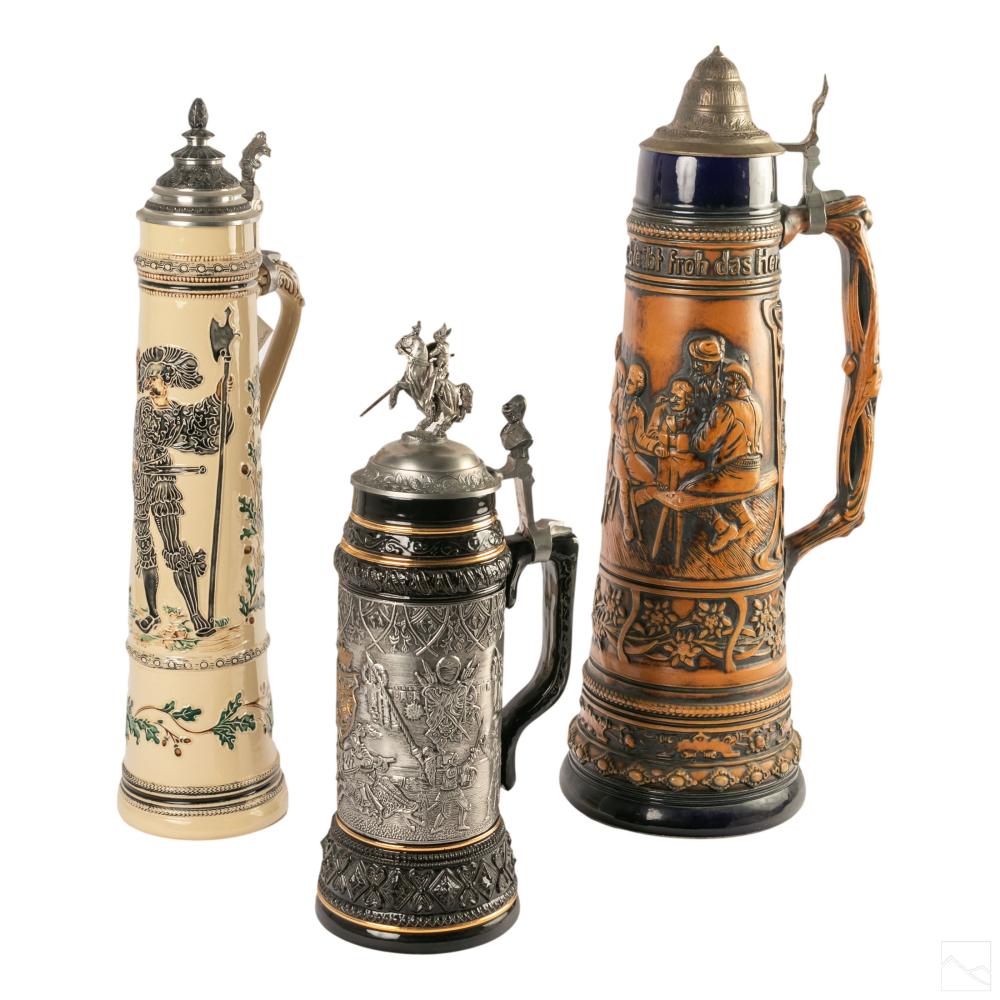 |
Gerz & Thewalt Monumental German Beer Steins GroupSource blocked; provenance matched | Hill Auction Gallery | 2021-05-26 | 442 | USD 275 (buyer’s-premium treatment unknown) |
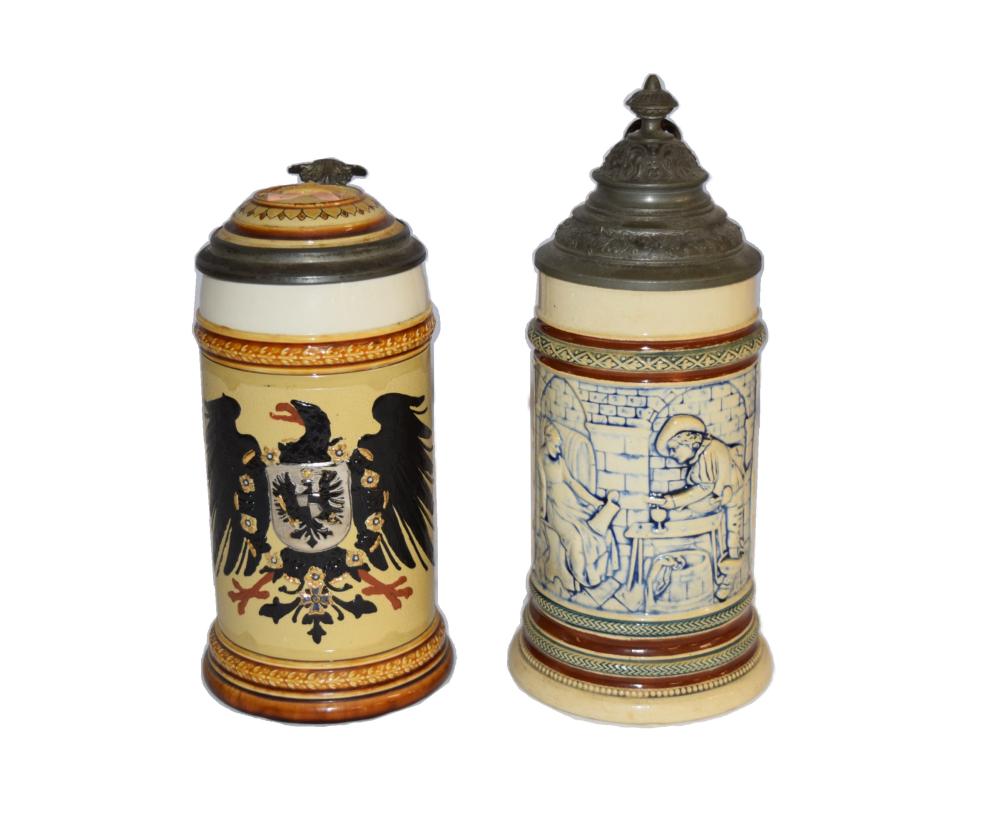 |
Lot of Two Vintage 1/2 Liter German Beer SteinsSource blocked; provenance matched | Paul Arsenault Auctioneers | 2025-04-13 | 71 | USD 250 (buyer’s-premium treatment unknown) |
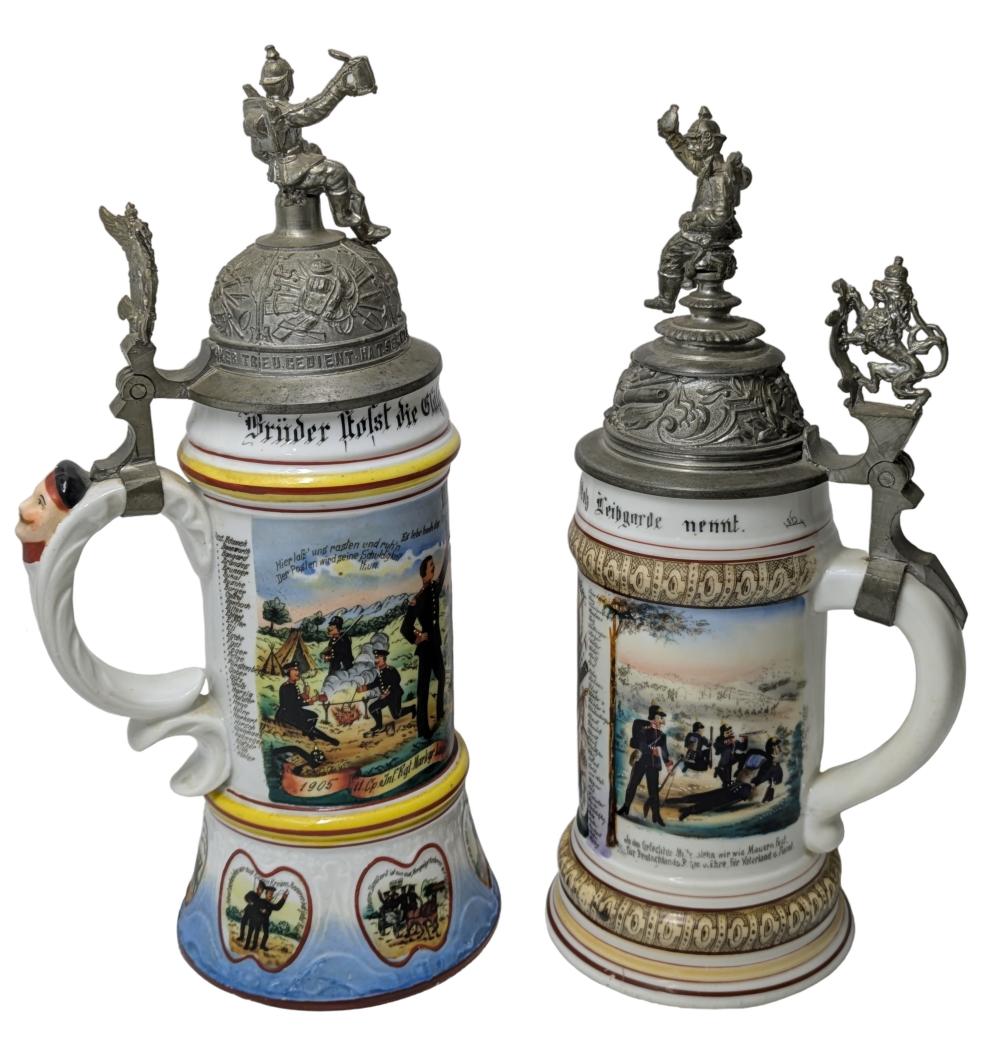 |
Lot of 2 Antique Regimental German Lithopone Bottom Beer Steins Military Soldier Finials 1905 1907 12.25 and 11.625 InchesSource blocked; provenance matched | Hess Fine Art | 2026-01-31 | 1430 | USD 275 (buyer’s-premium treatment unknown) |
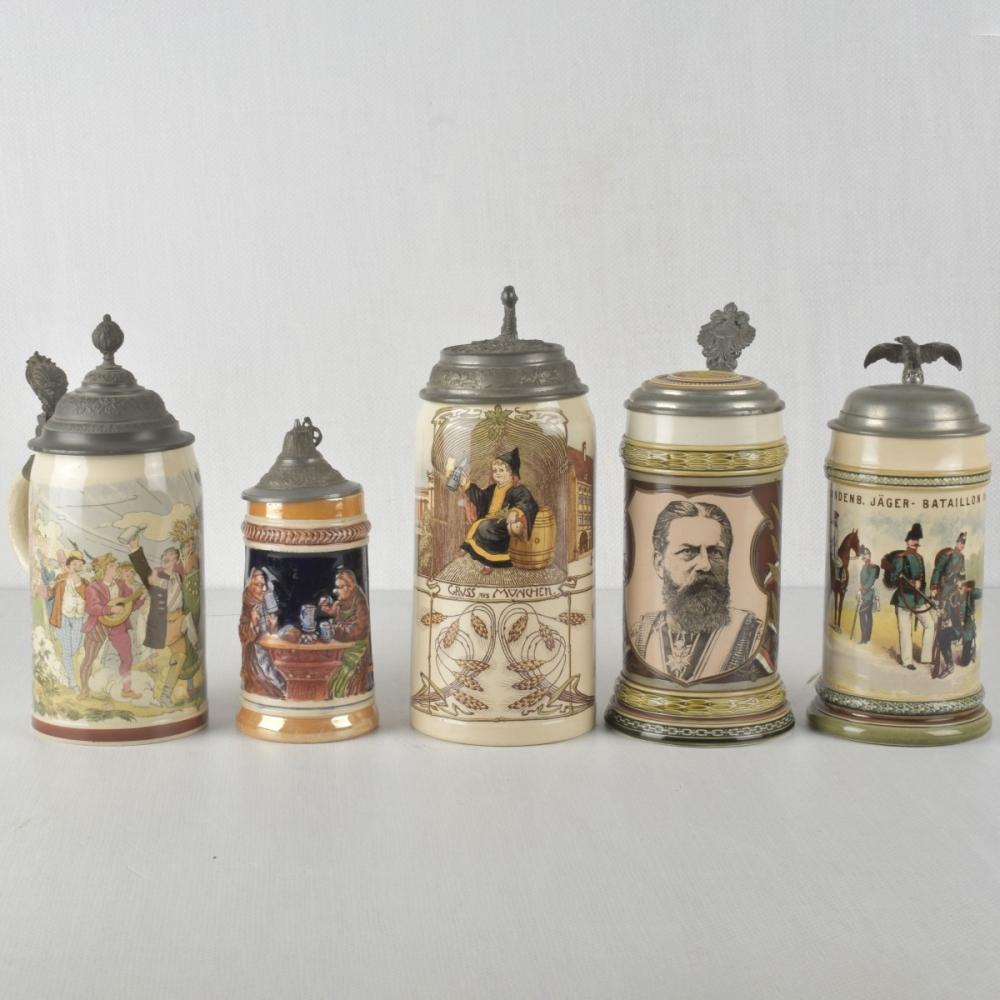 |
Vintage German Stoneware SteinsSource blocked; provenance matched | Kodner Galleries | 2026-04-29 | 72 | USD 300 (buyer’s-premium treatment unknown) |
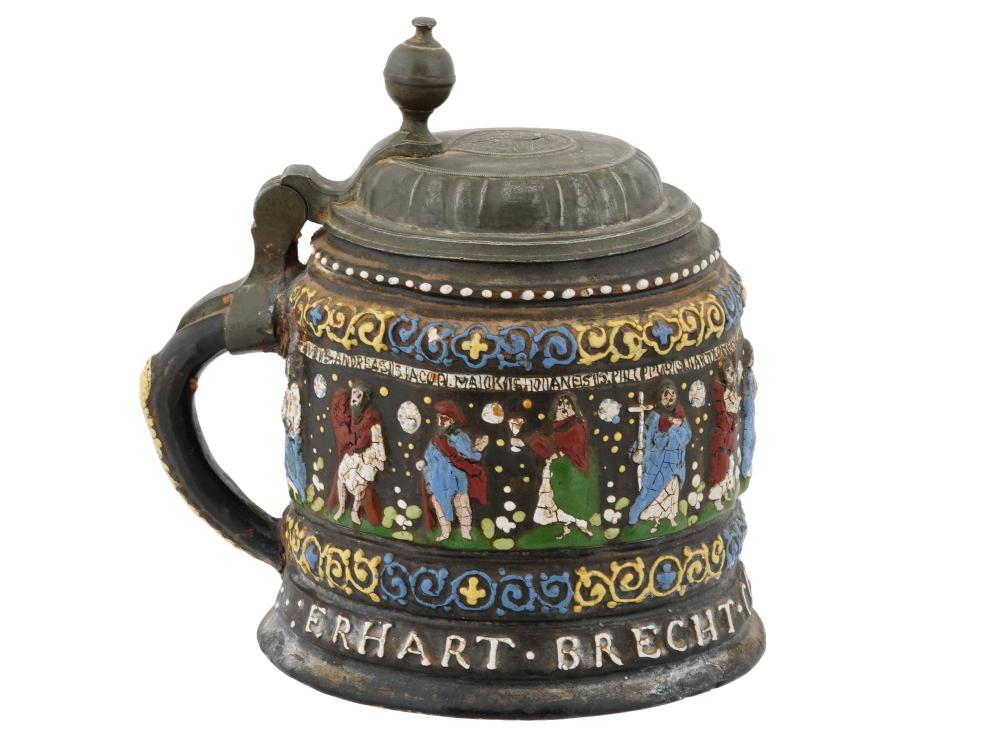 |
ANTIQUE 17TH C GERMAN STONEWARE APOSTELKRUG BEER STEINSource blocked; provenance matched | Antique Arena Inc | 2024-11-02 | 259 | USD 500 (buyer’s-premium treatment unknown) |
How these auction records were verified
Each row retains its exact source URL, lot identity, retrieval time, access result, and immutable record hash. Live source access was blocked; the exact record matched Appraisily's immutable pipeline provenance. Inspect the public comparable provenance record.
Disclosure: prices are shown as reported by auction houses and are provided for appraisal context. Learn more in our editorial policy.
Free instant estimate
Not sure if your item is worth appraising? Let us take a look.
Upload a photo, tell us what you know, and get a free first read. If a full appraisal makes sense, we will say so.
Free. No card needed. Takes about two minutes.
Choose your next step
Use the path that matches the decision you need to make about the item.
Not sure it is worth appraising?
Start with a lower-friction screen to understand the likely category, evidence, and next step.
Upload photos for a free first lookWant proof before paying?
See how a signed report documents photos, comparable evidence, condition notes, and value conclusions.
View signed report sampleNeed a signed report?
Use this for insurance, estate, donation, resale, or documented value decisions.
Need documentation now? Start signed appraisalNeed local or specialist help?
Compare directory options when the work needs in-person review or a specialist near you.
Find local specialistsSee what the report looks like
Sample reports show how photos, comparable evidence, condition notes, and a value conclusion are documented.
Get German beer steins appraised
Upload photos of the front, base, maker marks, lid, thumb lift, body, decoration, repairs, chips, and condition notes.
- Expert report with photos and market context
- Fast turnaround
- Fixed, upfront pricing
No obligation. Secure upload.
Continue your valuation journey
Find the right local specialist
Compare antique and art appraisers by location and specialty in one directory.
Antique & art specialists
Browse the Antique & Art Appraisers Directory
Choose a local specialist when the assignment needs in-person inspection or a specific credential.
Machine-readable summaries
Use these machine-friendly references for AI and crawler discovery of Appraisily content.
Ready for pricing guidance?
Start a secure online appraisal
Upload images and details. Certified specialists respond within 24 hours.
Upload photos for a free first look View signed report sample