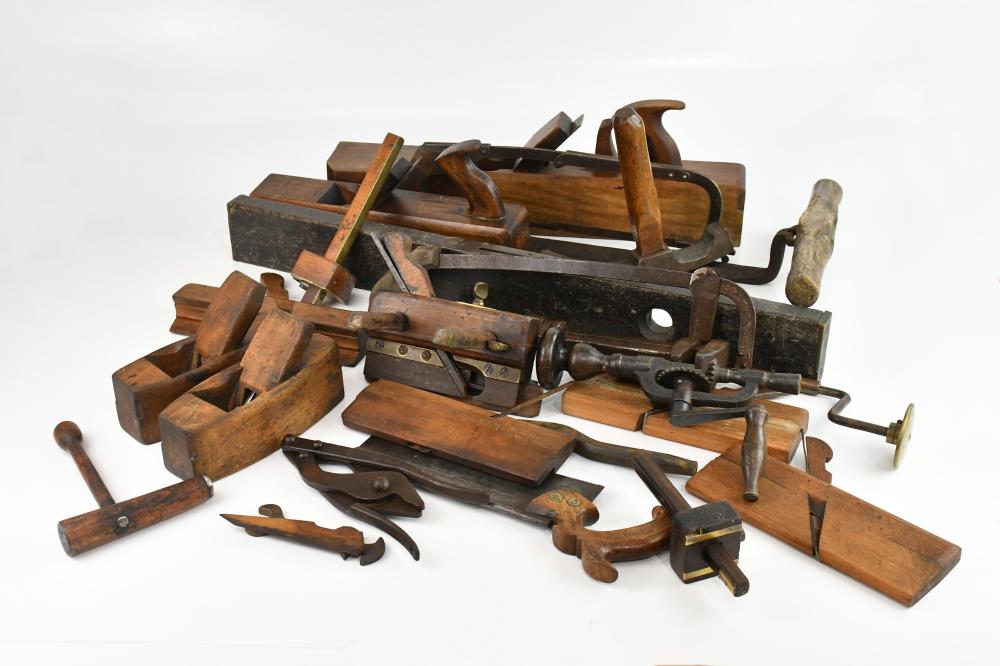
Unlocking the Worth a Beginners Guide to Discovering the Hidden Value of Old Tools: appraisal and value basics
Unlocking the Worth a Beginners Guide to Discovering the Hidden Value of Old Tools research should start with identification, condition, provenance, and item-specific market evidence. Use this guide to compare the signals that matter before paying for a formal appraisal or deciding whether to sell.
Old tools value checklist
Antique and vintage tools can be quietly valuable. They sit in barn lofts, basement benches, and estate chests—often overlooked because they’re utilitarian rather than flashy. Yet a scarce Stanley plane, an early Norris infill, a Disston saw with a crisp etch, or a Winchester-branded wrench can fetch surprising sums. This guide shows you how to recognize, evaluate, and price old tools with a method that balances collector appeal and practical usefulness.
What Makes Old Tools Valuable? The Value Pillars
The value of an old tool typically rides on four pillars: desirability, condition, originality, and rarity. Materials, craftsmanship, and provenance can lift or lower any of these.
- Desirability and use: Tools with an active collector base or tools still prized by craftspeople (e.g., hand planes, chisels, fine saws) tend to sell briskly. Examples: Stanley Bailey bench planes, Disston handsaws, Starrett precision rules, Norris and Spiers infill planes, Preston shoulder planes, Collins and Plumb axes, Millers Falls braces.
- Condition: A plane with a category-dependent amount original japanning, full-length iron, crisp rosewood tote, and intact nickel plating will beat a pitted or heavily cleaned example—often by multiples.
- Originality: Unmodified, correct parts matter. Non-original totes, rehandled saws, repainted bodies, replaced medallions, or modern screws all depress value.
- Rarity: Short production runs, early types, unusual variants, or dealer-labeled tools can be sleepers. Winchester-branded tools, certain Stanley specialty planes (No. 1, No. 444, No. 55), and early-pattern Disston saws are classic examples.
Other value boosters:
- Materials and fit/finish: Boxwood and brass rules, ebony or rosewood infills, brass-backed tenon saws, lignum vitae mallets.
- Region and era: Pre-war American iron and late-Victorian British tools often show higher craftsmanship and stronger market interest.
- Completeness: For sets—like combination planes—original boxes, cutters, fences, rods, and paperwork significantly raise value.
Identification: Types, Makers, and Telltale Marks
Correctly identifying the tool and its specifics is half the job. Start broad, then get granular.
Common categories:
- Woodworking planes: Bench (No. 1–8), block, rabbet, shoulder, router, plow/combination planes. Key makes: Stanley (Bailey/Bed Rock), Sargent, Millers Falls, Record (UK), Preston (UK), Norris and Spiers (infill).
- Saws: Handsaws, panel, back/tenon, dovetail, bow. Key makes: Disston, Atkins, Simonds, Tyzack, Spear & Jackson; look for brass medallions and blade etches.
- Edge tools: Chisels (paring, mortise), drawknives, slicks, adzes, axes, hatchets. Makers: Witherby, Swan, Marples (UK), Collins, Plumb, Kelly/True Temper.
- Measuring/marking: Boxwood rules (Stanley, Rabone), squares and bevels (Stanley, Starrett), calipers, micrometers (Starrett, Brown & Sharpe), levels (Stanley, Stratton).
- Braces and drills: Millers Falls, North Brothers (Yankee), Goodell-Pratt.
- Smithing and mechanic’s: Blacksmith tongs and swages, vises (Wilton “bullet” vises are collectible), wrenches, gauges.
Where to read the clues:
- Stamps and cast marks: On plane beds, lever caps, saw spines, axe cheeks, chisel tangs. Look for maker, model, and country.
- Etches and medallions: Saws often carry an etched panel and a branded medallion—faint but valuable clues. Avoid over-cleaning; a surviving etch is gold.
- Patent dates and type features: Stanley bench planes are “type-studied” by frog adjusters, logo styles, knob height, and tote shape. Patent dates (e.g., “Pat’d Mar-25-02”) help bracket production windows.
- Hardware and fasteners: Early saws use split-nut fasteners; later saws use domed screws. Brass hardware often signals earlier or higher-grade models.
- Wood species and construction: Rosewood totes and knobs generally predate postwar stained hardwood. Infill planes with rosewood/ebony and gunmetal/brass sides point to British makers like Norris or Spiers.
Beware of:
- Franken-tools: Mixed parts assembled to appear complete. Check color/finish mismatches and screw thread inconsistencies.
- Reproduction and fantasy items: Medallions and decals can be modern. Compare font, spacing, and wear to surrounding surfaces.
Condition, Originality, and Ethical Restoration
The market distinguishes “user-grade” from “collector-grade,” with plenty of overlap.
What helps value:
- Honest, stable patina: Aging that shows use without neglect. Original japanning, intact nickel, and undisturbed screws signal careful life.
- Full-length cutters and plates: More life left equals higher value. Short, pitted blades cut both performance and price.
- True surfaces: Flat plane soles, tight mouth openings, straight saw plates with proper tension.
What hurts value:
- Heavy pitting, cracks, and welds: Pitting on critical surfaces and cracked castings are near-fatal flaws for collectors.
- Over-polishing: Buffing away etches, rounding edges, or producing mirror finishes where none existed destroys originality.
- Refinished wood parts: Sanded rosewood totes with erased crisp edges or over-glossed finishes read as altered.
- Missing parts: Combination planes without cutters or fences fall sharply in price.
Conservation vs. restoration:
- Favor reversible, gentle methods: Mineral spirits to lift grime, light oil on metal, paste wax on wood and iron, careful rust removal with fine abrasives or rust erasers.
- Avoid wire wheels and aggressive sanding: They leave telltale scratches and remove history.
- Replace parts judiciously: If you must replace a tote or screw, note it clearly. Period-correct replacements preserve function but still affect value.
- Sharpening is acceptable: For “user” markets, a well-honed edge is a plus. For “collector” markets, leave edges unmodified if you’re uncertain.
Price impact snapshot:
- A common Stanley No. 4: user-grade might bring a modest sum; collector-grade with high japanning, correct “notched rectangle” logo, and crisp rosewood can sell for several times more.
- Specialty planes and infills: Condition and completeness can swing prices from hundreds to several thousands for top-tier, original examples.
Putting a Number On It: Valuation and Market Channels
Valuation is best anchored by item-specific market evidence and a realistic read of demand. Expect regional variability: premium buyers cluster around tool-collector clubs, urban studio woodworkers, and design-driven markets.
How to triangulate value:
- Track market evidence: Similar maker, model, type/variant, condition, and completeness. Identify outliers driven by bidding wars or unusual provenance.
- Adjust for completeness: A Stanley No. 55 with full cutter set, rods, fences, and box can double or triple the value versus a partial kit.
- Weight rarity properly: Short-run models (e.g., Stanley No. 1, No. 444), maker-labeled dealer pieces, and early types command premiums even in average condition.
Market channels and what they favor:
- Specialist tool dealers and shows: Highest prices for top condition; buyers expect accuracy and guarantees.
- General antique dealers: Good for display-grade items; pricing can lag current tool-collector trends.
- Online marketplaces and auctions: Wide exposure; condition transparency (good photos, serial/type details) drives results.
- Estate and barn sales: Best for finds; pricing is unpredictable; negotiation and quick ID skills matter.
Typical range examples (not guarantees; condition and locality rule):
- Stanley bench planes: No. 1 (scarce) can bring high three to low four figures; No. 2 low-to-mid hundreds; No. 3–5 are common and generally lower but spike in top condition; Bed Rocks and early types bring premiums.
- Combination/specialty planes: No. 45/55 often mid hundreds complete; much less if incomplete. Compass/circular planes (e.g., No. 113) vary widely by condition.
- British infill planes (Norris, Spiers): Typically mid hundreds to several thousands for clean, original examples.
- Disston saws: High-grade models (No. 12, No. 16) with readable etches and straight plates can command strong mid-to-upper hundreds; common user saws much less.
- Axes and hatchets: Early Collins, Kelly/True Temper, Plumb—values improve with original geometry, legible stamps, and premium patterns; restored edges are OK if geometry is correct.
- Vises: Wilton “bullet” vises vary from mid to high hundreds depending on size, age, and originality.
Negotiation tips:
- Lead with facts, not feelings: Cite maker, model, type features, completeness, and condition.
- Package wisely: Offer bundles for common items; single out top pieces for premium pricing.
- Mind fees and shipping: Heavy iron erodes margins; factor this into net proceeds.
Care, Storage, and Legal Considerations
Good stewardship preserves value and prevents costly mistakes.
Storage and conservation:
- Control humidity: Aim ~a condition-specific range RH. Silica gel in sealed bins helps; avoid damp basements.
- Light oil and wax: A thin film of camellia or mineral oil on steel; microcrystalline wax on metal and wood guards against corrosion.
- Avoid leather sheaths and PVC: Both can trap moisture or off-gas and corrode steel and brass.
- Handle saws carefully: Store vertically or in a rack; protect teeth; keep plates straight and tensioned.
- Document before/after: If you clean, photograph. Transparency about conservation builds buyer trust.
Health and safety:
- Dust and old finishes: Wear a respirator when sanding rust or finishes. Some early coatings and fillers may contain lead.
- Sharp edges: Cap chisels and plane irons; wrap saw teeth.
- Heavy items: Use proper lifting and packing to avoid damage and injury.
Legal and ethical points:
- CITES-restricted materials: Ivory, tortoiseshell, some rosewoods (Dalbergia) face trade restrictions. Vintage parts may be legal domestically but illegal to export.
- Marking reproductions: Do not pass off replaced medallions or newly made totes as original; misrepresentation risks legal and reputational harm.
- Knife/weapon rules: Certain edge tools can trigger shipping restrictions. Check local regulations.
Practical Field Checklist
Use this concise list when you’re in a shop, barn, or show.
- Identify the tool: Name, category, and likely use.
- Confirm maker and model: Read stamps, castings, medallions, etches, and patent dates.
- Date/type indicators: Hardware style, knob/tote shape, logos, adjusters, materials.
- Assess condition fast: Cracks, pitting on functional surfaces, straightness, plate life, remaining japanning, intact etches.
- Check originality: Are totes, screws, irons, medallions, fences, and boxes correct and period?
- Count parts: For sets/combination planes, verify cutters, rods, fences, depth stops; for vises, check jaws and screws.
- Test function: Adjusters move freely; mouths and frogs align; saw plates ring true; vises open smoothly.
- Photograph details: Maker marks, defects, and completeness.
- Price sanity: Mentally compare to recent market evidence; adjust for rarity and condition.
- Decide on action: Buy, pass, or research—note questions to resolve before committing.
FAQ
Q: How do I tell “user-grade” from “collector-grade”? A: User-grade tools are sound and functional, with honest wear and potentially minor repairs or replacements. Collector-grade examples are highly original, very clean, and often retain finishes, etches, and correct parts that place them near the top of the condition spectrum.
Q: Should I restore before selling? A: Usually, no. Perform only gentle, reversible conservation (clean, oil, wax). Advanced restoration is best left to specialists and should be fully disclosed. Over-restoration commonly reduces value.
Q: Are common Stanley planes worth anything? A: Yes, but condition and type matter. Many No. 3–5 planes are common; they still sell, especially tuned for users. Scarcer models (No. 1, Bed Rocks, early types, specialty planes) can be significantly more valuable.
Q: How important is completeness for sets? A: Extremely. Combination planes, boxed chisels, and gauge sets lose value quickly when cutters or accessories are missing. Original boxes, paperwork, and labels add real premiums.
Q: What’s the best way to learn to date tools accurately? A: Develop a habit of comparing physical features—logos, hardware, adjustments, wood species—to established type characteristics, and keep notes. Over time, patterns emerge and identification speeds up.
With these frameworks and habits, even a quick look at a dusty bench can reveal whether you’re holding a humble user, a solid collectible, or a rare standout worthy of a deeper appraisal.


