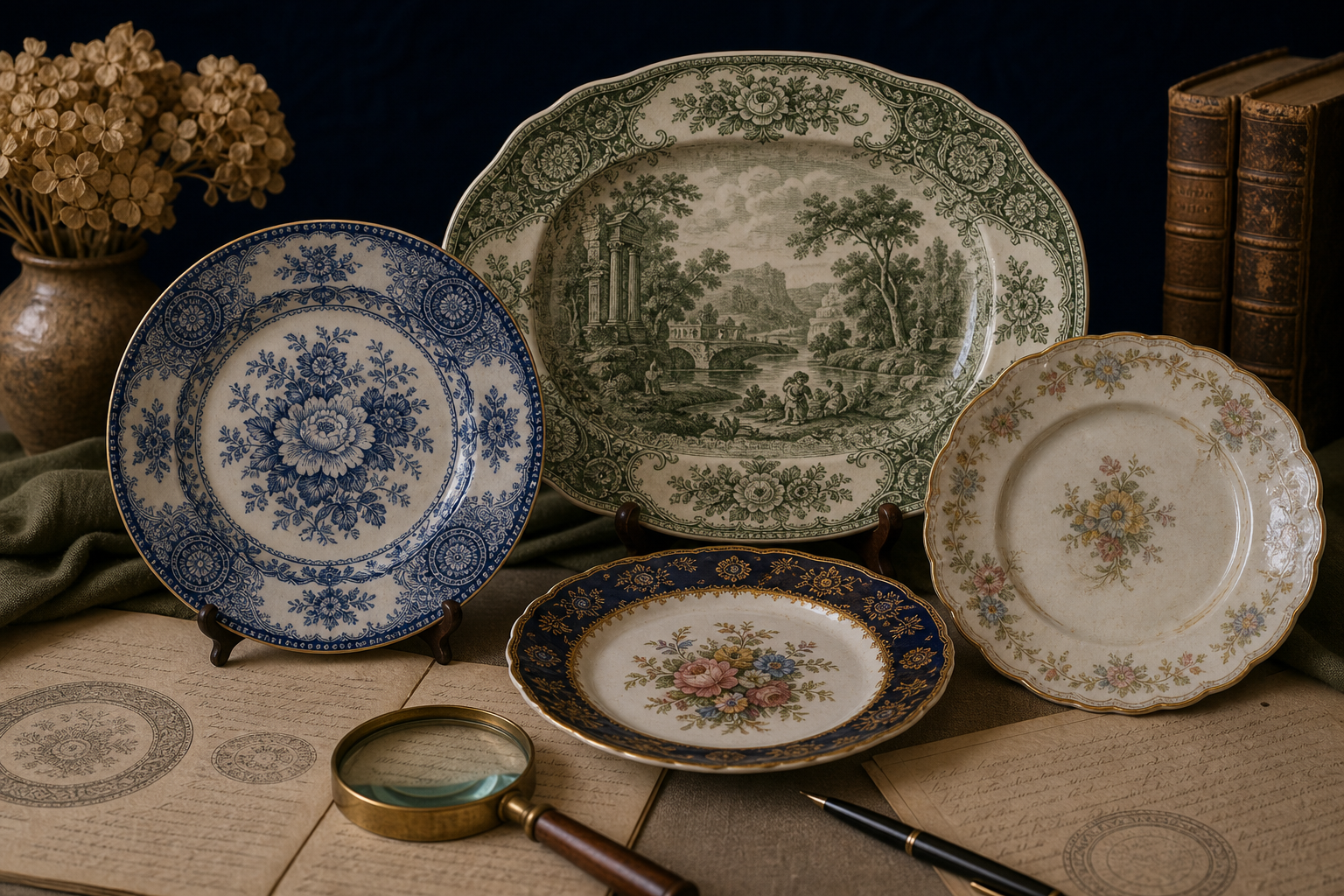
Unlocking the Secrets of Wealth Your Ultimate Antique Dishes Value List for Collectors: appraisal and value basics
Unlocking the Secrets of Wealth Your Ultimate Antique Dishes Value List for Collectors research should start with identification, condition, provenance, and item-specific market evidence. Use this guide to compare the signals that matter before paying for a formal appraisal or deciding whether to sell.
Antique dishes value list checklist
Antique dishes live at the intersection of art, fashion, and history—and their values move with all three. Whether you collect for pleasure, invest for profit, or inherit a family service, the key to realizing value is understanding how makers, patterns, condition, and market timing interplay. This guide distills the core drivers and offers a practical value list to orient your expectations before you buy, sell, or insure.
What Drives Value In Antique Dishes
- Maker reputation and rarity: Names such as Meissen, Sèvres, Royal Worcester (early), Minton, Wedgwood, Royal Copenhagen, Herend, and top Limoges ateliers command premiums. Lesser-known potteries can still be valuable when patterns are scarce or forms are unusual.
- Pattern and decoration: Hand-painted, pâte-sur-pâte, gilded, lustre, and complex enamel work generally outpace simple transfer prints. Iconic patterns (Flora Danica, Blue Onion, Fairyland Lustre, Clarice Cliff Bizarre) attract dedicated buyers.
- Form and scale: Large platters, chargers, tureens with original lids, and oyster plates tend to outperform standard dinner plates. Complete tea trios (cup, saucer, plate) in sought-after makers are reliably liquid.
- Age and originality: True 18th-century hard-paste porcelain and early soft-paste English examples appear less often and bring strong prices, provided condition is solid and marks are correct.
- Condition and restoration: Hairlines, cracks, chips, stains, crazing, glaze wear, and professional repairs can materially affect value depending on severity and visibility. “Display perfect” surfaces matter.
- Completeness and matching: Uniform services with consistent backstamps and decoration sell better than assembled sets. Presence of lids, undertrays, liners, and pairs increases appeal.
- Colorways and fashion: Colors go in and out of style. Currently, strong Art Deco colors, Scandinavian restraint, and graphic blue-and-white remain broadly desirable.
- Provenance and documentation: Royal or notable ownership, factory documentation, and period labels add confidence and price support.
- Market channel: Retail shop prices differ from auction hammer prices and private sales. Geography matters: Continental European porcelain may bring more in Europe; Clarice Cliff and Shelley often excel in the UK and Australia; mid-century American dinnerware trades briskly in the US.
The Value List: Benchmarks By Maker, Pattern, And Form
These ranges reflect typical retail and auction results in stable markets; exceptional pieces, rare colorways, and fresh-to-market lots can exceed them. Condition, size, and decoration density are critical.
Everyday collectible English transferware (19th c. Blue Willow, Spode “Blue Italian,” comparable Staffordshire):
- Dinner plates: a value that must be established from current, topic-matched sales each
- Platters: a value that must be established from current, topic-matched sales
- Covered tureens: a value that must be established from current, topic-matched sales
Limoges (Haviland and decorated wares):
- Dinner plates (standard decorated): a value that must be established from current, topic-matched sales
- Artist-signed cabinet plates: a value that must be established from current, topic-matched sales
- Tea/coffee sets (service for 6–12): a value that must be established from current, topic-matched sales+
Meissen (Germany):
- Blue Onion dinner plates: a value that must be established from current, topic-matched sales
- 18th-century painted plates (good scenes/flowers): a value that must be established from current, topic-matched sales
- Large figural tureens/centerpieces: a value that must be established from current, topic-matched sales+
Sèvres and Sèvres-style:
- Genuine 18th-century plates (well-marked, fine painting): a value that must be established from current, topic-matched sales
- 19th-century Sèvres-style (often Paris porcelain): a value that must be established from current, topic-matched sales
- Royal or exhibition pieces: substantially higher
Royal Copenhagen:
- Flora Danica plates: a value that must be established from current, topic-matched sales
- Blue Fluted dinner plates: a value that must be established from current, topic-matched sales
- Large Flora Danica platters: a value that must be established from current, topic-matched sales
Herend (Hungary):
- Rothschild Bird dinner plates: a value that must be established from current, topic-matched sales
- Fishnet-decorated serving pieces: a value that must be established from current, topic-matched sales+
Royal Worcester:
- Early (18th c.) painted plates: a value that must be established from current, topic-matched sales
- Blush ivory serving pieces: a value that must be established from current, topic-matched sales
- Fruit still-life cabinet plates by noted artists (e.g., Stinton): a value that must be established from current, topic-matched sales+
Wedgwood:
- Jasperware small trays/plates: a value that must be established from current, topic-matched sales
- Queensware dinner plates: a value that must be established from current, topic-matched sales
- Fairyland Lustre bowls/plates: a value that must be established from current, topic-matched sales+
Minton:
- Pâte-sur-pâte plates/chargers: a value that must be established from current, topic-matched sales+
- Majolica platters and game dishes: a value that must be established from current, topic-matched sales
Clarice Cliff (Art Deco):
- Dinner plates (popular patterns): a value that must be established from current, topic-matched sales
- Tea trios: a value that must be established from current, topic-matched sales
- Chargers/large pieces: a value that must be established from current, topic-matched sales
Shelley, Paragon, Aynsley (fine bone china teaware):
- Tea trio (cup, saucer, plate): a value that must be established from current, topic-matched sales
- Full tea sets (service for 6): a value that must be established from current, topic-matched sales+
English majolica (Victorian):
- Plates: a value that must be established from current, topic-matched sales
- Large fish/game platters: a value that must be established from current, topic-matched sales
- Jardinières/large forms (not dishes, but context): higher
Chinese export porcelain (18th–early 19th c.):
- Famille rose dinner plates: a value that must be established from current, topic-matched sales
- Armorial plates: a value that must be established from current, topic-matched sales
- Punch bowls: a value that must be established from current, topic-matched sales+
Japanese Imari and Kakiemon:
- Imari plates: a value that must be established from current, topic-matched sales
- Large Imari chargers: a value that must be established from current, topic-matched sales
- Early Kakiemon-style plates: a value that must be established from current, topic-matched sales+
Oyster plates (French, American, English):
- Standard 5–6 well plates: a value that must be established from current, topic-matched sales
- Rare makers/patterns or figural: a value that must be established from current, topic-matched sales+
Fiesta (Homer Laughlin, early colors):
- Dinner plates: a value that must be established from current, topic-matched sales (rarer colors higher)
- Serving pieces in scarce glazes: a value that must be established from current, topic-matched sales+
American modern dinnerware (Russel Wright, Iroquois; Eva Zeisel):
- Plates: a value that must be established from current, topic-matched sales
- Sets (service for 6–8): a value that must be established from current, topic-matched sales
These guideposts help triage: if your plate sits at the intersection of a major maker, rich decoration, early date, and pristine condition, expect the higher end—and prepare to prove it with marks and measurements.
Dating And Documenting: Marks, Bodies, And Tells
- Meissen: Crossed swords underglaze blue. Shapes and painting style should be consistent with period; poorly drawn swords, overglaze printed marks, and incorrect paste are red flags.
- Sèvres: Interlaced L’s with date letters and painter/gilder marks on 18th-century wares, typically underglaze blue. Many 19th-century Paris pieces imitate Sèvres marks—judge the porcelain body and enamel quality.
- KPM Berlin: Underglaze blue scepter plus red/orange “KPM” orb/iron cross on 19th–20th century. Lone scepters are often copied—inspect paste and execution.
- Royal Worcester: Crown and circle with date code (letters/dots) from the mid-19th century onward. Artist-signed fruit pieces carry signatures and pattern numbers.
- Wedgwood: Impressed “WEDGWOOD” from late 18th century; “England” added post-1891; “Made in England” common 20th century. Date codes (letters/numbers) can pinpoint year.
- Spode/Copeland: Variants include “Spode,” “Copeland & Garrett” (c.1833–1847), and “Copeland.” British registration diamonds (1842–1883) and “Rd No.” help date patterns.
- Limoges: Porcelain city, myriad marks. “Haviland France” (blank) and decorator marks (e.g., “Haviland & Co. Limoges”) often appear together. Hand-painted artist signatures raise value when quality is strong.
- Clarice Cliff: Painted or printed “Bizarre by Clarice Cliff,” “Fantasque,” or “Newport Pottery” marks circa 1928–late 1930s. Bold geometric and floral designs are correct for the period.
- Royal Copenhagen: Three wavy lines (Denmark’s straits) hand-painted underglaze. Flora Danica pieces usually bear pattern and painter marks.
- Chinese export: 18th-century export dinner services often unmarked; apocryphal reign marks appear but are not proof of imperial origin. Evaluate paste whiteness, foot rim, and enamel palette.
- Body and glaze clues:
- Hard-paste porcelain (Meissen, Sèvres): bright white, glassy ring, crisp translucency.
- English bone china: warm white with slight translucency, light yet strong.
- Soft-paste/early English: slightly creamy tone, softer glaze, occasional kiln flaws.
- Transfer print vs. hand-paint: Transfer shows repeating dots/lines at edges; hand-painted reveals brush strokes and variation.
- Wear and manufacture:
- Foot-rim wear consistent with age; sharp, freshly ground rims may indicate newer production.
- Spur marks, kiln grit, and minor glaze pooling can be period-correct.
- Gilding: original gold often thin at contact points; uniformly bright, thick gold may signal later re-gilding.
Be wary of copy marks (e.g., spurious crowned “N” used to mimic Capodimonte), overglaze printed “Old” marks, and porcelain bodies inconsistent with claimed origin.
Condition, Restoration, And Completeness
Condition is the quickest way to halve—or double—value.
Grading shorthand:
- Mint/As made: No defects; factory oddities allowed. Top of range.
- Excellent: Minimal wear, no chips or cracks; usually among the stronger condition tiers.
- Good: Light utensil wear, minor glaze scratches, or faint crazing; usually a mid-tier condition result.
- Fair: Visible chips, hairlines, staining, or notable wear; value impact is usually significant.
- Poor: Structural cracks, heavy stains, multiple chips. Decorative value only.
Impact of defects (typical):
- Small rim chip: value impact varies by visibility, form, and maker
- Hairline: value impact varies by length, visibility, and whether the piece is structural
- Crazing/staining: value impact varies by severity and body color
- Professional restoration: value impact varies by extent and disclosure
Restoration detection:
- UV torch can reveal overpaint/overglaze restoration (fluorescence).
- Tap test: a dull sound can indicate a crack or heavy restoration (use with care).
- Temperature feel: Restored areas sometimes feel slightly different to touch.
- Magnification: Look for pigment pooling, brush retouching, or seam lines.
Completeness and matching:
- Lids, liners, stands, and underplates should be present and original to maximize value.
- Services sell best as matched sets with consistent backstamps and decoration; assembled sets trail well-matched originals.
- Pairs of serving pieces and symmetrical forms command premiums over singletons.
When in doubt, full-disclose defects; honesty preserves trust and avoids returns.
Collector’s Quick Checklist
- Identify the maker: Find and photograph backstamps; note any painter signatures and pattern numbers.
- Date the piece: Use mark style, country-of-origin text (e.g., “England” post-1891), and registration marks.
- Examine the body: Assess paste color, translucency, glaze quality, and foot-rim wear.
- Judge decoration: Hand-painted vs. transfer; density of gilding and enamel; look for special techniques (pâte-sur-pâte, lustre).
- Grade condition: Note chips, hairlines, crazing, staining, utensil wear; test under UV for restoration.
- Confirm completeness: Lids present? Pairs matched? Set components consistent in mark and pattern?
- Measure and record: Diameters, heights, and capacity help match patterns and compare comps.
- Photograph smartly: Neutral background, diffuse light, all angles, close-ups of defects and marks.
- Research comparables: Look at recent realized prices for the same maker, pattern, and form, adjusted for condition and location.
- Choose the right venue: Rare, high-value pieces fare best with specialty dealers or auctions; common wares may do well in curated online shops or fairs.
- Pack properly: Double-box fragile porcelain, use edge protectors for plates, and do not allow pieces to touch.
FAQ
Q: Are backstamps alone enough to identify and date my dishes? A: No. Marks are a starting point, not the finish line. Evaluate the porcelain body, glaze, decoration technique, and wear patterns alongside marks. Many marks have been copied; consistency across all features is what builds confidence.
Q: Should I restore a chipped or cracked piece before selling? A: Only if the item is high-value and the restoration will be professional and disclosed. For mid-range pieces, restoration often costs more than the uplift in price. Collectors frequently prefer honest, unrestored condition with an appropriate discount.
Q: Do complete services bring more than the sum of their parts? A: Typically, yes—especially for premium makers and desirable patterns. Matched services save buyers time and reduce risk, which commands a premium. However, rare single forms (e.g., oyster plates, chargers) can outperform common components in a set.
Q: Is bone china stronger than porcelain for practical use? A: Bone china is light and has excellent chip resistance relative to its weight, but both fine porcelain and bone china are fragile at edges and under thermal shock. For valuable antique pieces, display rather than daily use preserves condition and value.
Q: How much does crazing affect value? A: It depends on visibility and staining. Fine, uniform crazing on older earthenware may be acceptable; stained or structural crazing on porcelain is more problematic. Expect the impact to vary by visibility, staining, body color, and collector tolerance.
By combining the value benchmarks above with disciplined inspection, you’ll be able to separate everyday collectibles from sleepers—and know when you’re holding a plate that deserves white gloves and a specialist’s attention.


