
Appraisal and value basics for O'Keefe beer bottles
O'Keefe beer bottle value research should start with label graphics, cap or crimp, fill level, base marks, glass color, condition, provenance, and comparable bottle sales. Use this guide to compare the signals that matter before paying for a formal appraisal or deciding whether to sell.
Unopened vintage beer bottles are a niche where small details matter: the seal, fill level, label type, and even how the bottle was stored can move value dramatically. If your bottle is branded O'Keefe and feels mid-20th century (often 1950s to early 1960s styling), you’re in the overlap of bottle collecting and brewery memorabilia.
This guide is written for the most common real-world scenario: you inherited an older O'Keefe bottle, it appears unopened, and you want to know what it’s realistically worth today—and how to prove what it is before selling.
Important note: some legacy “appraisal” writeups online confuse an unopened bottle with a bottle-shaped novelty item (music box, cigarette holder, decanter, etc.). Those can be collectible too, but the identification steps are different. The checklist below focuses on actual beer bottles.
Free first read
Check bottle evidence before paying for a report
Upload the front label, neck label, cap, fill level, base embossing, side seams, and damage photos. The free screener can separate a common display bottle from a collectible bottle worth documenting.
Start with a free screener. Use a signed report only if you need insurance, estate, donation, or sale documentation.
How We Research Valuation Data
Our appraisal guides are based on auction results, dealer pricing data, and professional appraiser insights. We may earn a commission when you use our free professional appraisal service. Learn about our editorial standards.
Quick value estimate: unopened vintage O'Keefe beer bottles
Most mid-century beer bottles were mass produced, so value tends to concentrate in unopened examples with good label graphics and a verifiable era/variant. Without seeing your exact bottle, these ranges are meant as a realistic starting point.
- Lower range: common empty bottle, label worn or missing, not clearly dated.
- Middle range: unopened or near-full with intact cap/crimp and attractive label.
- Higher range: scarcer variants, early graphics, regional bottler marks, unusual size, or strong provenance.
The biggest pricing lever is the seal + fill level. A pristine label is great, but collectors pay a premium when the bottle is clearly unopened and has not leaked or evaporated.
What makes an unopened bottle valuable (and what hurts value)
Collectors generally reward these features:
- Intact crown cap: uniform crimp, no signs of prying, minimal rust
- High fill level: low ullage/air gap and no cloudy sediment line from heat exposure
- Strong label color: unfaded graphics, no paper loss, no glue bleed-through
- Clear bottle identity: readable brand/variant, bottler info, or embossing
These are common value killers:
- Seepage or sticky residue around the cap or neck (leak history)
- Low fill from evaporation (often a storage issue, not necessarily “opened”)
- Label delamination from moisture or cellar storage
- Sun-faded glass and label (window display can do it fast)
How to date a mid-20th century O'Keefe bottle (without opening it)
You don’t need to open the bottle to date it. Start with the features that are visible in photos and don’t require cleaning.
1) Bottle shape and proportions
The Canadian “stubby” silhouette is strongly associated with the early 1960s onward, but many breweries also used slightly older, taller ale bottles in the 1950s. Compare the shoulder slope, body height, and base diameter to known mid-century examples.
2) Cap and seal clues
A true unopened crown cap usually has an even crimp all the way around. Heavy rust doesn’t automatically mean “opened,” but it can indicate poor storage or seepage.
3) Label type
Paper labels dominate earlier periods and can be highly collectible when graphics are bold. Later bottles sometimes use applied color labels (ACL) where the ink is fused to the glass.
4) Embossing and base marks
Look for heel embossing, maker’s marks, or base codes. Even when you can’t decode the exact factory, these marks help you separate a true vintage bottle from modern novelty reproductions.
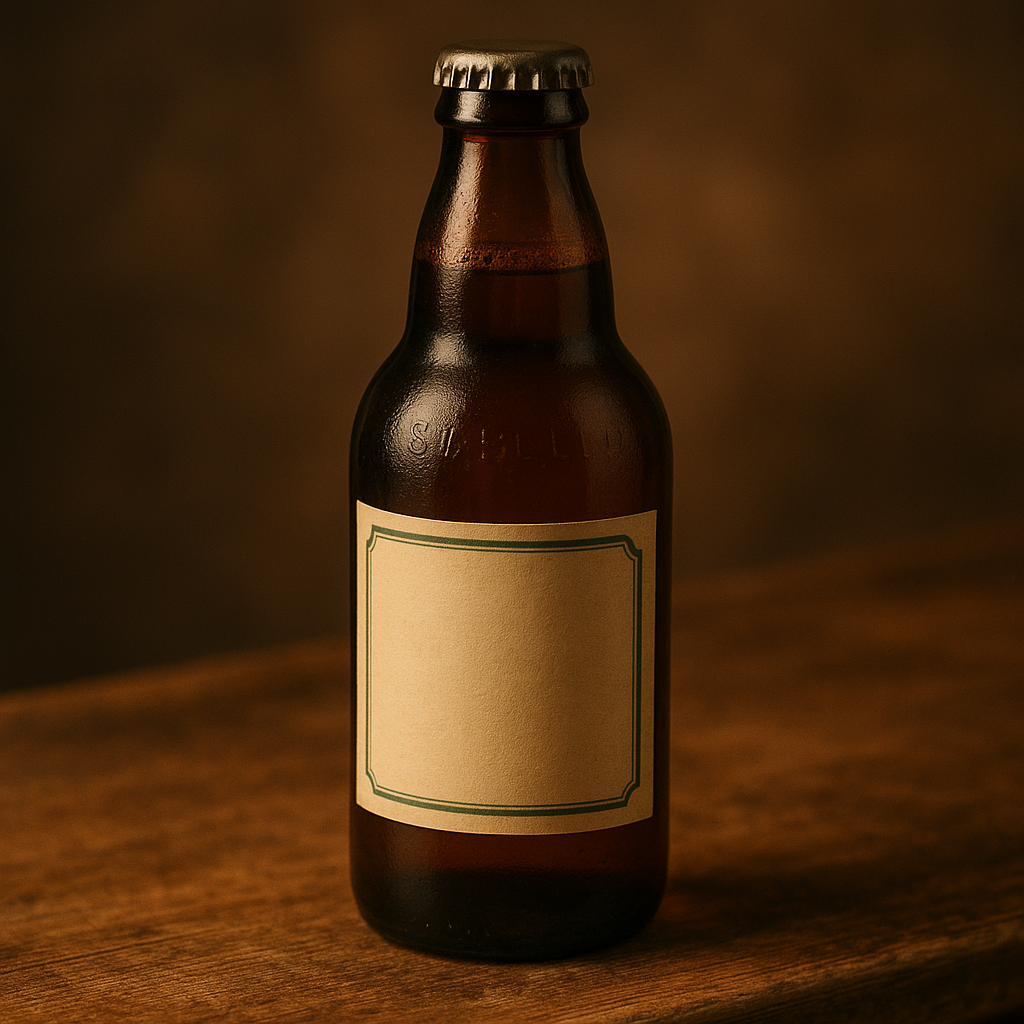
Note: We couldn’t find relevant auction comps in our database for this topic right now. If you’re valuing a specific item, try searching by maker/model/material and we’ll expand coverage over time.
What similar items actually sold for
To help ground this guide in real market activity, here are recent example auction comps from Appraisily’s internal database. These are educational comparables (not a guarantee of price for your specific item).
| Image | Description | Auction house | Date | Lot | Reported price realized |
|---|---|---|---|---|---|
| No relevant auction comps found for this topic right now. | |||||
Disclosure: prices are shown as reported by auction houses and are provided for appraisal context. Learn more in our editorial policy.
What photos to take (the fastest way to get an accurate value)
The best listings—and the fastest expert appraisals—use a consistent photo set. Aim for these angles:
- Full front (label centered) and full back (if any text/graphics)
- Close-up of the crown cap from the side (showing the crimp)
- Close-up of the neck/shoulder (showing seams and any embossing)
- Base photo straight-on (marks/codes)
- Fill level line photo (hold against light; don’t shake)
How to preserve an unopened bottle (do this before you sell)
- Store upright to keep liquid off the label and cap liner.
- Keep cool and dark; heat and sunlight accelerate evaporation and label fading.
- Do not clean the label with water or solvents; dust gently with a dry, soft brush.
- Photograph before handling; collectors like to see the original state.
Avoid opening the bottle “to check.” For most collectors, opening destroys the premium. If you’re worried about safety or leakage, handle it like an artifact and consult a specialist.
How to sell an unopened vintage beer bottle safely
The best channel depends on where you live and what the bottle looks like (label appeal matters). Common routes:
- eBay: highest reach for breweriana; write a clear title and include base/cap close-ups.
- Facebook collector groups: fast feedback and sometimes quick sales (use escrow/common-sense safety).
- Local vintage/antique shop: good for display-grade bottles, especially if shipping is complicated.
Shipping note: alcohol shipping rules vary by country and carrier. Many sellers ship the bottle as a collectible container and do not represent it as drinkable. Check local regulations before listing, and pack as if it’s glassware: double box, rigid neck support, and lots of padding.
Search variations collectors ask
Readers often Google these questions while valuing an O'Keefe bottle:
- How much is an unopened O'Keefe beer bottle worth?
- How do you tell if a vintage beer bottle is truly unopened?
- What is the value of an O'Keefe stubby bottle from the 1960s?
- How to date a beer bottle using base marks and seams
- Should I open an old beer bottle to confirm it’s full?
- Best way to ship a collectible unopened beer bottle
- Are bottle-shaped music boxes worth more than real beer bottles?
- Where to sell vintage Canadian breweriana near me
Each question maps to the valuation, attribution review, and selling guidance above.
References
- Invaluable: California Pop stoneware beer bottle comp
- Invaluable: applied-seal black glass bottle outlier comp
- Additional comps from Valuer Bridge and Appraisily auction dataset snapshots; prices exclude buyer fees, shipping, taxes, and restoration.
Wrap-up
An unopened O'Keefe bottle is usually valued less like “rare antique glass” and more like display-grade breweriana. To get the best price, document the seal, fill, label condition, and base marks—and avoid anything that looks like cleaning or tampering. If you want the most accurate range, share a tight photo set (front, cap, base, and fill line) so the era and variant can be confirmed.