How to identify old dresser hardware
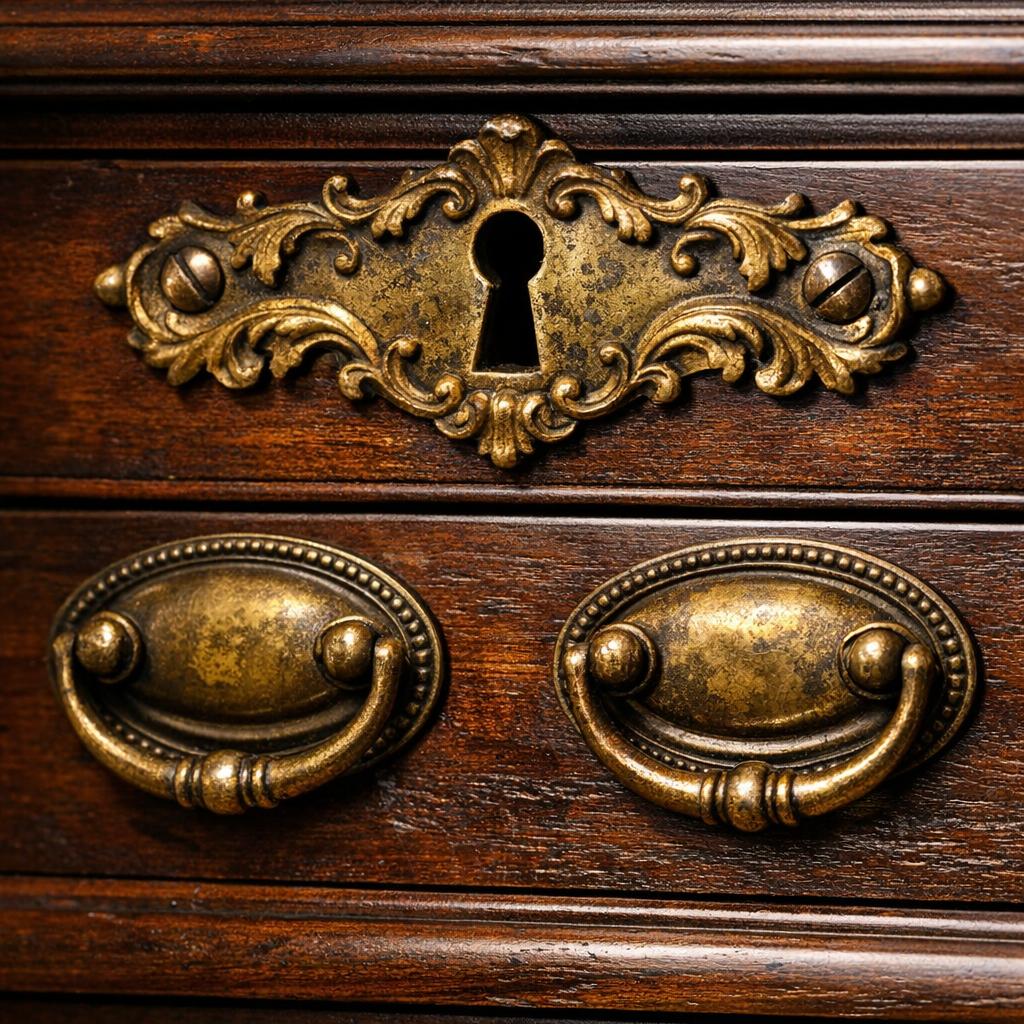
Old dresser hardware can help identify age and originality, but it should not be read alone. Pulls, locks, escutcheons, hinges, screw holes, shadows, and drawer construction work together.
Found an old item and want to know if it matters?
Upload photos. We identify the object, check real sales, and show the right appraisal path.
Upload photos for a free first lookStart an appraisalOne clear answer
Start by checking whether the hardware fits the drawer, matches the wear pattern, uses consistent screws, and leaves shadows or extra holes that suggest replacement.
Auction records are market evidence, not a final appraisal. Condition, authenticity, provenance, size, completeness, repairs, logistics, and demand can materially change value.
Identification checklist
- Photograph every pull, knob, escutcheon, lock, keyhole, hinge, screw, and hardware shadow.
- Show the inside of drawers, drawer sides, bottoms, dovetails, backboards, and replaced wood.
- Note mismatched pulls, plugged holes, bright new screws, missing locks, and finish differences.
- Keep removed hardware, keys, and old screws with the dresser.
What changes the answer
- Original hardware can support age and completeness when construction agrees.
- Replacement pulls are common and do not automatically ruin value, but they affect interpretation.
- High-quality commodes, period dressers, and maker-attributed pieces need closer hardware review.
Free instant estimate
Not sure if your item is worth appraising? Let us take a look.
Upload a photo, tell us what you know, and get a free first read. If a full appraisal makes sense, we will say so.
Free. No card needed. Takes about two minutes.
Need help identifying old furniture before you change it?
Upload photos. Appraisily identifies the object, checks real sales where available, and shows the right appraisal path.
Upload photos for a free first lookStart a professional appraisalSee a sample report