
How to identify antique spoons
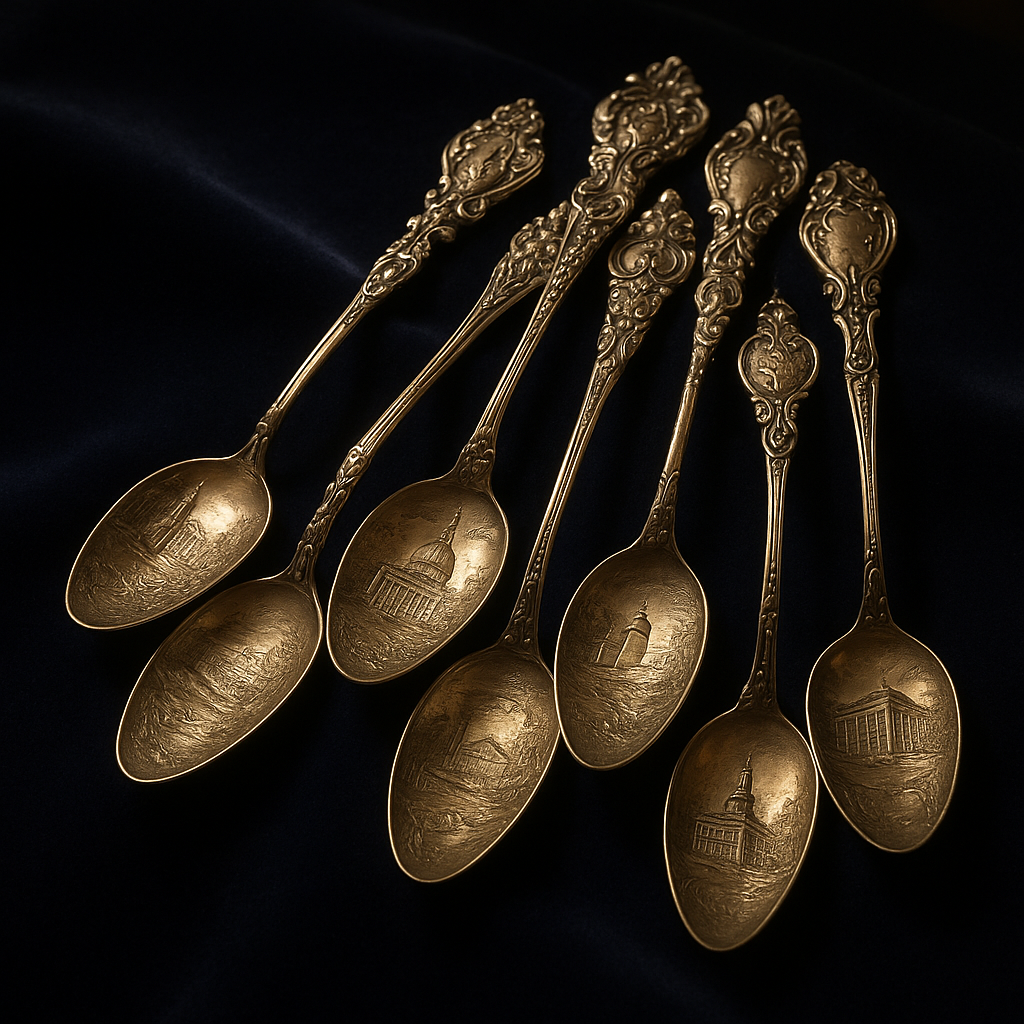
Identify antique spoons by reading hallmarks, maker marks, metal, bowl form, handle shape, souvenir subject, wear, weight, and set context.
Found old silver and want to know if it matters?
Upload photos. We identify the object, check real sales, and show the right appraisal path.
Upload photos for a free first lookStart an appraisalStart with one clear answer
To identify antique spoons, inspect the back of the handle, bowl shape, terminal, hallmarks, maker, metal content, and wear. A teaspoon, serving spoon, souvenir spoon, caddy spoon, and continental spoon each need different comparisons.
Recent records show Tiffany serving spoons, English sterling spoon assortments, boxed teaspoons, and souvenir spoons selling differently by maker, form, and metal.
Quick identification checklist
- Photograph the full spoon, handle back, hallmarks, bowl, terminal, monogram, and any souvenir scene.
- Measure length and record weight if known.
- Separate sterling, coin silver, continental silver, silverplate, souvenir, serving, caddy, and demitasse spoons.
Get a free first read on your spoon
Upload photos of the full spoon, hallmarks, handle back, bowl, monogram, weight, and any box or provenance. Start with a free screen before choosing a written appraisal.
Key value and identity drivers
- Metal and maker establish the first comparison.
- Form, rarity, and subject can add demand.
- Wear, repairs, bends, and rubbed marks reduce confidence and value.
Note: We couldn’t find enough auction records that directly match How to identify antique spoons to publish a defensible price table. If you are valuing a specific item, include its maker, model, material, photos, and condition so the search can be narrowed.
What similar items actually sold for
The current auction search does not contain at least three clean, directly matched sales for How to identify antique spoons yet. If you’re valuing a specific item, use the free estimate flow so the search can be narrowed by maker, material, photos, and condition.
| Image | Description | Auction house | Date | Lot | Reported price realized |
|---|---|---|---|---|---|
| No relevant auction comps found for this topic right now. | |||||
Disclosure: prices are shown as reported by auction houses and are provided for appraisal context. Learn more in our editorial policy.
When to use the free screener
Use the free screener when you need a first-pass read on metal, maker, pattern, completeness, and whether the item deserves a paid written appraisal.
When to get a professional appraisal
Get a professional appraisal when you need documentation for insurance, estate, donation, sale, division, or when maker, hallmarks, weight, provenance, or authenticity materially affects value.
Photo checklist
- Full object or full set, marks, pattern details, monograms, backs, bases, handles, bowls, lids, and interiors.
- Total weight if known, dimensions, boxes, receipts, provenance, and prior appraisal paperwork.
- Dents, bends, repairs, worn plating, pitting, weighted bases, missing parts, and polishing damage.
FAQ
What is the best way to identify an antique spoon?
Start with hallmarks and maker marks, then confirm metal, form, length, and bowl wear.
Are souvenir spoons antique?
Some are antique or vintage, but value depends on metal, subject, maker, and condition.
Should I clean antique spoons before photos?
Only lightly if needed to read marks. Avoid aggressive polishing.
Free instant estimate
Not sure if your item is worth appraising? Let us take a look.
Upload a photo, tell us what you know, and get a free first read. If a full appraisal makes sense, we will say so.
Free. No card needed. Takes about two minutes.
Choose your next step
Use the path that matches the decision you need to make about the item.
Not sure it is worth appraising?
Start with a lower-friction screen to understand the likely category, evidence, and next step.
Upload photos for a free first lookWant proof before paying?
See how a signed report documents photos, comparable evidence, condition notes, and value conclusions.
View signed report sampleNeed a signed report?
Use this for insurance, estate, donation, resale, or documented value decisions.
Need documentation now? Start signed appraisalNeed local or specialist help?
Compare directory options when the work needs in-person review or a specialist near you.
Find local specialistsSee what the report looks like
Sample reports show how photos, comparable evidence, condition notes, and a value conclusion are documented.
Need to know whether your silver is worth a closer look?
Upload photos. Appraisily identifies the item, checks real sales, and shows whether a free screener result or professional report is the right next step.
Upload photos for a free first lookStart a professional appraisalSee a sample report