

You are looking at real hardware, not just décor. A door knob, escutcheon, or hinge can tell you who made it, when it was made, and what condition history it has already survived—if you inspect the right clues first. The strongest signal is usually visible in the first ninety seconds.
This guide is a practical identification workflow for readers trying to decide: is this piece from a known period and maker, or is it a later copy that only borrowed old styling?
Flip it over: read the material before the style
Start with the metal. Material quality and aging behavior are where the fake-versus-authentic gap is biggest. The same ornamental profile can be reproduced, but casting chemistry and machining marks change over time.
Quick material markers:
- Brass: Common in period door furniture. Look for warm patina, soft tool marks, and dull solder lines at join points.
- Cast iron: Often utilitarian with heavier forms. You will see thicker cast grain and often a rougher, denser wear pattern than precision casting.
- Bronze: Stronger, heavier oxidation and deeper tonal variation. High-grade examples often have stable black or brown-green surfaces with localized wear.
- Steel-plated surfaces: Many later restorations or mid-20th-century reproductions use very uniform plating and less random wear around edges.
- No obvious alloy clues: If every spot looks uniform, especially high-contact points, it can indicate later polishing or replacement hardware.
Turn the item over and map seamed construction
Construction is your second gate. “Made to hold together” details are harder to fake cleanly than decorative texture.
Look for these construction types:
- Seamed with riveted posts: Traditional cast pieces may have deliberate seams and riveted fastening on backs or stem supports.
- Welded seams with filler: Sometimes seen in restorations and later service reproductions.
- Threaded or tapered posts: Often points to replacement parts or hardware sold as service components for period restorations.
- Precision machine alignment: Highly symmetrical machining can indicate late industrial reproduction, especially in budget-grade copies.
- Backplate geometry: Plate shape and screw spacing can narrow model families quickly.
A practical shortcut: if a “patina-rich” finish sits over modern spot-weld geometry, you may have a convincing-looking restoration rather than original construction. For identification, the backing architecture usually matters more than the visible shine.
Read maker clues like a detective, not a mystery novel
Makers are often visible in small places: underside stamps, underside of backplates, edge tags, and screw sockets. Some marks are intentional and others are service stamps, so treat a single word as evidence, not proof.
For this topic, focus on:
- Consistency: Is every mark aligned and aged like the rest of the piece?
- Depth: Is stamping shallow and worn, or sharply re-cut?
- Context: Do the letters match known manufacturer naming conventions for that period?
- Accessory language: Some firms used catalog-like numerals or inspector marks that appear only on specific catalogs.
Wear pattern triage: where history is honest versus staged
Wear can tell you usage history, but staged wear is common in antiques and can mislead. Real usage wear usually follows pressure logic:
- High-contact arcs around thumb or knuckle points.
- Micro-abrasion on edges where people touched the piece daily.
- Uneven oxidation in protected recesses versus exposed edges.
If wear appears perfectly even across both hidden and high-contact surfaces, or appears “painted” as a thin dusting, treat certainty lower and add more checks.
How to identify material, maker, and construction in under 15 minutes
- Take three photos in sequence: full side, backplate close-up, and underside seam.
- Classify material type and note patina quality across three surfaces.
- Check backplate screw pattern and seam style before judging decorative details.
- Zoom into marks at 2-4 points: stamping, maker initials, repair labels.
- Cross-check marks against a source model list, then move to construction consistency.
- Summarize as one confidence level: strong, medium, weak.
In uncertain cases, collect an additional angle and a close-up of each screw head before you conclude anything about period. That often reveals whether a copy was assembled from mixed components.
Free instant estimate
Not sure if your item is worth appraising? Let us take a look.
Upload a photo, tell us what you know, and get a free first read. If a full appraisal makes sense, we will say so.
Free. No card needed. Takes about two minutes.
Use real comps as your confidence test
Auction results are not the whole truth, but they are a useful reality check. The strongest comparable in our current dataset for this topic includes a four-piece brass candlestick lot with riveted, seamed construction and an unremarked maker context, sold for USD 425. That tells us this construction pattern appears in active markets and can anchor rough expectations.
A practical way to avoid overconfidence:
- Only compare like-to-like: same scale, same construction, same patina class.
- Split by function: lockset hardware and decorative hardware often show different buyer pools.
- Prefer comp families over isolated lot mentions.
- When the material, mark, and construction all align, value confidence rises materially.
Note: We couldn’t find enough auction records that directly match How to Identify Antique Door Hardware by Material, Maker, and Construction to publish a defensible price table. If you are valuing a specific item, include its maker, model, material, photos, and condition so the search can be narrowed.
What similar items actually sold for
To help ground this guide in real market activity, here are recent example auction comps from Appraisily’s internal database. These matched sales are market context only, not an object estimate or identification, and they do not guarantee a price for your specific door hardware.
Shown USD range: USD 35-USD 281. Median of these 4 USD examples: USD 100.
| Comparable | What sold | Auction house | Date | Lot | Source-reported amount |
|---|---|---|---|---|---|
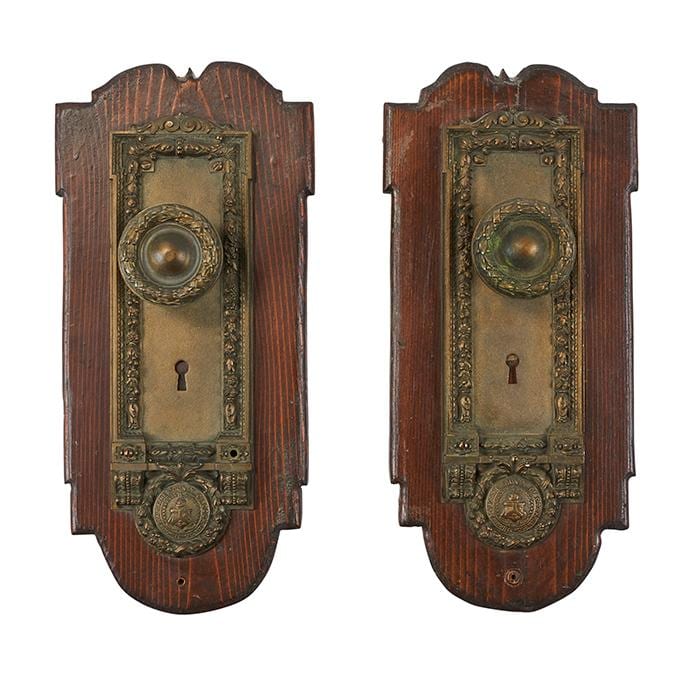 |
Architectural Hardware, of Chicago Interest Cook County mounted door plates set, two each with knobs plate with knob: 3 1/2"w x 2 5/...Source blocked; provenance matched | Toomey & Co. Auctioneers | 2017-03-04 | 24 | USD 281 (buyer’s-premium treatment unknown) |
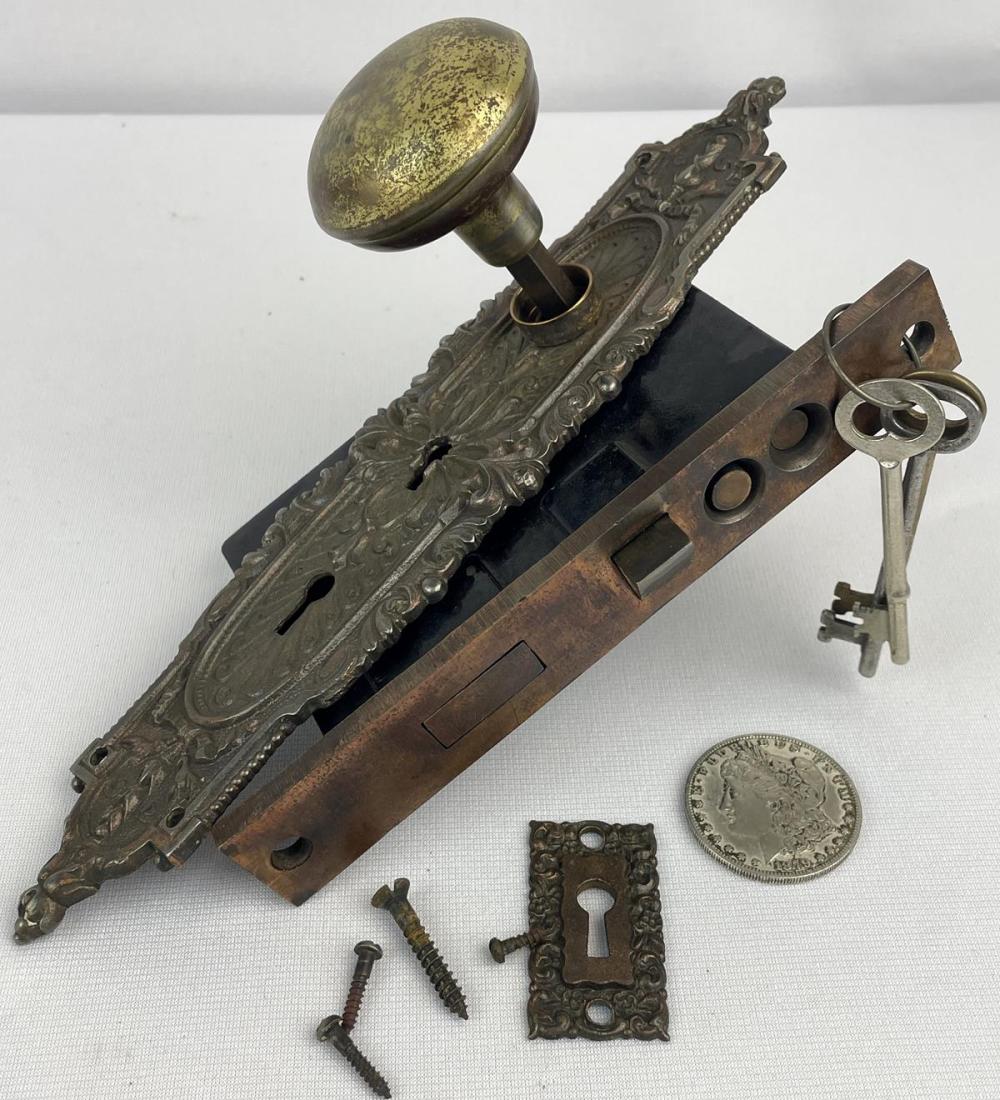 |
Antique 19th Century Victorian Pat. Jun. 30, 1891 RECo. Interior Cast Bronze Mortise Lock Door Hardware Set w/ Doorknobs, Door Plate, keyhole cover and 3 KeysSource blocked; provenance matched | One Source Auctions | 2024-09-23 | 181 | USD 35 (buyer’s-premium treatment unknown) |
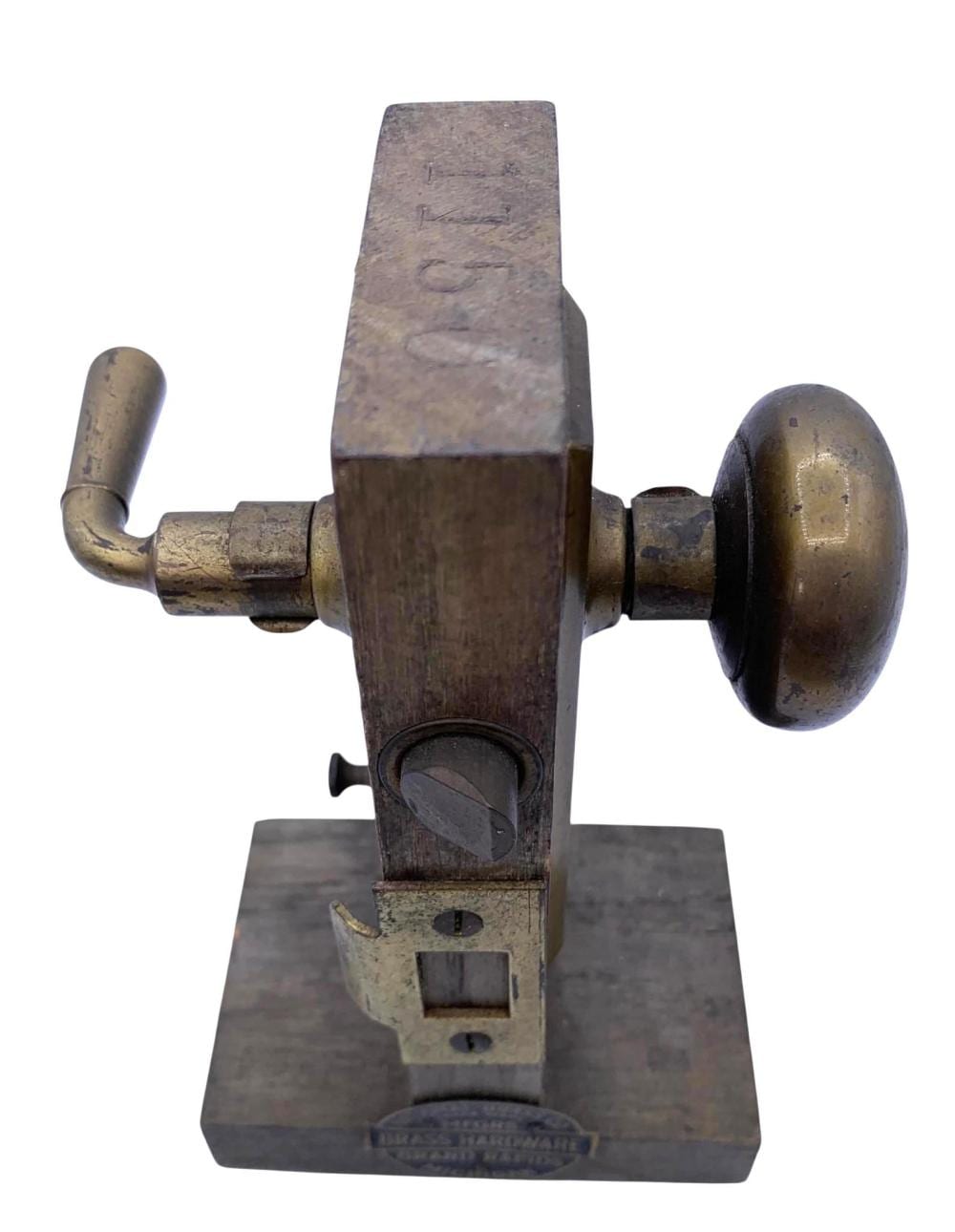 |
Antique National Brass Co. Hardware Working Door Knob Locking Mechanism Salesman SampleSource blocked; provenance matched | Atlee Raber Auctioneer | 2026-03-23 | 129 | USD 100 (buyer’s-premium treatment unknown) |
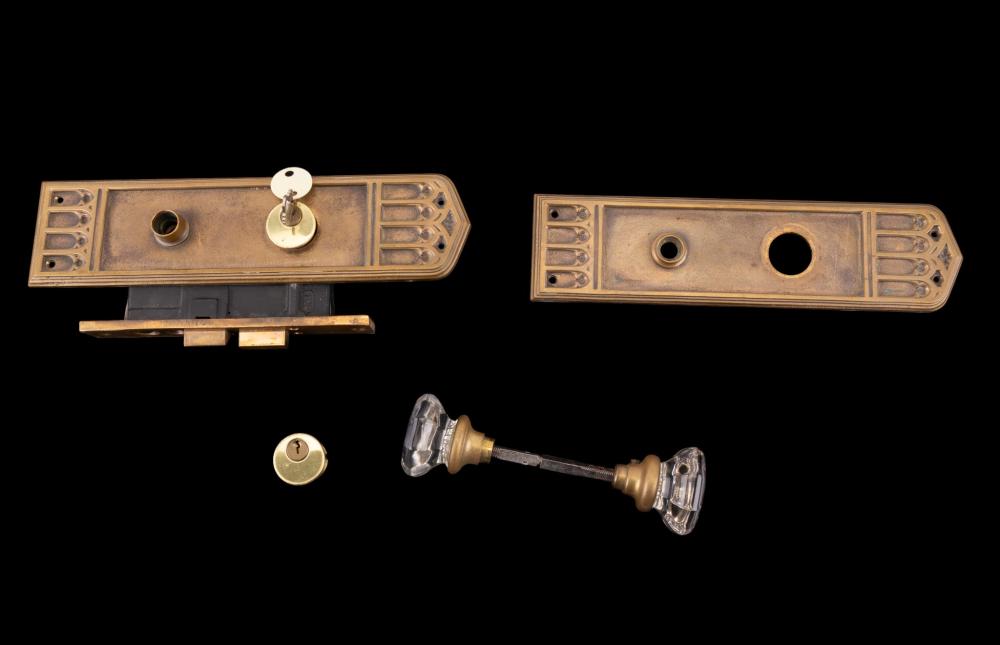 |
Antique Victorian Bronze Door HardwareSource blocked; provenance matched | Keystone Auctions LLC | 2025-12-11 | 419 | USD 100 (buyer’s-premium treatment unknown) |
How these auction records were verified
Each row retains its exact source URL, lot identity, retrieval time, access result, and immutable record hash. Live source access was blocked; the exact record matched Appraisily's immutable pipeline provenance. Inspect the public comparable provenance record.
Disclosure: prices are shown as reported by auction houses and are provided for appraisal context. Learn more in our editorial policy.
Think your hardware might need a deeper review?
Upload photos and compare to actual comp patterns
Free instant estimate. If there is enough evidence, a written conclusion follows.
Get my free estimateBuild a reliable identification workflow for every piece
Before you message a buyer or consigner, collect your evidence in one table so your conclusion stays consistent. Copy the columns below into your notes:
- Material family and visible corrosion style
- Maker clues and location of stamps
- Construction method (seamed, riveted, threaded, welded)
- Photographs: front, side, backplate, interior cavity
- Condition flags: wear, repairs, refinishing, missing parts
If two of the first three columns disagree, pause valuation claims until you have a specialist photo review. That small delay protects you from false confidence and protects a future buyer’s trust in your listing.
How to avoid false confidence when research is weak
Weak web signals and sparse provenance are common, so call out uncertainty directly. Better language is “identity not confirmed” than “definitely original.” You still move value conversations forward by framing what is proven and what needs more photos.
- Confirmed: material class, visible join type, known wear area.
- Probable: style period, likely maker family, likely origin route.
- Unconfirmed: exact model, maker name, and exact date range.
A short scenario you can reuse
A buyer finds a three-piece backplate and two knobs from a historic home. The front looked polished, but the underside showed solder lines and uneven seams. Photos plus a matched seamed-post layout helped them identify the set as period-authentic rather than a full reproduction. They did not treat the first “polished” impression as a final result and got a better valuation outcome.
Search variations
- How to identify antique doorknob by material and construction
- How to tell if antique backplate is original
- What does stamped brass backplates mean for authenticity
- Antique door hardware maker marks to look for
- How seamed construction affects antique hardware value
- Why antique knobs look similar but are not the same value
- Fast checklist: cast iron vs brass door hardware identification
- How to use comps before listing antique door hardware
- What to do with unclear maker marks on door hardware
- How to photograph antique hardware for an appraisal
References and internal links
- The ultimate guide to identifying antique doorknobs
- Guide to antique glass door knob identification
- Where antique hardware was made and sold historically
- The art of identifying antique cast-iron fittings
If you want market context, check auction records in the comparable-sales section above.
See what the report looks like
Sample reports show how photos, comparable evidence, condition notes, and a value conclusion are documented.
Frequently asked questions
Can I identify antique hardware alone from photos?
You can get a reliable direction from material and construction clues, but strong identification usually needs close-angle images of backs and markings.
Do all antiques show maker marks?
No. Some period pieces were not stamped consistently, and marks can be removed by cleaning or replaced in service parts.
When should I request a full appraisal?
When intent is legal, insurance, or estate-related, use a written report. For market direction, the free estimate is often the right first step.