
How to Become an Antique Appraiser: appraisal basics
Becoming an antique appraiser requires object knowledge, market research habits, report writing, ethics, USPAP awareness where applicable, specialty focus, documented comparables, and careful client communication.
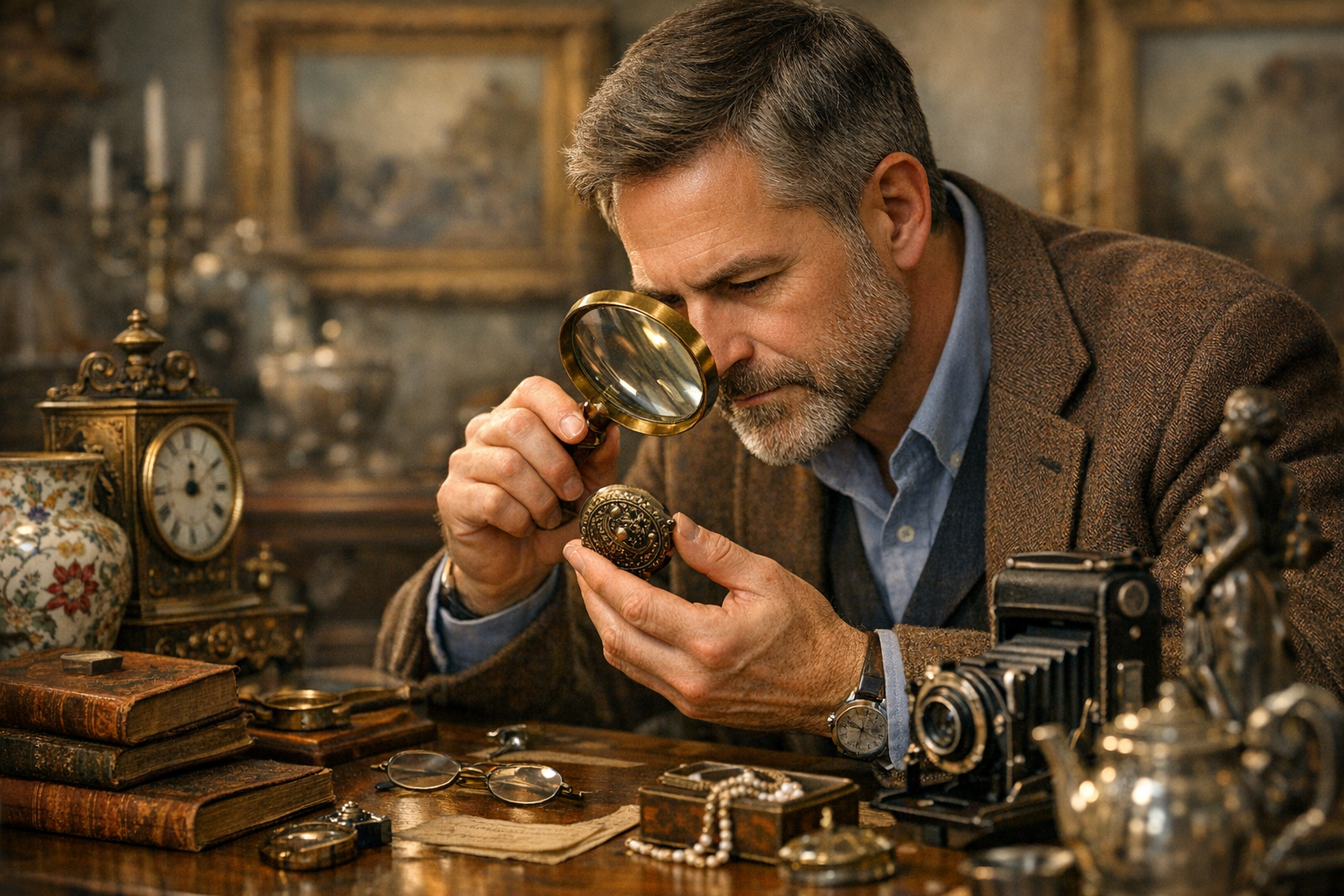
Introduction to Antique Appraisal as a Career
The world of antiques is filled with fascinating objects that tell stories of our past. Behind every valuable antique is someone who can determine its worth—an antique appraiser. These professionals combine historical knowledge, market awareness, and specialized expertise to accurately assess the value of antiques and collectibles.
If you’ve ever watched experts on shows like Antiques Roadshow confidently identify and value rare items, you might wonder how someone develops such specialized knowledge. Becoming an antique appraiser isn’t just about having a good eye or interest in old things—it’s a professional career path requiring education, certification, and practical experience.
This comprehensive guide will walk you through the essential steps to becoming a qualified antique appraiser, from educational foundations to professional certification and beyond.
What Does an Antique Appraiser Do?
The day-to-day responsibilities of an antique appraiser typically include:
- Examining items to determine authenticity, age, condition, and provenance
- Researching comparable sales and market trends
- Writing detailed appraisal reports for clients
- Maintaining knowledge of current market values and economic factors
- Adhering to professional standards and ethical guidelines
- Specializing in specific categories like furniture, jewelry, art, or decorative objects
Appraisers work in various settings, including independent practices, auction houses, insurance companies, museums, and appraisal firms. The career offers flexibility, intellectual stimulation, and the opportunity to work with historically significant objects.
Antique Appraiser Career Statistics
Educational Foundation for Aspiring Appraisers
Formal Education Options
Although a college degree isn’t strictly required to become an antique appraiser, formal education in related fields can provide valuable knowledge and credibility:
- Art History: Provides comprehensive knowledge of artistic periods, styles, and movements
- History: Offers context for understanding objects within their historical periods
- Decorative Arts: Focuses specifically on furniture, ceramics, textiles, and other decorative objects
- Museum Studies: Combines object care, exhibition, and collection management
- Anthropology/Archaeology: Offers perspective on material culture and artifacts
Many successful appraisers hold bachelor’s degrees in these fields, while others pursue advanced degrees for deeper specialization. According to the International Society of Appraisers, formal education in appraisal theory, principles, procedures, ethics, and law forms the foundation of competent appraisal practice.
Specialized Appraisal Courses
Beyond traditional academic degrees, specialized appraisal education is essential. Several institutions offer dedicated programs:
- American Society of Appraisers (ASA): Provides comprehensive courses in appraisal methodology and specialty areas
- International Society of Appraisers (ISA): Offers core courses and specialty studies in fine art, antiques, and decorative arts
- Asheford Institute of Antiques: Provides distance learning programs specifically designed for antique appraisal, as detailed on their course prospectus page
- Community Colleges: Many offer certificate programs or courses in antiques and appraisal
These programs typically cover:
- Appraisal methodology and standards
- Legal and ethical considerations
- Report writing
- Market analysis
- Authentication techniques
Gaining Practical Experience
Practical experience is invaluable in developing the connoisseurship required for antique appraisal. According to discussions on Reddit’s Antiques community, industry professionals recommend several paths for gaining this experience:
Entry-Level Positions
- Auction House Assistant: Working at auction houses exposes you to a wide variety of antiques and the auction valuation process
- Antique Shop/Gallery Employment: Retail experience with antiques provides hands-on access to objects and buyer/seller interactions
- Museum Internships: Offers exposure to historically significant collections and conservation practices
- Estate Sale Company Work: Provides experience in quickly assessing diverse household contents
Self-Directed Learning
- Visiting Museums and Historic Houses: Study authentic period pieces in curated collections
- Attending Auctions: Observe bidding patterns and price realizations
- Building a Reference Library: Collect price guides, identification resources, and category-specific references
- Joining Collector Groups: Network with specialists and enthusiasts in specific collecting areas
One Reddit commenter shared this advice for beginners: “Check out your local community colleges for classes on antiques, pick up as many reference books as you can, volunteer or get a paid position at a local auction house to get some hands-on experience. Become an expert in a certain area of antiques that interests you.”
Professional Certification Paths
Professional certification distinguishes serious appraisers from hobbyists and provides clients with assurance of your competence. According to AppraiseItNow, several organizations offer recognized certification programs:
Major Certification Organizations
International Society of Appraisers (ISA)
- Offers a structured pathway beginning with core courses in appraisal principles
- Requires specialty training in either Fine Art or Antiques & Decorative Arts
- Provides specialty studies courses for specific categories
- Membership levels progress from Member to Certified and finally Accredited
American Society of Appraisers (ASA)
- Requires candidates to pass courses in appraisal principles, ethics, and methodology
- Offers specializations in various property types including Personal Property
- Candidates must submit reports for peer review and complete education requirements
- Designations include Accredited Member (AM) and Accredited Senior Appraiser (ASA)
Appraisers Association of America (AAA)
- Focuses on fine and decorative arts appraisal
- Requires a combination of education, experience, and examination
- Members must submit appraisals for peer review and demonstrate expertise
Certification Process Overview
The typical certification process includes:
- Completing required coursework in appraisal principles and methodology
- Demonstrating expertise in a specific specialty through additional training
- Submitting sample appraisal reports for peer review
- Passing examinations on appraisal standards and specialty knowledge
- Meeting experience requirements (typically 2-5 years of relevant work)
- Adhering to continuing education requirements to maintain certification
According to Vault’s profession guide, “In order to become certified, individuals must complete additional training in their specialty area, submit two appraisals for peer review, complete education credits, and have at least two years of full-time experience.”
Typical Certification Timeline
- Months 1-3
Initial Coursework
Complete fundamental appraisal courses covering methodology, ethics, and standards.
- Months 4-6
Specialty Education
Complete specialized training in your chosen area of expertise (furniture, art, jewelry, etc.).
- Months 7-12
Practical Experience
Work under supervision to gain hands-on experience with appraisals in your specialty area.
- Year 2+
Professional Membership
Apply for professional membership after meeting experience requirements and submitting work for review.
- Ongoing
Continuing Education
Maintain certification through required continuing education and professional development.
Developing Specialty Expertise
While broad knowledge is valuable, specialized expertise in one or more categories allows appraisers to develop deeper knowledge and recognition in their field. According to insights from Quora discussions, most Antiques Roadshow appraisers are recognized experts in specific categories.
Common Specialization Areas
- Furniture: Period furniture from various eras and regions
- Fine Art: Paintings, prints, sculpture, and other artwork
- Decorative Arts: Porcelain, ceramics, silver, glass
- Jewelry and Timepieces: Fine jewelry, watches, and clocks
- Books and Documents: Rare books, manuscripts, and ephemera
- Textiles: Quilts, tapestries, rugs, and historic clothing
- Asian Arts: Chinese, Japanese, and other Asian artifacts
- Militaria: Military artifacts, weapons, and memorabilia
- Mid-Century Modern: 20th-century design items and furniture
Developing Your Specialty
To develop expertise in your chosen specialty:
- Research extensively: Build a comprehensive library of reference materials specific to your area
- Study authentic examples: Examine museum collections and documented pieces
- Learn to identify reproductions: Understand the markers that distinguish authentic pieces from reproductions
- Network with specialists: Connect with dealers, collectors, and curators in your specialty area
- Attend specialized workshops: Participate in category-specific training opportunities
- Visit production centers: When possible, see where historic items were made (ceramic factories, furniture workshops)
Skills Assessment for Aspiring Appraisers
Check which skills you already possess or need to develop
- Research proficiency and information analysis
- Written communication for detailed reports
- Visual analysis and object examination skills
- Knowledge of materials and construction techniques
- Understanding of historical context and provenance
- Market analysis and price comparison abilities
- Client communication and consultation skills
- Ethics and professional standards awareness
Establishing Your Professional Practice
Career Paths in Antique Appraisal
There are several ways to practice as an antique appraiser:
- Independent Appraiser: Establish your own appraisal practice serving individual clients
- Auction House Specialist: Work for an auction company appraising consigned items
- Insurance Appraiser: Specialize in appraisals for insurance coverage
- Museum Consultant: Provide valuation services to museums and cultural institutions
- Estate Appraiser: Focus on valuations for estate settlement and division
- Media Expert: Develop expertise that can lead to television or publication opportunities
Building Your Appraisal Business
To establish a successful practice:
- Create a professional website: Showcase your credentials, specialties, and services
- Join professional organizations: Network with other appraisers and receive referrals
- Develop relationships with attorneys, estate planners, and insurance agents: These professionals often refer clients needing appraisals
- Offer educational workshops: Build your reputation through teaching and presentations
- Maintain proper insurance: Secure professional liability insurance for your practice
- Develop standard systems: Create efficient workflows for client intake, examination, and report writing
- Consider multiple revenue streams: Combine appraisal work with related services like consulting or brokerage (while avoiding conflicts of interest)
Antique Appraiser Income Potential
Salary ranges based on location and experience level
Ethical Considerations in Appraisal Practice
Ethics are paramount in the appraisal profession. All major appraisal organizations maintain codes of ethics that members must follow. Key ethical principles include:
Core Ethical Standards
- Independence and Objectivity: Appraisals must be unbiased and independent of pressure to reach particular values
- Confidentiality: Client information must be kept private and secure
- Avoiding Conflicts of Interest: Appraisers should not have financial interest in the items they appraise
- Transparency: All fees and methods should be clearly disclosed to clients
- Professional Competence: Appraisers should only accept assignments within their expertise
- Compliance with Laws: Including regulations related to appraisals for tax, estate, and other purposes
Potential Conflicts to Avoid
- Appraising and Buying: Avoiding the conflict of appraising items you may later purchase
- Contingent Fees: Never basing fees on the appraised value of items
- Pressure from Clients: Maintaining objectivity despite client expectations for certain values
- Authenticity Issues: Having protocols for handling suspected forgeries or misrepresentations
Common Questions About Becoming an Antique Appraiser
Do I need a college degree to become an antique appraiser?
How much do antique appraisers typically earn?
How long does it take to become a certified antique appraiser?
Can I specialize in multiple areas of antiques?
Are there online courses available for antique appraisal training?
External Resources for Aspiring Appraisers
International Society of Appraisers
Professional organization offering structured education and certification paths for appraisers, with detailed information on becoming an appraiser.
Asheford Institute of Antiques
Provides distance learning programs specifically designed for antique appraisal and certification, with flexible home-study options.
American Society of Appraisers
Multi-disciplinary professional appraisal organization offering education, accreditation, and professional development for appraisers.
Appraisers Association of America
Professional organization focused on fine and decorative arts appraisal, offering education and networking opportunities.
The Appraisal Foundation
Authorized by Congress as the source of appraisal standards and appraiser qualifications, providing information on appraiser requirements.
r/Antiques Reddit Community
Discussion forum with practical advice from professionals and collectors on pathways to becoming an antique appraiser.
Conclusion: Building Your Career as an Antique Appraiser
Becoming an antique appraiser is a rewarding journey that combines historical knowledge, business acumen, and specialized expertise. While the path requires dedication and continuous learning, it offers a fulfilling career working with fascinating objects and providing valuable services to clients.
The most successful appraisers share common characteristics: a passion for research, attention to detail, ethical integrity, and a commitment to ongoing education. The field continues to evolve with changing markets, technologies, and appraisal standards, making it essential to stay connected with professional organizations and continuing education.
Whether you’re drawn to the historical aspects of antiques, enjoy the challenge of research and authentication, or are attracted to the flexible career options, the appraisal profession offers diverse opportunities for those willing to invest in the necessary education and experience.
By following the educational pathways, certification processes, and professional development strategies outlined in this guide, you can build a successful career as a respected antique appraiser in this intellectually stimulating and ever-changing field.
Free instant estimate
Not sure if your item is worth appraising? Let us take a look.
Upload a photo, tell us what you know, and get a free first read. If a full appraisal makes sense, we will say so.
Free. No card needed. Takes about two minutes.
Choose your next step
Use the path that matches the decision you need to make about the item.
Not sure it is worth appraising?
Start with a lower-friction screen to understand the likely category, evidence, and next step.
Upload photos for a free first lookWant proof before paying?
See how a signed report documents photos, comparable evidence, condition notes, and value conclusions.
View signed report sampleNeed a signed report?
Use this for insurance, estate, donation, resale, or documented value decisions.
Need documentation now? Start signed appraisalNeed local or specialist help?
Compare directory options when the work needs in-person review or a specialist near you.
Find local specialistsSee what the report looks like
Sample reports show how photos, comparable evidence, condition notes, and a value conclusion are documented.
Get an antique appraisal
Upload object photos, marks, dimensions, condition issues, provenance notes, and sale context to see the kind of evidence a professional appraisal reviews.
- Expert report with photos and comps
- Fast turnaround
- Fixed, upfront pricing
No obligation. Secure upload.
Continue your valuation journey
Find the right local specialist
Compare antique and art appraisers by location and specialty in one directory.
Antique & art specialists
Browse the Antique & Art Appraisers Directory
Choose a local specialist when the assignment needs in-person inspection or a specific credential.
Machine-readable summaries
Use these machine-friendly references for AI and crawler discovery of Appraisily content.
Ready for pricing guidance?
Start a secure online appraisal
Upload images and details. Certified specialists respond within 24 hours.
Upload photos for a free first look View signed report sample