1976 Bicentennial Quarter Value: appraisal and value basics
1976 Bicentennial Quarter Value research should start with identification, condition, provenance, and item-specific market evidence. Use this guide to compare the signals that matter before paying for a formal appraisal or deciding whether to sell.
Introduction to Bicentennial Quarters
If you’ve recently discovered a bicentennial quarter in your change or collection, you might be wondering about its potential value. This comprehensive guide will help you understand what makes certain 1976 quarters valuable and how to determine if yours might be worth more than 25 cents.
Bicentennial Quarter Key Facts
Production Period: 1975-1976
Date Displayed: 1776-1976
Composition: Copper-nickel clad (regular) or a category-dependent amount silver (special issues)
Mintage: Over 1.6 billion combined
Designer: Jack Ahr (reverse design)
Face Value: 25 cents
History and Significance
The U.S. Mint held a design competition for the commemorative coins, with Jack Ahr’s colonial drummer boy design selected for the quarter. This marked the first significant design change to the quarter since the Washington quarter was introduced in 1932. Despite the “1976” date, production actually began in 1975, with all bicentennial quarters bearing the dual date regardless of when they were struck.
Bicentennial Quarter Timeline
- 1973
Design Competition Announced
The U.S. Treasury Department announces a competition for new reverse designs for the quarter, half dollar, and dollar coins to commemorate the nation's bicentennial.
- 1974
Winners Selected
Jack Ahr's colonial drummer boy design is selected for the quarter reverse from over 880 submissions.
- 1975
Production Begins
The U.S. Mint begins producing bicentennial quarters with the dual date "1776-1976." No quarters dated only "1975" were produced.
- 1976
Production Continues
Minting continues through 1976, with both regular clad quarters for circulation and special a category-dependent amount silver editions for collectors.
- 1977
Regular Quarter Production Resumes
The U.S. Mint returns to the standard Washington quarter reverse design with quarters dated 1977.
Bicentennial Quarter Specifications and Design
The Bicentennial quarter shares the same physical specifications as other Washington quarters of this era:
- Diameter: 24.3 mm
- Weight: 5.67 grams (clad version); 5.75 grams (silver version)
- Edge: Reeded (ridged)
- Composition:
- Regular issue: Copper-nickel clad (a category-dependent amount copper, a category-dependent amount nickel outer layer over a pure copper core)
- Silver issue: a category-dependent amount silver, a category-dependent amount copper
Design Elements
Obverse (Front):
- Portrait of George Washington
- Inscription “LIBERTY” above
- Dual date “1776-1976” below
- Motto “IN GOD WE TRUST” to the left
- Mint mark (if present) beneath Washington’s neck
Reverse (Back):
- Colonial drummer boy facing left
- Torch of victory encircled by 13 stars (representing the original colonies)
- Inscription “UNITED STATES OF AMERICA” above
- Denomination “QUARTER DOLLAR” below
- National motto “E PLURIBUS UNUM” to the left
Mint Marks and Varieties
Mint Marks
- No Mint Mark (Philadelphia): Produced for circulation; over 800 million minted
- D (Denver): Produced for circulation; over 860 million minted
- S (San Francisco): Produced both proof coins for collectors and some for circulation; lower mintage and generally more valuable
Composition Varieties
- Copper-Nickel Clad: The standard composition used for circulation coins
- a category-dependent amount Silver: Special collector versions produced at the San Francisco Mint
The mint mark can be found on the obverse (front) side of the quarter, below Washington’s neck. If no mint mark is present, the coin was minted in Philadelphia.
Bicentennial Quarter Mintage Figures
Production totals by mint and composition
Bicentennial Quarter Values by Type
Standard Circulation Quarters (Copper-Nickel Clad)
Most Bicentennial quarters found in circulation are worth their face value of 25 cents. However, those in pristine, uncirculated condition can be worth more to collectors:
Regular Clad Bicentennial Quarter Values
Prices based on condition and mint mark (2025 values)
| Category | Price | Notes |
|---|---|---|
| 1976 (No Mint Mark) | 809,784,016 | Copper-Nickel (Regular) |
| 1976-D | 860,118,839 | Copper-Nickel (Regular) |
| 1976-S (Proof) | 7,059,099 | Copper-Nickel (Regular) |
| 1976-S (Silver Proof) | 4,149,730 | a category-dependent amount Silver |
| 1976-S (Silver Uncirculated) | 11,000,000 | a category-dependent amount Silver |
</tbody> </table>
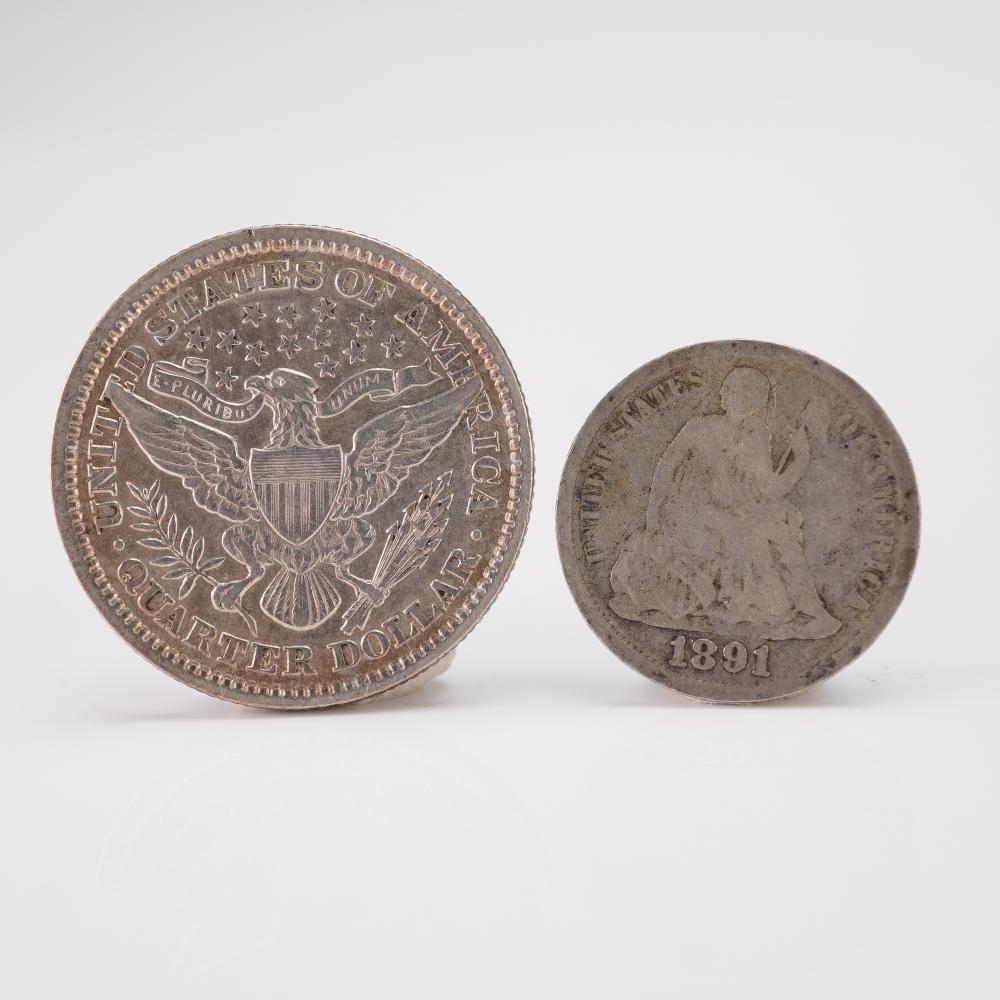
Silver Composition Quarters
The silver varieties were not released for circulation but sold directly to collectors in special mint sets. These quarters generally command higher premiums:
Silver Bicentennial Quarter Values
a category-dependent amount silver versions (2025 values)
| Category | Price | Notes |
|---|---|---|
| 1976 (No Mint Mark) | a value that must be established from current, topic-matched sales | Circulated condition |
| 1976 (No Mint Mark) | a value that must be established from current, topic-matched sales | Uncirculated (MS63-MS65) |
| 1976 (No Mint Mark) | a value that must be established from current, topic-matched sales | High Grade (MS65-MS67) |
| 1976-D | a value that must be established from current, topic-matched sales | Circulated condition |
| 1976-D | a value that must be established from current, topic-matched sales | Uncirculated (MS63-MS65) |
| 1976-D | a value that must be established from current, topic-matched sales | High Grade (MS65-MS67) |
| 1976-S (Proof) | a value that must be established from current, topic-matched sales | Regular proof conditions |
</tbody> </table>
Rare and Valuable Bicentennial Quarter Errors
1. Double Die Errors
Double die errors occur when the die used to strike the coin receives a double impression during its creation, resulting in doubled design elements on the struck coins. These can be quite valuable, with prices ranging from a value that must be established from current, topic-matched sales for minor doubling to several hundred dollars for prominent examples.
2. Off-Center Strikes
When a coin is struck while not properly centered between the dies, it creates an off-center strike. The value depends on the severity of the off-centering and whether the date and mint mark are still visible:
- a condition-specific range off-center: a value that must be established from current, topic-matched sales
- a category-dependent amount off-center (with date visible): a value that must be established from current, topic-matched sales
- a condition-specific range off-center (with date visible): a value that must be established from current, topic-matched sales+
3. Double Denomination Errors
One of the most valuable Bicentennial quarter errors is the double denomination error, where a quarter is struck over another denomination coin. A Bicentennial quarter struck on a dime planchet sold for a value that must be established from current, topic-matched sales at auction, making it one of the most valuable modern error coins.
4. Silver Proof Errors
The most valuable Bicentennial quarters are generally rare error coins in the silver proof series:
Notable Bicentennial Quarter Error Values
Auction records for rare error coins
| Category | Price | Notes |
|---|---|---|
| 1976-S Silver Uncirculated | a value that must be established from current, topic-matched sales | Average condition |
| 1976-S Silver Uncirculated | a value that must be established from current, topic-matched sales | High grade (MS65-MS67) |
| 1976-S Silver Proof | a value that must be established from current, topic-matched sales | Regular proof condition |
| 1976-S Silver Proof Cameo | a value that must be established from current, topic-matched sales | With cameo contrast |
| 1976-S Silver Proof Deep Cameo | a value that must be established from current, topic-matched sales+ | With strong deep cameo contrast |
</tbody> </table>
Bicentennial Quarter Value Factors Checklist
Check applicable items to determine if your quarter might be worth more than face value
- Has S mint mark (San Francisco)
- Is uncirculated with no wear or contact marks
- Has a category-dependent amount silver composition (heavier and no copper visible on edge)
- Shows doubling in lettering or design elements
- Has off-center strike
- Shows evidence of being struck on wrong planchet
- Has rotated die error (reverse is not oriented correctly)
- Is part of original government packaging
How to Identify Silver Bicentennial Quarters
- Mint Mark: All silver Bicentennial quarters have an “S” mint mark (San Francisco)
- Weight: Silver quarters weigh approximately 5.75 grams vs. 5.67 grams for clad
- Edge Examination: The edge of a silver quarter will not show the copper core visible on clad quarters
- Original Packaging: Many silver quarters were sold in special Treasury Department packaging
- Tone and Color: Silver quarters often have a slightly different color tone than clad versions
It’s important to note that not all “S” mint mark quarters are silver - San Francisco also produced clad proof versions. The most reliable method is checking the edge for the absence of a copper core layer.
Where to Sell Valuable Bicentennial Quarters
Local Coin Dealers: Professional numismatists can appraise and purchase your coins. They typically offer less than retail value but provide immediate payment.
Online Marketplaces: Platforms like eBay allow you to reach a wide audience of collectors. However, you’ll need to handle shipping and may encounter fees.
Coin Shows: These events bring together dealers and collectors, providing multiple potential buyers for your coins.
Online Coin Forums: Sites like CoinTalk have marketplaces where you can connect with collectors interested in Bicentennial quarters.
Auction Houses: For extremely rare or valuable error coins, specialized numismatic auction houses may be your best option to maximize value.
For common Bicentennial quarters in average condition, it’s often best to hold onto them as interesting historical pieces rather than selling them for face value.
Common Questions About Bicentennial Quarter Values
How much is a 1776-1976 Bicentennial quarter worth today?
- Most circulated Bicentennial quarters are worth face value (25 cents)
- Uncirculated examples can be worth a value that must be established from current, topic-matched sales
- Silver composition quarters (with S mint mark) typically range from a value that must be established from current, topic-matched sales
- High-grade specimens or those with errors can be worth significantly more, from a value that must be established from current, topic-matched sales to over a value that must be established from current, topic-matched sales for extremely rare error coins
How can I tell if my Bicentennial quarter is silver?
To identify a silver Bicentennial quarter:Remember that not all "S" mint quarters are silver, as San Francisco also produced clad proofs.
- Check for an "S" mint mark under Washington’s neck
- Examine the edge - silver quarters won’t show a copper core like clad quarters
- Weigh the coin - silver quarters weigh 5.75 grams vs 5.67 grams for clad
- Look for original government packaging, as silver quarters were only sold in special sets
What makes a Bicentennial quarter rare or valuable?
- Silver composition (a category-dependent amount silver versions)
- Pristine, uncirculated condition (MS67 or higher)
- Strong strike with full design details
- Error varieties (double dies, off-center strikes, wrong planchets)
- Cameo or deep cameo contrast on proof coins
- Original government packaging for proof and mint sets
How much are 1976 Bicentennial quarters worth with no mint mark?
In uncirculated condition (no wear):
- MS63-MS65: a value that must be established from current, topic-matched sales
- MS66: a value that must be established from current, topic-matched sales
- MS67: a value that must be established from current, topic-matched sales
- MS68 or better: a value that must be established from current, topic-matched sales
Where is the mint mark on a Bicentennial quarter?
- No mint mark indicates the Philadelphia Mint
- "D" indicates the Denver Mint
- "S" indicates the San Francisco Mint
Are Bicentennial quarters still in circulation?
How can I tell if my Bicentennial quarter has a valuable error?
- Doubled features in the lettering or design elements
- Off-center strikes where the design isn’t properly centered
- Missing design elements or die cracks
- Wrong planchet errors (quarter struck on a different denomination coin blank)
- Rotated dies (reverse is not properly aligned with obverse)
Conclusion: Are Your Bicentennial Quarters Worth Keeping?
For the average collector, Bicentennial quarters represent an accessible and historically significant part of American numismatic history. Their distinctive design commemorating the nation’s 200th birthday makes them worth keeping regardless of monetary value.
If you believe you have a potentially valuable Bicentennial quarter, consider having it professionally evaluated by a reputable coin dealer or third-party grading service. This will provide you with a definitive assessment of its attribution evidence, condition, and market value.
Whether your Bicentennial quarters are worth face value or hundreds of dollars, they remain an important piece of American coinage history that connects us to the celebration of the nation’s bicentennial.
External Resources for Bicentennial Quarter Research
SD Bullion Bicentennial Quarters Value Chart
Comprehensive guide to Bicentennial quarter values with detailed price information and mintage data.
The Silver Picker: Bicentennial Quarter Values
Detailed analysis of what makes certain Bicentennial quarters valuable to collectors in today's market.
Coin Value Checker: Rare Bicentennial Quarters
Reference guide to the most valuable Bicentennial quarter varieties and what makes them special.
Benzinga: Investing in the 1776-1976 Bicentennial Quarter
Analysis of Bicentennial quarters as collectibles with current market valuations.
Reddit r/coincollecting: Bicentennial Quarter Discussions
Community discussions about collecting and valuing Bicentennial quarters with collector insights.
Note: We couldn’t find relevant auction comps in our database for this topic right now. If you’re valuing a specific item, try searching by maker/model/material and we’ll expand coverage over time.
What similar items actually sold for
To help ground this guide in real market activity, here are recent example auction comps from Appraisily’s internal database. These matched sales are market context only, not an object estimate or identification, and they do not guarantee a price for your specific how much are 1976 bicentennial quarters.
Shown USD range: USD 475-USD 7,500. Median of these 5 USD examples: USD 1,700.
| Comparable | What sold | Auction house | Date | Lot | Source-reported amount |
|---|---|---|---|---|---|
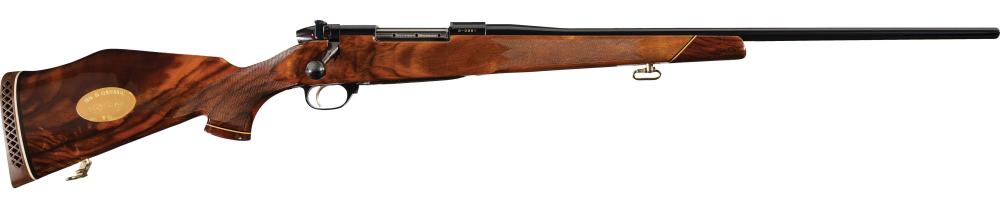 |
Weatherby 1976 Bicentennial Mark V Bolt Action Rifle | Rock Island Auction Company | 2024-08-25 | 3531 | USD 1,700 (buyer’s-premium treatment unknown) |
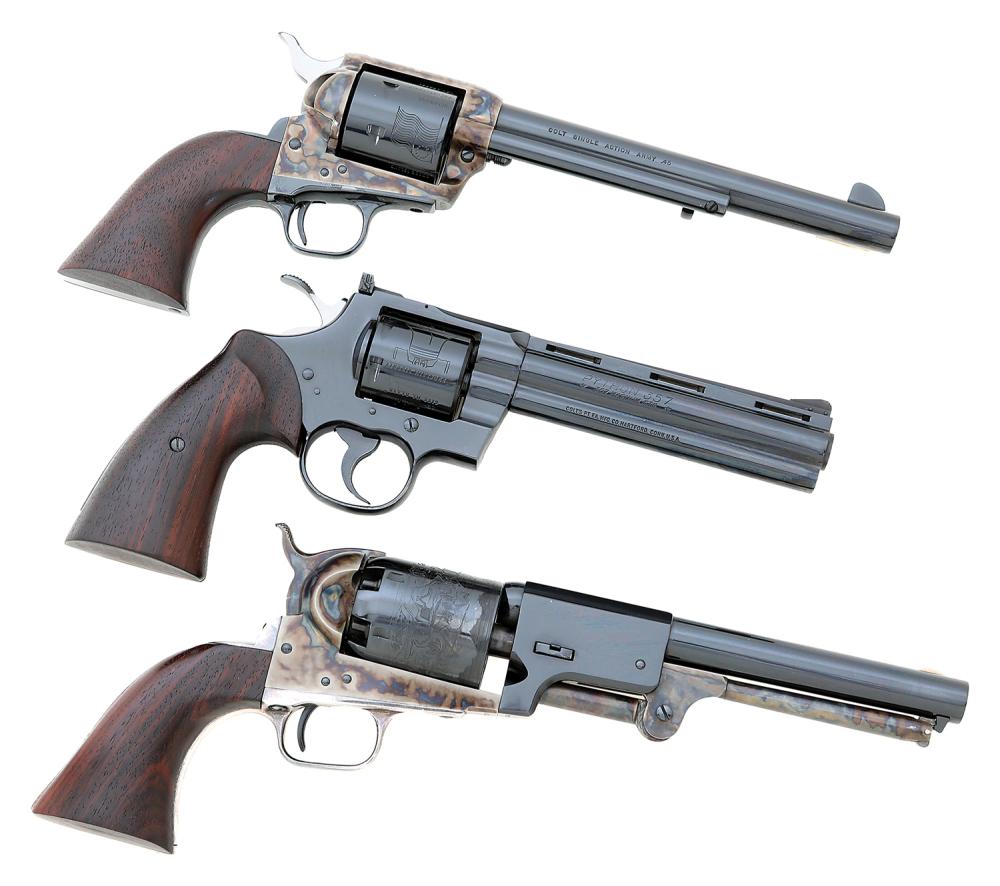 |
EXCELLENT COLT 1776 – 1976 BICENTENNIAL COMMEMORATIVE THREE GUN SET | Amoskeag Auction Company, Inc. | 2025-11-23 | 1010 | USD 4,500 (buyer’s-premium treatment unknown) |
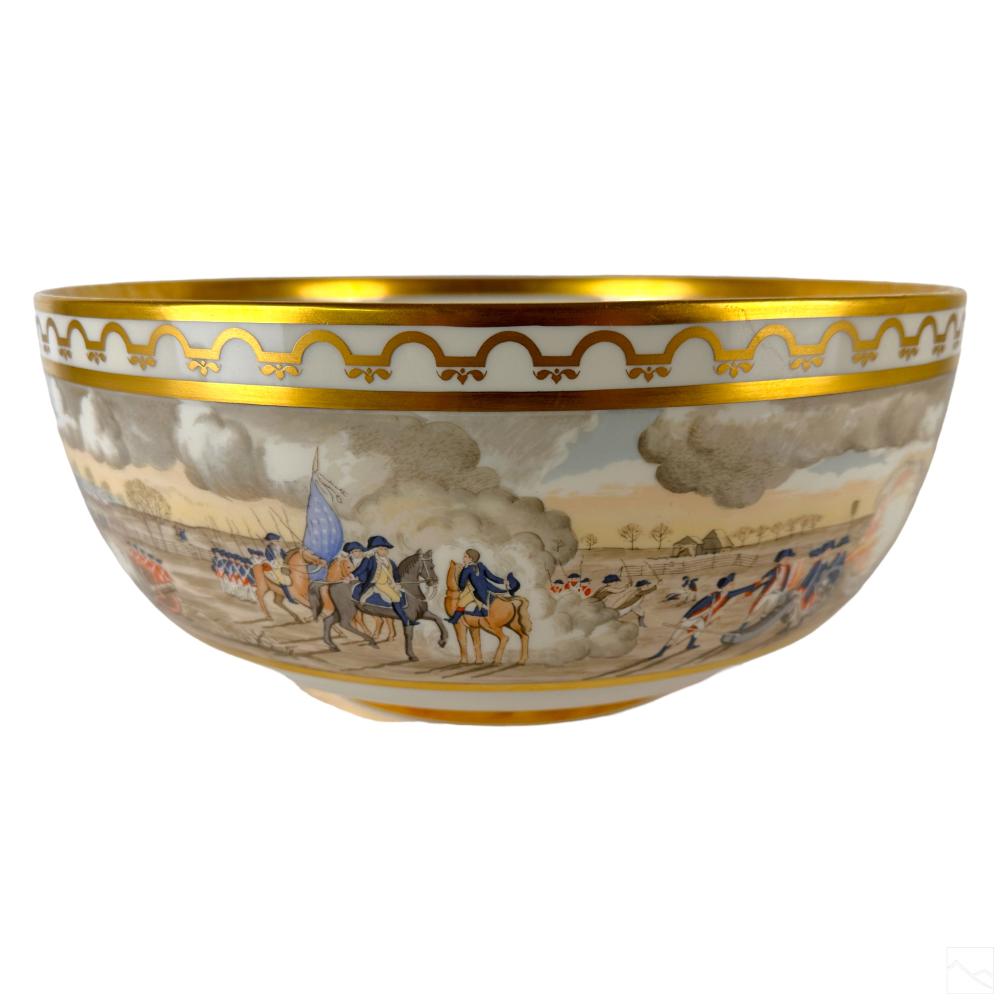 |
Royal Copenhagen Porcelain 1976 Bicentennial Bowl | Hill Auction Gallery | 2023-07-26 | 474 | USD 475 (buyer’s-premium treatment unknown) |
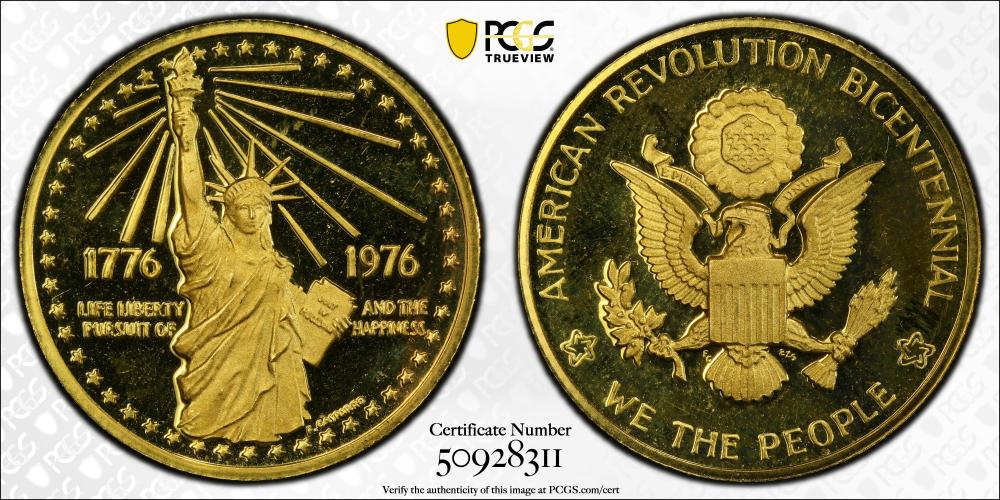 |
1976 U.S. Mint American Bicentennial Gold Medal PCGS DCAM | Mebane Antique Auction | 2025-01-04 | 40 | USD 875 (buyer’s-premium treatment unknown) |
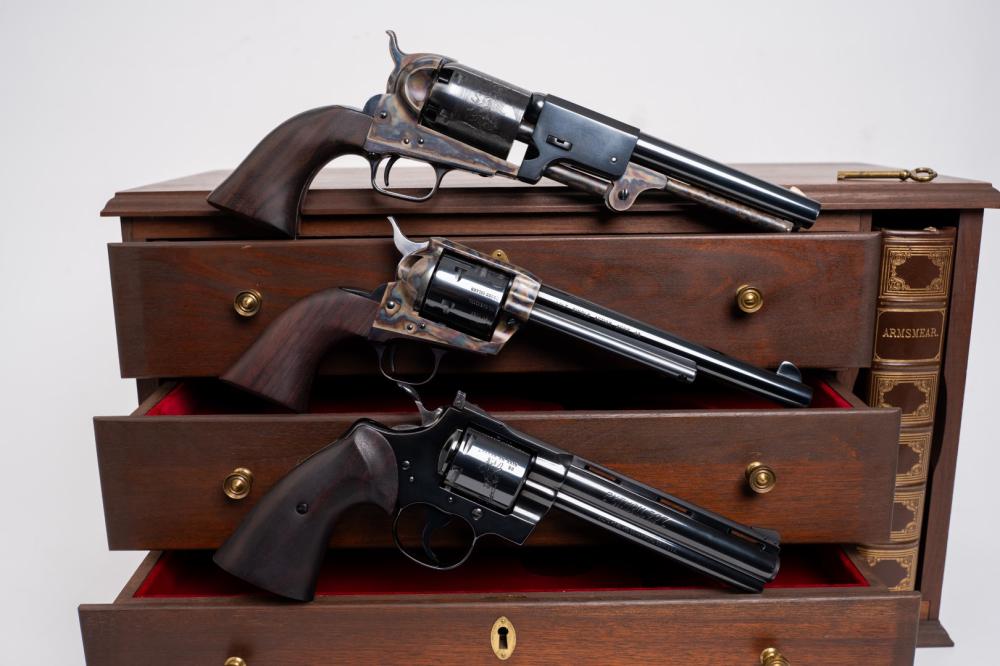 |
Colt USA Bicentennial Set Dragoon SAA Python & Case, 1976 ATF C&R | Lock Stock & Barrel Investments Inc. | 2024-03-01 | 31 | USD 7,500 (buyer’s-premium treatment unknown) |
How these auction records were verified
Each row retains its exact source URL, lot identity, retrieval time, access result, and immutable record hash. Inspect the public comparable provenance record.
Disclosure: prices are shown as reported by auction houses and are provided for appraisal context. Learn more in our editorial policy.
Free instant estimate
Not sure if your item is worth appraising? Let us take a look.
Upload a photo, tell us what you know, and get a free first read. If a full appraisal makes sense, we will say so.
Free. No card needed. Takes about two minutes.
Choose your next step
Use the path that matches the decision you need to make about the item.
Not sure it is worth appraising?
Start with a lower-friction screen to understand the likely category, evidence, and next step.
Upload photos for a free first lookWant proof before paying?
See how a signed report documents photos, comparable evidence, condition notes, and value conclusions.
View signed report sampleNeed a signed report?
Use this for insurance, estate, donation, resale, or documented value decisions.
Need documentation now? Start signed appraisalNeed local or specialist help?
Compare directory options when the work needs in-person review or a specialist near you.
Find local art specialistsSee what the report looks like
Sample reports show how photos, comparable evidence, condition notes, and a value conclusion are documented.
Get a coin appraisal
Upload obverse, reverse, mint mark, edge, holder, roll or album context, proof packaging, suspected errors, surface condition, and quantity.
- Expert report with photos and market context
- Fast turnaround
- Fixed, upfront pricing
No obligation. Secure upload.
Continue your valuation journey
Find the right local specialist
Compare antique and art appraisers by location and specialty in one directory.
Antique & art specialists
Browse the Antique & Art Appraisers Directory
Choose a local specialist when the assignment needs in-person inspection or a specific credential.
Machine-readable summaries
Use these machine-friendly references for AI and crawler discovery of Appraisily content.
Ready for pricing guidance?
Start a secure online appraisal
Upload images and details. Certified specialists respond within 24 hours.
Upload photos for a free first look View signed report sample