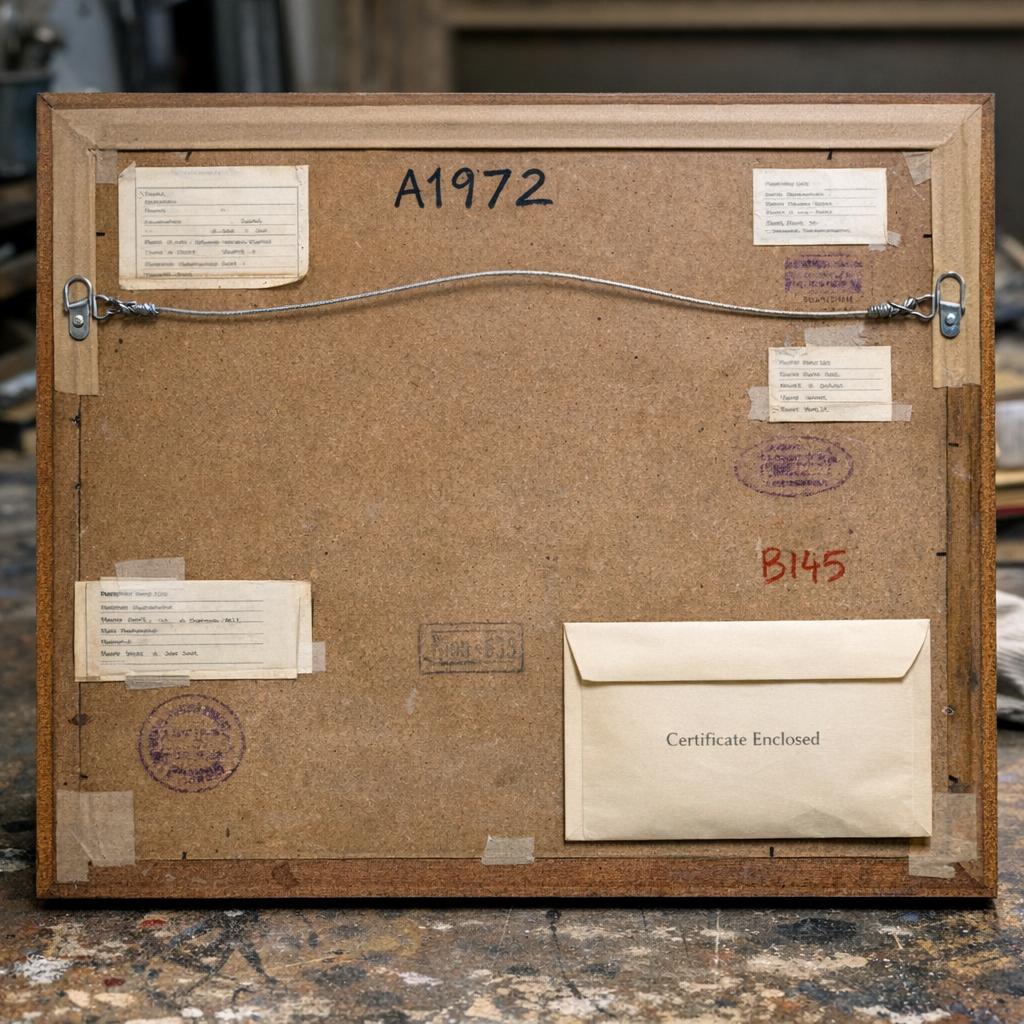
Antique Research When Search Tools Fail: Marks, Materials, Condition, Documents and Notes

Research antiques when search tools fail by documenting marks, materials, construction, condition, dimensions, documents, and transparent appraisal notes.

Antique research reference with marks, materials, construction, condition, dimensions, documents, and transparent appraisal notes
Antique research reference with marks, materials, construction, condition, dimensions, documents, and transparent appraisal notes. Reference image; item-specific appraisal depends on submitted photos and documentation.
Antique research reference with marks, materials, construction, condition, dimensions, documents, and transparent appraisal notes
Contextual documentation image; when online tools fail, rely on object photographs, marks, measurements, provenance, and cited references.

What to document first

This page corrects a malformed generated title into a practical guide: how to keep antique research moving when a search tool, database, or AI service fails. The object itself remains the primary evidence.

Record measurements, construction, materials, marks, repairs, ownership history, and source citations before forming a value opinion. Clear notes are more defensible than rushed assumptions from a single online result.

Value factors

Value depends on attribution, originality evidence, condition, rarity, subject matter, date, completeness, and buyer demand. The strongest appraisal file keeps confirmed facts separate from assumptions and explains any uncertainty plainly.

No public market evidence are asserted here. Use verified sold records, specialist databases, and object-specific evidence before relying on any market range.

When to request an appraisal

Request a professional appraisal when the object may be insured, donated, sold, inherited, divided in an estate, or reported for tax purposes. Include provenance and condition photographs so the appraiser can decide whether a desktop review is sufficient or additional inspection is needed.

Need a documented value opinion?

Upload photos and details for antique research and appraisal documentation so Appraisily can review the evidence and recommend the right appraisal path.

Start an appraisal

Choose your next step

Use the path that matches the decision you need to make about the item.

Need a signed report?

Use this for insurance, estate, donation, resale, or documented value decisions.

Start a signed report

Not sure it is worth appraising?

Start with a lower-friction screen to understand the likely category, evidence, and next step.

Use the free screener

Need local or specialist help?

Compare directory options when the work needs in-person review or a specialist near you.

Find local specialists

See what the report looks like

Sample reports show how photos, comparable evidence, condition notes, and a value conclusion are documented.