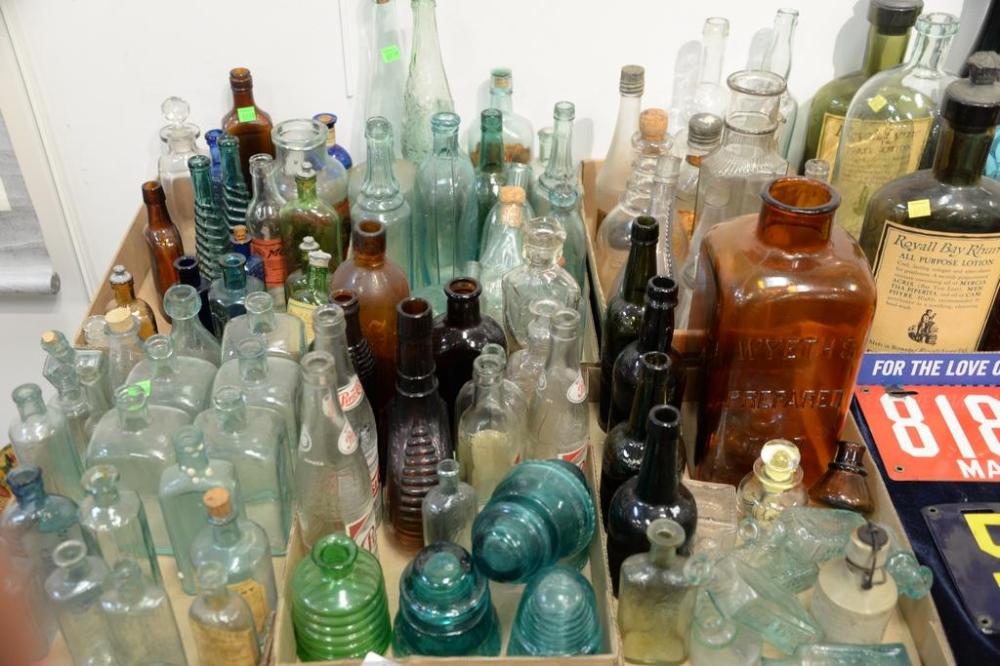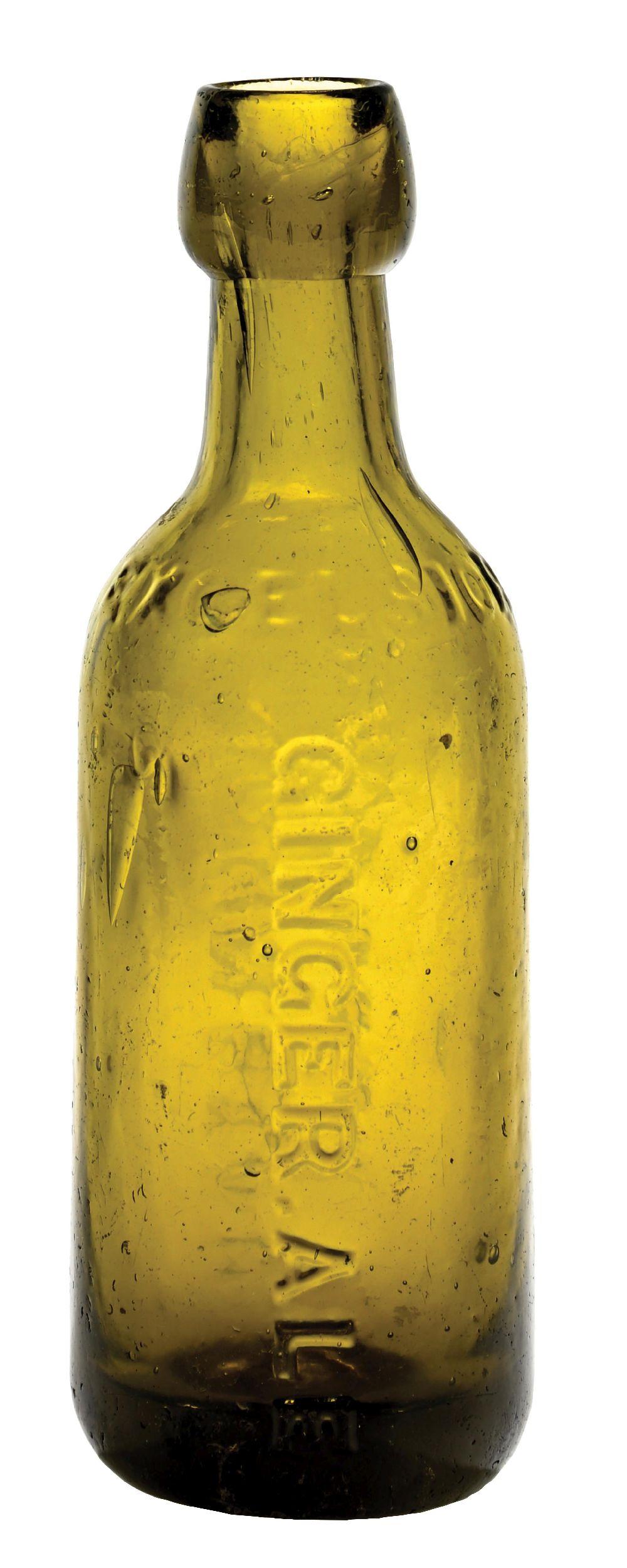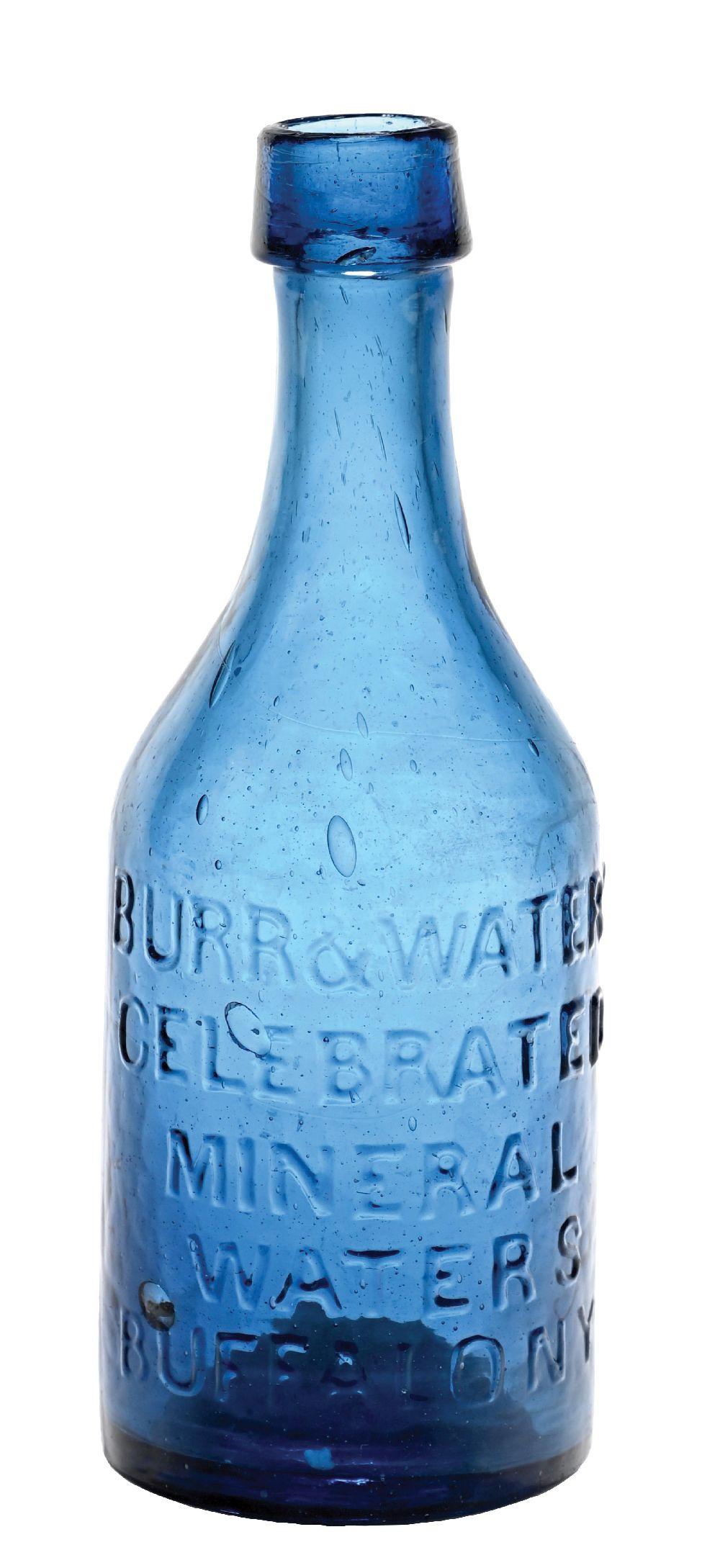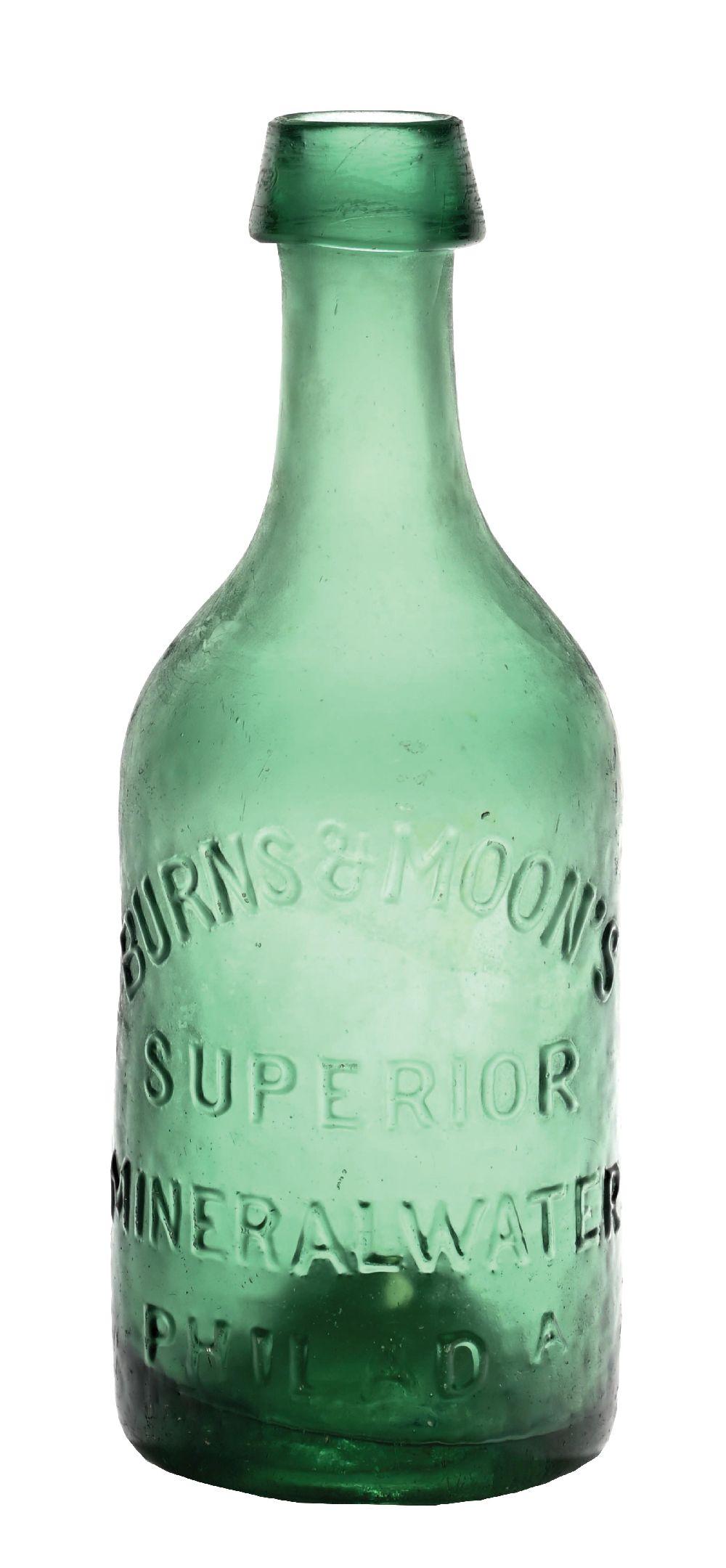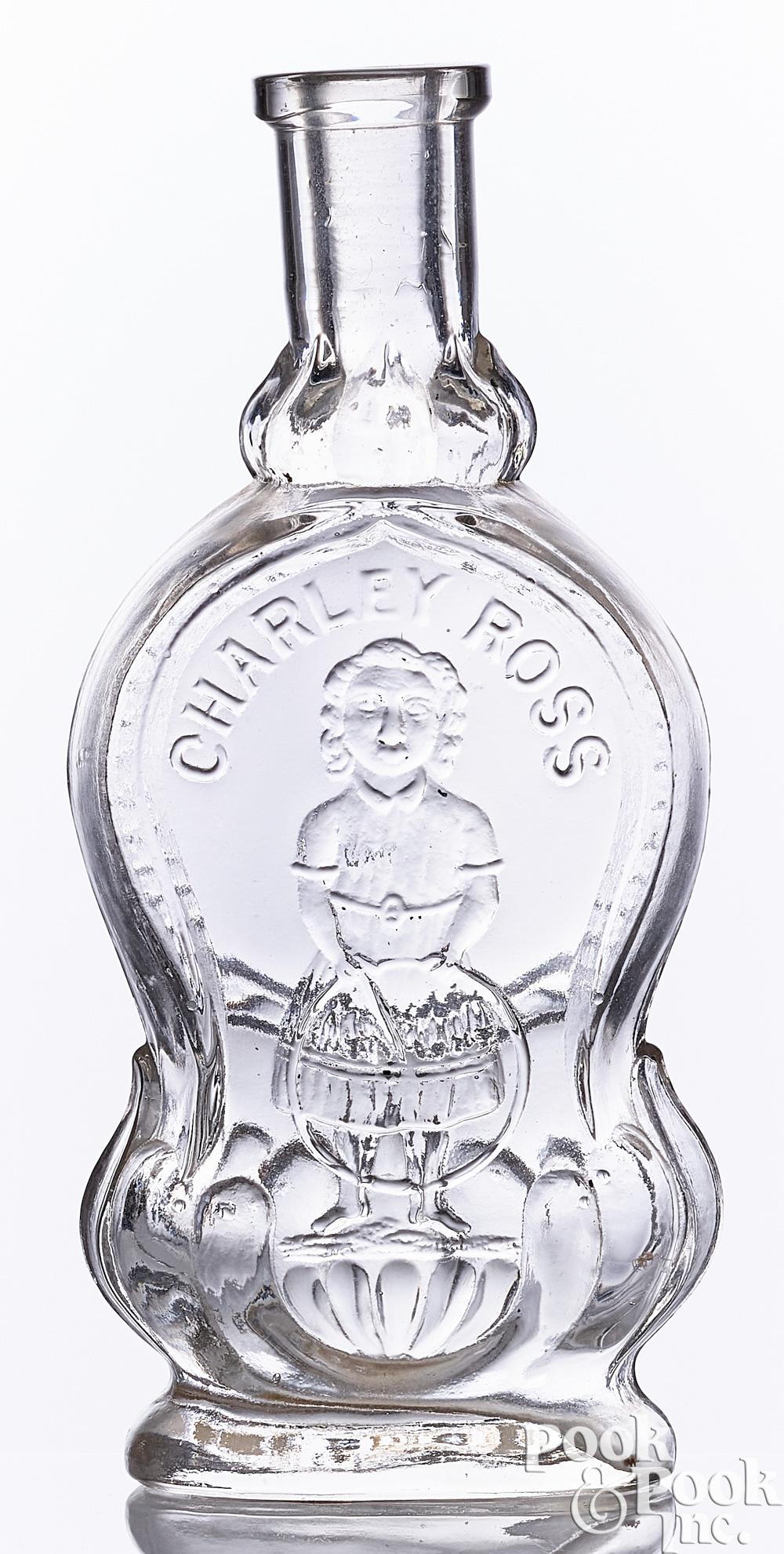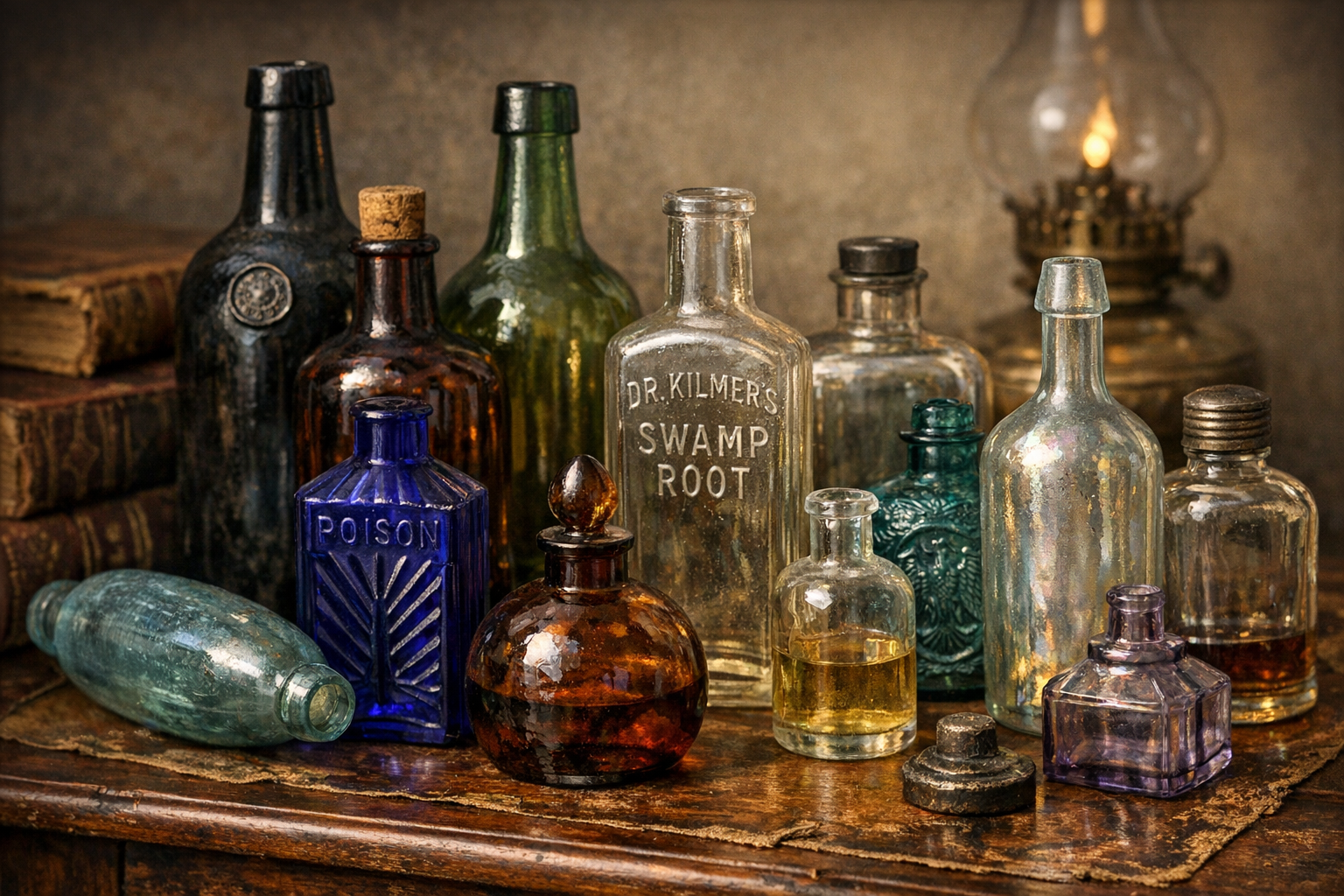
Old bottles can range from common decorative pieces to scarce collector examples. The best first pass is to sort the collection by bottle type, color, markings, age clues, and damage before comparing prices.
Identify the bottle category
Medicine, soda, bitters, ink, milk, beer, perfume, and utility bottles each have their own collector market. Embossed names, town marks, pontil scars, mold seams, and closure style help narrow the period and category.
Condition drives the spread
Chips, cracks, staining, heavy case wear, ground lips, and repaired damage can reduce value sharply. Strong color, clean glass, crisp embossing, and original labels can lift a bottle above common examples.
Use matched comparables
Compare to sold examples with the same form, color, embossing, size, and condition. Asking prices are useful for spotting interest, but completed sales are stronger evidence of current market value.
What a defensible value needs
Photograph each bottle from the front, base, lip, side, and any embossing. A sorted photo set makes it much easier to identify the few bottles that may deserve deeper research.
Need a documented value?
Upload photos and details. Appraisily checks identity, condition, and market evidence, then prepares a signed appraisal report you can share.