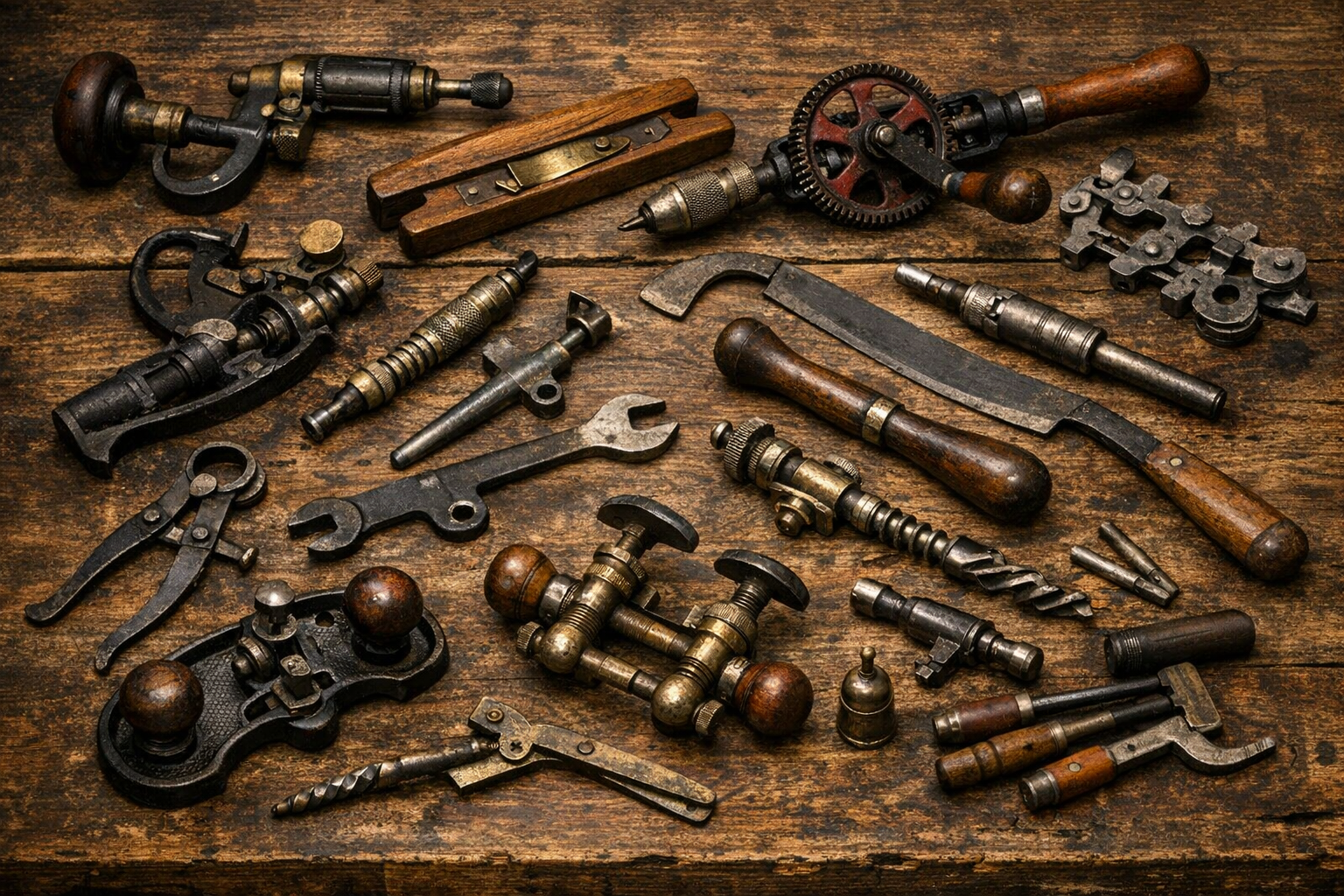
Unusual antique hand tools reward methodical identification. A tool may be obscure because it served a specialized trade, a short-lived patent, a regional craft, or a farm repair task rather than because it is automatically rare.
Infer function from wear
Look at cutting edges, grip polish, clamp pressure, jaw shape, screw movement, and contact points. Honest wear often explains how the tool was used.
Find maker and patent clues
Stamps, cast lettering, patent dates, model numbers, retailer marks, and replaced parts can change identification. Photograph marks before cleaning so evidence is not lost.
Avoid novelty assumptions
Some tools look strange but are common trade tools. Others are scarce but have limited buyer demand. Value comes from documented identity, completeness, condition, and collector interest.
Quick appraisal checklist
- Photograph the full tool and every mark
- Check moving parts, jaws, screws, blades, handles, and fasteners
- Record patent dates, model numbers, and retailer marks
- Note missing parts, cracks, repairs, and overcleaning
- Compare to sold examples with the same function and maker
Note: We couldn’t find enough auction records that directly match Unusual Antique Hand Tools: Function, Form, Maker Marks, Patents, Materials and Wear to publish a defensible price table. If you are valuing a specific item, include its maker, model, material, photos, and condition so the search can be narrowed.
What similar items actually sold for
To help ground this guide in real market activity, here are recent example auction comps from Appraisily’s internal database. These matched sales are market context only, not an object estimate or identification, and they do not guarantee a price for your specific discovering the past a beginners guide to identifying.
Shown USD range: USD 450-USD 4,500. Median of these 3 USD examples: USD 700.
| Comparable | What sold | Auction house | Date | Lot | Source-reported amount |
|---|---|---|---|---|---|
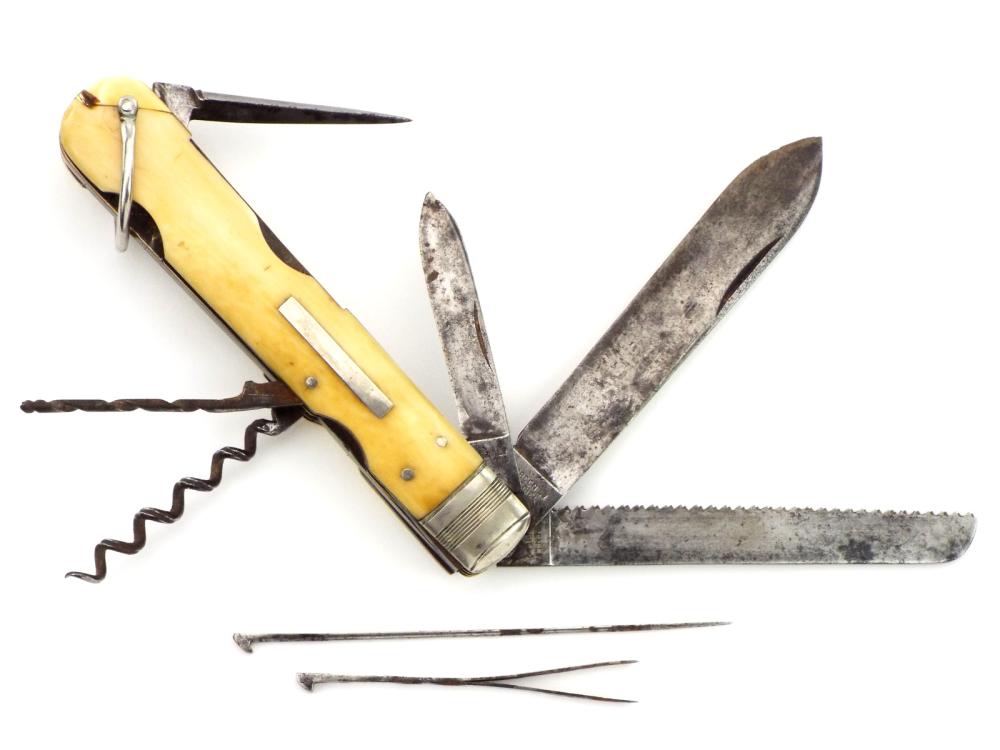 |
Antique American Civil War Era Fine Multi Bladed Folding Knife & Tools By GREENLEE SHEFFIELD Hand Forged BladesSource blocked; provenance matched | ZevAntiques | 2024-11-23 | 23 | USD 700 (buyer’s-premium treatment unknown) |
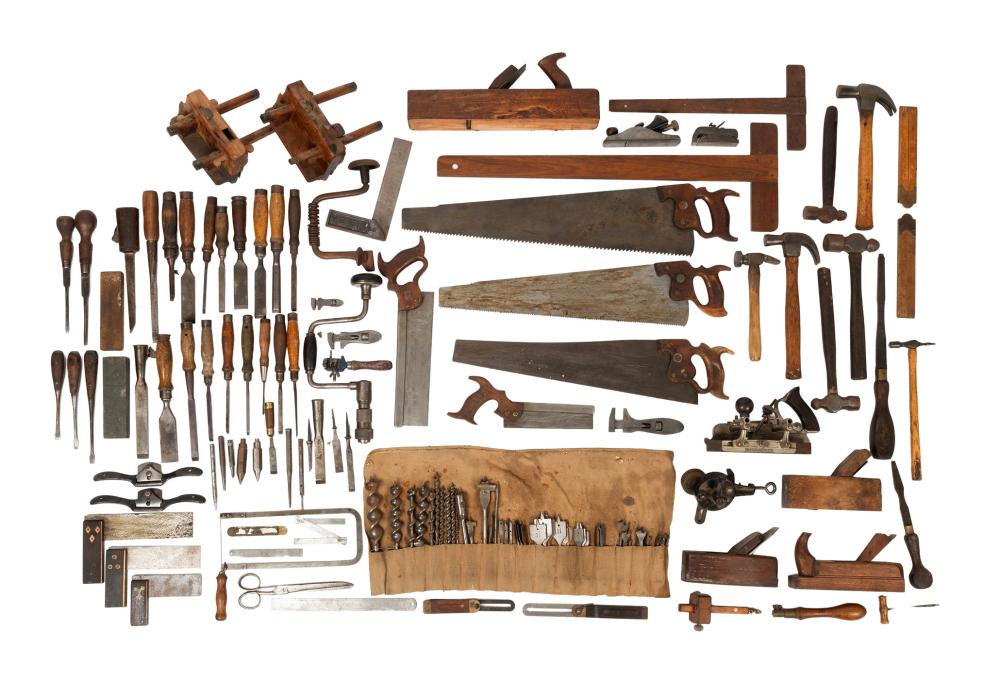 |
An antique Australian cabinet maker's tool chest of Baltic pine construction with distressed painted finish, comprehensively fitted with a fine selection of hand tools and sliding tray compartments, circa 1900, 48cm high, 96cm wide, 50cm deepSource blocked; provenance matched | Leski Auctions Pty Ltd | 2025-11-29 | 177 | AUD 1,000 (buyer’s-premium treatment unknown) |
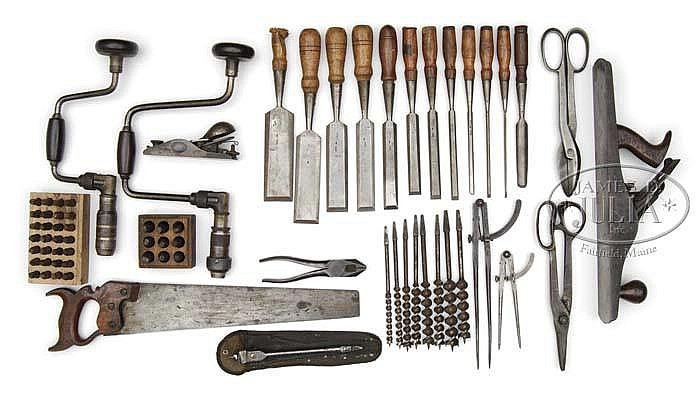 |
COLLECTION OF APPROXIMATELY 34 HAND TOOLS.Source blocked; provenance matched | James D. Julia | 2012-03-12 | 1295 | USD 4,500 (buyer’s-premium treatment unknown) |
 |
America.- Ellis (Henry) A Voyage to Hudson's-Bay, by the Dobbs Galley and California ... for Discovering a North West Passage, first edition, for H. Whitridge, 1748.Source blocked; provenance matched | Forum Auctions - UK | 2023-09-28 | 178 | GBP 500 (buyer’s-premium treatment unknown) |
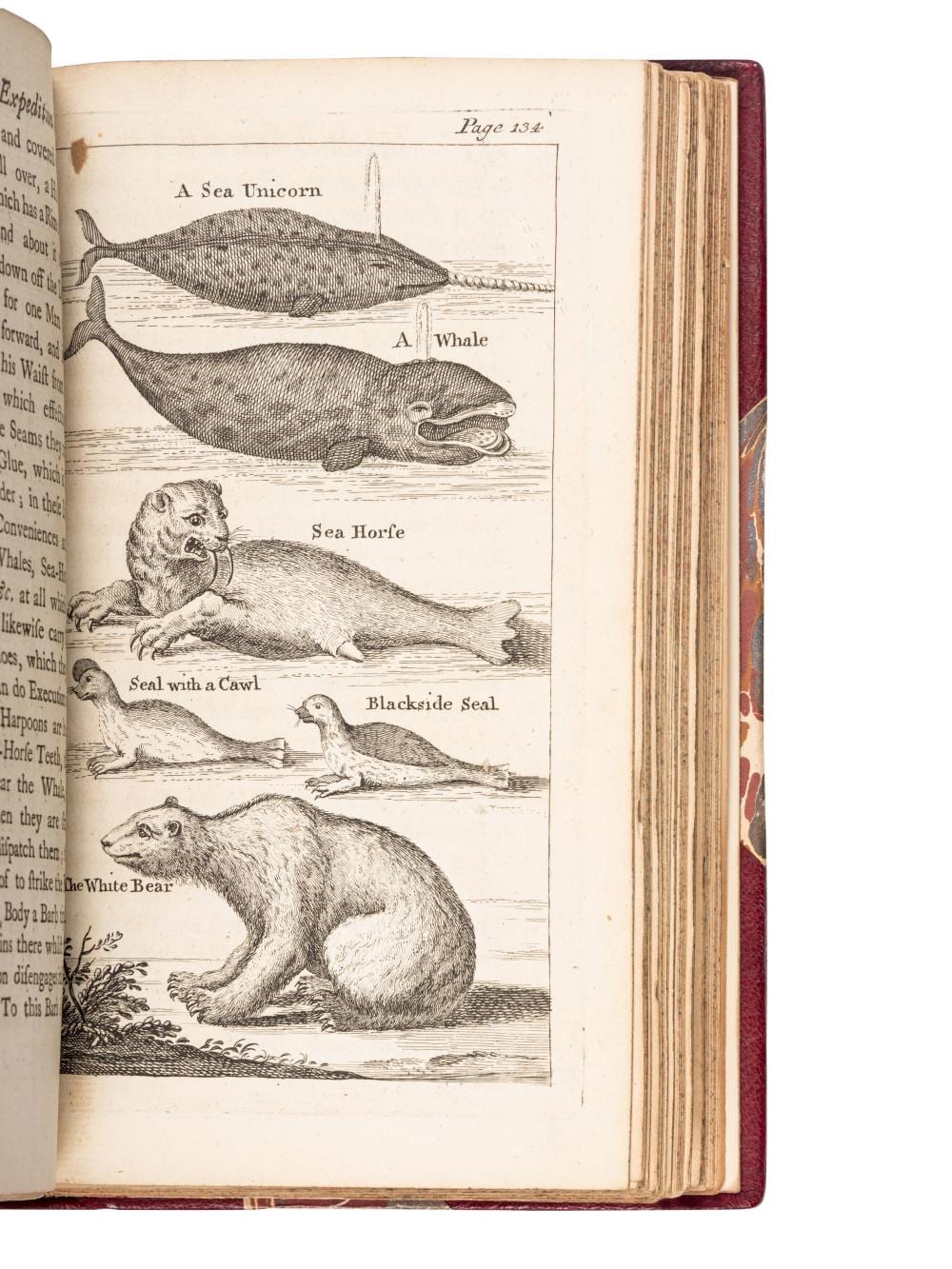 |
ELLIS, Henry (1721-1806). A Voyage to Hudson's Bay, by the Dobbs Galley and California, In the Years 1746 and 1747, For Discovering a North-West Passage. London: H. Whitridge, 1748. FIRST EDITION.Source blocked; provenance matched | Hindman | 2023-05-11 | 35 | USD 450 (buyer’s-premium treatment unknown) |
How these auction records were verified
Each row retains its exact source URL, lot identity, retrieval time, access result, and immutable record hash. Live source access was blocked; the exact record matched Appraisily's immutable pipeline provenance. Inspect the public comparable provenance record.
Disclosure: prices are shown as reported by auction houses and are provided for appraisal context. Learn more in our editorial policy.
Free instant estimate
Not sure if your item is worth appraising? Let us take a look.
Upload a photo, tell us what you know, and get a free first read. If a full appraisal makes sense, we will say so.
Free. No card needed. Takes about two minutes.
Choose your next step
Use the path that matches the decision you need to make about the item.
Not sure it is worth appraising?
Start with a lower-friction screen to understand the likely category, evidence, and next step.
Upload photos for a free first lookWant proof before paying?
See how a signed report documents photos, comparable evidence, condition notes, and value conclusions.
View signed report sampleNeed a signed report?
Use this for insurance, estate, donation, resale, or documented value decisions.
Need documentation now? Start signed appraisalNeed local or specialist help?
Compare directory options when the work needs in-person review or a specialist near you.
Find local specialistsSee what the report looks like
Sample reports show how photos, comparable evidence, condition notes, and a value conclusion are documented.
Need a documented value?
Upload clear photos, marks, measurements, condition notes, and any provenance so Appraisily can review the item against relevant market evidence.
Start tool appraisal