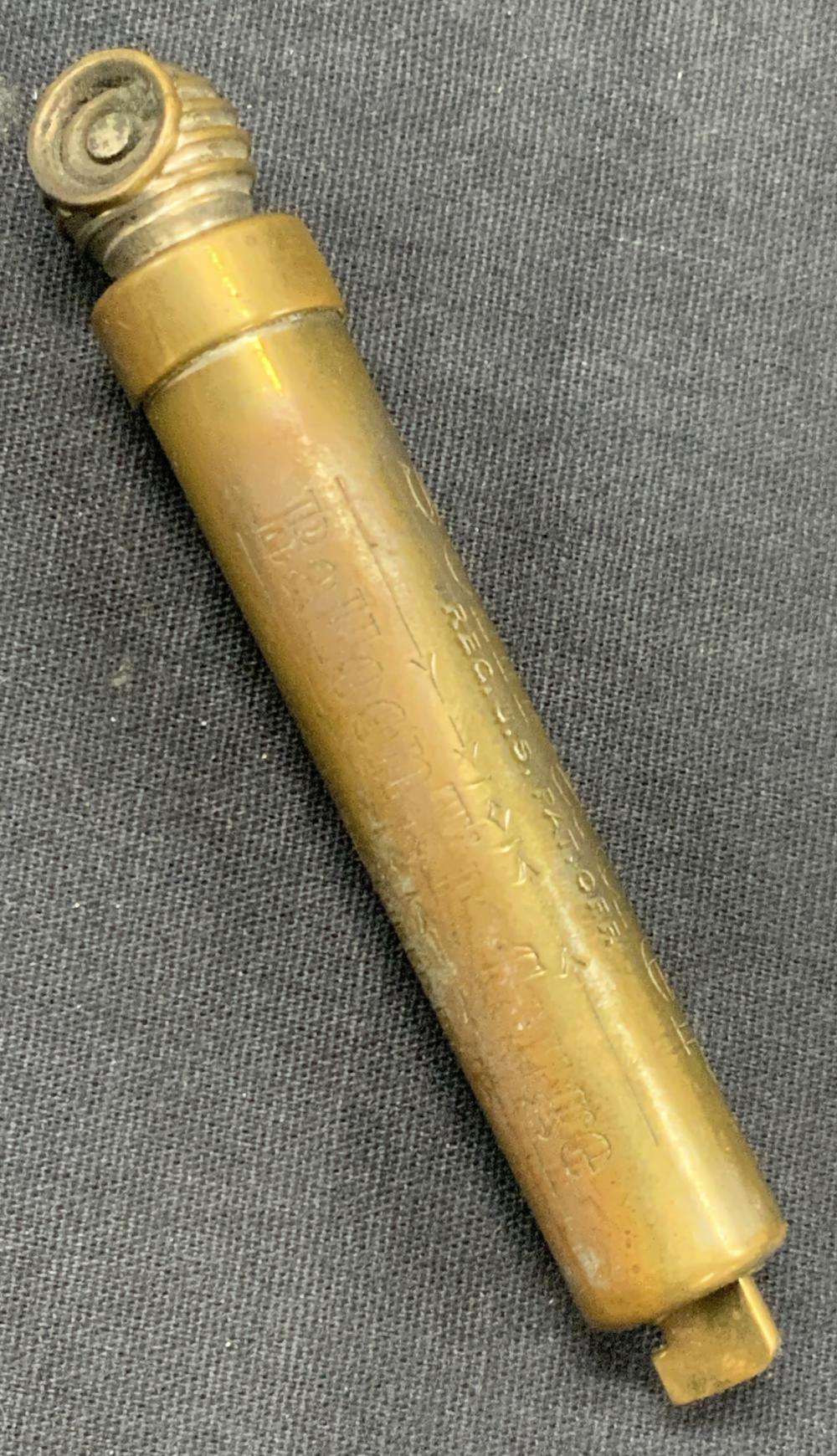
Antique farm tools are easiest to identify by function first. Cutting, planting, harvesting, processing, animal care, and repair tools each leave different clues in their shape, materials, fasteners, and wear patterns.
Identify the job it performed
A corn knife, hay knife, scythe, dibble, froe, flail, and cultivator part can all look unfamiliar out of context. Start with the task, then match form and wear to that use.
Read construction details
Hand-forged iron, forge-welded edges, cast housings, square nuts, rivets, stamped steel, and handle shape can narrow the period and separate farm-made tools from factory production.
Value depends on more than age
Completeness, original handles, maker marks, patent dates, surface finish, display appeal, and regional scarcity matter. Common tools with heavy rust or missing parts usually need conservative estimates.
Quick appraisal checklist
- Photograph all sides before cleaning
- Measure length, blade width, handle, and weight
- Record marks, patent dates, and cast lettering
- Note replaced handles, repairs, rust, cracks, and missing parts
- Compare sold tools by function, maker, and condition
Note: We couldn’t find enough auction records that directly match Antique Farm Tools Identification: Function, Material, Maker Marks, Handles and Wear to publish a defensible price table. If you are valuing a specific item, include its maker, model, material, photos, and condition so the search can be narrowed.
What similar items actually sold for
To help ground this guide in real market activity, here are recent example auction comps from Appraisily’s internal database. These matched sales are market context only, not an object estimate or identification, and they do not guarantee a price for your specific discovering the past a beginners guide to identifying.
Shown USD range: USD 450-USD 1,200. Median of these 5 USD examples: USD 1,000.
| Comparable | What sold | Auction house | Date | Lot | Source-reported amount |
|---|---|---|---|---|---|
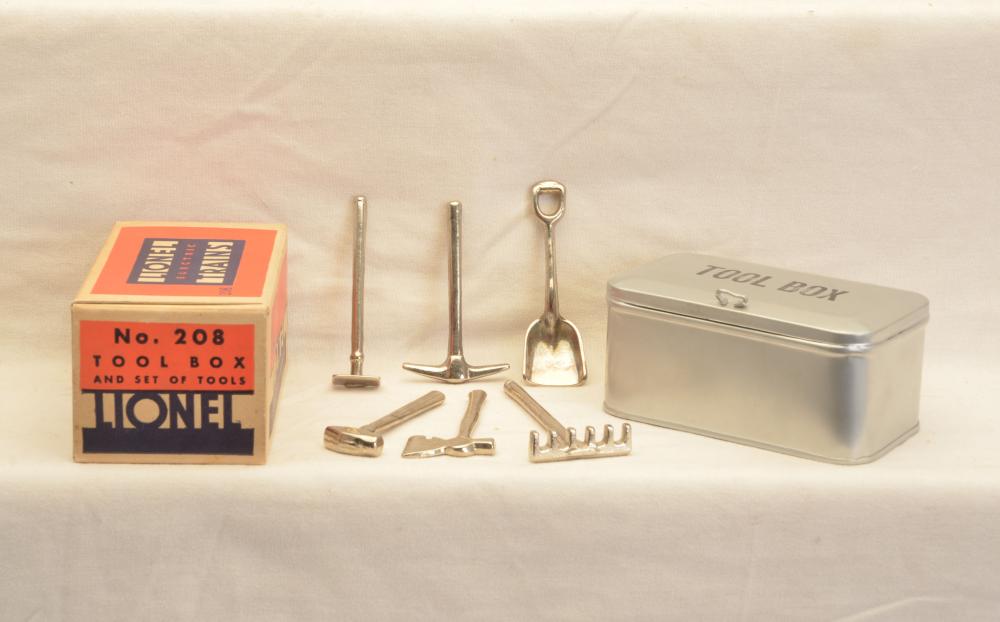 |
Lionel Prewar 208 Aluminum Tool Box w/Six Nickel Plated Tools MINT Boxed | Stout Auctions Toy and Train Specialists | 2024-11-23 | 2156 | USD 450 (buyer’s-premium treatment unknown) |
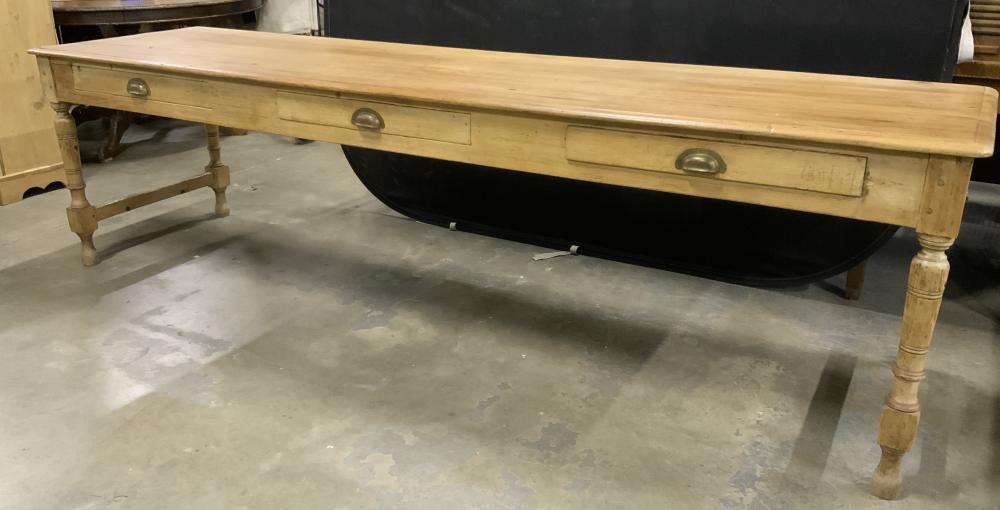 |
Large Antique Pine Farm Table | The Benefit Shop Foundation Inc. | 2021-07-14 | 446 | USD 1,200 (buyer’s-premium treatment unknown) |
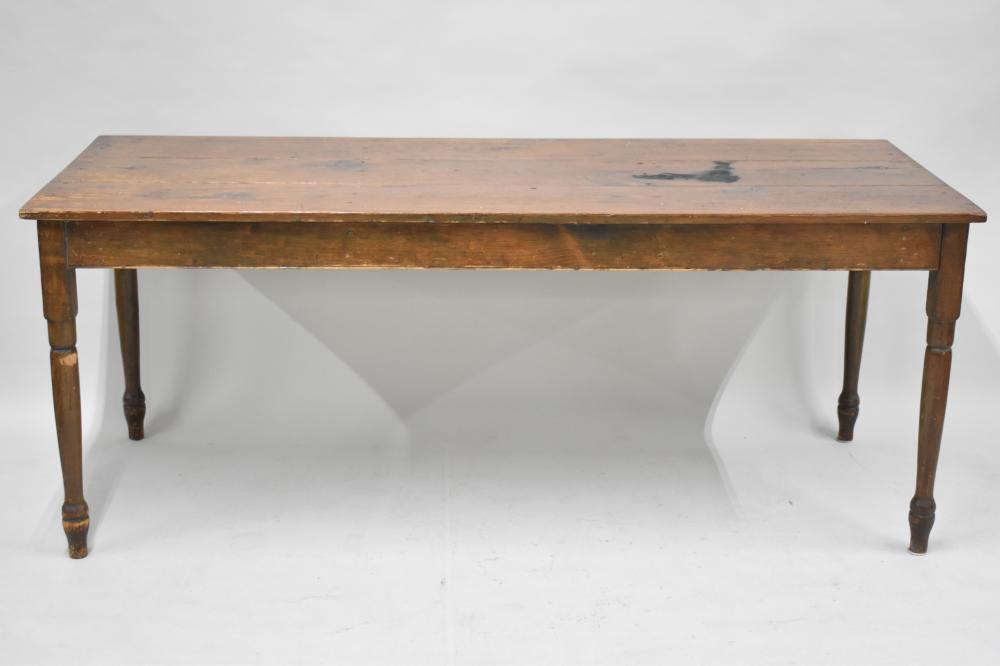 |
Antique Country Pine Farm Table | Nye & Company | 2025-09-25 | 296 | USD 1,200 (buyer’s-premium treatment unknown) |
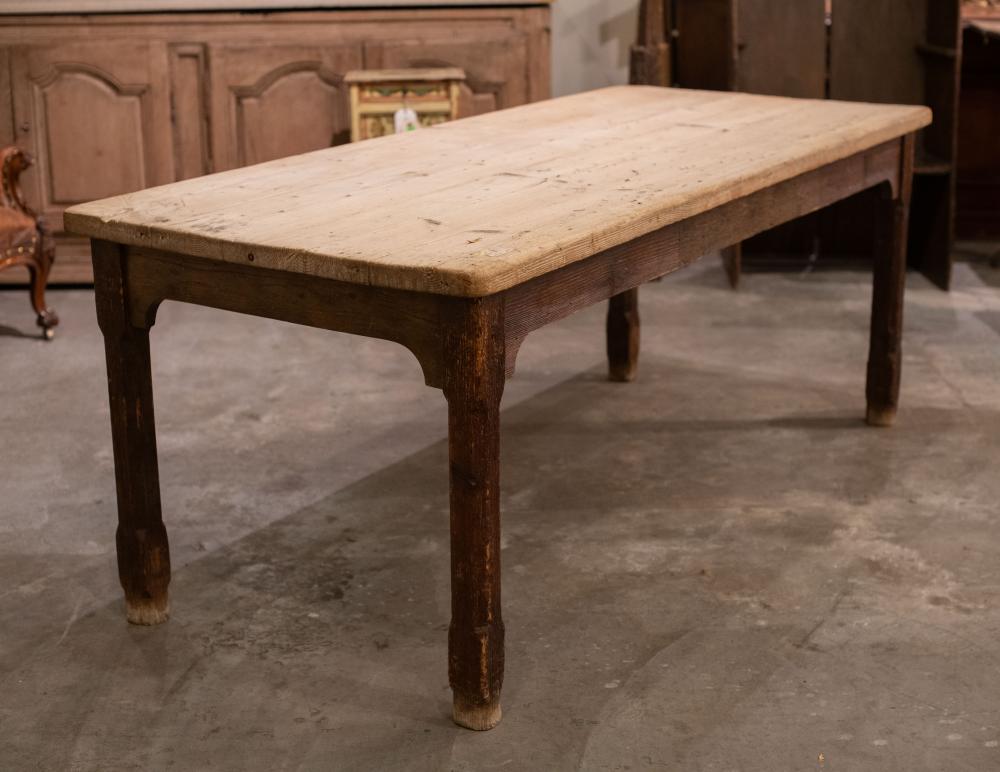 |
ANTIQUE ENGLISH PINE FARM TABLE | Ashcroft and Moore | 2024-03-14 | 689 | USD 1,000 (buyer’s-premium treatment unknown) |
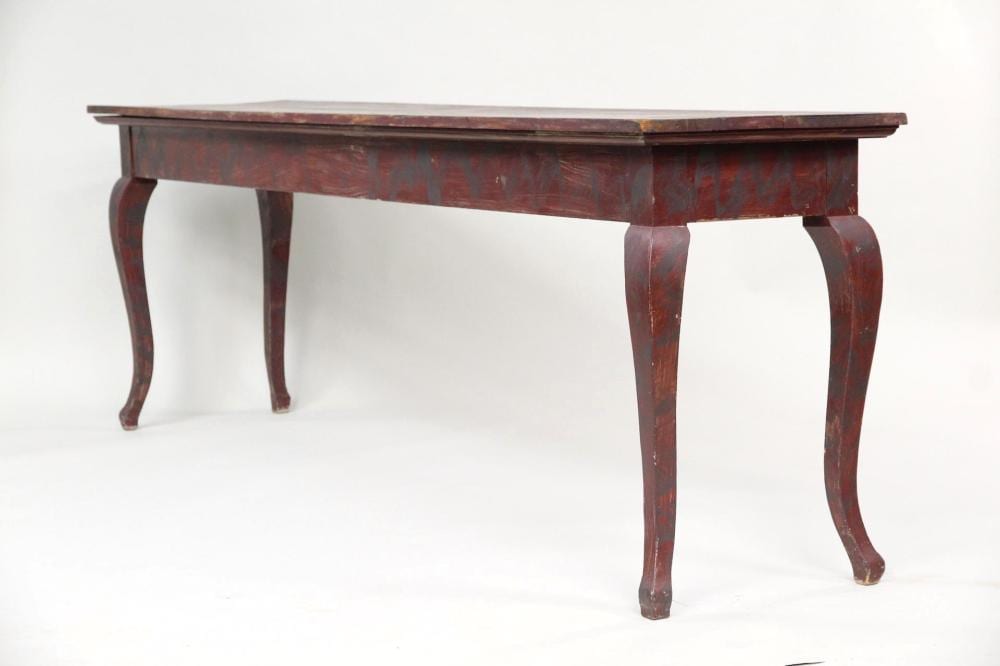 |
Grain Painted Antique Farm Harvest Table | Public Sale Auction House | 2026-02-21 | 277 | USD 950 (buyer’s-premium treatment unknown) |
How these auction records were verified
Each row retains its exact source URL, lot identity, retrieval time, access result, and immutable record hash. Inspect the public comparable provenance record.
Disclosure: prices are shown as reported by auction houses and are provided for appraisal context. Learn more in our editorial policy.
Free instant estimate
Not sure if your item is worth appraising? Let us take a look.
Upload a photo, tell us what you know, and get a free first read. If a full appraisal makes sense, we will say so.
Free. No card needed. Takes about two minutes.
Choose your next step
Use the path that matches the decision you need to make about the item.
Not sure it is worth appraising?
Start with a lower-friction screen to understand the likely category, evidence, and next step.
Upload photos for a free first lookWant proof before paying?
See how a signed report documents photos, comparable evidence, condition notes, and value conclusions.
View signed report sampleNeed a signed report?
Use this for insurance, estate, donation, resale, or documented value decisions.
Need documentation now? Start signed appraisalNeed local or specialist help?
Compare directory options when the work needs in-person review or a specialist near you.
Find local specialistsSee what the report looks like
Sample reports show how photos, comparable evidence, condition notes, and a value conclusion are documented.
Need a documented value?
Upload clear photos, marks, measurements, condition notes, and any provenance so Appraisily can review the item against relevant market evidence.
Start tool appraisal