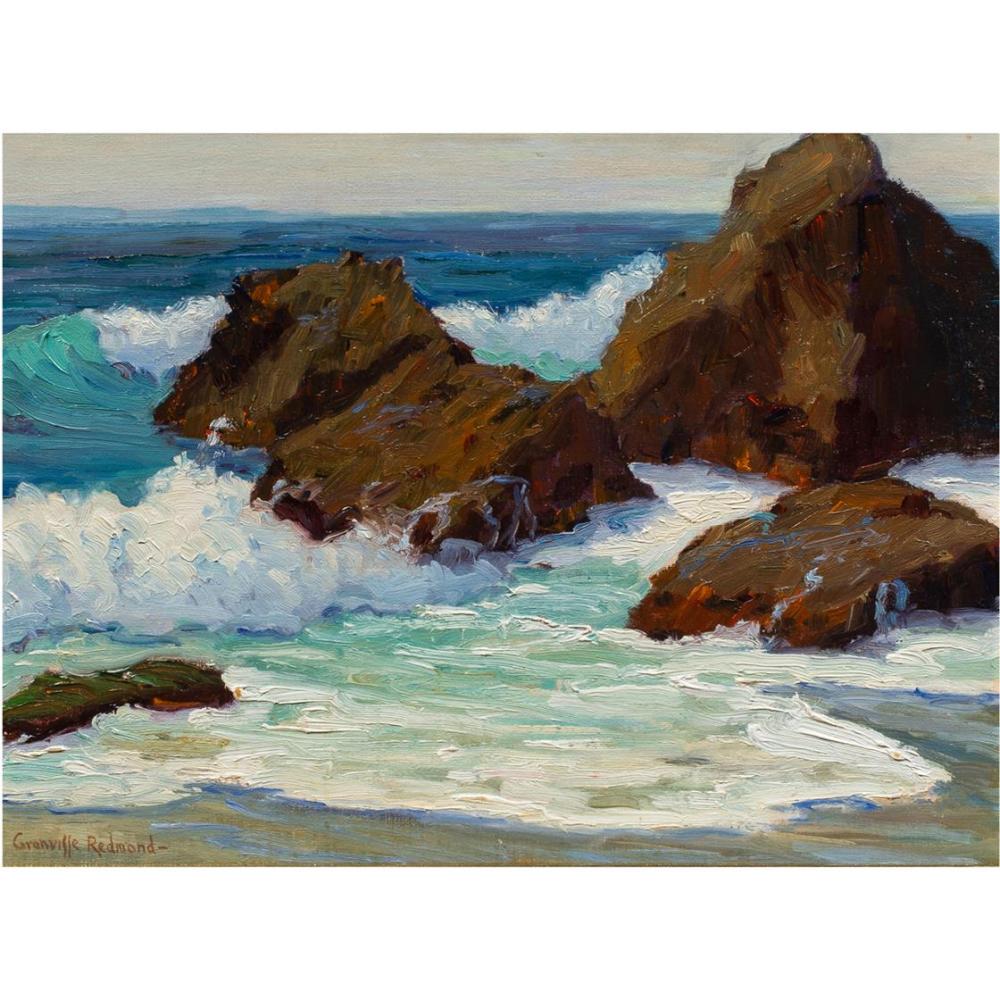
Antique picture value is not just about age. A signed oil, unsigned watercolor, print, reproduction, photograph, and framed decorative picture each need different evidence before a credible estimate is possible.
Identify medium and authorship
Check whether the work is oil, watercolor, pastel, print, photograph, or reproduction. Photograph signatures, labels, inscriptions, gallery tags, stretcher marks, and the back of the frame.
Condition can dominate value
Tears, foxing, staining, craquelure, overpainting, fading, frame damage, loose canvas, and acidic mats all affect marketability. Conservation needs should be described before comparing prices.
Use the right sales context
Compare sold works by the same artist or similar school, medium, size, subject, period, and condition. Asking prices and decorative retail listings are weak evidence by themselves.
Quick appraisal checklist
- Photograph front, back, signature, labels, frame, and damage
- Measure image size and framed size separately
- Identify medium before estimating value
- Record provenance, receipts, or exhibition labels
- Use sold market evidence matched by artist, medium, and size
Note: We couldn’t find relevant auction comps in our database for this topic right now. If you’re valuing a specific item, try searching by maker/model/material and we’ll expand coverage over time.
What similar items actually sold for
To help ground this guide in real market activity, here are recent example auction comps from Appraisily’s internal database. These matched sales are market context only, not an object estimate or identification, and they do not guarantee a price for your specific discovering hidden treasures how to determine the value.
| Comparable | What sold | Auction house | Date | Lot | Source-reported amount |
|---|---|---|---|---|---|
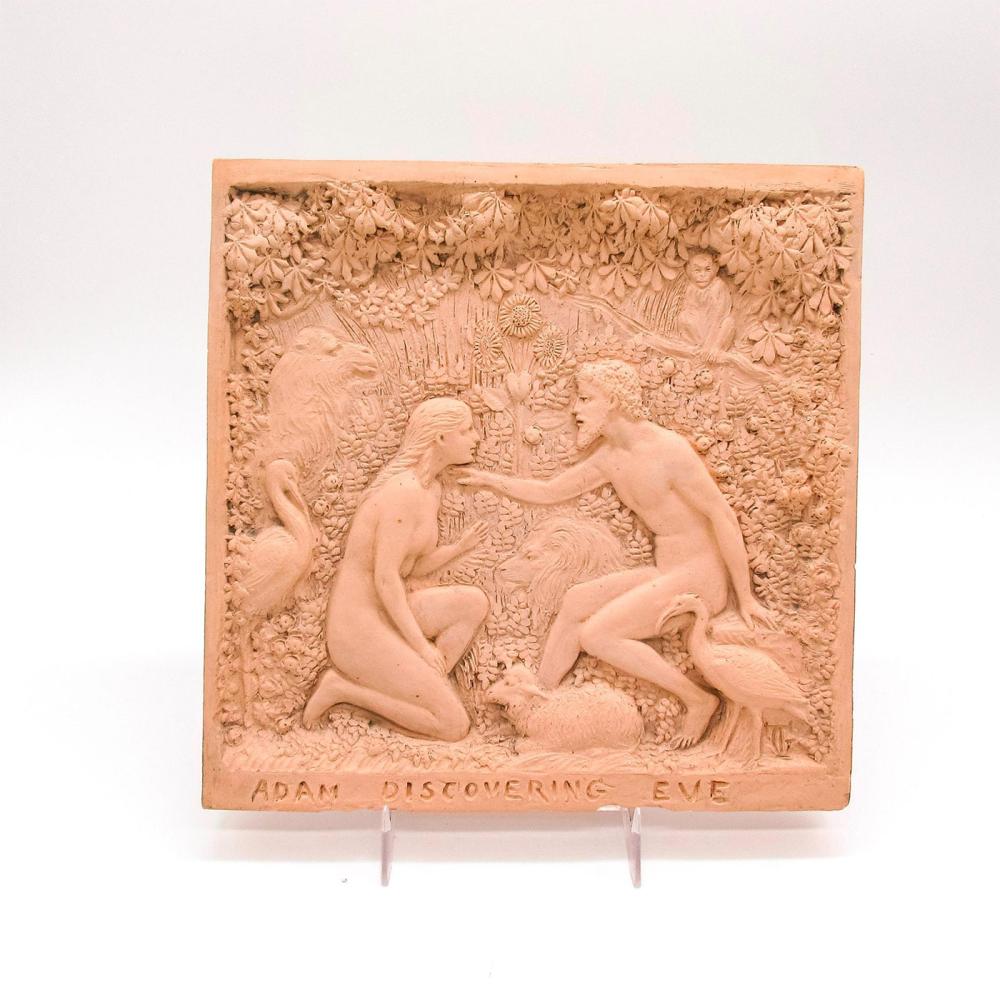 |
Doulton Lambeth Tinworth Terracotta Plaque, Adam Discovering Eve | Lion and Unicorn | 2022-08-28 | 103 | USD 1,700 (buyer’s-premium treatment unknown) |
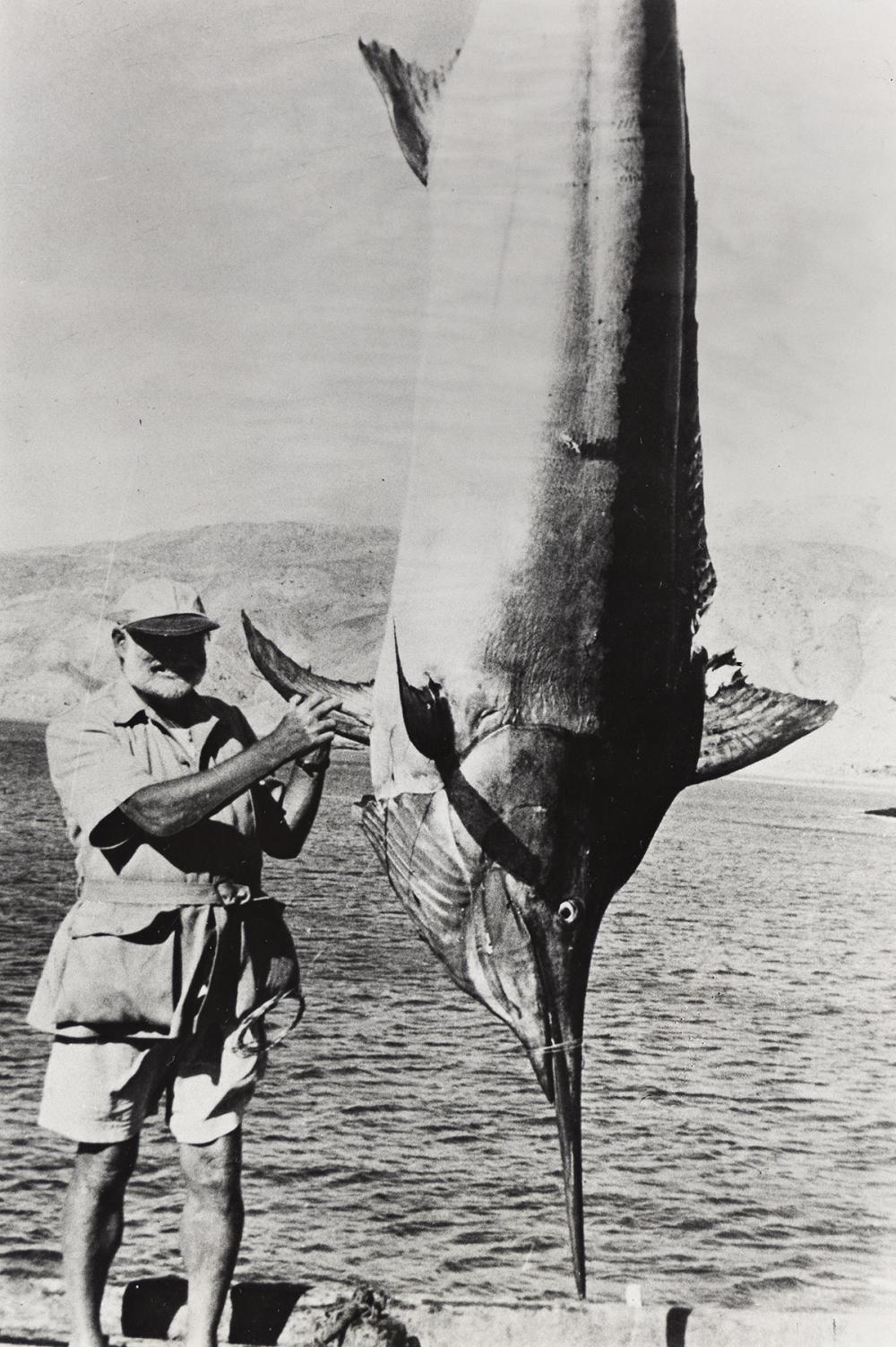 |
(ERNEST HEMINGWAY) A file from Wide World Pictures with about 100 photographs retracing Hemingway’s personal and professional life. | Swann Auction Galleries | 2023-04-27 | 202 | USD 2,125 (buyer’s-premium treatment unknown) |
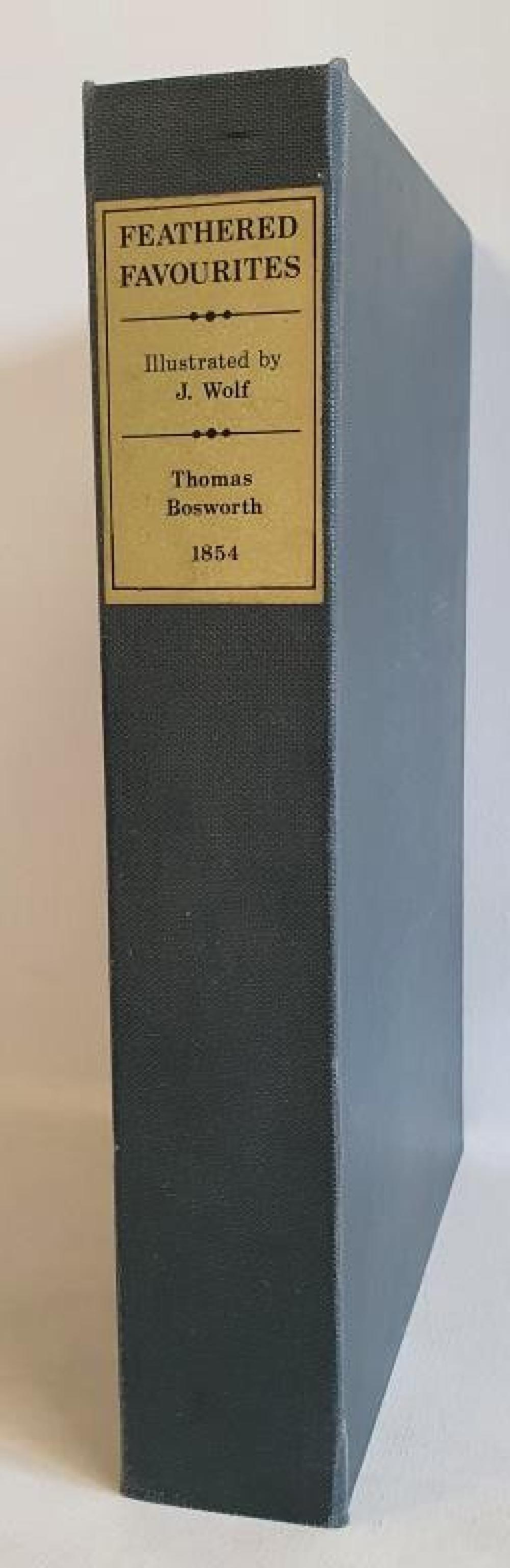 |
Feathered Favourites: Twelve Coloured Pictures of British Birds. First Edit | Purcell Auctioneers | 2025-06-25 | 445 | EUR 280 (buyer’s-premium treatment unknown) |
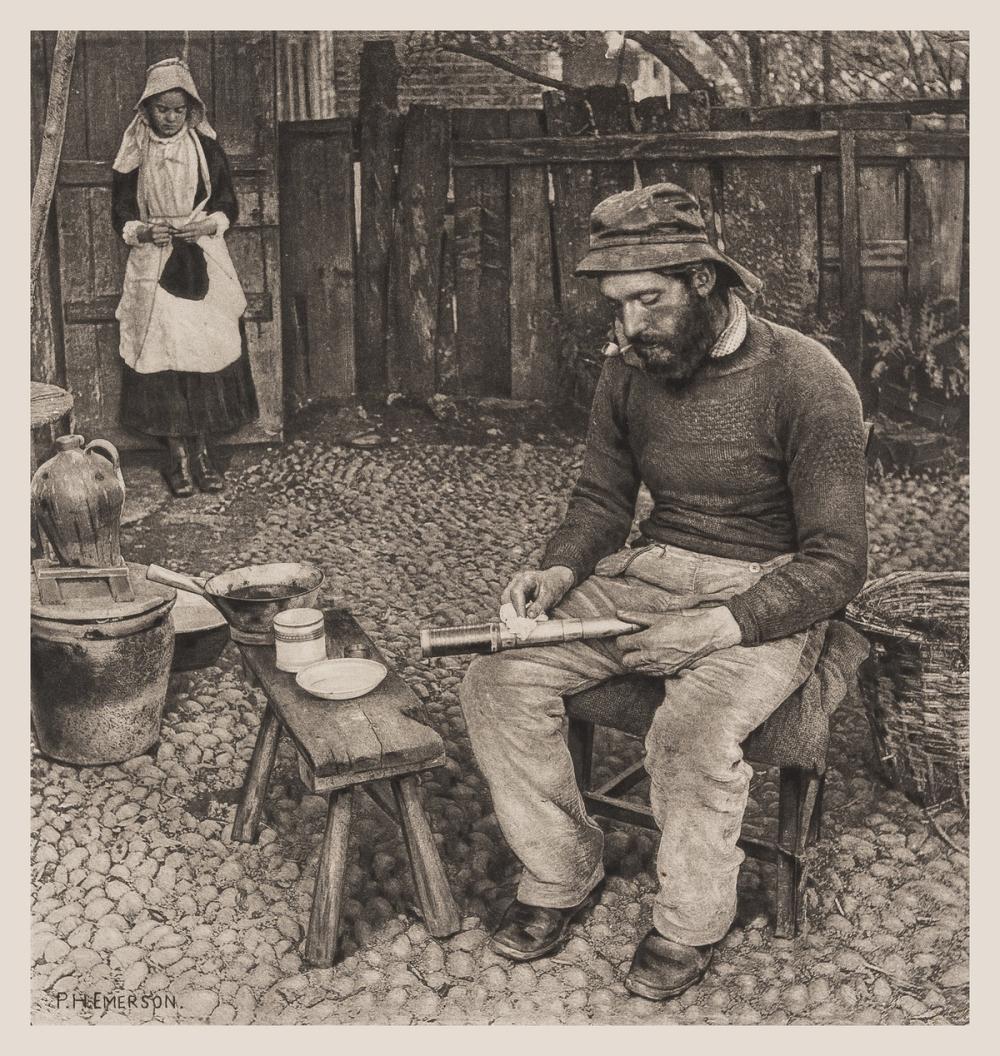 |
Photography.- Emerson (Peter Henry) Pictures from Life in Field and Fen, 1887. | Forum Auctions - UK | 2020-11-18 | 221 | GBP 6,500 (buyer’s-premium treatment unknown) |
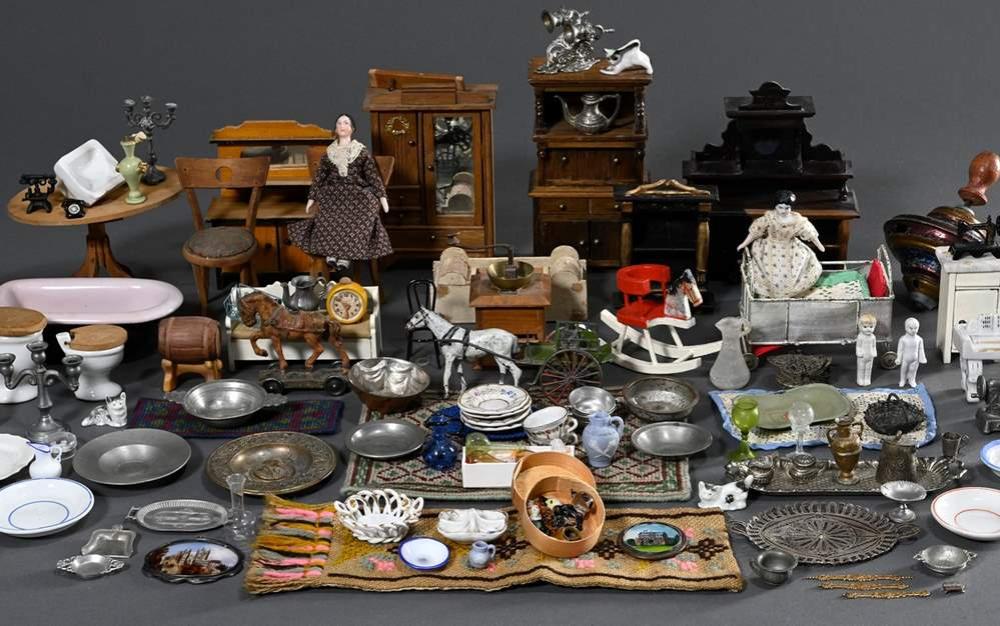 |
Large set of 19th/20th c. doll's house interiors: including Wilhelminian and Art Nouveau furniture, bathroom fittings, porcelain, pewter and glass crockery, decorations, pictures, wall plates, children's toys and dolls, Christmas tree, carpets and t | Kendzia | 2025-02-27 | 17 | EUR 420 (buyer’s-premium treatment unknown) |
How these auction records were verified
Each row retains its exact source URL, lot identity, retrieval time, access result, and immutable record hash. Inspect the public comparable provenance record.
Disclosure: prices are shown as reported by auction houses and are provided for appraisal context. Learn more in our editorial policy.
Free instant estimate
Not sure if your item is worth appraising? Let us take a look.
Upload a photo, tell us what you know, and get a free first read. If a full appraisal makes sense, we will say so.
Free. No card needed. Takes about two minutes.
Choose your next step
Use the path that matches the decision you need to make about the item.
Not sure it is worth appraising?
Start with a lower-friction screen to understand the likely category, evidence, and next step.
Upload photos for a free first lookWant proof before paying?
See how a signed report documents photos, comparable evidence, condition notes, and value conclusions.
View signed report sampleNeed a signed report?
Use this for insurance, estate, donation, resale, or documented value decisions.
Need documentation now? Start signed appraisalNeed local or specialist help?
Compare directory options when the work needs in-person review or a specialist near you.
Find local art specialistsSee what the report looks like
Sample reports show how photos, comparable evidence, condition notes, and a value conclusion are documented.
Need a documented value?
Upload clear photos, marks, measurements, condition notes, and any provenance so Appraisily can review the item against relevant market evidence.
Start art appraisal