How to Identify Antique Hand Tools: Maker Marks, Patent Dates, Materials, Wear and Use

Identify antique tools by documenting maker marks, patent dates, materials, form, wear, repairs, completeness, specialty use, and condition clues.

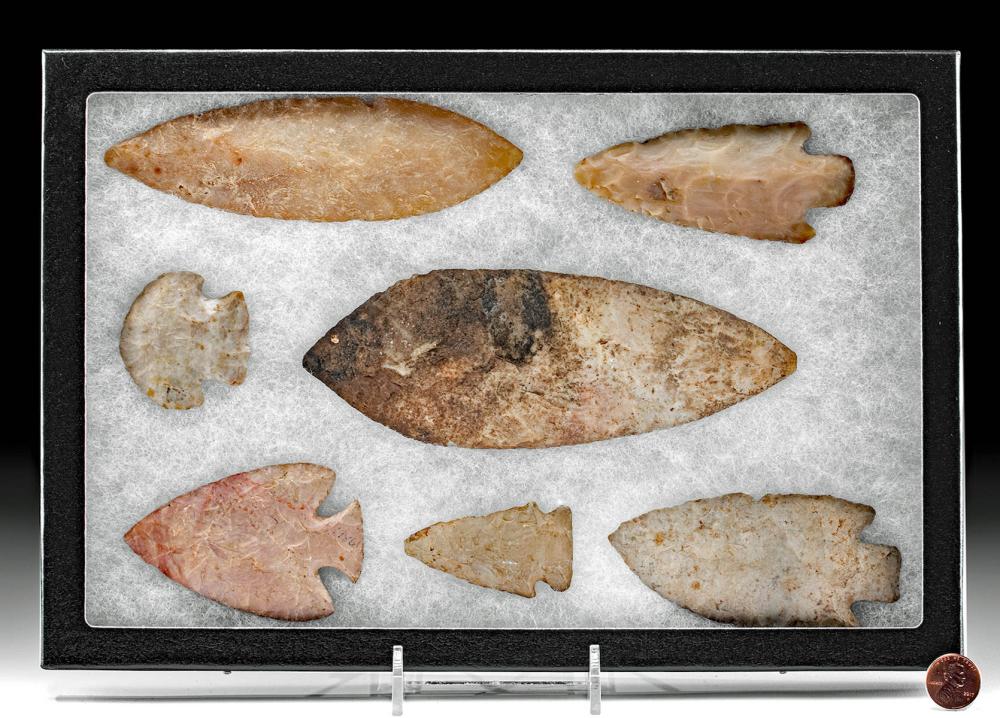
Antique hand tool identification reference with maker marks, patent dates, materials, form, wear, repairs, completeness, specialty use, and condition
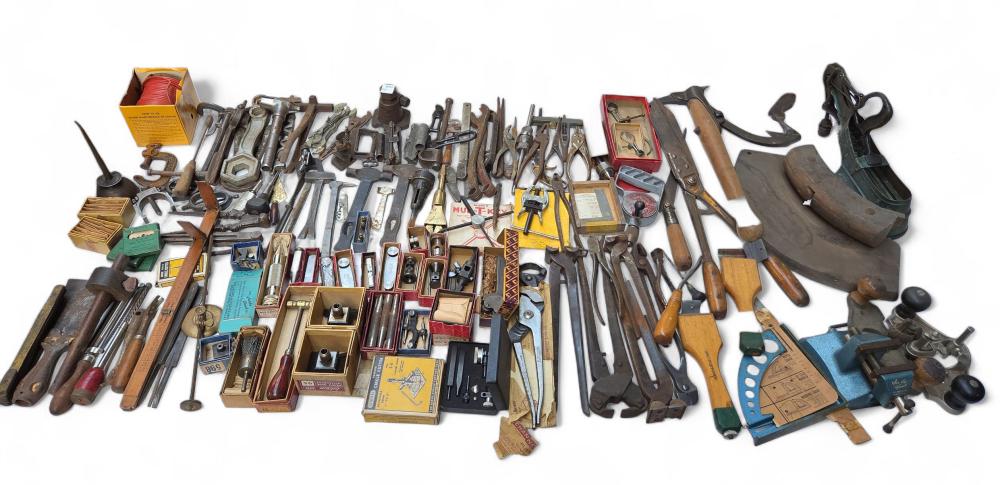
Antique hand tool identification reference with maker marks, patent dates, materials, form, wear, repairs, completeness, specialty use, and condition. Reference image; item-specific appraisal depends on submitted photos and documentation.
Antique hand tool identification reference with maker marks, patent dates, materials, form, wear, repairs, completeness, specialty use, and condition
Antique tool identification should document maker marks, patent dates, materials, form, wear, repairs, completeness, and intended use.

Start with marks, form, and function

Photograph the whole tool, handles, blades, jaws, planes, fasteners, maker marks, patent dates, casting marks, and any moving parts.

Measure length and width and describe the material. Specialized tools often need exact function before value can be discussed.

Condition should be honest

Rust, pitting, missing handles, replaced parts, sharpening, cracks, welds, and over-cleaning can affect value. Photograph defects clearly.

Do not wire-brush or repaint tools before review. Surface history can matter to collectors.

Group common tools separately

Many old tools are common, but unusual trades, early patents, complete boxed sets, and named makers can be more desirable. Sort common hand tools from unusual or marked pieces.

For a large shop or estate, a preliminary photo review can help decide which tools deserve deeper appraisal.

Need a credible value opinion?

Upload clear photos, marks, dimensions, and condition notes. Appraisily can review the item remotely and explain which details affect value.

Start tool appraisal
Choose your next step

Use the path that matches the decision you need to make about the item.

Need a signed report?

Use this for insurance, estate, donation, resale, or documented value decisions.

Start a signed report

Not sure it is worth appraising?

Start with a lower-friction screen to understand the likely category, evidence, and next step.

Use the free screener

Need local or specialist help?

Compare directory options when the work needs in-person review or a specialist near you.

Find local specialists

See what the report looks like

Sample reports show how photos, comparable evidence, condition notes, and a value conclusion are documented.