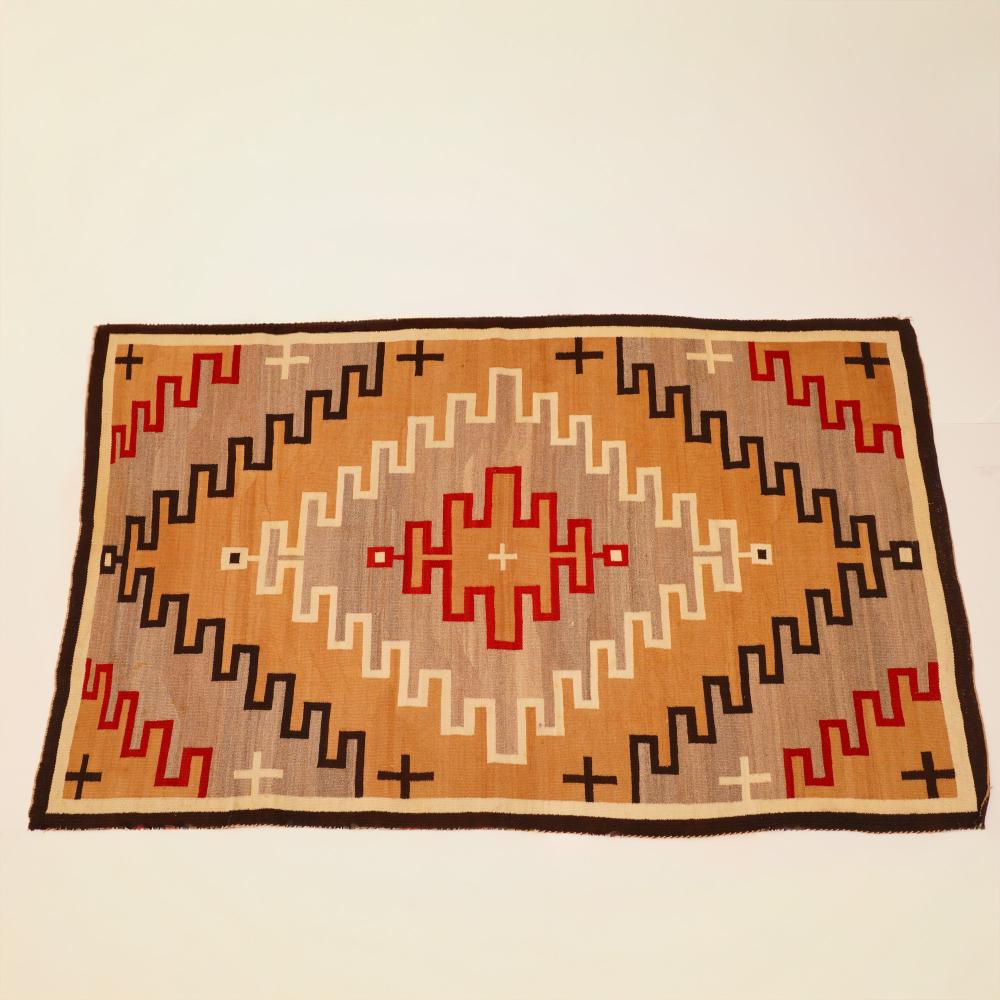
Start with documentation and caution
Photograph the item, materials, construction, marks, wear, damage, and any labels or collection notes. Avoid making tribal, maker, or ceremonial claims unless documentation supports them.
- Do not clean, polish, repair, or alter the item before review.
- Keep receipts, inheritance notes, museum letters, old tags, and collection records together.
- Some cultural items may have legal or ethical restrictions; ask a qualified specialist before sale or transfer.
Provenance matters
Provenance is often central to appraisal. Where and when the object was collected, sold, inherited, or documented can affect whether it can be valued, sold, donated, or insured.
- Family stories are useful leads but should be separated from verified records.
- Photograph old labels and handwritten notes before removing anything from storage.
Condition and material
Textiles, pottery, baskets, beadwork, jewelry, stone, wood, and leather each have different condition risks. Document fading, losses, repairs, stains, pest damage, breaks, and restoration.
Use neutral support when photographing fragile items and avoid strong light or moisture.
Choosing an appraiser
Look for specialists who understand both market evidence and cultural-property responsibilities. For formal reports, clarify intended use and ask how provenance and restrictions will be handled.
Need a value opinion on your Native American artifact?
Upload clear photos, marks, dimensions, and condition notes. Appraisily can review the item remotely and tell you which details matter most.
Start artifact appraisal
![[ American Judaica ] He is overly concerned by the use and misuse of proper (or improper) titles by Jewish ministers and rabbis. Lengthy 4 page sold by Historical Collectible Auctions, lot 323 — auction record photograph](https://assets.appraisily.com/comps/auction-lots/25438193/thumb/h1732-l07423604.jpg)