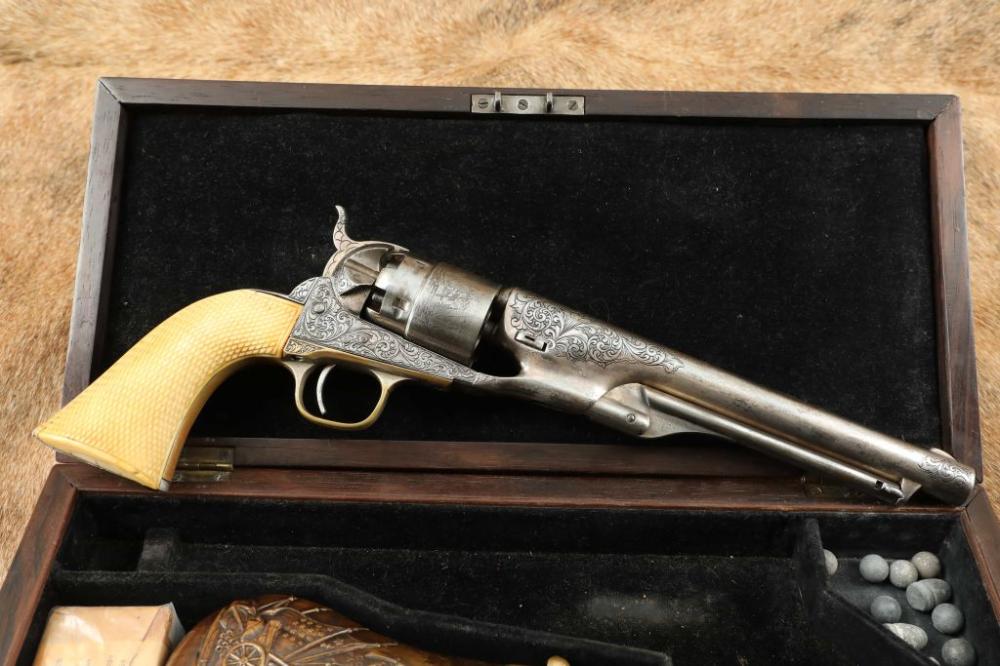
Safety comes before valuation
Do not handle an unknown firearm casually. Assume it may be loaded until a qualified person confirms otherwise, and follow applicable laws for possession, transport, and sale.
- Do not attempt to fire, disassemble, or clean an antique firearm for appraisal photos.
- Photograph only when it can be handled safely.
- If there is any uncertainty, ask a qualified firearms professional before moving it.
Identification details to document
Maker, model, serial number, caliber or gauge, proof marks, barrel length, action type, finish, grips, stock, and accessories all affect appraisal. Matching numbers and original finish can be important.
- Photograph marks, barrel address, serial numbers, proof marks, lockplate, stock, bore if safe, and defects.
- Record provenance, purchase receipts, service history, and family notes separately.
Condition and originality
Collectors look for originality, finish, mechanical condition, bore condition, matching parts, and honest wear. Refinish, replaced stocks, altered barrels, and modern repairs should be disclosed.
Do not remove patina, polish metal, or refinish wood before a specialist review.
When written appraisal is needed
Use a written appraisal for insurance, estate, donation, or significant sale planning. The report should state intended use, value type, condition, identification basis, and market evidence.
Need a value opinion on your antique firearm?
Upload clear photos, marks, dimensions, and condition notes. Appraisily can review the item remotely and tell you which details matter most.
Start firearms appraisal