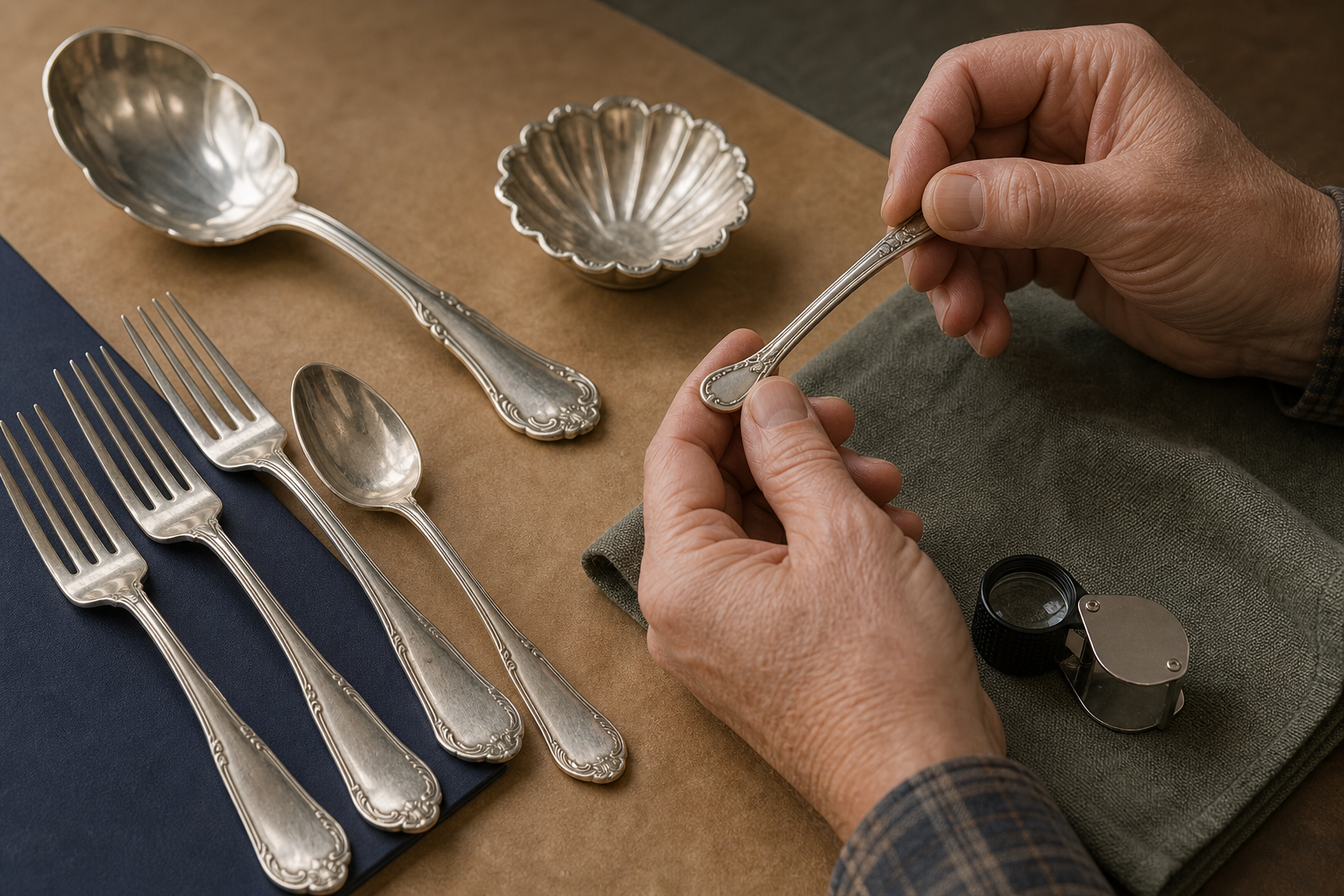
Read the marks in order
Start with standard mark, maker mark, assay office, date letter, duty mark, pattern name, and retailer mark where present. British, American, European, and plated systems use different conventions.
- Photograph marks straight on and at an angle.
- Do not assume every silver-colored spoon is sterling.
- Separate sterling, coin silver, and plated pieces before value research.
Pattern and monogram
Pattern can be more important than melt value for desirable makers or complete sets. Monograms, crest engraving, and presentation inscriptions should be documented clearly.
- A monogram can reduce broad resale appeal but may add provenance interest.
- Matching sets need piece counts and pattern consistency checked.
Condition and weight
Check bowl thinning, dents, splits, solder repairs, bent handles, worn decoration, and over-polishing. Weight helps only after material is confirmed.
For plated spoons, look for base metal bleeding through at high-wear points such as bowl heels and handle tips.
Appraisal preparation
Send mark closeups, full spoon photos, length, weight if available, and notes about sets or family history. For estates, keep spoons grouped by pattern and material until review.
Get a free first read on your silver spoon
Upload photos of the full spoon, hallmarks, handle back, bowl, monogram, weight, and any box or provenance. Start with a free screen before choosing a written appraisal.
What similar items actually sold for
To help ground this guide in real market activity, here are recent example auction comps from Appraisily’s internal database. These are educational comparables (not a guarantee of price for your specific item).
Shown AUD range: AUD 340-AUD 475. Median of these 5 AUD examples: AUD 360.
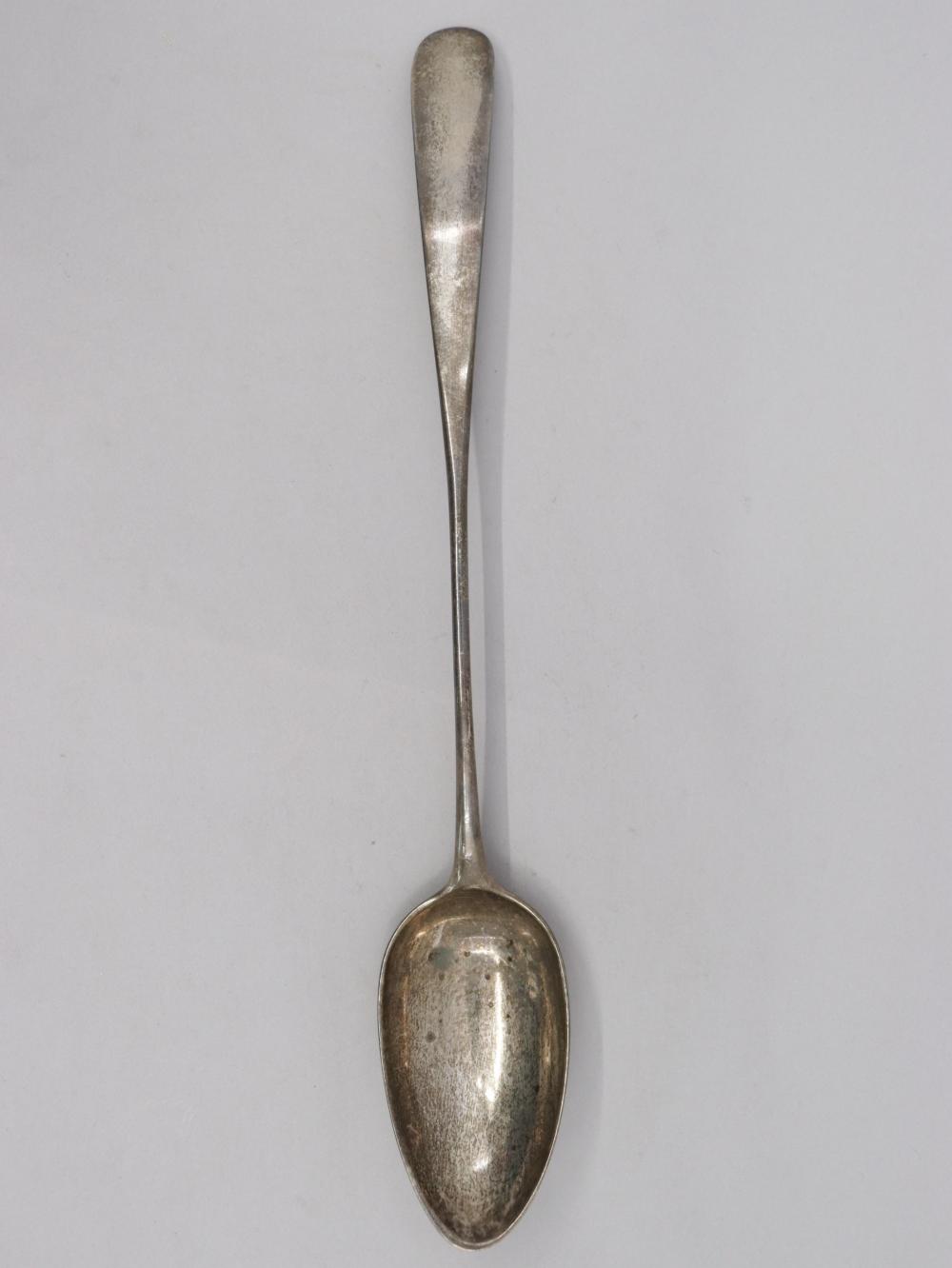
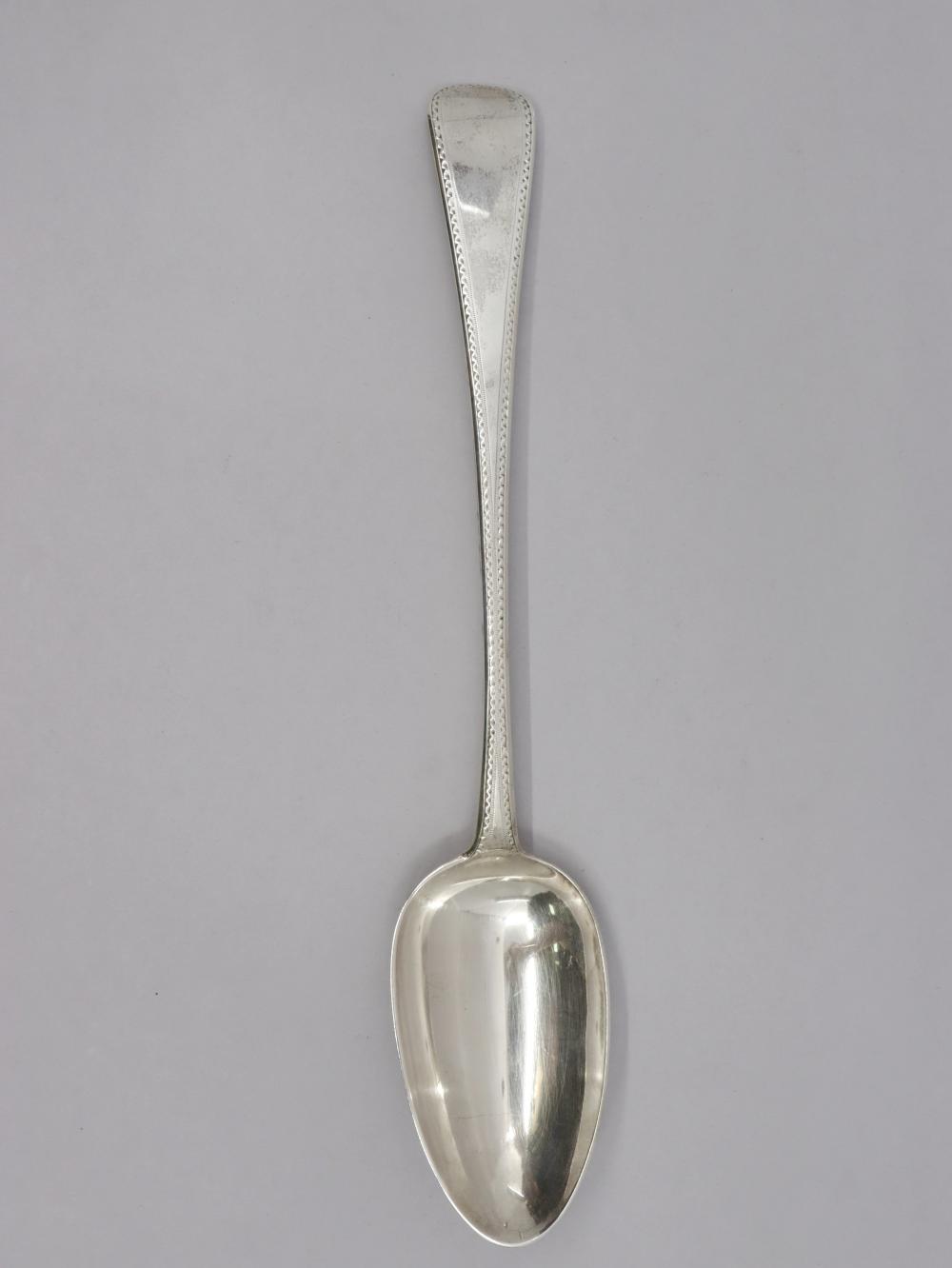
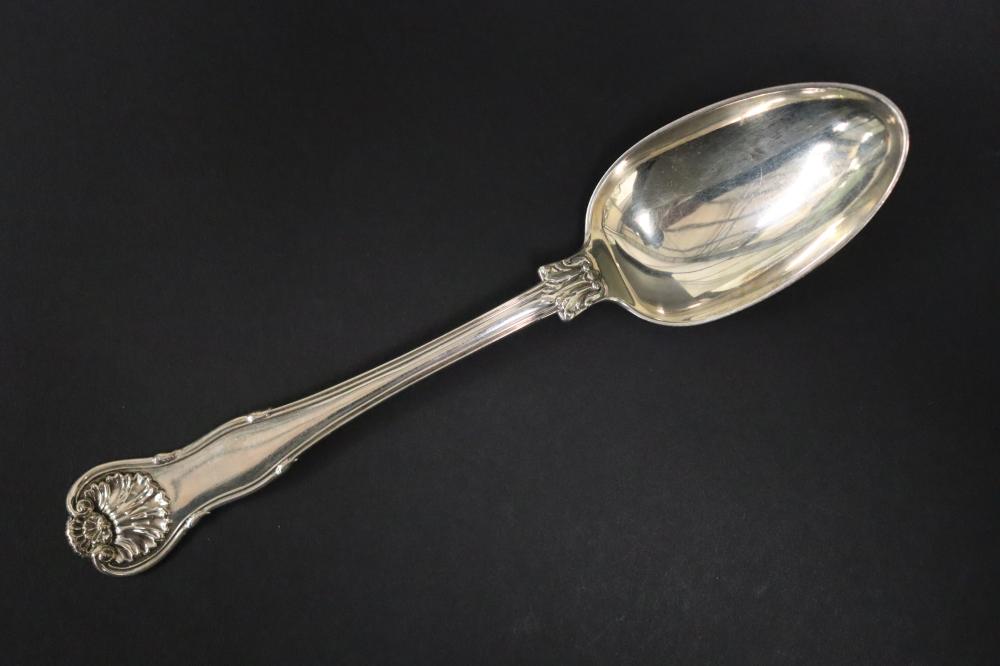
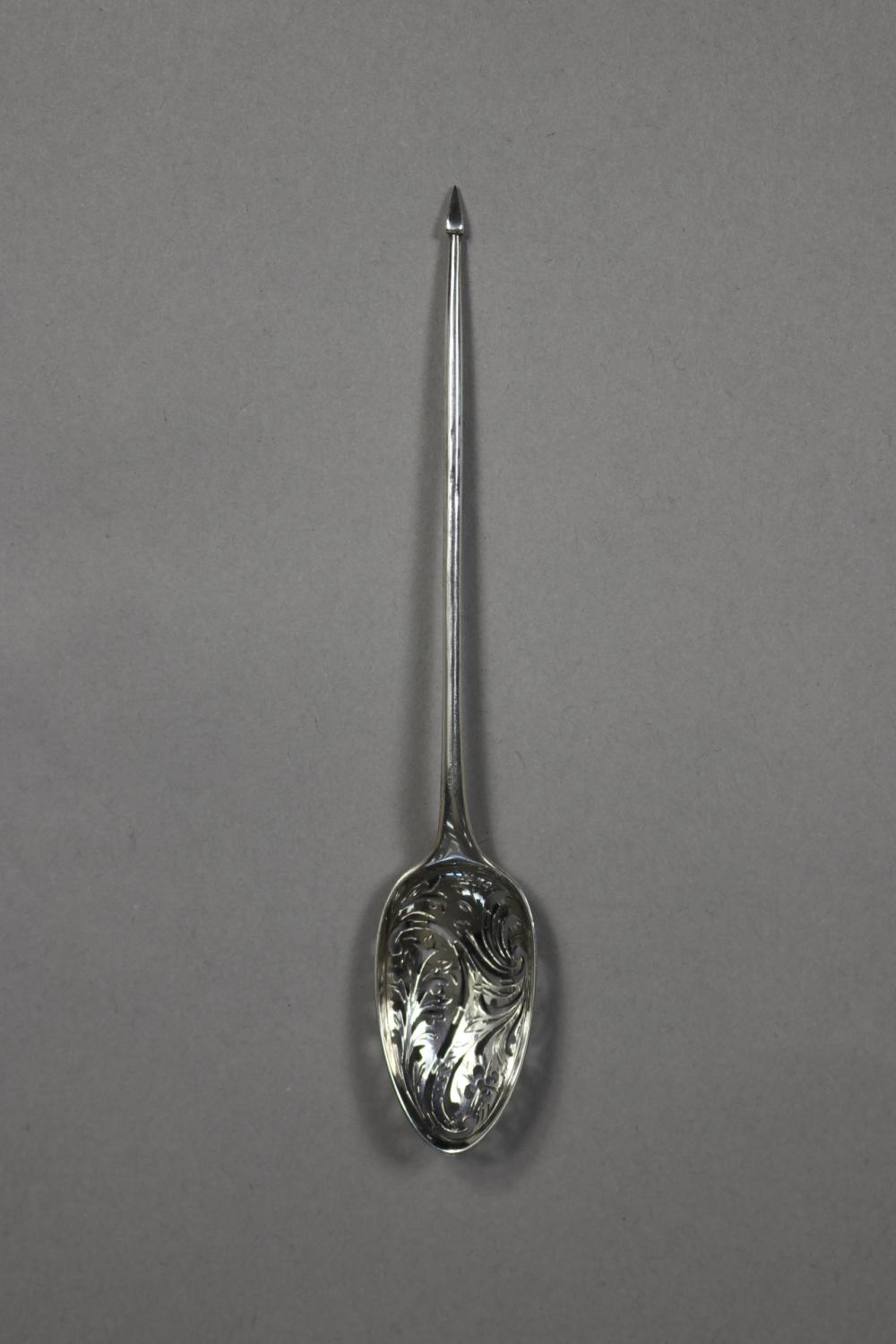
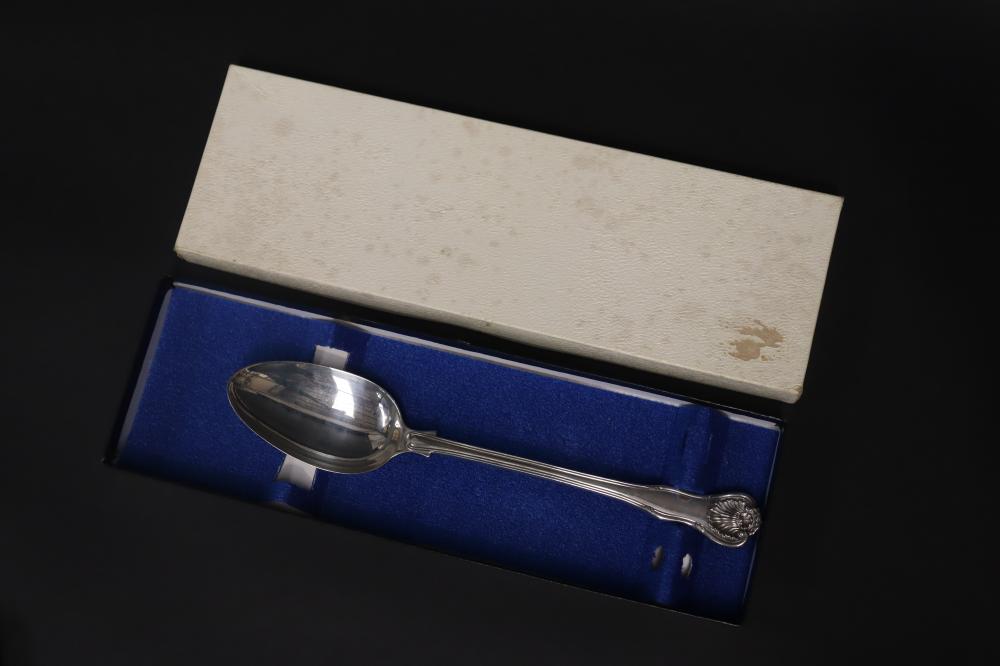
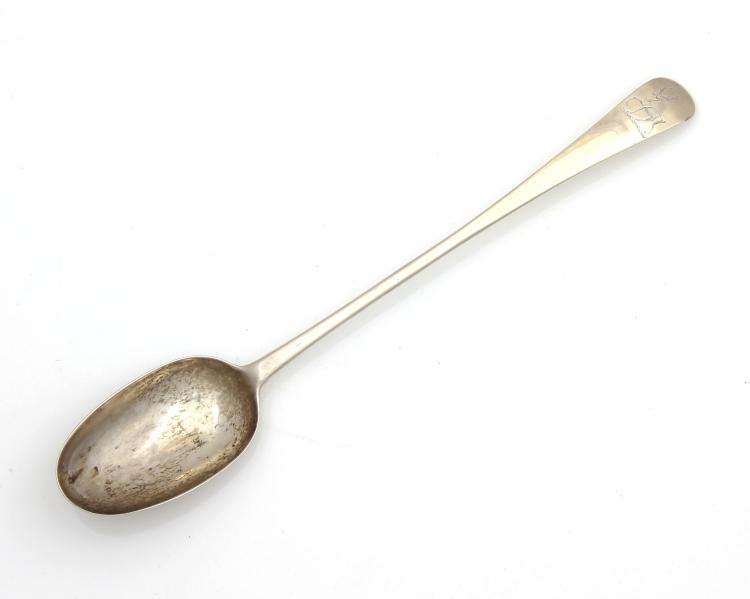
Comparable images are shown at thumbnail scale with source links. Request image review or removal.
Disclosure: prices are shown as reported by auction houses and are provided for appraisal context. Learn more in our editorial policy.
Free instant estimate
Not sure if your item is worth appraising? Let us take a look.
Upload a photo, tell us what you know, and get a free first read. If a full appraisal makes sense, we will say so.
Free. No card needed. Takes about two minutes.