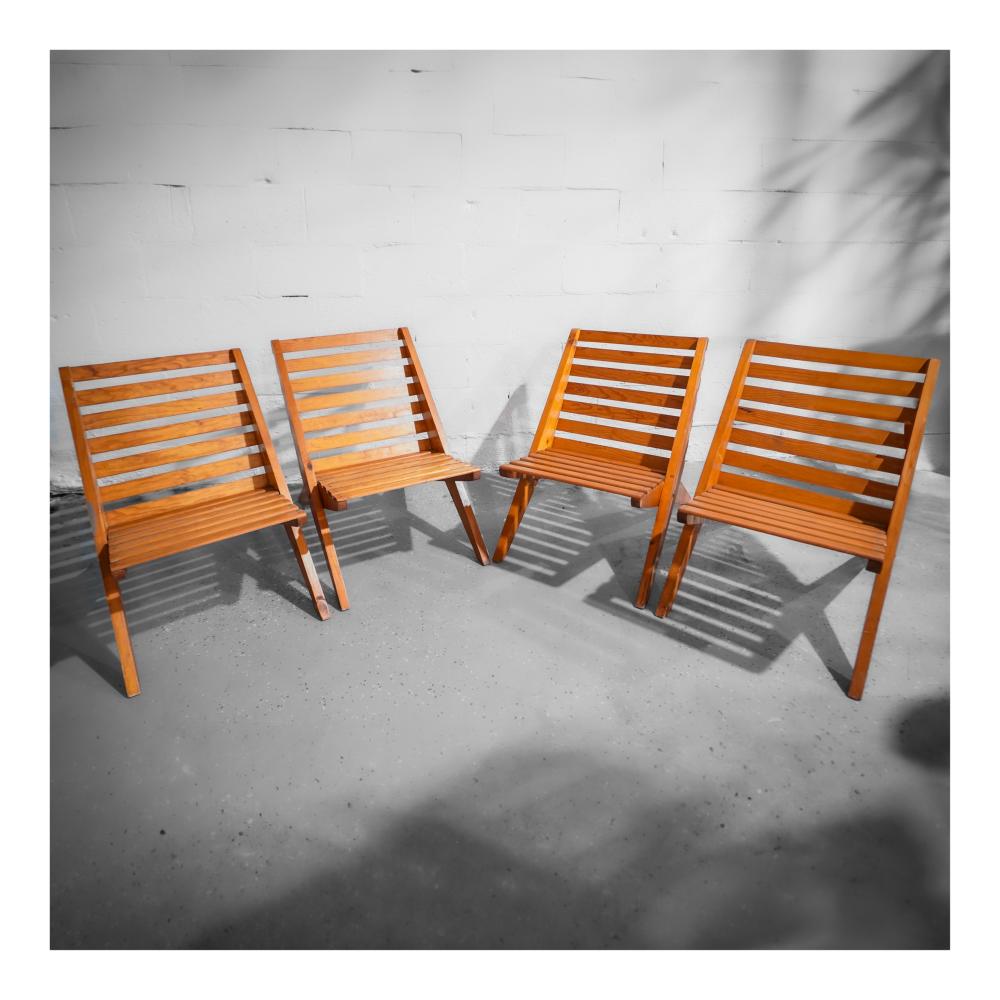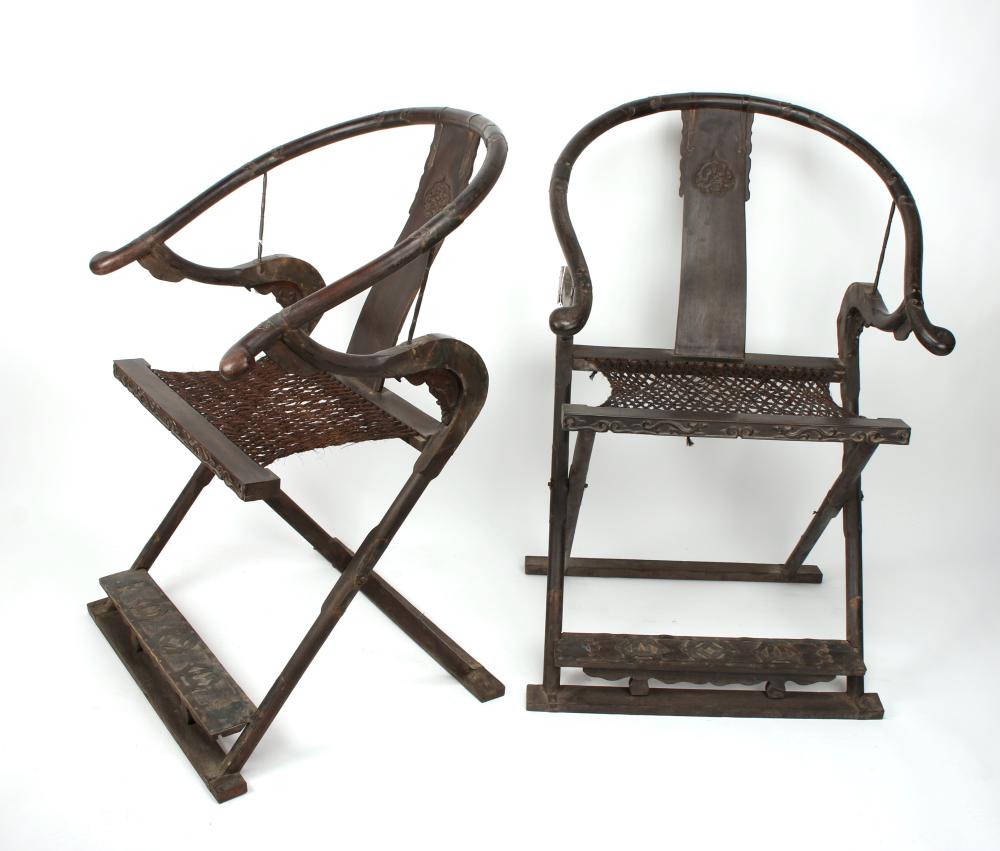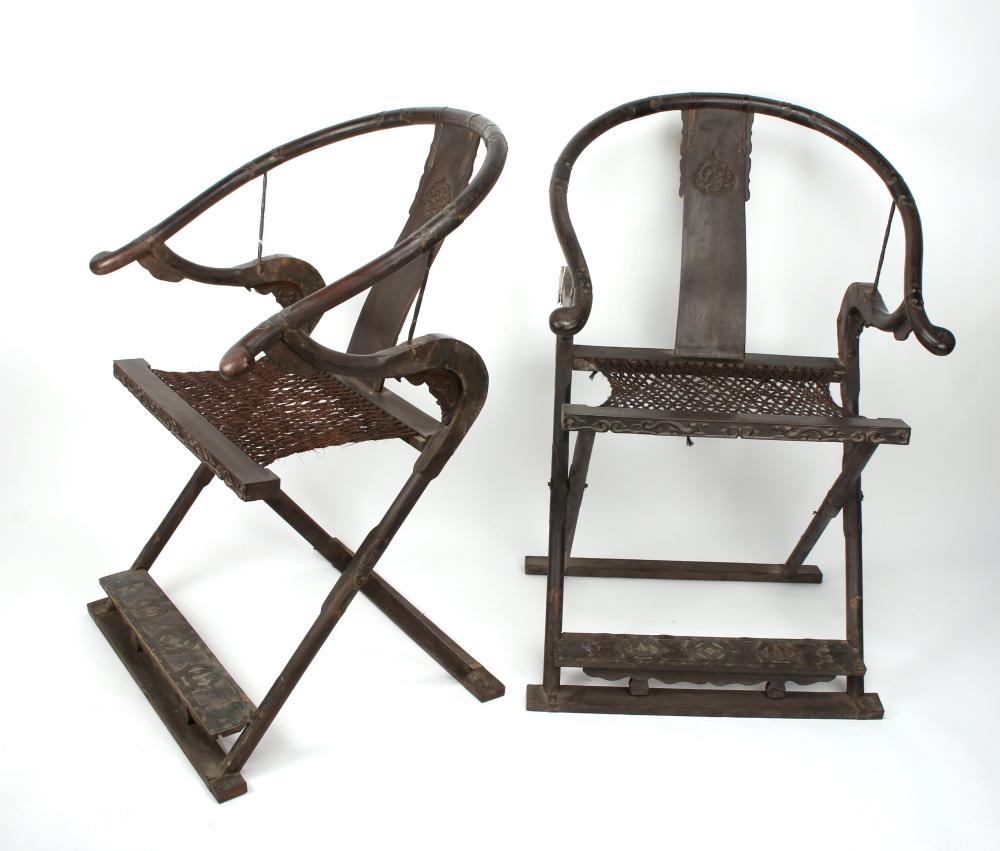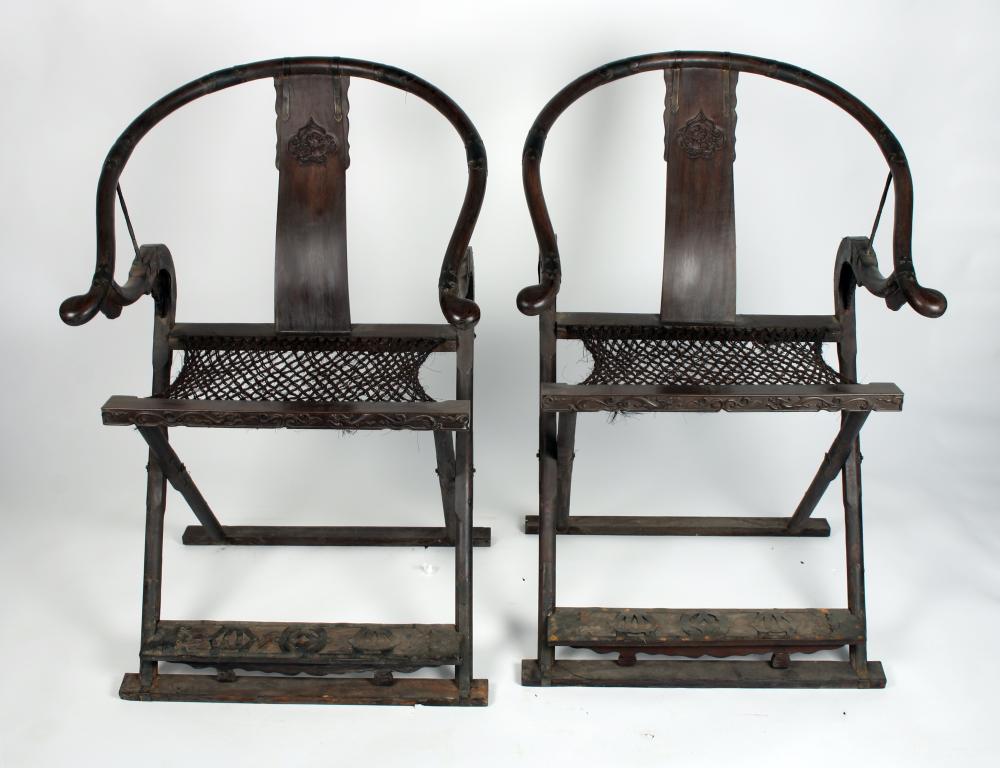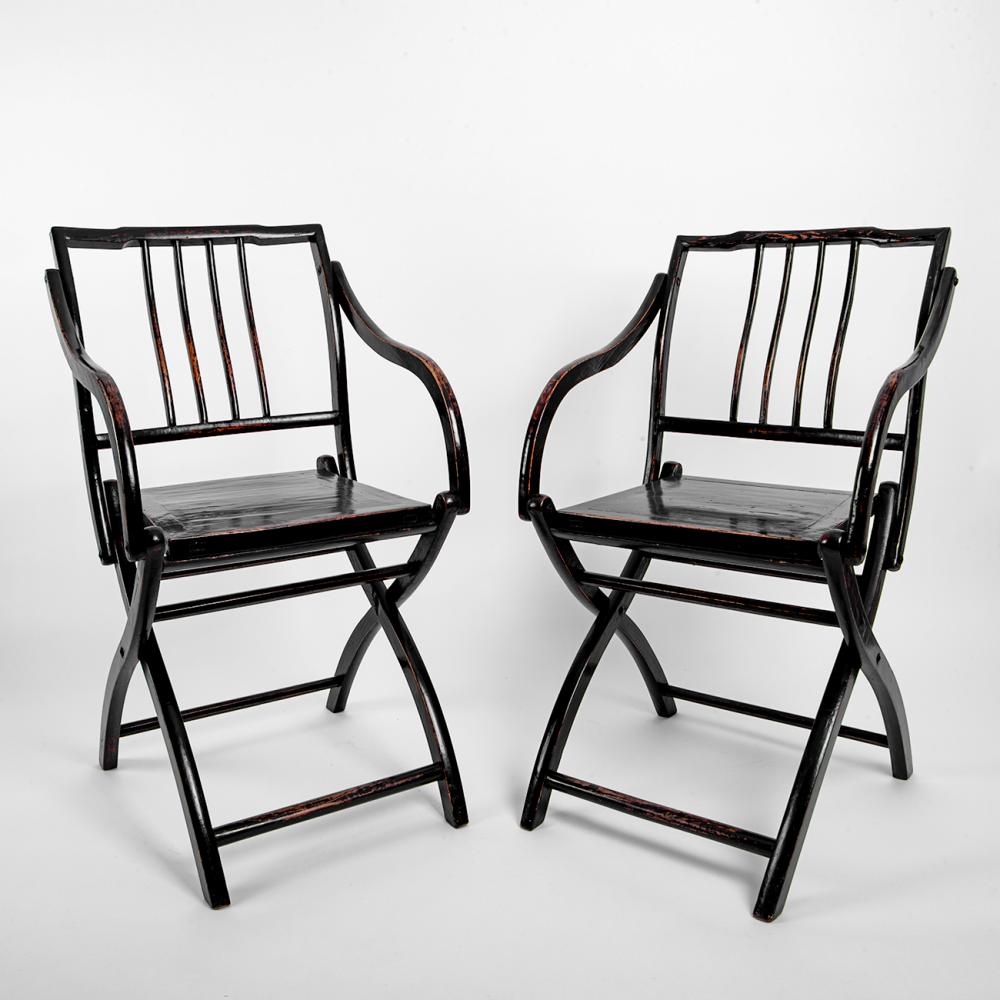
Start with construction and hardware
Inspect the hinge hardware, seat supports, wood species, joinery, maker labels, and finish. Folding chairs often fail or lose value at the hardware, so stability is part of the appraisal.
- Photograph front, back, underside, hinges, labels, fasteners, and any repairs.
- Measure height, seat width, and folded depth.
- Do not tighten, refinish, or replace hardware before documenting the chair.
Condition and originality
Original finish, sound wood, correct hardware, and a complete matched set can help. Cracks, missing stretchers, weak joints, replaced screws, and heavy repaint can reduce collector interest.
- Stability matters for use value, but restoration should be disclosed.
- Labels, venue stamps, rental markings, or institutional provenance can add context.
Set size and market demand
Single chairs may sell as decor, while matched sets can be more desirable. Demand depends on style, age, maker, condition, and whether the chairs fit current interior use.
Use sold results for comparable wooden folding chairs, not general dining chairs or modern event chairs.
Before appraisal
Send photos of each chair if there is a set. Note wobble, repairs, replaced hardware, finish history, and whether the chairs fold safely.
Need a value opinion on your vintage wooden folding chair?
Upload clear photos, marks, dimensions, and condition notes. Appraisily can review the item remotely and tell you which details matter most.
Start furniture appraisal