Identify issue, not just age
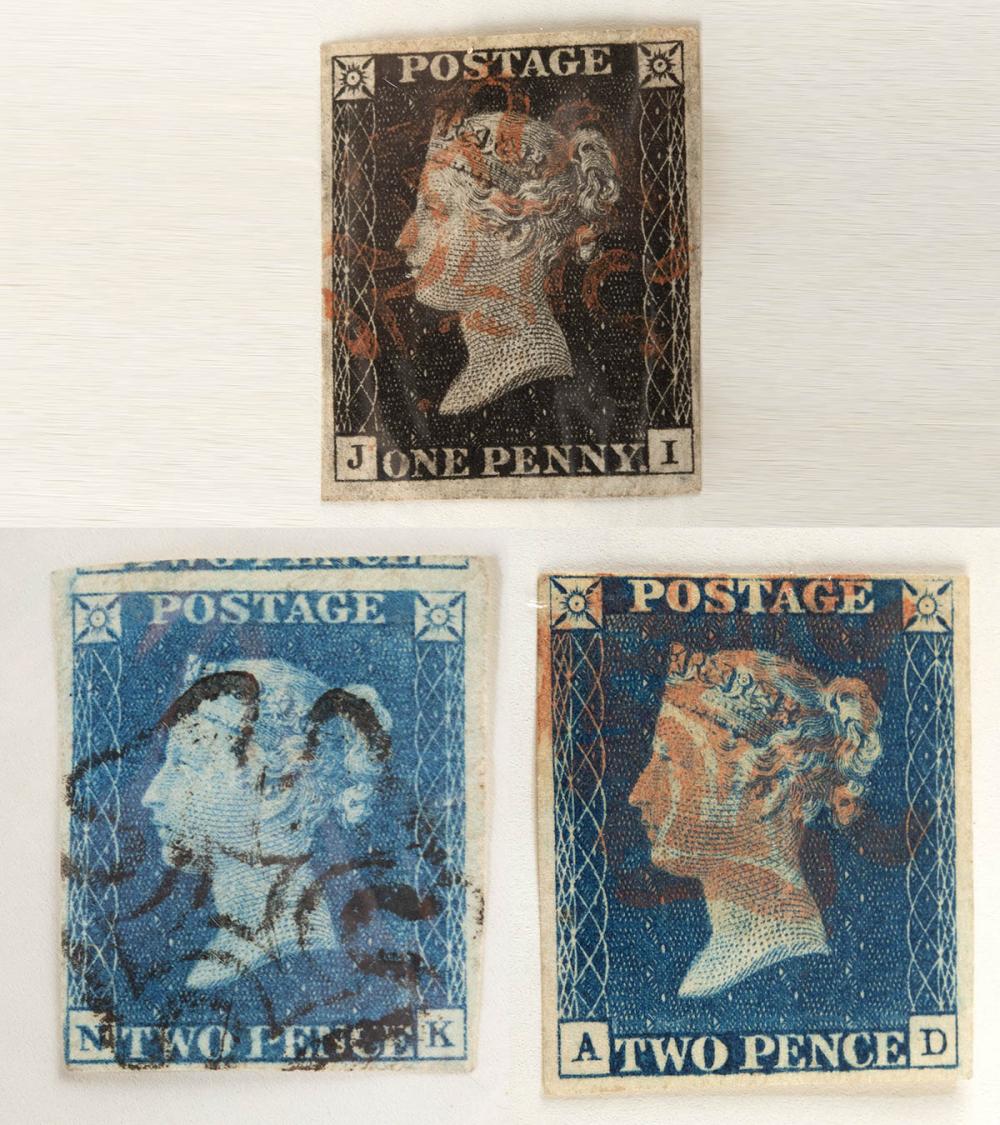
A stamp needs a specific issue before it can be valued. Denomination, color, design, watermark, perforation gauge, paper, grill, and cancellation can separate common stamps from better candidates.
- Use a magnifier and perforation gauge rather than guessing from color alone.
- Do not soak stamps off covers or album pages before review.
- Keep covers, old album notes, dealer cards, and certificates with the collection.
Condition controls the market
Centering, gum, hinge marks, thins, tears, creases, pulled perforations, stains, fading, and heavy cancellations can all affect value. A rare issue with a major fault may sell far below a sound example.
- Mint never-hinged gum is different from hinged or regummed condition.
- Used stamps should be checked for cancellation type and whether it is contemporary.
- Faults should be disclosed clearly rather than hidden in a large lot.
How to triage a collection
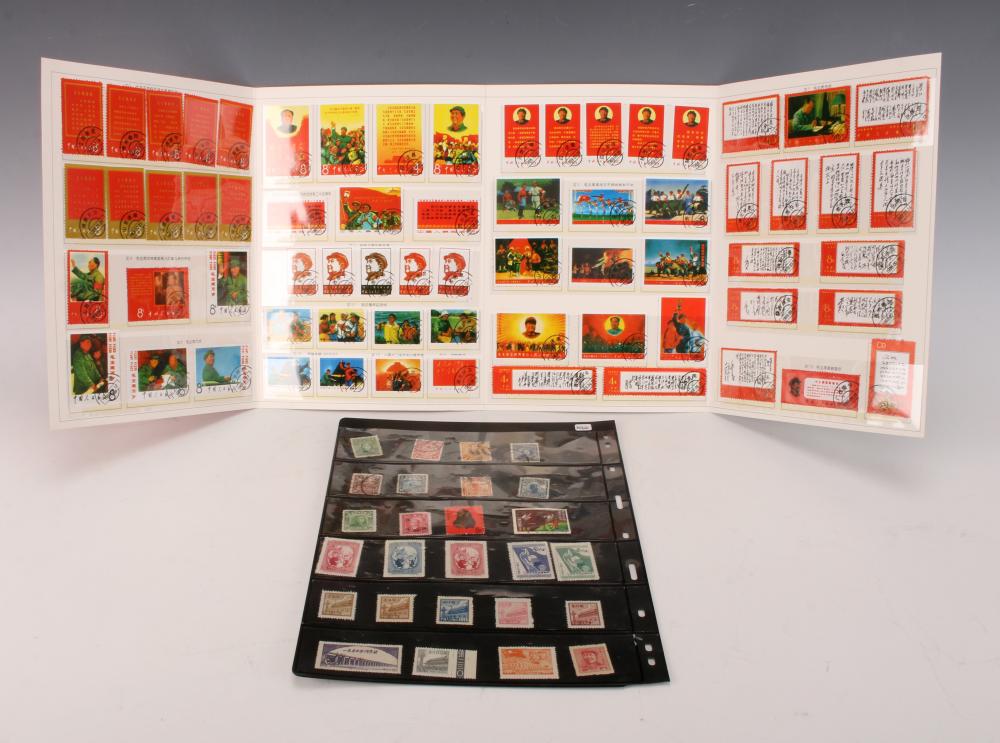
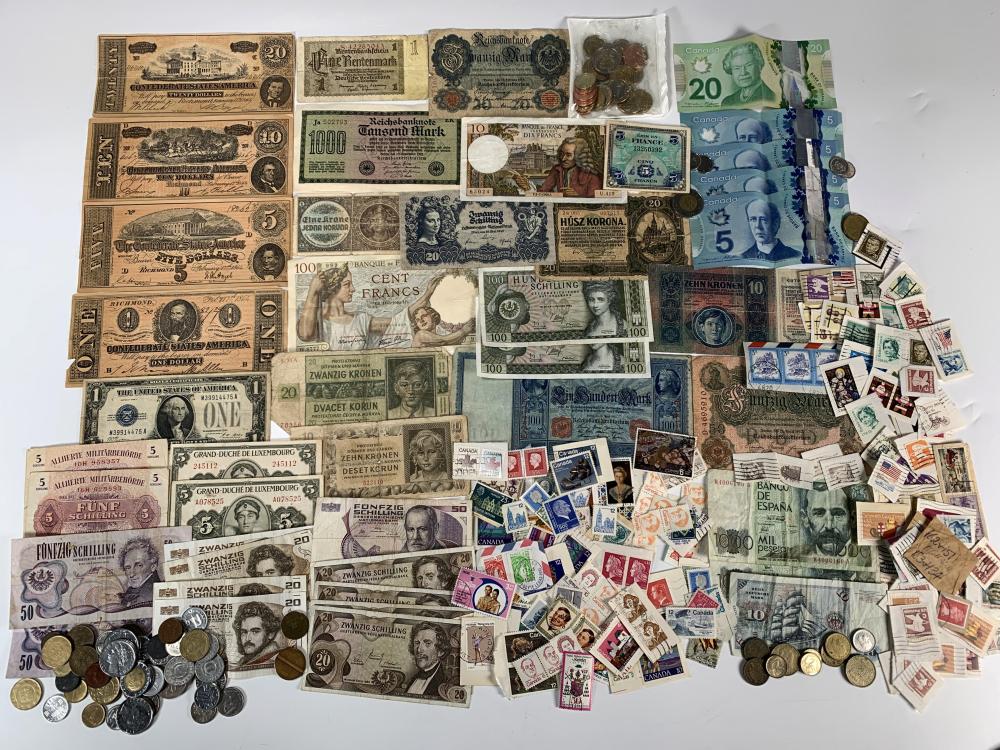
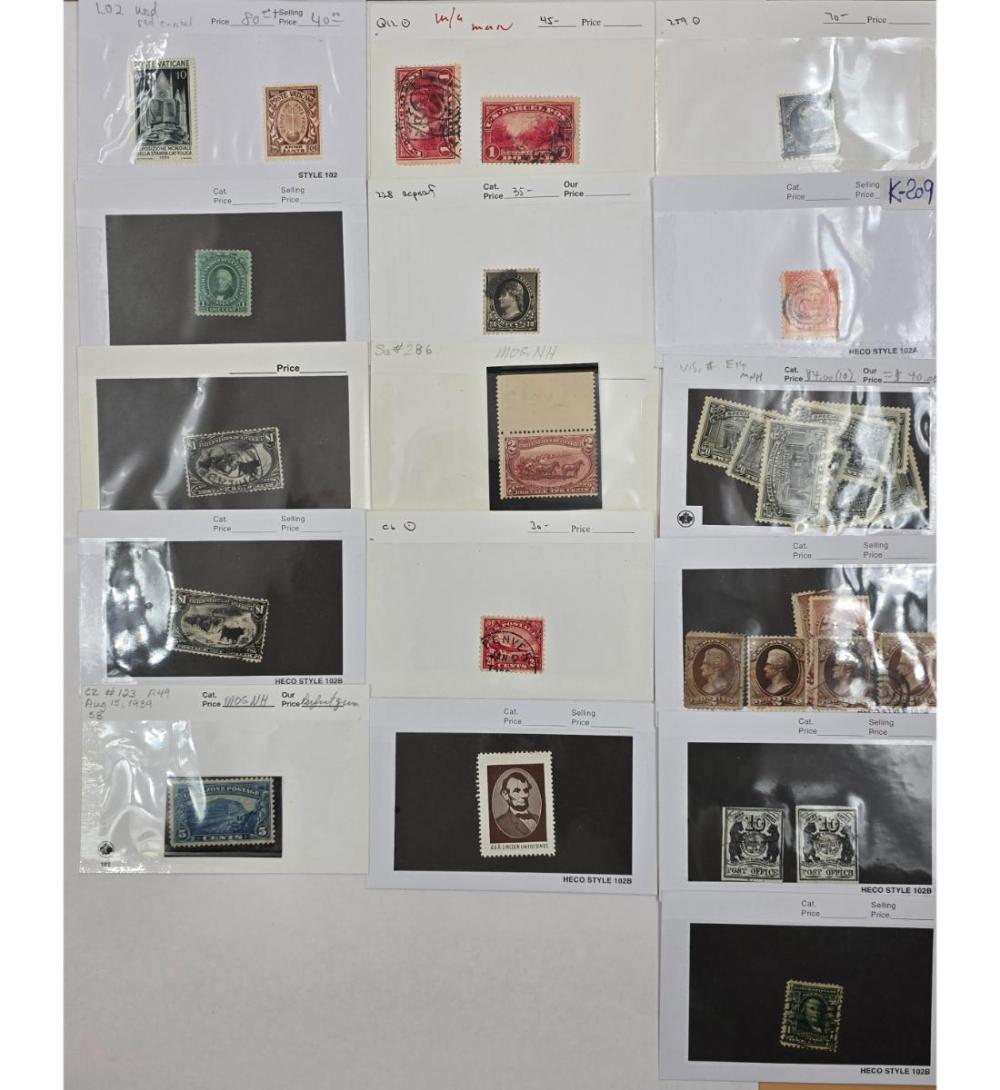
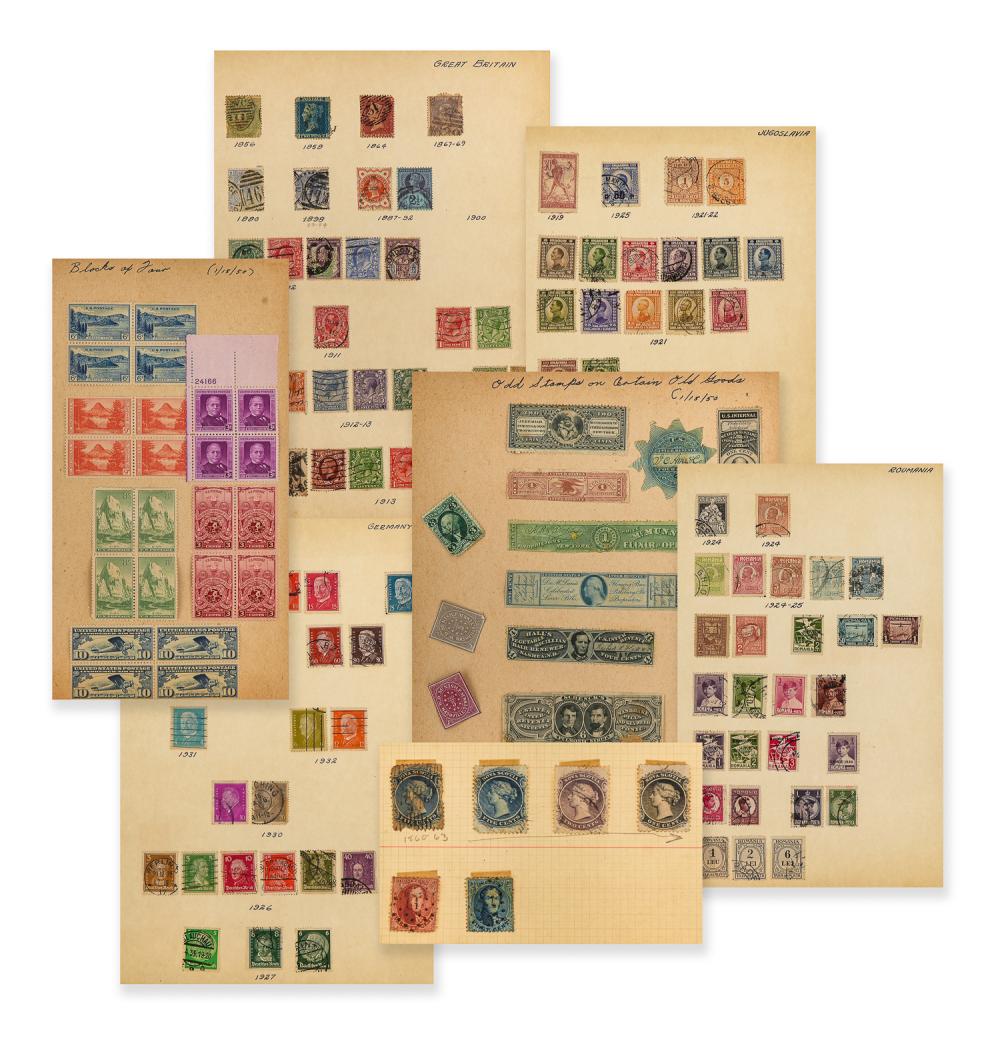
Group stamps by country, era, mint versus used, covers, and any certificates. For U.S. material, flag early classics, high denominations, revenues, airmails, errors, plate blocks, and unusual covers for closer review.
- Albums full of common 20th-century stamps may have modest value, but individual better items can be missed without a careful pass.
- Photograph full album pages and then closeups of any promising stamps.
When expert review is worth it
Request a specialist review when you see early U.S. classics, possible errors, valuable covers, old dealer annotations, or certificates. Attribution review may be needed before a meaningful value can be stated.
For insurance or estate work, ask for a written report that separates bulk collection value from individually significant items.
Need a value opinion on your old U.S. stamp collection?
Upload clear photos, marks, dimensions, and condition notes. Appraisily can review the item remotely and tell you which details matter most.
Start stamp appraisal