Start with exact identification
Chinese coin value begins with the correct type. Cash coins, silver sycees, provincial dragon dollars, fantasy pieces, charms, modern restrikes, and medals do not belong in the same price conversation.
- Photograph both sides straight on, plus the edge when relevant.
- Record diameter, weight, metal color, magnet reaction, and any visible casting seam.
- Transcribe the inscription if possible and note whether the characters are crisp, weak, or suspiciously modern.
Get a free first read on your Chinese coin
Upload photos of both sides, the edge, weight, diameter, inscriptions, old tags, and any holder. Start with a free screen before choosing a written appraisal.
Originality comes before value
The Chinese coin market has many reproductions and tourist pieces. A coin that looks old can still be a modern cast copy, a fantasy design, or a heavily altered common type.
- Watch for soft lettering, bubbly surfaces, artificial patina, incorrect weight, and mismatched calligraphy.
- For high-value candidates, use a specialist or grading service with experience in Chinese numismatics.
- Do not polish, dip, or scrape a coin to reveal details; cleaning can reduce value and remove evidence.
What pushes value higher
Scarcity, historical period, mint, metal, condition, provenance, and current collector demand all matter. A common Qing cash coin may be modest, while a scarce provincial silver dollar in strong condition can require specialist research.
- Original surfaces are preferred over bright cleaned metal.
- Documented provenance can help with rare pieces, especially when old collection tags are present.
- Counterfeit risk means buyers reward coins with credible specialist review.
When to request a formal appraisal
Request a written appraisal if the coin may affect estate division, insurance scheduling, donation planning, or a significant sale. For a mixed jar of coins, start with a triage review to separate common, damaged, and potentially important examples.
Send the appraiser grouped photos and measurements first so the review time goes toward likely candidates.
Note: We couldn’t find enough auction records that directly match Rare Chinese Coins: Dynasty, Type, Metal, Inscriptions, Condition and Provenance to publish a defensible price table. If you are valuing a specific item, include its maker, model, material, photos, and condition so the search can be narrowed.
What similar items actually sold for
To help ground this guide in real market activity, here are recent example auction comps from Appraisily’s internal database. These matched sales are market context only, not an object estimate or identification, and they do not guarantee a price for your specific discover the fortune unveiling the value of rare.
Shown USD range: USD 300-USD 2,500. Median of these 5 USD examples: USD 325.
| Comparable | What sold | Auction house | Date | Lot | Source-reported amount |
|---|---|---|---|---|---|
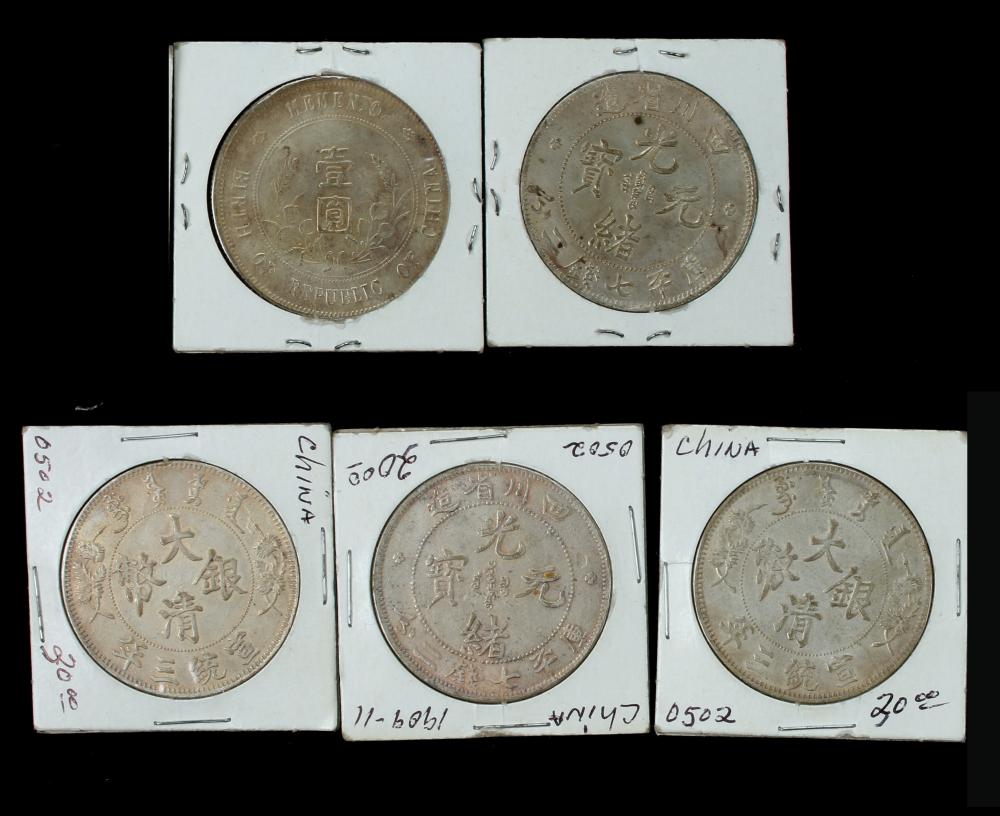 |
FIVE CHINESE COINSSource blocked; provenance matched | Converse Auctions | 2019-02-15 | 586 | USD 325 (buyer’s-premium treatment unknown) |
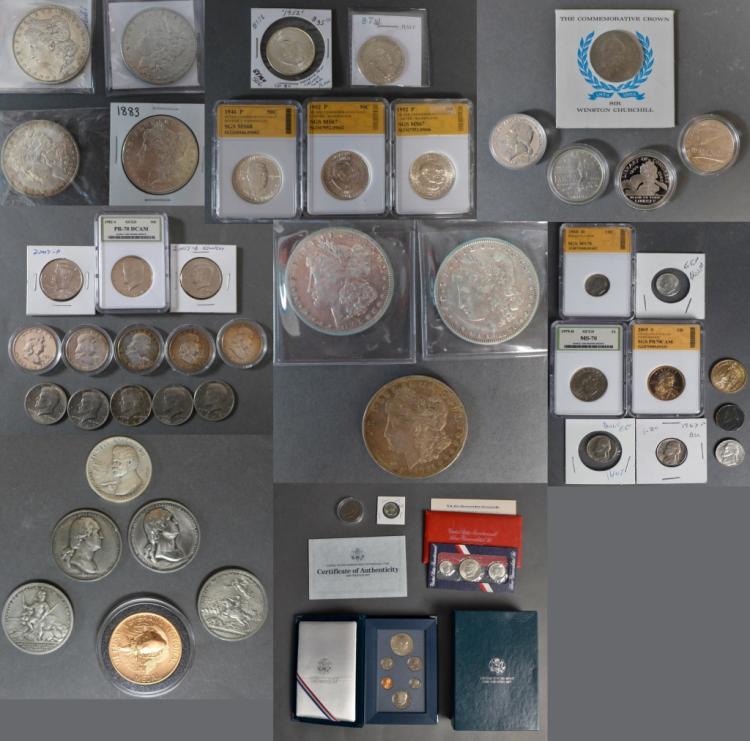 |
Collection of US CoinsSource blocked; provenance matched | Sterling Associates, Inc. | 2016-12-07 | 475 | USD 300 (buyer’s-premium treatment unknown) |
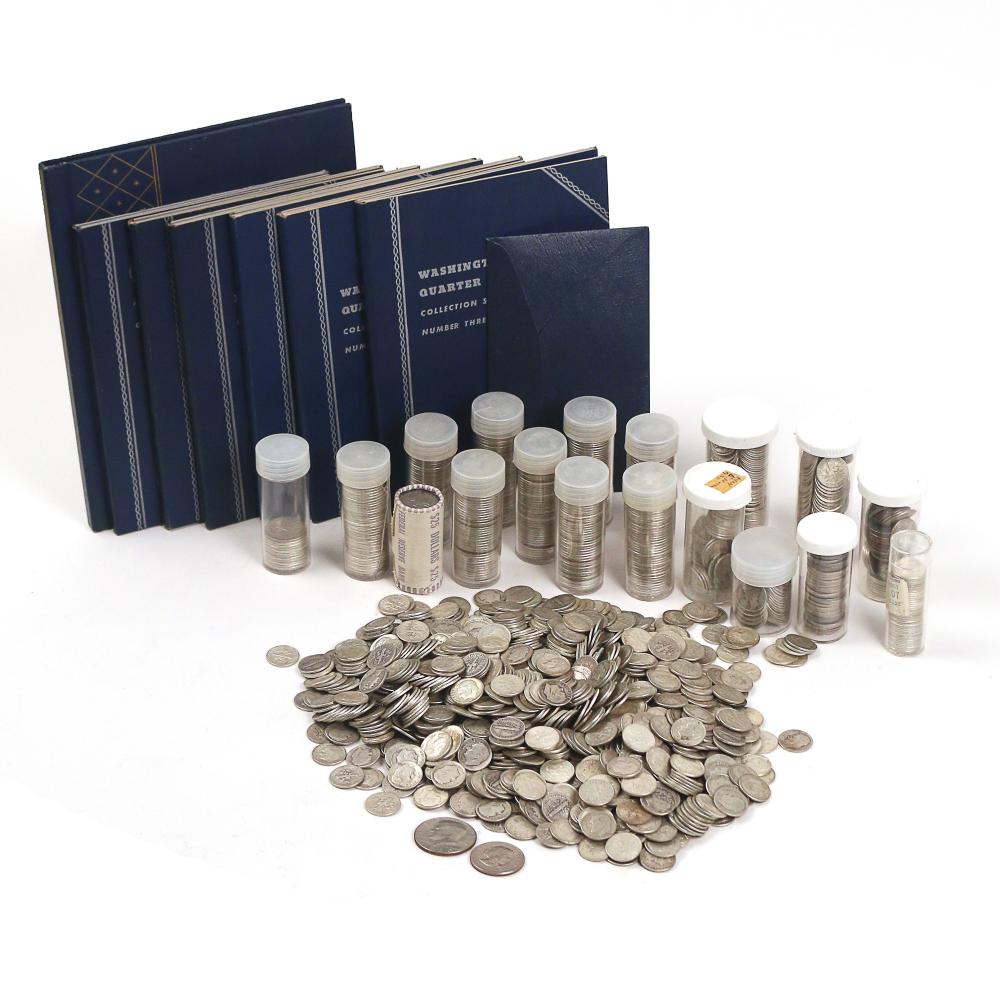 |
LARGE COLLECTION AMERICAN COINSSource blocked; provenance matched | Butterscotch Auction Gallery LLC | 2020-11-22 | 732 | USD 2,500 (buyer’s-premium treatment unknown) |
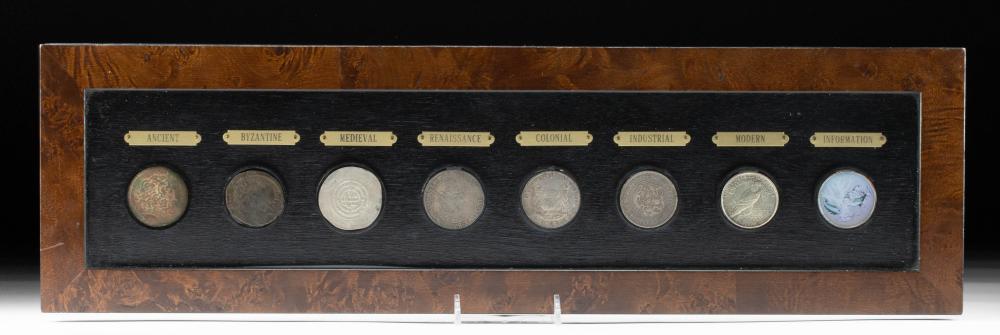 |
Set of Currency Coins, Ancient - Information Age | Artemis Gallery | 2022-09-17 | 192 | USD 500 (buyer’s-premium treatment unknown) |
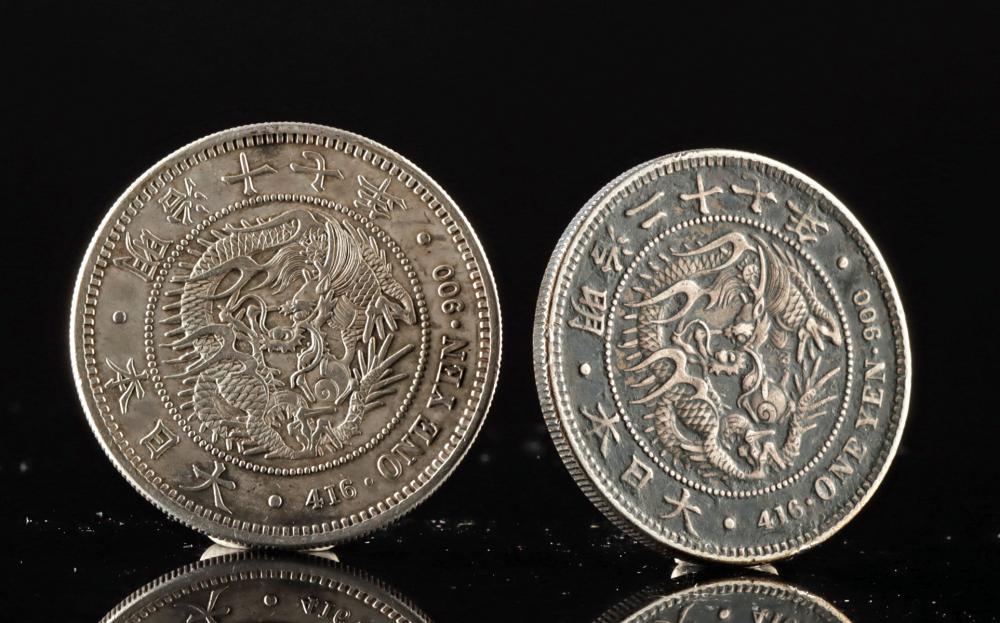 |
Two 1883 Japanese 1 Yen Silver CoinsSource blocked; provenance matched | Artemis Fine Arts | 2026-03-19 | 14 | USD 300 (buyer’s-premium treatment unknown) |
How these auction records were verified
Each row retains its exact source URL, lot identity, retrieval time, access result, and immutable record hash. Live source access was blocked; the exact record matched Appraisily's immutable pipeline provenance. Inspect the public comparable provenance record.
Disclosure: prices are shown as reported by auction houses and are provided for appraisal context. Learn more in our editorial policy.
Screen the coin before using a price comp
A quick screen can separate common cash coins, silver dollar candidates, tourist copies, fantasy pieces, and coins that need specialist authentication.
Upload photos for a free first lookNeed a value opinion before selling, insuring, or donating?
Upload clear photos, marks, dimensions, and condition notes. Appraisily can review the item remotely and tell you what details matter most.
Start coin appraisal