
Before you ask the market: the core rule
For dinnerware, pattern and completeness matter more than table shine. You can have beautiful pieces that sell poorly because they are incomplete, hard-to-verify, or badly documented. You can also have modest-looking ceramics with a clean maker path and stable demand that outperform a rough-looking but confusing lot.
Use this sequence:
- Identify the pattern and maker signals as far as you can from photos.
- Count the complete service pieces and separate complete sets from fragments.
- Collect photos that can be read by someone else in five seconds.
- Document damage in a way repairs and valuation teams can measure, not just describe.
The first three steps usually decide whether a free instant estimate is enough. The last step tells you whether to jump to specialist review.
Step 1: Find the pattern name and maker signals
The practical value signal is not “looks old.” The practical value signal is traceability.
What to record first
- Pattern naming clues: recurring motifs, frame lines, leaf bundles, or repeated border blocks.
- Maker marks: impressed initials, transfer prints, stamps, penciled initials, and style plates.
- Era hints: mark style, signature phrasing, and glaze chemistry (hard to fake details).
Keep your notes close to text, not guesses. A pattern label like “Delft style” or “Victorian” is only helpful if you can pair it to measurable clues. If you only know shape and tone, you should treat it as a weak identification and try a free instant read first.
Backstamps matter most when pattern names are hard to find. If your photos show a clear stamp date or workshop mark, your odds improve because your item moves from “decorative” to “attributable.”
A quick identity decision
Use this mini-filter:
- Clear maker path and readable backstamp: you likely have enough for a strong pre-read.
- Pattern matches but stamp is faded: likely still passable for a free estimate, but avoid final pricing claims.
- Pattern/mark conflict: move toward specialist review instead of concluding now.
Step 2: Piece count is not cosmetic — it is a market signal
Many sellers fail not on condition, but on completeness. A 10-piece dinner set is not worth the same as three matching bowls from the same period if the listing is grouped as one sale lot.
Count the category, not just total pieces:
- Dinner plates: standard place setting count, side plates, chargers, salad plates.
- Soup and specialware: bowls, tureens, serving platters, sugar bowls, creamers.
- Tea service: teapot, stand, strainer, cups, saucers, sugar, cream, and milk service.
- Extras: matching napkin rings, matching stems, or service labels.
One high-impact question: can a buyer reassemble a coherent service around what you have? If the answer is no, most estimates de-rate quickly unless the style or maker is exceptional.
Common outcome split:
- Strong for pre-read: clear core service pieces with no gaps.
- Weak for pre-read: partials with mixed manufacturers and no count integrity.
Step 3: Build a photo package that can be compared
This checklist converts your camera roll into readable evidence. Upload fewer images with intention, not hundreds with no focus.
Include every item below for a useful first estimate:
- Overview: a full tray or service shot showing all selected pieces together.
- Base and rim: close-up of base signature lines and rim chips.
- Backstamp: direct, high-contrast photo of marks and back markings.
- Damage close-ups: chips, cracks, crazing areas, glaze loss, and repaired joins.
- Matching proof: one “twin piece” shot showing repeating pattern motifs.
- Interior and glaze: glaze pooling, crazing, stains, and glaze variation.
The goal is simple: a specialist should be able to identify your item in under one minute using photos alone. If the images do not make the item clear, treat your own value estimate as preliminary.
Free instant estimate
Not sure if your item is worth appraising? Let us take a look.
Upload a photo, tell us what you know, and get a free first read. If a full appraisal makes sense, we will say so.
Free. No card needed. Takes about two minutes.
Step 4: Grade damage so you can avoid false certainty
The biggest valuation mistake is treating all damage as one category. You need a tiered view:
- Minor wear: faint crazing, very small rim chips, tiny glaze pitting.
- Moderate impact: medium chips, repaired cracks, heavy glaze loss, missing glaze spots.
- Major impact: structural fracture, repaired joins, base distortions, severe stains, and missing signature pieces.
For this checklist, anything in the major bucket should reduce urgency to price expectations and increase the value of a specialist review. A lot with major repair history can still be a good candidate for an estimate, but only if the design is highly desirable and documentation is clear.
Practical language to use in your notes
Use exact descriptors: “3 mm edge chip,” “radial crack under glaze bridge,” “base glaze loss at support foot,” “missing one piece from an 8-piece tea set.” Precision lowers disputes later.
How these factors move market confidence in practice
Internal comps show why this checklist exists. A well-documented porcelain bowl with no major structural issues can trade around the low-to-mid hundreds. A more complete service with stronger maker signals can climb toward higher ranges. Missing pieces or uncertain attribution generally flatten upside.
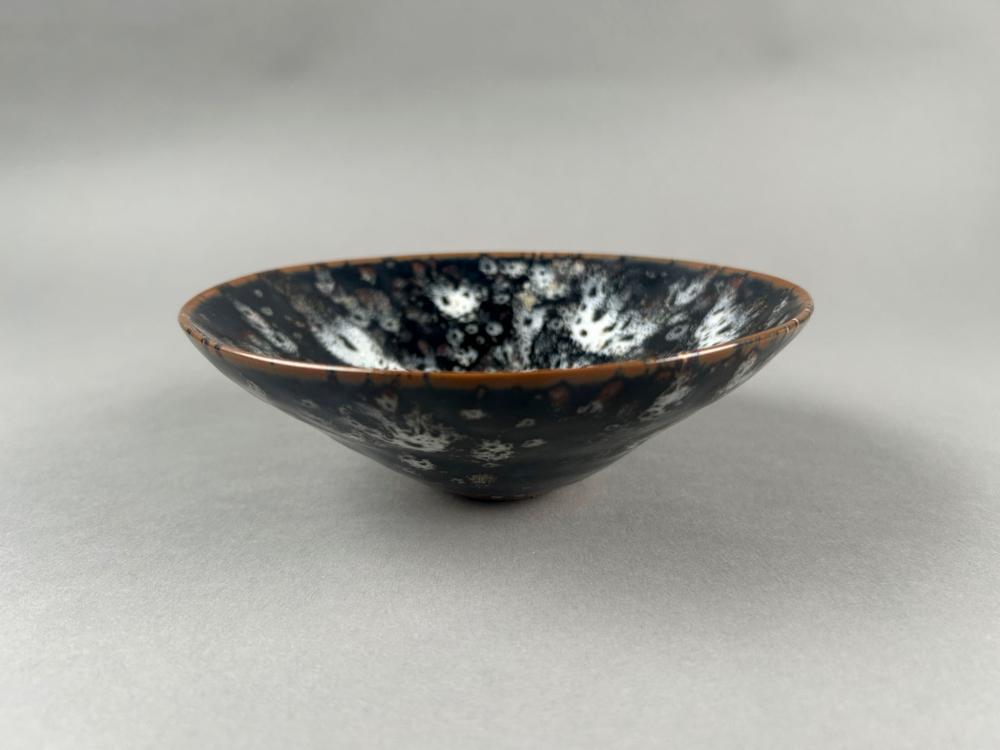
- Eldred's porcelain bowl (c.2025): USD 400 with clear image quality and provenance context.
- Rookwood-related porcelain items: similar 2020–2022 results ranging from USD 500 to 552 depending on completeness and maker confidence.
- Bonhams service-style lot: around USD 600 when multiple pieces were present and documented.
Those numbers are educational examples from auction records, not hard promises. They exist to anchor your note quality: each lot that sells best is usually cleaner on maker, count, and visual state.
What similar items actually sold for
To help ground this guide in real market activity, here are recent example auction comps from Appraisily’s internal database. These are educational comparables (not a guarantee of price for your specific item).
Shown USD range: USD 250-USD 800. Median of these 3 USD examples: USD 650.
| Image | Description | Auction house | Date | Lot | Reported price realized |
|---|---|---|---|---|---|
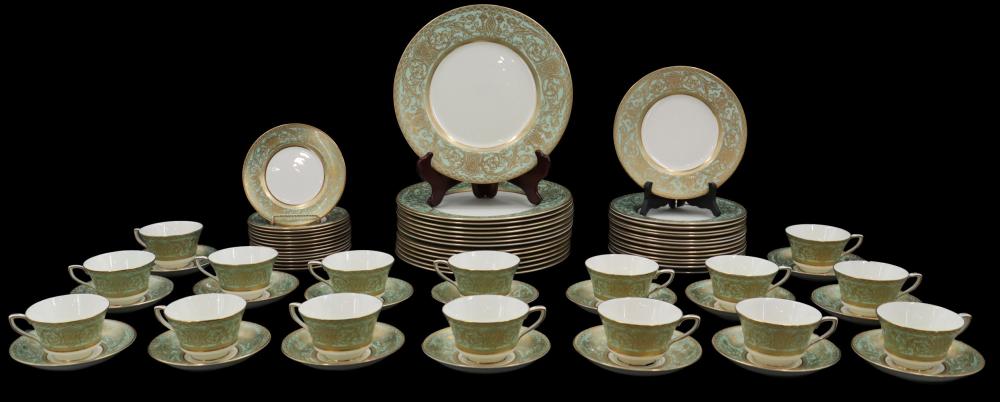 |
(74) Piece Set of English Royal Worcester Embassy Pattern Bone China Dinnerware | Sarasota Estate Auction | 2025-08-17 | 1669 | USD 650 |
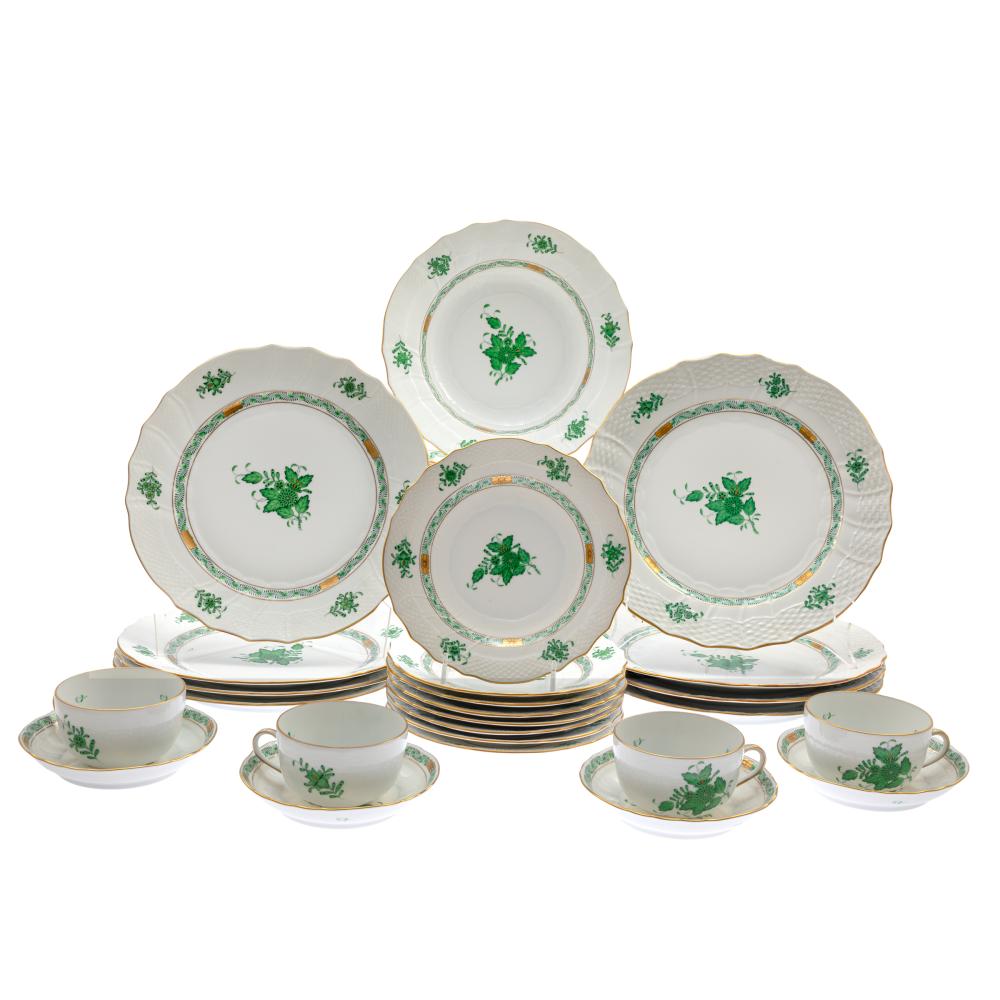 |
Herend Porcelain Dinnerware Set, Chinese Bouquet Pattern | Fine Estate Inc. | 2023-10-22 | 159 | USD 800 |
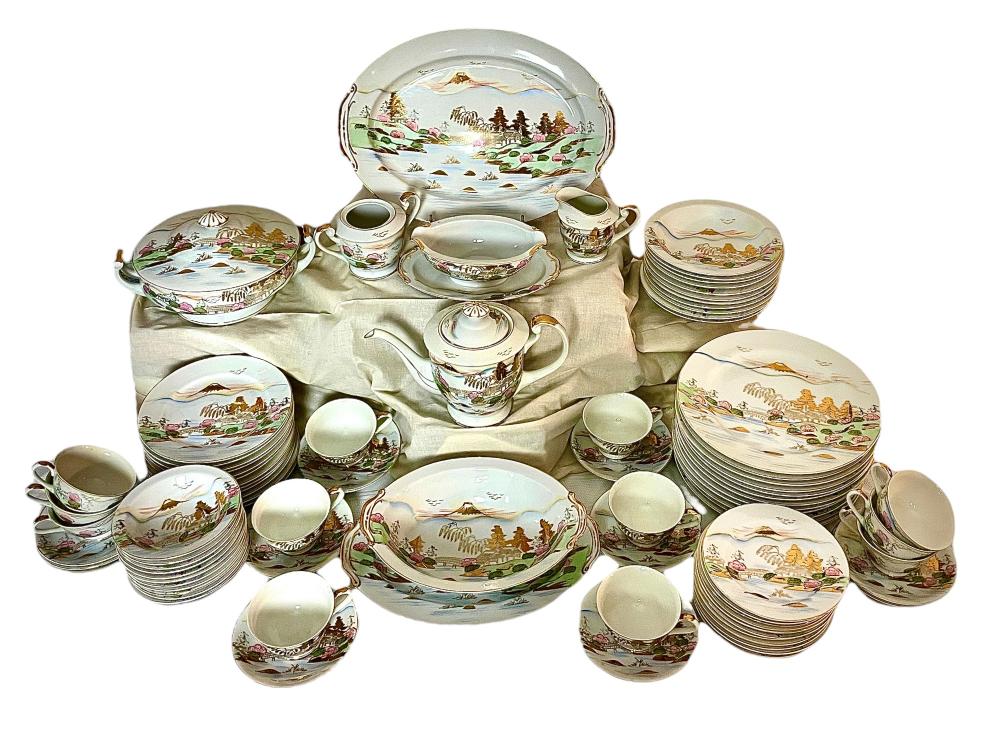 |
95 Piece Vintage Japanese Kutani Porcelain Dinnerware Set | Worthington Galleries | 2024-09-29 | 323 | USD 250 |
Comparable images are shown at thumbnail scale with source links. Request image review or removal.
Disclosure: prices are shown as reported by auction houses and are provided for appraisal context. Learn more in our editorial policy.
Use this decision rule before you spend on appraisal effort
When your checklist is complete, run this rule:
- Pass to free estimate: maker + backstamp + clear photos + no major structural issues.
- Pass to specialist report: premium demand, complete set, or unresolved high-value makers.
- Defer: fragmented sets with mixed sourcing and major repairs without good photos.
In plain language: the first two conditions reduce risk for a quick estimate; the third protects you from chasing false hope.
Quick questions
Do I need every dinner plate to upload?
For a useful first look, no. But to justify full valuation, you should include all core service pieces and any missing component should be named clearly.
Can I appraise from one photo?
Not reliably. One photo can identify broad style, but not pattern-name confidence, count logic, or damage severity.
What if I cannot read a backstamp?
Use macro and side-lighting. If still unreadable, upload the uncertainty and skip any final price claim until a specialist adds context.
How do chips and crazing affect value?
Minor chips often soften estimates, moderate chips can shift value materially, major defects frequently move an item from likely-ready-to-sell to documentation-first.
Search variations
Related questions you might be asking
- How do I identify dinnerware pattern number and maker from photos?
- Does complete place setting count increase dinnerware appraisal value?
- What damage affects dinnerware resale value the most?
- How many pieces should a tea set include for a proper appraisal?
- Can chips and crazing be repaired without lowering value?
- What photos do dinnerware appraisers need for a free estimate?
- How do auction comps compare for Rookwood and Royal Albert?
- Is a mixed dinnerware set worth a signed appraisal report?
- Can backstamps be faded but still useful for valuation?
- How do I tell a vintage copy from an original dinnerware pattern?
References
Choose your next step
Use the path that matches the decision you need to make about the item.
Not sure it is worth appraising?
Start with a lower-friction screen to understand the likely category, evidence, and next step.
Upload photos for a free first lookWant proof before paying?
See how a signed report documents photos, comparable evidence, condition notes, and value conclusions.
View signed report sampleNeed a signed report?
Use this for insurance, estate, donation, resale, or documented value decisions.
Need documentation now? Start signed appraisalNeed local or specialist help?
Compare directory options when the work needs in-person review or a specialist near you.
Find local specialistsReady for a quick read?
Get a free instant estimate
Upload photos and notes now. If this looks like a full appraisal case, we can move you to the next step.
Takes about two minutes.
Upload photos for a free first look View signed report sample