
Start with evidence, not adjectives
A decorative plate can have strong decorative appeal and still lose value if the evidence layer is incomplete. The market reaction usually starts with visible trust cues: clear marks, coherent series context, and documented condition. That is the practical sequence, because every later valuation step depends on this base.

If you only upload one thing, upload the plate photo from straight down and a scale shot from the back. Those two are the baseline. Everything else in this checklist narrows uncertainty and cuts back-and-forth before you move to a paid opinion.
A common mistake is waiting on provenance or appraisals before assembling photos. Reverse that: build your proof file first, then use it to decide whether your next step is free screener, specialist review, or documentation path.
Run the 12-photo checklist before you hit send
The object should be documented like an evidence packet, not a social post. For a decorative plate, this sequence works best.
- Photo 1: Front image with straight-on lighting, centered and fully in frame.
- Photo 2: Back image with full circumference visible.
- Photo 3: Stamp/mark zone close-up (rim underside and bottom fields).
- Photo 4: Rim edge and foot condition profile from 45°.
- Photo 5: Side edge and wall profile from the top to reveal warping or repair seams.
- Photo 6: Crazing and glaze mapping with a raking light source.
- Photo 7: Chip and crack area with ruler or coin for scale.
- Photo 8: Label or maker block close-up.
- Photo 9: Serial/series mark on the back box or base if present.
- Photo 10: Matching companion pieces in the same style, if any, from same room setup.
- Photo 11: Interior storage condition and any protective layer still attached (bag, wrapper, tissue).
- Photo 12: Any restorations, repairs, or replaced rims captured at arm’s length.
This checklist is long because each missing angle creates a blind spot. The practical result is fewer follow-up questions and a more reliable first value. The approved signal for this article path is simple: when uncertain, default to asking for the free estimate first.
Tip: Keep images at 1800 px wide if possible and avoid heavy compression before upload.
Read marks before you read era
Marks are your first provenance clue, then you check what changed with time. For decorative plates, mark location and style can confirm whether a piece was factory finished, later copied, or assembled from parts.
What to log with each mark photo
- Shape, depth, and edge wear around the mark.
- Whether the mark is impressed, printed, or painted.
- Any tool-engraving pattern that appears to align with the base glaze.
- Matching marks on other plates in the same stack, if you own more.
The key line in valuation work is this: maker, marks, and condition matter more than age alone. Older date without clear makers and condition clarity should be treated as background context, not a value conclusion.
If a mark is worn away, your evidence still has value if you capture context photos. A clean back edge and stable rim often matters more in that moment than a partial stamp.
Check series and completeness before pricing
Most decorative plate buyers compare within a family of forms: same motif family, diameter range, glaze and line style, and condition pattern. That is why a series number, set number, or pattern family reference can shift interpretation quickly.
In practical terms, collect this sequence before you ask for a final number:
- Can you name a known set name or pattern group?
- Do you own adjacent pieces (e.g., 2nd or 3rd plate) that match rim profile and base code?
- Is there an original box, packaging, or maker card still intact?
- Is there a clear provenance chain (inheritance, purchase source, dealer invoice, estate notes)?
If your set is incomplete, write that directly in your notes. In many records, demand and completion level are often stronger than a single object age statement because collectors and buyers price rarity with cohesion.
Good series context also prevents over- or underestimating. Two nearly identical plates can perform differently if one is a complete dinner service and the other is a standalone display plate.
Grade condition with impact, not anxiety
Condition is not one box. It is a weighted stack: structural integrity, glaze health, rim and rimline, and historical wear pattern. These are the checks that often move value more than maker name alone.
- Structural risk: cracks, glaze pull, severe chips, repaired fractures.
- Surface risk: glaze crazing extent, frosting, water marks, dulling from over-polish.
- Use-risk: chips from table use, heat exposure, rim edge rounding from service.
- Presentation risk: missing or replaced base inserts, uncertain foot repairs, unstable matching.
If you have only one strong flaw in the center, call it out separately. Condition write-ups that separate risk zones are much easier to trust than broad terms like “fine” or “old.”
Use market proof as your check, not your conclusion
Appraisal planning should use comparable evidence to calibrate your own expectation before money decisions. Internal comps for this topic currently cluster around mid-range and broad collectible ranges, with examples around $350, $650, and $1,800+ for comparable auction-level items in other decorative categories.
That spread is useful: same broad class can move a lot based on marks clarity, pattern integrity, and condition. Two lessons for owners:
- When photos are strong, one read gives enough signal to classify confidence; when photos are weak, even high-condition logic is delayed.
- When condition and series completeness are clear, asking a free estimate first is usually faster and cheaper than guessing value blind.
The detailed auction table is injected automatically in this article slot and stays as the proof section where comparable data is most useful.
Free instant estimate
Not sure if your item is worth appraising? Let us take a look.
Upload a photo, tell us what you know, and get a free first read. If a full appraisal makes sense, we will say so.
Free. No card needed. Takes about two minutes.
When the photos are still not enough, stop guessing
If high-value details are still uncertain after your checklist, move to a specialist route before you message a buyer or list publicly. A paid written route is not the first step for every owner; it is the right step when the risk is already formal.
Think of this as a sequence, not a gate: 1) build photos and notes, 2) get a free first read, 3) run a written path if your outcome needs formal backing.
Reader scenario: the attic plate in one box
A typical case: the plate arrives in one box, no paperwork, chipped near the rim and missing two companion pieces. The owner assumes value is low because the condition is visible but assumes rarity is obvious. That assumption is usually wrong. The first pass should be the checklist above, then a free estimate. The second pass is the provenance note: where the item came from and whether it belongs to a pattern family.
In this case, the item usually avoids overconfidence and gets a cleaner quote range because the data is explicit.
Note: We couldn’t find enough auction records that directly match Decorative Plate Appraisal Checklist: Photos, Marks, Series, and Condition to publish a defensible price table. If you are valuing a specific item, include its maker, model, material, photos, and condition so the search can be narrowed.
What similar items actually sold for
To help ground this guide in real market activity, here are recent example auction comps from Appraisily’s internal database. These matched sales are market context only, not an object estimate or identification, and they do not guarantee a price for your specific decorative plate appraisal checklist photos marks series and.
Shown USD range: USD 250-USD 468. Median of these 3 USD examples: USD 275.
| Comparable | What sold | Auction house | Date | Lot | Source-reported amount |
|---|---|---|---|---|---|
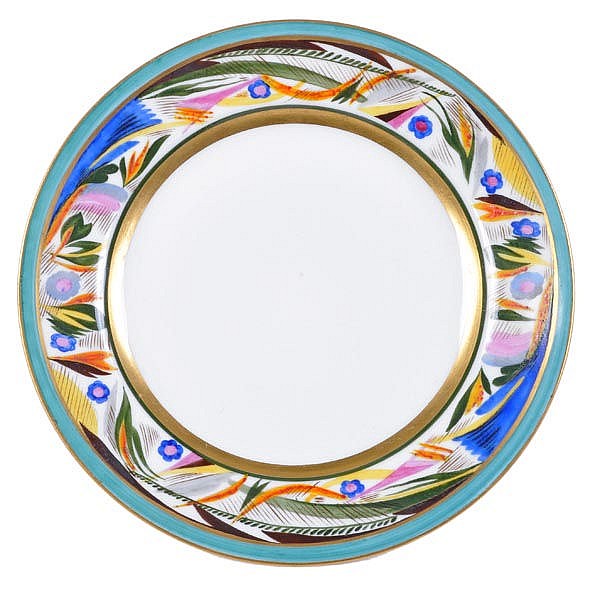 |
A Soviet Russian decorative porcelain plate after | Dreweatts 1759 | 2013-06-25 | 265 | GBP 1,984 (buyer’s-premium treatment unknown) |
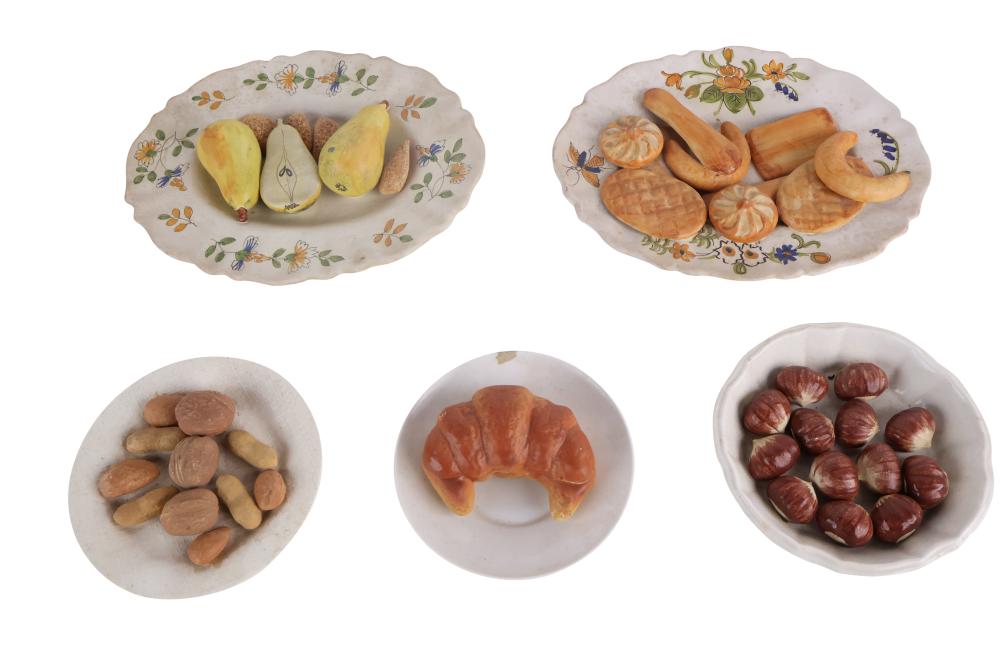 |
Five Decorative Plates with Porcelain Food | Nye & Company | 2024-01-25 | 638 | USD 250 (buyer’s-premium treatment unknown) |
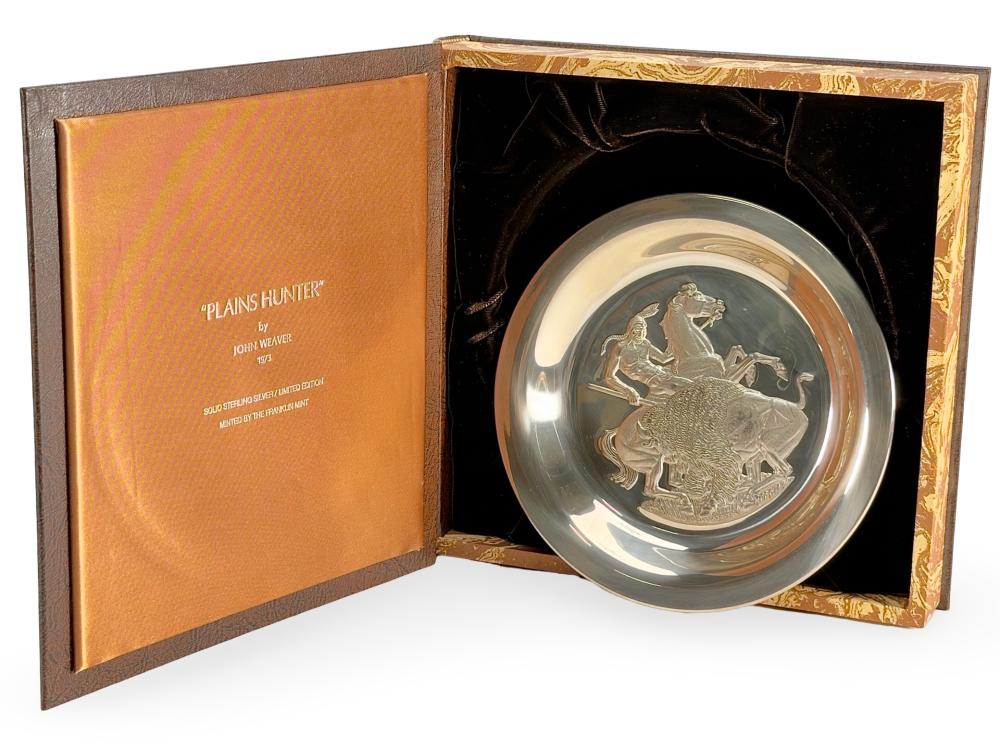 |
1973 John Weaver "Plains Hunter" Sterling Silver Franklin Mint Collector Plate w/ Box | Ace Of Estates | 2025-11-16 | 989248 | USD 275 (buyer’s-premium treatment unknown) |
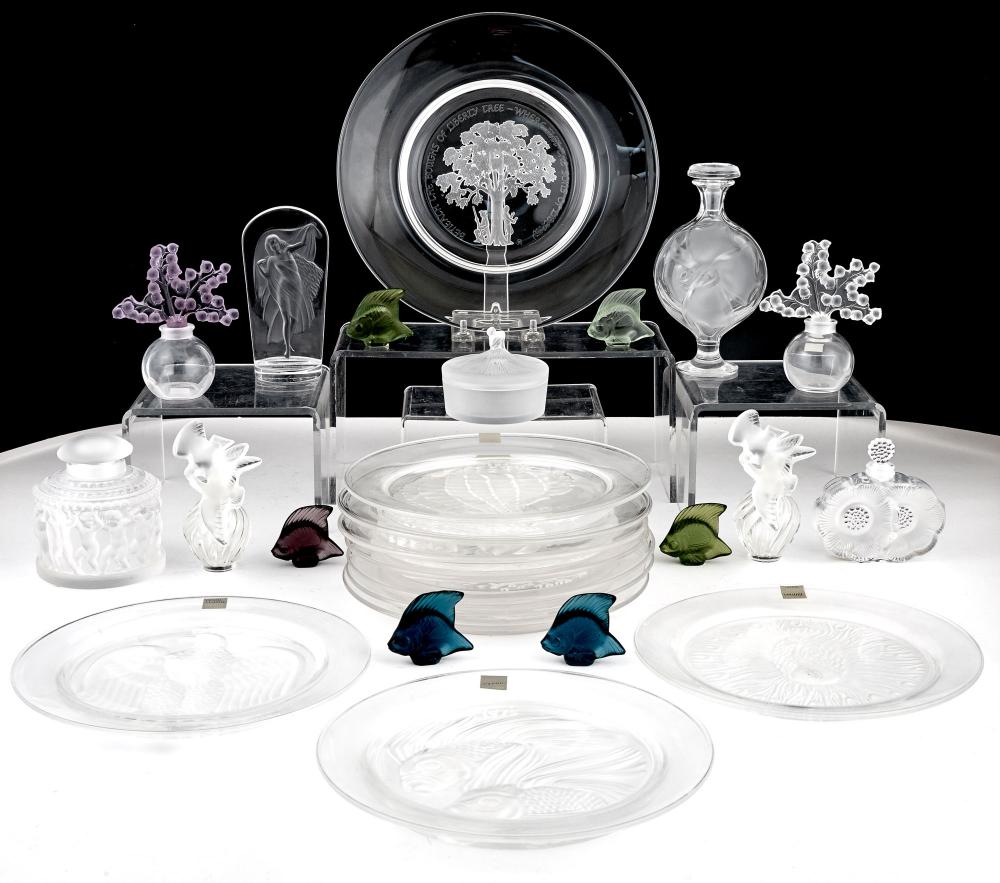 |
Miscellaneous Group of Lalique Molded Glass Articles; Together with a Franklin Mint Molded Glass Liberty Tree Collector Plate | DOYLE Auctioneers & Appraisers | 2020-03-04 | 489 | USD 468 (buyer’s-premium treatment unknown) |
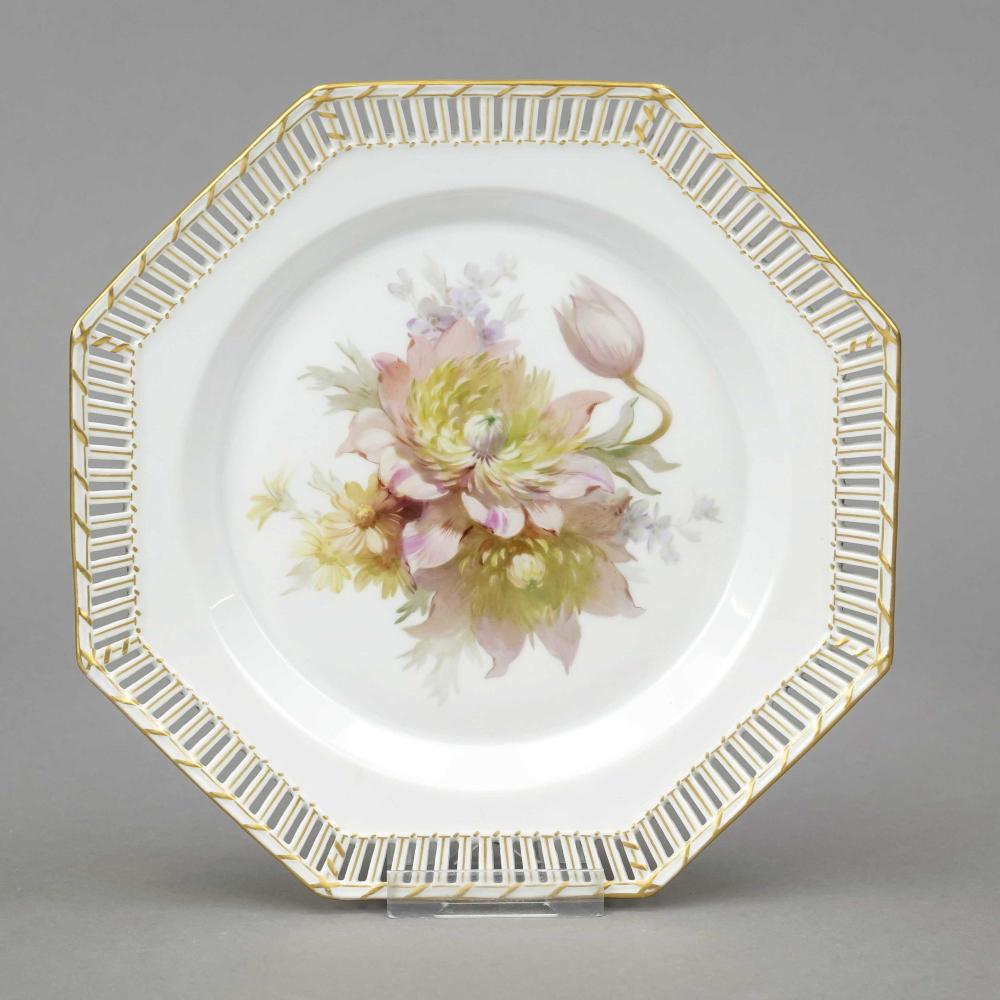 |
ART NOUVEAU DECORATIVE PLATE, KPM BERLI | Historia Auctionata | 2026-01-22 | 2291 | EUR 460 (buyer’s-premium treatment unknown) |
How these auction records were verified
Each row retains its exact source URL, lot identity, retrieval time, access result, and immutable record hash. Inspect the public comparable provenance record.
Disclosure: prices are shown as reported by auction houses and are provided for appraisal context. Learn more in our editorial policy.
References
Choose your next step
Need a faster read? Start with the free instant estimate, then move to a written route only if you need formal valuation records.
Get my free estimateSearch variations this guide helps with
- what photos do i need for decorative plate appraisal
- how to identify maker marks on ceramic plates
- how to tell if decorative plate is part of a series
- does condition affect antique plate value most
- decorative plate cracks versus surface crazing
- what makes one decorative plate more collectible
- plate appraisal checklist before selling online
- free estimate for decorative ceramics before paid appraisal
- how many photos are enough for decorative plate valuation
- is matching series required for decorative plate value
These queries map back to photo quality, marks clarity, series completeness, and condition grading.