Antique Piano Identification Guide
Identify an antique piano by maker, serial number, cabinet style, condition, and mechanism details before estimating value or requesting an appraisal.
Identify an antique piano by maker, serial number, cabinet style, condition, and mechanism details before estimating value or requesting an appraisal.
Note: We couldn’t find enough auction records that directly match Antique Piano Identification Guide to publish a defensible price table. If you are valuing a specific item, include its maker, model, material, photos, and condition so the search can be narrowed.
To help ground this guide in real market activity, here are recent example auction comps from Appraisily’s internal database. These matched sales are market context only, not an object estimate or identification, and they do not guarantee a price for your specific piano.
Shown USD range: USD 100-USD 65,000. Median of these 8 USD examples: USD 712.50.
| Comparable | What sold | Auction house | Date | Lot | Source-reported amount |
|---|---|---|---|---|---|
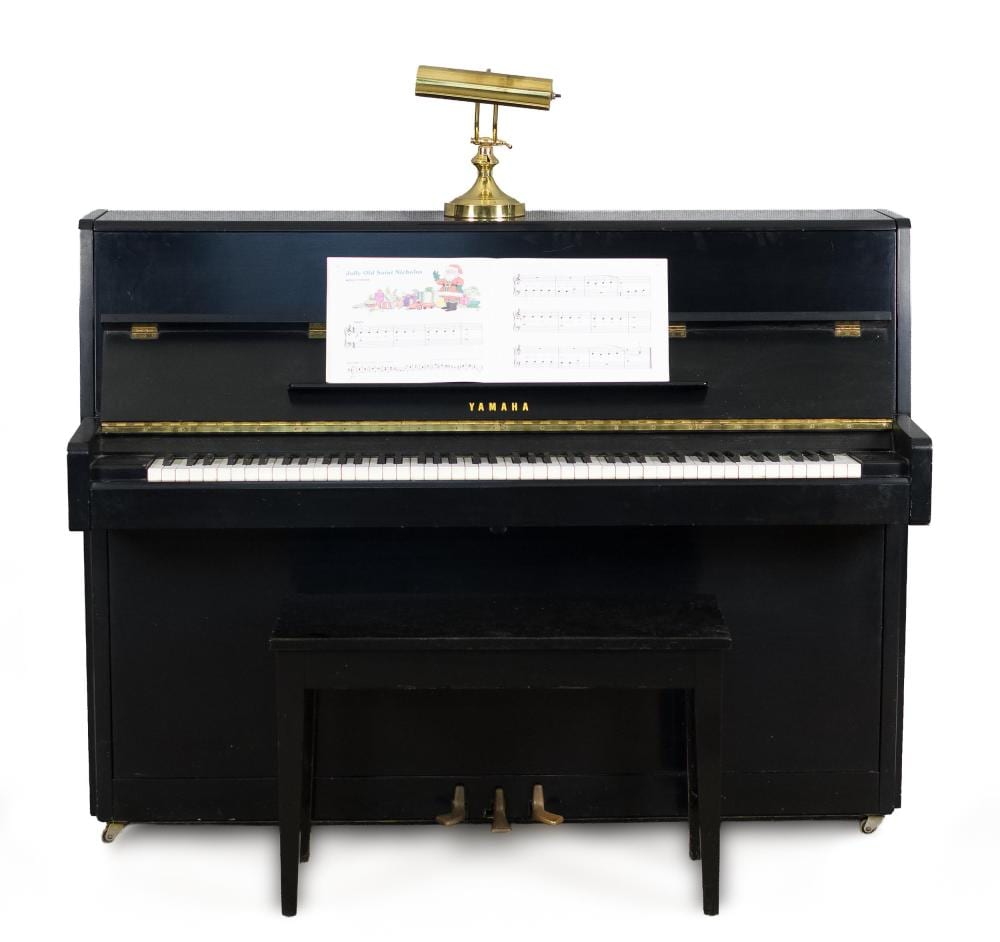 |
YAMAHA UPRIGHT PIANO.Source blocked; provenance matched | William Smith Auctions | 2026-01-28 | 370 | USD 400 (buyer’s-premium treatment unknown) |
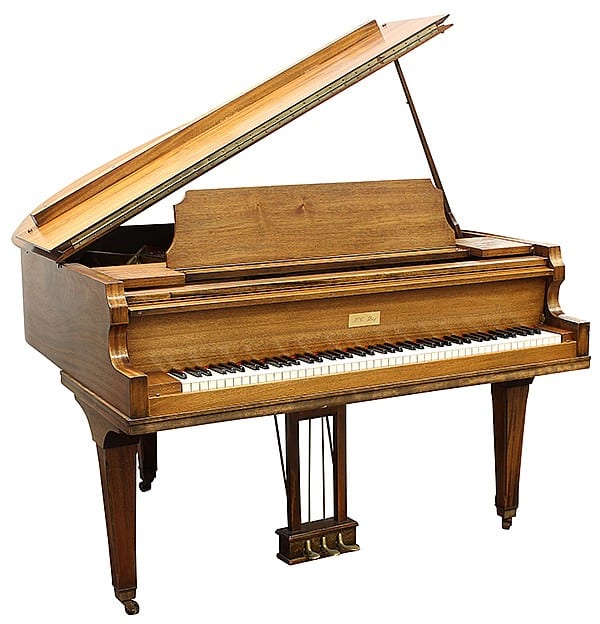 |
H.C Bay baby grand pianoSource blocked; provenance matched | Clars Auctions | 2015-01-18 | 6397 | USD 425 (buyer’s-premium treatment unknown) |
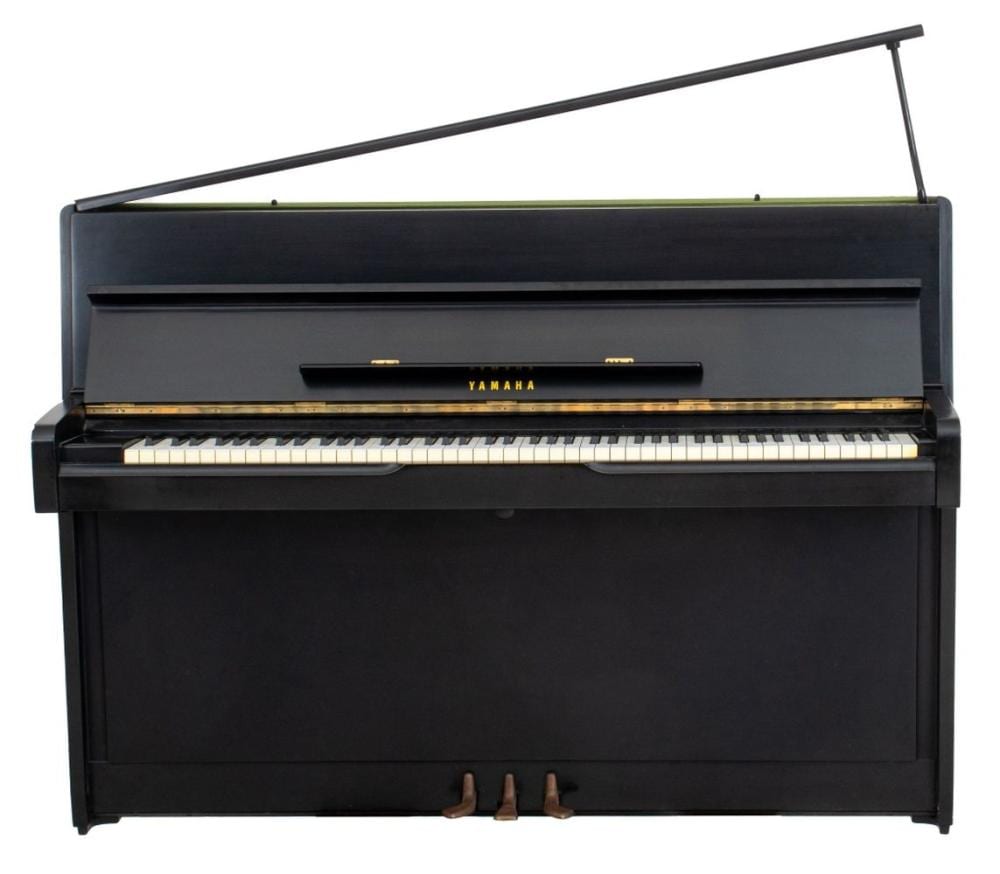 |
Yamaha Upright Piano, 1970sSource blocked; provenance matched | Auctions at Showplace | 2023-11-12 | 307 | USD 1,000 (buyer’s-premium treatment unknown) |
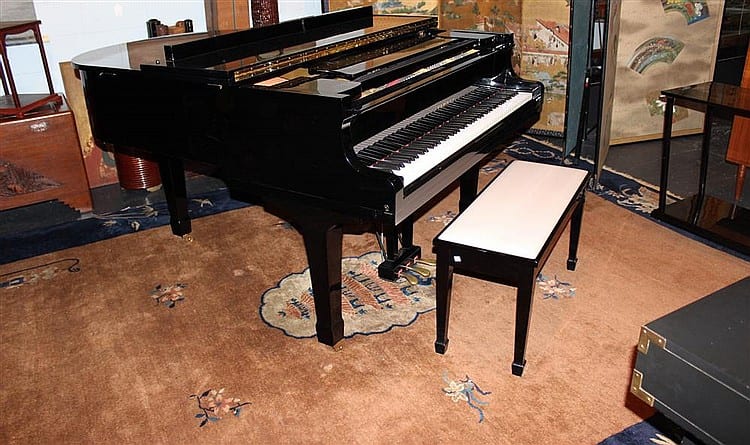 |
YAMAHA POLISHED EBONY G2 MEDIUM GRAND PIANO WITH BENCHSource blocked; provenance matched | Potomack Company | 2015-01-24 | 564 | USD 4,250 (buyer’s-premium treatment unknown) |
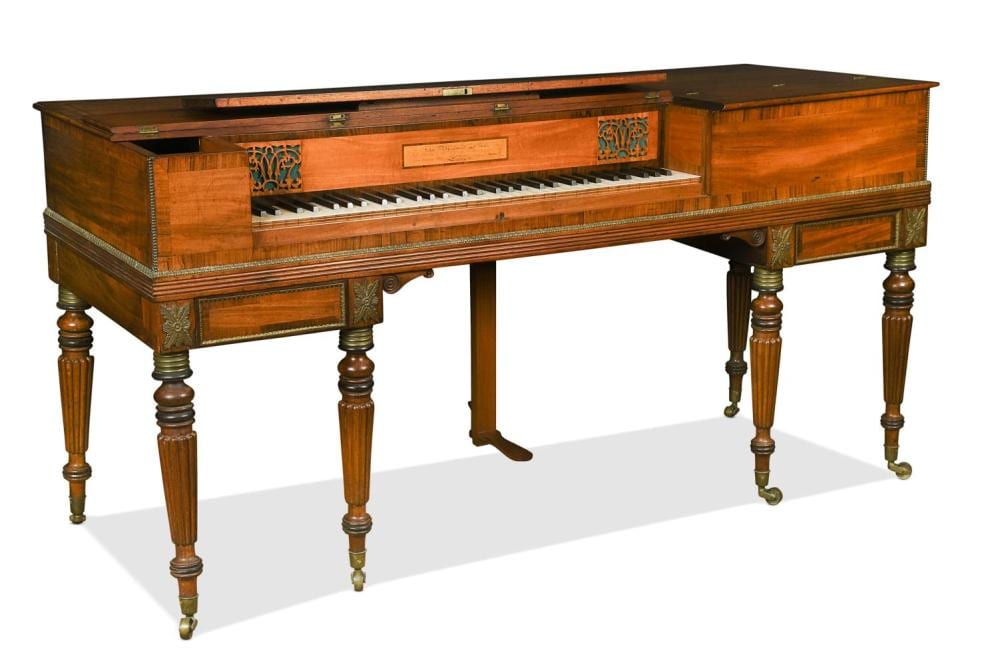 |
A late George III mahogany square piano, circa 1813,Source blocked; provenance matched | Cheffins | 2025-12-04 | 678 | GBP 1,000 (buyer’s-premium treatment unknown) |
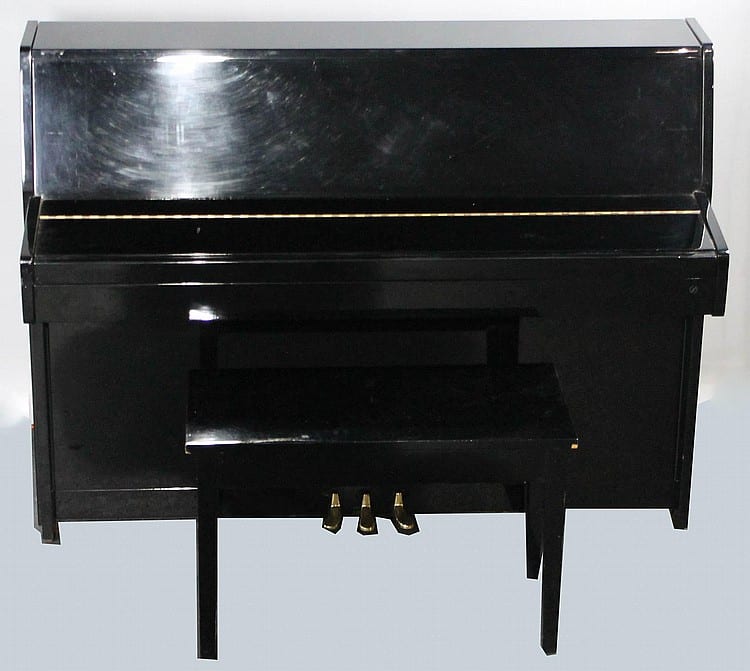 |
KAWAI EBONIZED UPRIGHT PIANO WITH STOOLSource blocked; provenance matched | Potomack Company | 2015-01-27 | 1239 | USD 425 (buyer’s-premium treatment unknown) |
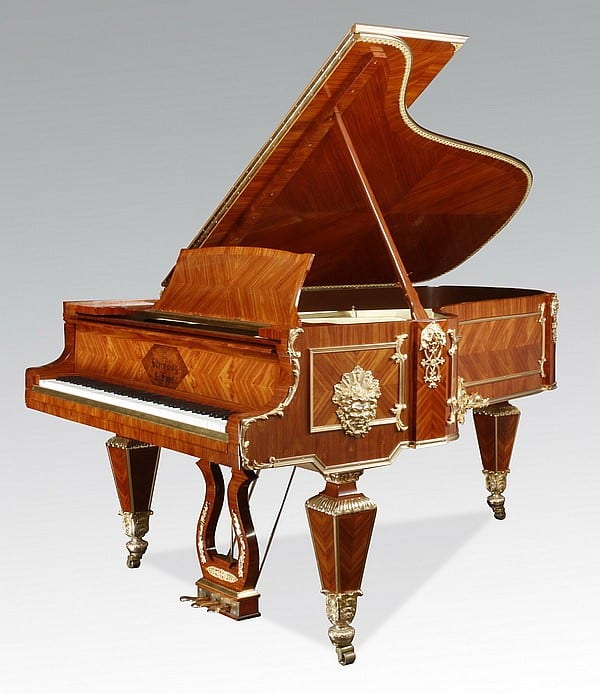 |
Steinway & Sons art cased grand pianoSource blocked; provenance matched | Great Gatsby's Auction Gallery, Inc. | 2015-02-08 | 480 | USD 65,000 (buyer’s-premium treatment unknown) |
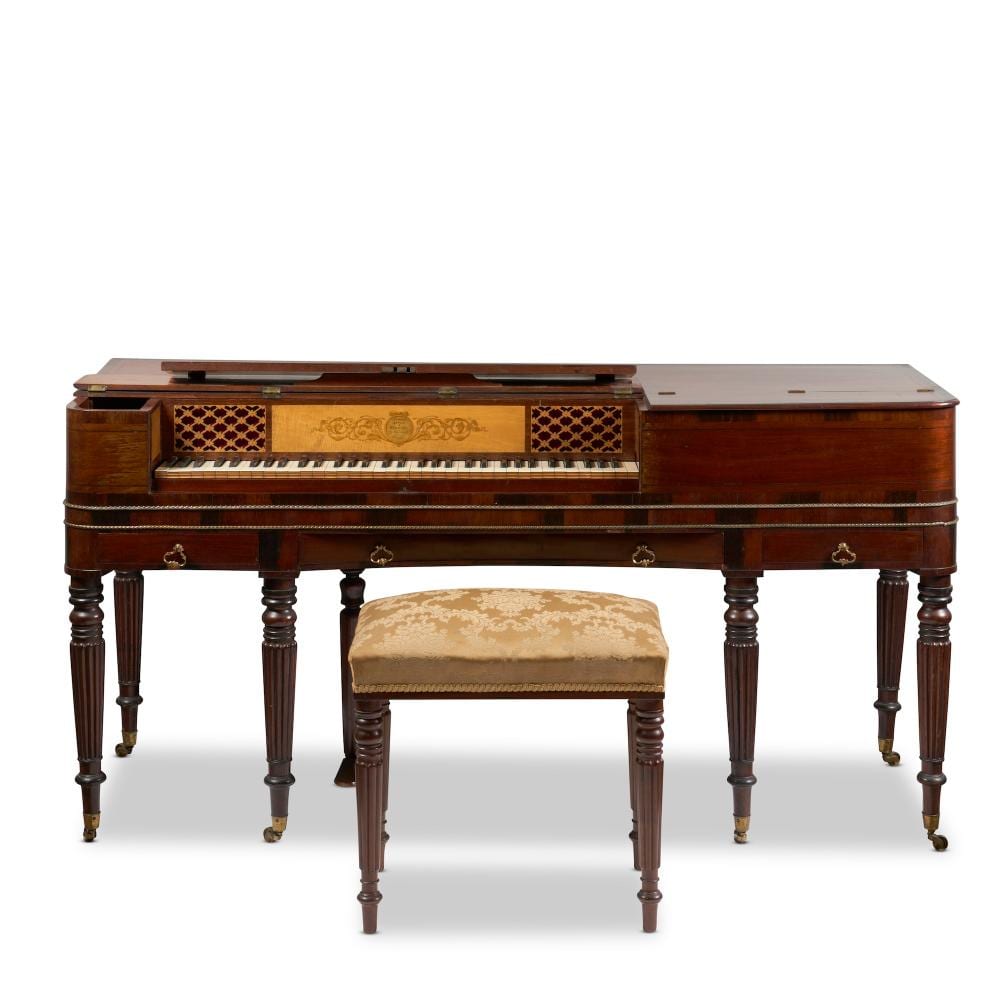 |
A GEORGE IV MAHOGANY-CASED SQUARE PIANO Astor & Horwood, London, circa 1820Source blocked; provenance matched | Leonard Joel | 2026-03-30 | 190 | AUD 3,000 (buyer’s-premium treatment unknown) |
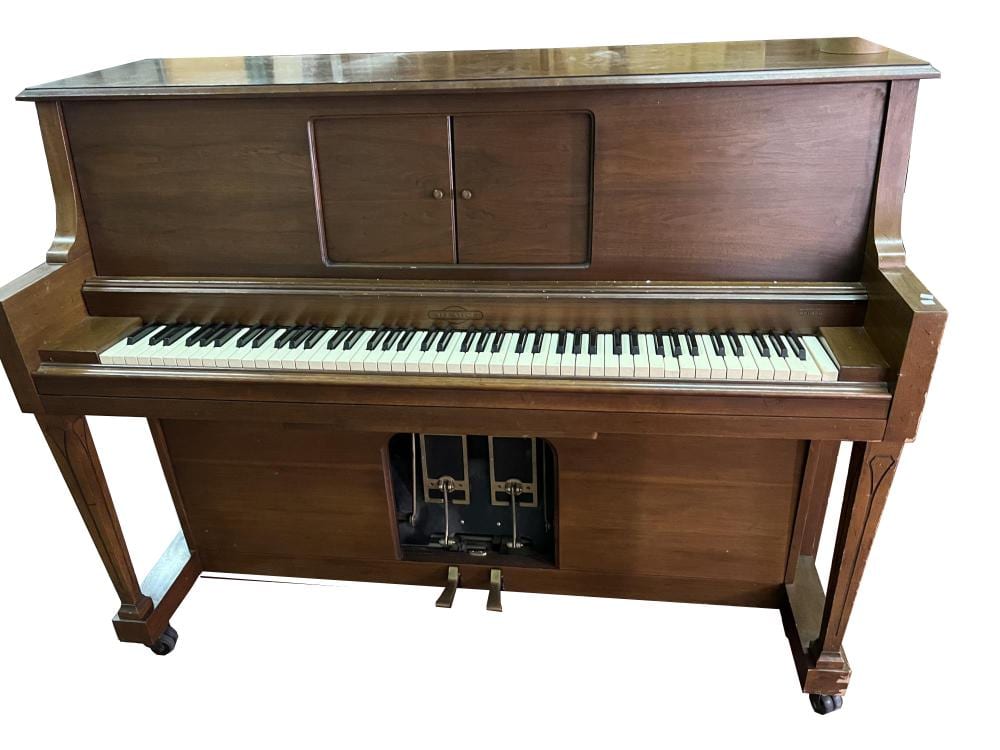 |
VINTAGE THE STING UPRIGHT PIANOSource blocked; provenance matched | Lewis & Maese Antiques & Auctions | 2023-09-17 | 80 | USD 100 (buyer’s-premium treatment unknown) |
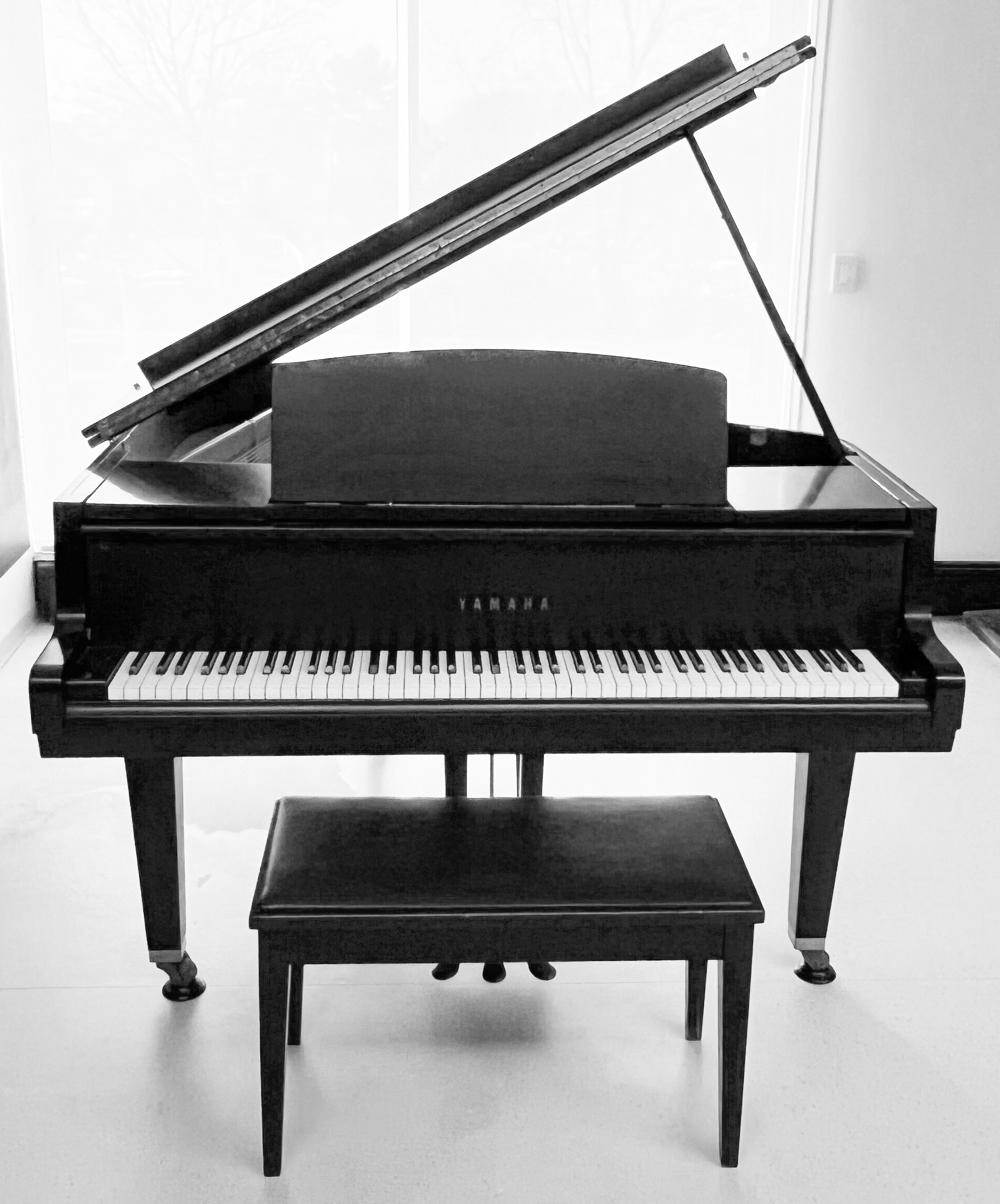 |
1970'S YAMAHA G1 GRAND PIANOSource blocked; provenance matched | Westport Auction | 2023-05-16 | 25 | USD 2,000 (buyer’s-premium treatment unknown) |
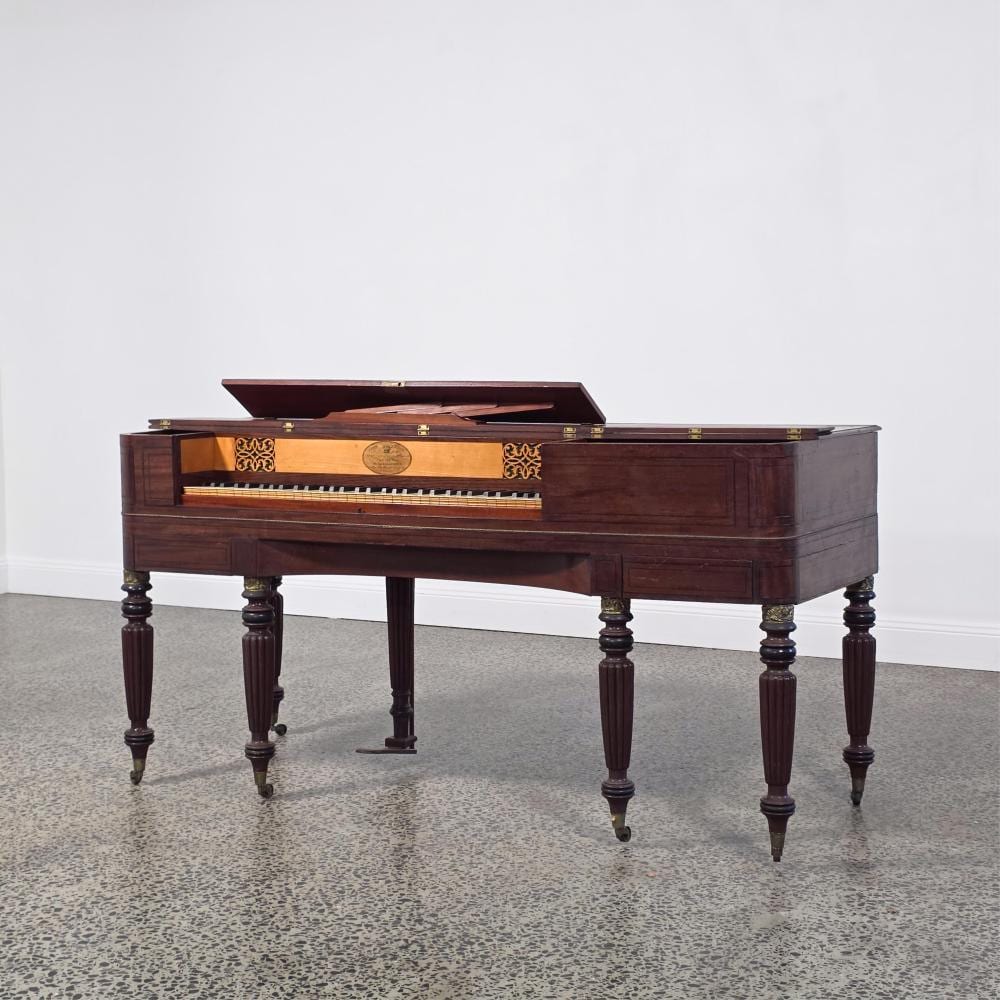 |
Late Georgian mahogany square piano on reeded legs, John Price London (87 x 168 x65 cm)Source blocked; provenance matched | Lawsons | 2026-05-14 | 1037 | AUD 1,100 (buyer’s-premium treatment unknown) |
Each row retains its exact source URL, lot identity, retrieval time, access result, and immutable record hash. Live source access was blocked; the exact record matched Appraisily's immutable pipeline provenance. Inspect the public comparable provenance record.
Disclosure: prices are shown as reported by auction houses and are provided for appraisal context. Learn more in our editorial policy.
Free instant estimate
Upload a photo, tell us what you know, and get a free first read. If a full appraisal makes sense, we will say so.
Free. No card needed. Takes about two minutes.

Grand pianos are horizontal with the strings extending away from the keyboard. They range from baby grands (around 5 feet long) to concert grands (9 feet or longer). Antique grands often feature ornate legs, detailed carvings, and may have been made with exotic woods.
Upright pianos stand vertically with the strings running perpendicular to the floor. Antique uprights are often categorized as:
Older upright pianos frequently showcase Victorian-era decorative elements, including carved panels, candle holders, and ornate music desks.
Popular during the 19th century (1830-1890s), square grand pianos have a rectangular shape and were common in American homes before upright pianos became popular. They’re increasingly rare today and can be valuable collector’s items.
These self-playing instruments use pneumatic or electro-mechanical mechanisms to control the piano action via pre-programmed music recorded on perforated paper rolls. The most common type is the “pianola” or “push-up player,” which became popular in the early 1900s.
The location of the serial number varies depending on the type of piano:
Upright Pianos: Look inside the top of the piano case. Open the top lid and look on the cast iron plate or wooden frame near the tuning pins. Sometimes the number is on the back of the piano near the top.
Grand Pianos: The serial number is typically found on the cast iron plate near the tuning pins when you lift the lid. Sometimes it’s stamped on the wooden frame as well.
Square Grand Pianos: Look under the keyboard or on the cast iron plate when you remove the action.
Once you’ve located the serial number, you can use various resources to determine when your piano was manufactured:
Online databases: Websites like the Bluebook of Pianos provide serial number charts for many piano brands.
Piano technician associations: Organizations like the Piano Technicians Guild maintain historical records.
Manufacturer websites: Many piano manufacturers that are still in business maintain archives of their serial numbers.
Be aware that some pianos have multiple numbers inside them. Not all numbers are serial numbers—some might be part of numbers, patent numbers, or model numbers. The serial number is typically 5-9 digits and may be preceded by a letter.
The manufacturer’s name can typically be found in these locations:
Fallboard (the hinged cover that protects the keys): Most pianos have the maker’s name prominently displayed here.
Cast iron plate: Many manufacturers cast their names into the metal plate visible when you open the top of the piano.
Soundboard: Some pianos have a manufacturer’s decal or stamp on the wooden soundboard.
Action parts: Occasionally, maker marks appear on the wooden action components inside the piano.
Certain manufacturers are particularly notable for their antique pianos:
Steinway & Sons: Founded in 1853, Steinway is considered one of the most prestigious piano makers. Their antique models are highly sought after.
Chickering: America’s oldest piano manufacturer (1823), known for quality craftsmanship and innovations.
Bechstein: German manufacturer founded in 1853, known for exceptional European craftsmanship.
Baldwin: American company founded in 1862, became one of the largest piano manufacturers.
Mason & Hamlin: Established in 1854, known for high-quality, hand-crafted pianos.
Knabe: Founded in 1839, became the official piano of the Metropolitan Opera.
Many lesser-known manufacturers also produced pianos, particularly during the piano manufacturing boom of the late 19th and early 20th centuries. Some were excellent instruments, while others were budget models of lower quality.
Early pianos evolve from harpsichords; limited production mostly by individual craftsmen.
Piano manufacturing begins to industrialize with companies like Broadwood, Bösendorfer, and Chickering.
The piano industry booms with major manufacturers established (Steinway, Bechstein, Baldwin). Square grand pianos give way to uprights.
Popularity of player pianos surges; mass production techniques refined.
Depression and WWII impact production; transitional period to modern manufacturing techniques.
Different eras of piano manufacturing had distinctive construction techniques:
Keyboard Range: Earlier pianos (pre-1880s) often had fewer than 88 keys. A 7-octave keyboard with 85 keys was common in the mid-19th century.
Pedals: The number and type of pedals can indicate age:
Strings and Plate:
Case Design and Materials:
Decorative elements followed the prevailing furniture styles of their era:
Victorian (1837-1901): Highly ornate with carved legs, music desks, and fretwork. Often featured candle holders.
Art Nouveau (1890-1910): Flowing, organic designs with curved lines and nature motifs.
Arts and Crafts/Mission (1895-1920): Simpler, rectilinear designs with emphasis on visible construction.
Art Deco (1920s-30s): Geometric patterns, bold colors, and streamlined forms.
Look for additional clues inside the piano:
Tuner’s Marks: Piano tuners often wrote the date of service inside the piano, providing a minimum age.
Exhibition Medals: Pianos made in the late 19th/early 20th centuries often displayed decals showing medals won at industrial exhibitions, which can help narrow down manufacturing dates.
Patent Dates: Look for patent dates on action components, which provide a “no earlier than” date.
Part Labels: Some internal parts might have dates or codes that piano historians can interpret.
Case Integrity: Check for structural soundness, including:
Finish Condition: Assess the original finish:
Decorative Elements: Examine carved details, inlays, and hardware:
Keyboard and Action:
Soundboard and Strings:
Frame and Structure:
Check applicable items to assess your piano's condition
When evaluating an antique piano, consider both its current condition and restoration potential:
Restoration vs. Value: Sometimes extensive restoration can decrease collector value, particularly for rare or historically significant instruments.
Playability vs. Authenticity: Decisions about modernizing parts (like replacing ivory keys with plastic) can affect historical authenticity.
Restoration Costs: Some restorations can exceed the piano’s market value—a professional assessment is often worthwhile before investing in restoration.
Manufacturer Prestige: Pianos from renowned makers like Steinway, Bösendorfer, and Bechstein typically command higher values than lesser-known brands.
Age and Rarity: Generally, pianos manufactured before 1900 are considered more collectible, with rare models or those with unique features commanding premiums.
Condition: Original, well-preserved instruments in playing condition are most valuable. Extensive damage or poor restoration work significantly reduces value.
Historical Significance: Instruments owned by famous musicians, featured in historical events, or representing significant innovations hold special value.
Aesthetic Appeal: Highly decorative cases with intricate carvings, inlays, or unusual woods can increase collectible value.
General market value estimates for antique pianos in good condition
It’s important to understand some realities of the antique piano market:
Limited Demand: The market for antique pianos is relatively specialized, with fewer buyers than sellers in many regions.
Size and Moving Challenges: The significant weight and size of pianos make them expensive to transport and difficult to place in modern homes.
Restoration Economics: Full restoration can cost $10,000-$25,000+ for a grand piano, often exceeding the instrument’s post-restoration value.
Sentimental vs. Market Value: Many antique pianos hold greater sentimental than financial value, particularly average-quality uprights from the early 20th century.
Regional Variations: Market values can vary significantly by geographical region, with metropolitan areas generally supporting higher prices.
Humidity and Temperature Control:
Placement in Home:
Protective Measures:
Tuning:
Cleaning:
Professional Servicing:
When considering restoration for an antique piano, weigh these approaches:
Conservation: Minimally invasive approach focusing on preserving original materials and stabilizing condition.
Restoration: Returning the piano to playable condition while respecting historical accuracy.
Rebuilding: More extensive work that may involve replacing components to improve playability.
Modernization: Updating an antique piano with modern components (generally reduces collectible value).
For historically significant instruments, consult with conservators specializing in musical instruments before proceeding with any restoration.
Several online resources can help with piano identification and dating:
Piano Serial Number Databases:
Historical Resources:
Forums and Discussion Groups:
When self-research reaches its limits, these professionals can provide expert assistance:
Piano Technicians: Registered Piano Technicians (RPTs) often have experience with antique instruments.
Piano Appraisers: Specialists who can provide formal valuations for insurance or sale purposes.
Antique Musical Instrument Dealers: Often have expertise in valuing and identifying rare pianos.
Museum Curators: Curators at music or historical museums sometimes offer identification assistance for unusual instruments.
Visual reference guide for identifying different styles of antique pianos with detailed descriptions and approximate dating information.
Comprehensive database of piano serial numbers organized by manufacturer to help determine the age of your instrument.
Information about dating pianos using internal date marks, stamps, and other historical clues beyond serial numbers.
Free piano serial number lookup tool to find the age and manufacturing history of your piano.
Active community of piano enthusiasts and professionals who can help identify unusual or rare antique pianos.
Database that allows you to check production years for various piano brands using serial numbers.
Reality: Age alone doesn’t guarantee value. Most pianos built between 1900-1930 were mass-produced instruments with limited collector appeal today. Only exceptional examples, rare models, or those from prestigious makers typically have significant monetary value.
Reality: Pianos that haven’t been regularly maintained often need extensive work beyond tuning. Issues like cracked soundboards, worn actions, loose tuning pins, and deteriorated strings typically require comprehensive restoration, not just tuning.
Reality: For truly antique pianos, original finishes (even with some wear) are typically preferred by collectors. Refinishing can actually decrease value, particularly if not done by specialists with knowledge of historical finishes.
Reality: While original ivory keys can enhance authenticity, they don’t automatically make a piano valuable. Additionally, restrictions on ivory sales in many countries can complicate the resale of pianos with ivory keys.
Reality: Some structural issues or design limitations cannot be overcome through restoration. Not all antique pianos are candidates for successful restoration, and the cost of restoration often exceeds the resulting value.
The journey of identifying and evaluating an antique piano often leads to fascinating discoveries about craftsmanship, musical innovation, and even family history. By taking the time to research your instrument’s background, you contribute to the preservation of piano heritage and gain a deeper appreciation for these remarkable instruments.
If your research reveals that your piano has significant historical or monetary value, consider consulting with specialists in antique instrument conservation to ensure proper maintenance and preservation. For pianos of more modest value but personal significance, regular maintenance and appropriate environmental conditions will help maintain both playability and appearance for years to come.
Remember that even pianos without substantial monetary value can still bring joy through their music, craftsmanship, and the stories they carry. Each antique piano has a unique history worth exploring and preserving.
Use the path that matches the decision you need to make about the item.
Start with a lower-friction screen to understand the likely category, evidence, and next step.
Upload photos for a free first lookSee how a signed report documents photos, comparable evidence, condition notes, and value conclusions.
View signed report sampleUse this for insurance, estate, donation, resale, or documented value decisions.
Need documentation now? Start signed appraisalCompare directory options when the work needs in-person review or a specialist near you.
Find local specialistsSample reports show how photos, comparable evidence, condition notes, and a value conclusion are documented.
Unsure about your item’s value? Our certified experts provide fast, written appraisals you can trust.
No obligation. Secure upload.
Continue your valuation journey
Compare antique and art appraisers by location and specialty in one directory.
Antique & art specialists
Choose a local specialist when the assignment needs in-person inspection or a specific credential.
Use these machine-friendly references for AI and crawler discovery of Appraisily content.
Ready for pricing guidance?
Start a secure online appraisal
Upload images and details. Certified specialists respond within 24 hours.
Upload photos for a free first look View signed report sample