Antique Furniture vs Reproductions How to Tell the Difference Before You Pay Too Much: appraisal and value basics
Antique Furniture vs Reproductions How to Tell the Difference Before You Pay Too Much research should start with identification, condition, provenance, and item-specific market evidence. Use this guide to compare the signals that matter before paying for a formal appraisal or deciding whether to sell.
Quick answer
If you only remember one thing, remember this: antique furniture earns its premium from age, hand construction, and honest wear that all point to the same story. Reproductions can copy the silhouette, but they usually give themselves away in the underside, the hardware, the finish, or the way the wear repeats too neatly.
That means a good first pass is simple: open the drawers, inspect the screws, look under the top, and compare the finish in hidden spots with the high-touch edges. If those clues tell different stories, the piece needs a closer look before you pay antique money for it.
Quick comparison: antique vs reproduction
This is a fast sorting tool, not a final verdict. Restoration, replaced hardware, and mixed parts can blur the line.
| Clue | Antique furniture | Reproduction furniture |
|---|---|---|
| Joinery | Hand-cut joints usually show slight variation, tool marks, and small asymmetries. | Machine-cut or template-based joints are often cleaner, more repeatable, and more uniform. |
| Hardware | Slotted screws, worn slots, oxidation, and age-consistent replacement pieces may appear. | Phillips heads, bright fasteners, and standardized fittings are common warning signs. |
| Finish | Finish wear usually follows touch points, edges, and secondary surfaces in a believable way. | Artificial distress can look decorative rather than functional, with repeatable scuffing. |
| Underside / back | Dust shadows, old fasteners, and uneven aging often match the rest of the piece. | Fresh undersides, modern staples, and smooth new surfaces often break the age story. |
| Value behavior | Documented age and original surfaces can lift value, especially in strong forms and good condition. | Reproductions can still sell well, but prices usually track brand, style demand, and completeness. |
Market evidence (examples)
These sold results show why antique furniture and good reproductions can overlap in price while still telling very different stories.
Two-step intake
Share your piece with a specialist before you overpay
If the difference between antique and reproduction changes the value by hundreds or thousands, send us the photos and a few details. We route the request to the right appraisal path and keep the next steps simple.
Start furniture appraisalSecure intake. Routed to the right specialist. Checkout only if you decide to proceed.
How to tell them apart before you buy
The fastest way to avoid an expensive mistake is to read the furniture like a system, not a single clue. Antique pieces should feel internally consistent: the joinery, the fasteners, the wear, and the surface history should all belong to the same era. When one part looks old and another part looks factory fresh, the whole story needs rechecking.
1. Start with the underside and the drawers
Open every drawer, lift the top when the construction allows, and look where most sellers do not bother to polish. Hand-cut dovetails usually vary a little from corner to corner, while machine-cut dovetails repeat like a pattern. Neither clue is perfect by itself, but a reproduction often feels over-precise in the places where an antique should feel handmade.
Then look at the screws and the way they sit in the wood. Slotted screws with age-darkened slots and softened edges can support an older date, but bright Phillips heads or modern plated hardware can be a direct mismatch. The same is true for staples, clips, or glue residue that looks too fresh for the piece’s claimed age.
2. Read the finish instead of just the color
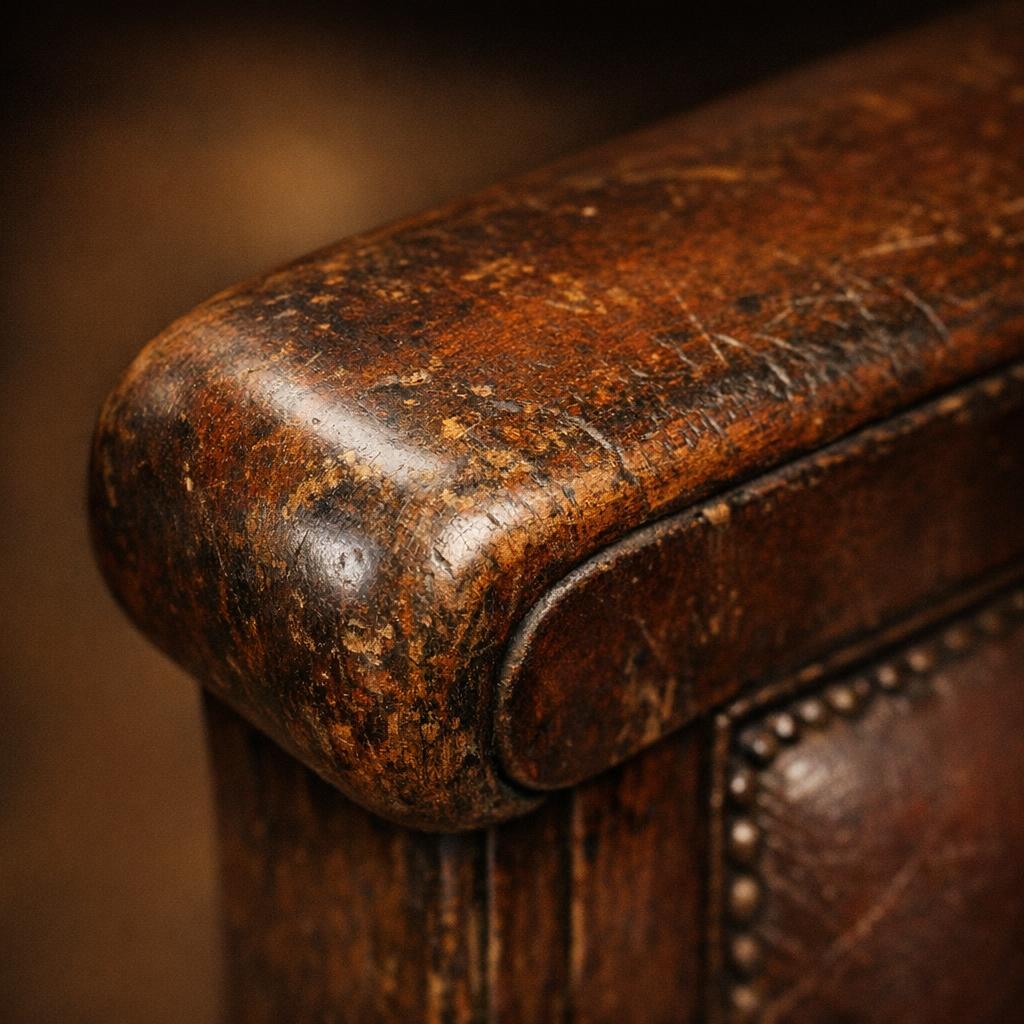
Old finishes wear in a way that makes sense. Touch points soften first, edges go lighter or more burnished, and the recesses hold dust or darkness longer than the high points. Reproduction furniture often copies the color of age without copying the logic of age, so the distress looks repeated or theatrical rather than functional.
That is why a patina test should always include hidden areas. Compare the drawer runners, the back edge, the underside of a skirt, and the lower legs. If the visible surfaces look old but the hidden ones look too new—or if every edge is scuffed in exactly the same way—the finish story may be staged.
3. Check marks, labels, and construction language together
Maker labels matter, but only when they agree with the furniture around them. A Baker or Kittinger label can be a helpful clue for a reproduction line, just as a retailer stamp or old shop label can support an antique. Still, a label alone is not enough. Ask whether the paper, the glue, and the wear around the label look like the rest of the piece.
When labels are absent, the wood itself has to speak. Antique case furniture often uses secondary woods, hand-planed surfaces, and minor dimensional irregularities that modern factory furniture smooths away. If the inside feels too precise, too clean, and too interchangeable, step back and assume later manufacture until the rest of the evidence proves otherwise.
4. Remember that good reproductions can still be worth owning
Some reproduced lines are genuinely collectible. Baker Historic Charleston, for example, is a respected name because the style is strong and the quality is usually good. That is why a Baker secretary at a value that must be established from current, topic-matched sales and a Baker chair set at a value that must be established from current, topic-matched sales are not surprising outcomes. They are not antiques, but they are not throwaway furniture either. The market rewards the style, the size, and the convenience.
The lesson for buyers is simple: do not confuse age with quality, and do not assume a reproduction is worthless. What matters is whether you are paying an antique premium for a reproduction, or whether you are buying a good reproduction at a fair decorator price.
Evidence gallery: the details that matter most
These single-subject close-ups are the quickest way to compare antique logic against factory logic. Use them as a visual checklist while you inspect the real piece.
What changes value most
Value shifts when the furniture is more specific, more complete, and more believable. A broad “antique furniture” label is rarely enough. Buyers pay up for a recognized maker or line, a desirable form, a useful scale, and condition that has not been over-restored. They also pay less when a piece is too large for modern homes, too altered to trust, or too ordinary to stand out in a crowded market.
- Maker and line: known reproductions can still trade strongly when the brand is respected.
- Original surfaces: untouched or lightly cleaned finish often beats a stripped or over-polished surface.
- Scale and usefulness: a good dining set or sideboard may outperform an odd-size piece.
- Completeness: matching chairs, correct pulls, and the right feet or finials matter.
- Condition: honest wear is fine; structural problems and crude repairs are not.
Look again at the sold market evidence: Baker reproduction furniture ranges from a value that must be established from current, topic-matched sales to a value that must be established from current, topic-matched sales in this sample, while genuine antiques in similar silhouettes land at a value that must be established from current, topic-matched sales, a value that must be established from current, topic-matched sales, and a value that must be established from current, topic-matched sales. That spread is the whole point. The antique label is only valuable when the construction and surface history support it.
When the price gap between antique and reproduction matters to your wallet, an appraisal is the safest next step. That is especially true for estates, insurance schedules, and private purchases where the seller’s description is doing too much of the work. If the piece could swing from a few hundred dollars to four figures, the cost of certainty is usually worth it.
When to call for a clarifying appraisal
If the furniture is expensive enough that being wrong would sting, do not guess. Call for a clarifying appraisal when the piece will be insured, divided in an estate, sold through a dealer, or used as the anchor purchase in a room. A short, evidence-based opinion can tell you whether the piece is antique, reproduction, or a later marriage of both.
That is the value of a good appraisal here: it turns a vague yes-or-no question into a practical buying decision. You do not just learn what the furniture is; you learn whether the price matches the story.
Search variations readers ask
These are the questions people usually mean when they search for this topic.
- How can I tell antique furniture from a reproduction fast?
- What hardware gives away a reproduction chair or table?
- Are machine-cut dovetails always a reproduction sign?
- Does a slotted screw prove my furniture is antique?
- How do I check patina without damaging old furniture?
- What does a maker's label tell me about age and value?
- Can a repaired antique still be worth buying?
- When should I pay for a furniture appraisal before purchase?
Each question is answered in the guidance above.
References & data sources
- Appraisily editorial policy: /editorial-policy/
- Appraisily Antique Furniture category: /categories/antique-furniture/
- Market evidence cited above were sourced from Appraisily internal auction results and the copied thumbnails in
/articles/antique-furniture-vs-reproductions-how-to-tell-the-difference-before-you-pay-too-much/auctions/. - Use the furniture appraisal start page for a clarifying review: https://appraisily.com/start
How We Research Valuation Data
Our appraisal guides are based on auction results, dealer pricing data, and professional appraiser insights. We may earn a commission when you use our free professional appraisal service. Learn about our editorial standards.
Note: We couldn’t find enough auction records that directly match Antique Furniture vs Reproductions: Wood, Joinery, Hardware, Finish, Wear, Labels and Construction Clues to publish a defensible price table. If you are valuing a specific item, include its maker, model, material, photos, and condition so the search can be narrowed.
What similar items actually sold for
To help ground this guide in real market activity, here are recent example auction comps from Appraisily’s internal database. These matched sales are market context only, not an object estimate or identification, and they do not guarantee a price for your specific antique furniture vs reproductions how to tell the.
Shown USD range: USD 300-USD 1,600. Median of these 5 USD examples: USD 375.
| Comparable | What sold | Auction house | Date | Lot | Source-reported amount |
|---|---|---|---|---|---|
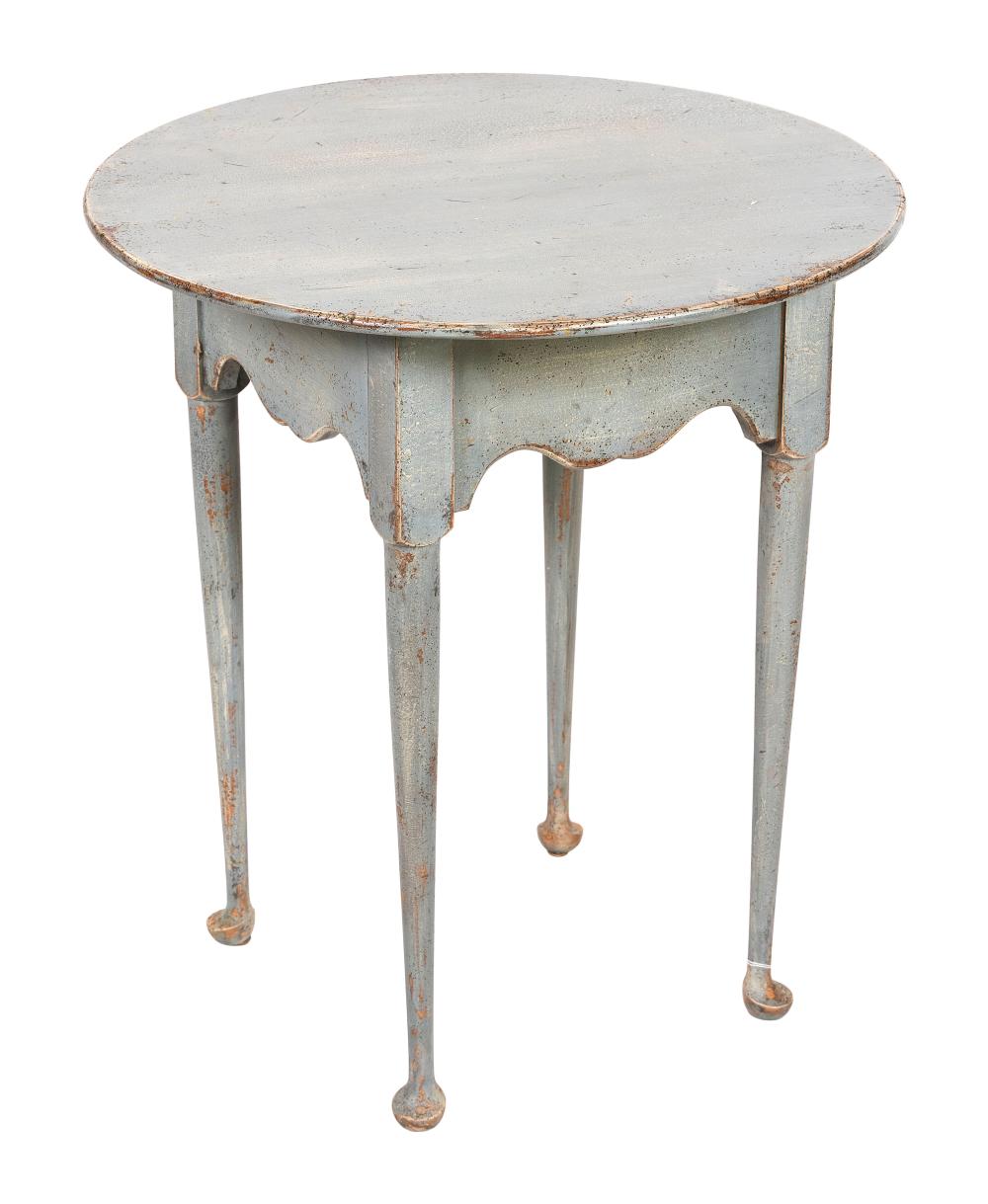 |
HABERSHAM FURNITURE ANTIQUE REPRODUCTION TAVERN TABLE 20th Century Height 27". Diameter 24". | Eldred's | 2026-01-29 | 4243 | USD 300 (buyer’s-premium treatment unknown) |
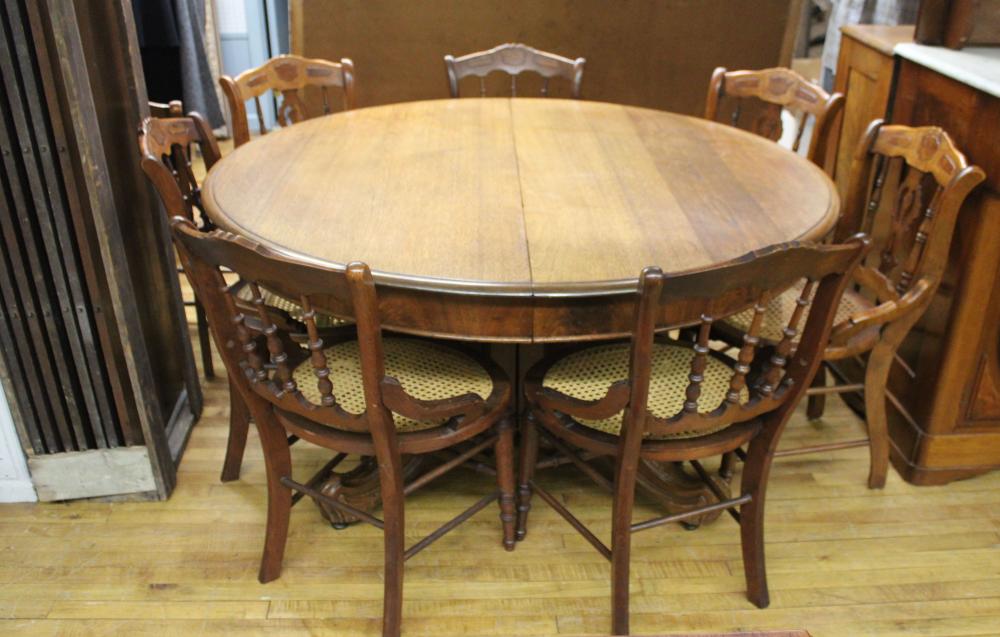 |
Furniture: antique Victorian walnut dining extension table & | Roan Inc. Auctioneers & Appraisers | 2022-12-17 | 465 | USD 325 (buyer’s-premium treatment unknown) |
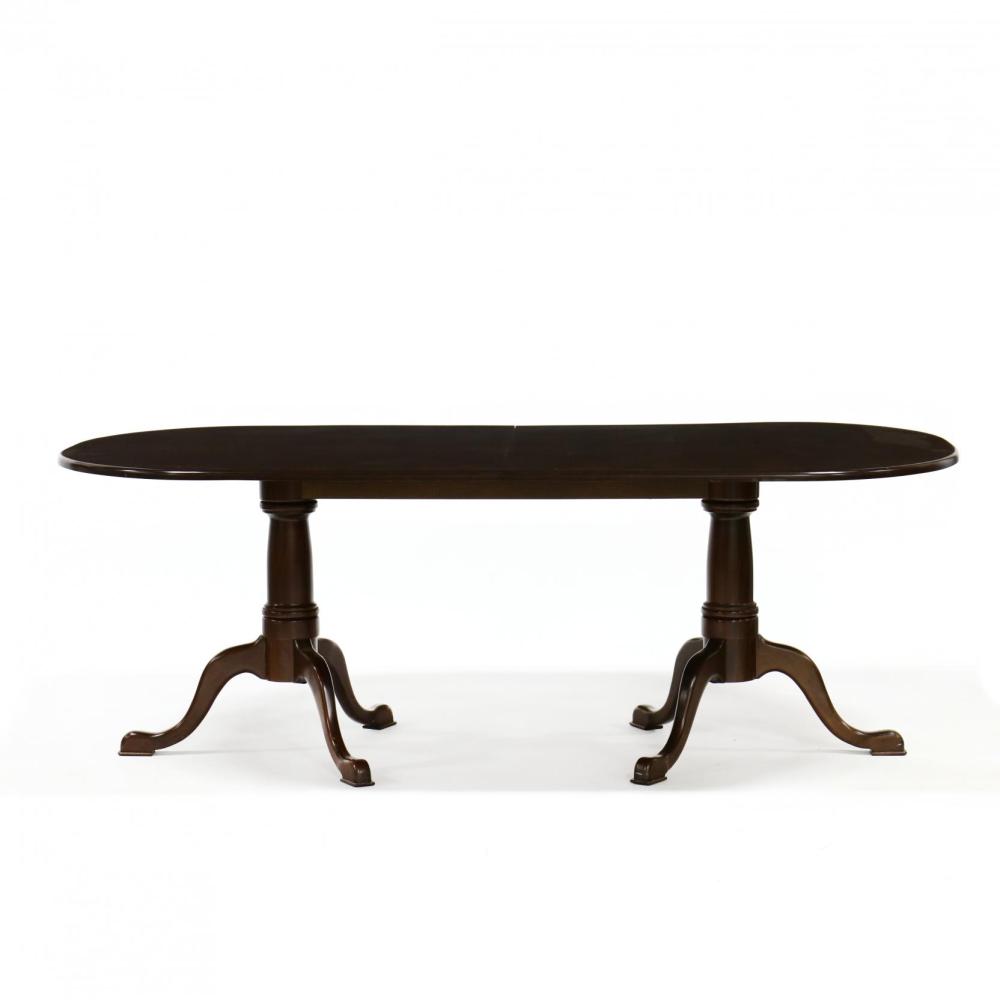 |
Howerton Antique Furniture Co., Queen Anne Style Double Pedestal Mahogany Dining Table | Leland Little Auctions | 2019-10-12 | 661 | USD 375 (buyer’s-premium treatment unknown) |
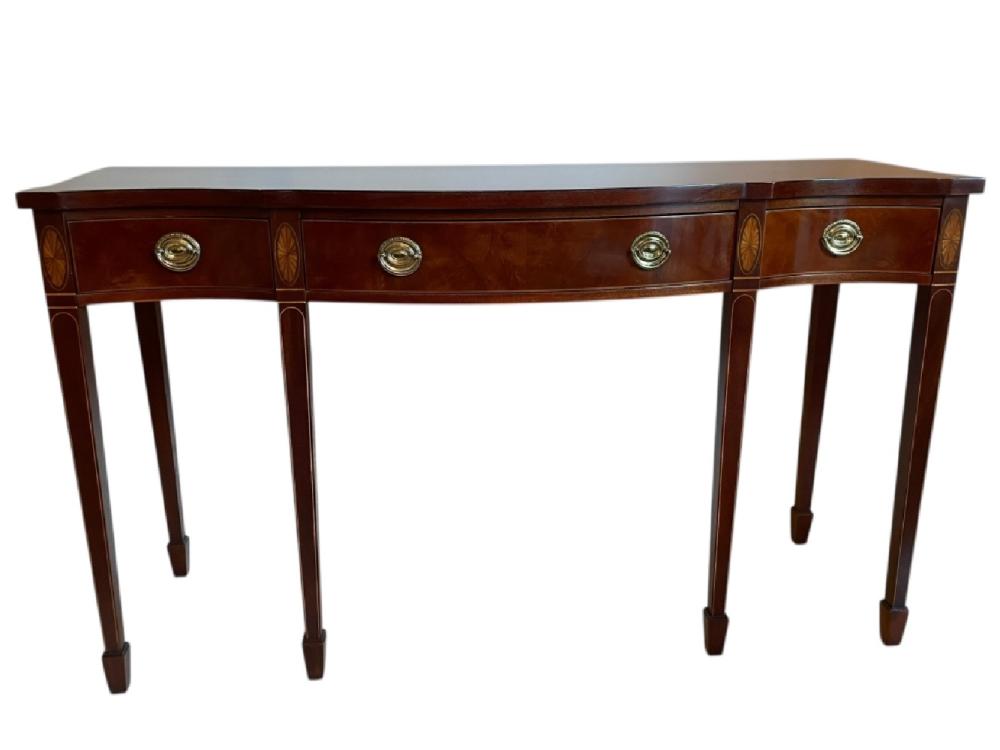 |
BAKER FURNITURE HISTORIC CHARLESTON CONSOLE TABLE | DejaVu Estate Sales & Auctions | 2025-10-09 | 512A | USD 800 (buyer’s-premium treatment unknown) |
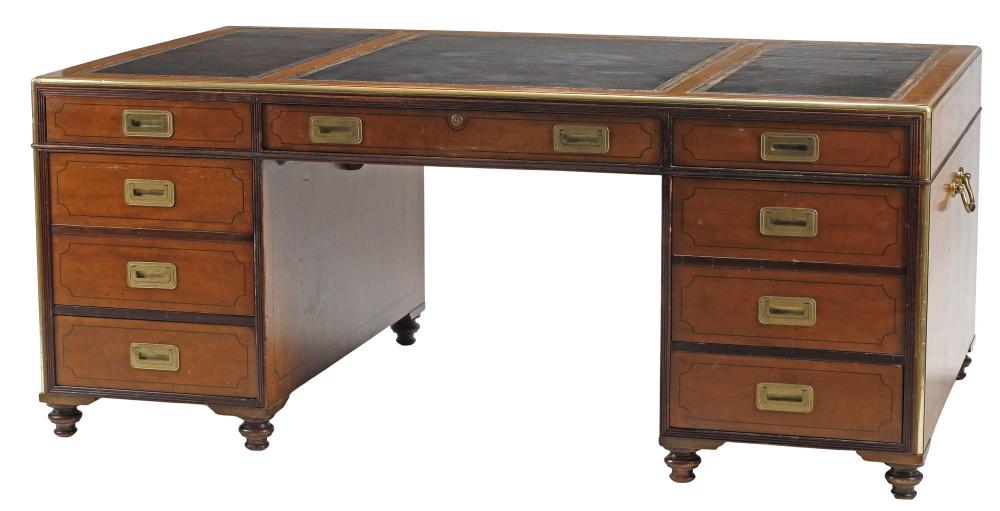 |
LARGE BAKER FURNITURE BRASS-BOUND LEATHER-TOP PARTNER'S DESK | Austin Auction Gallery | 2026-02-22 | 3337 | USD 1,600 (buyer’s-premium treatment unknown) |
How these auction records were verified
Each row retains its exact source URL, lot identity, retrieval time, access result, and immutable record hash. Inspect the public comparable provenance record.
Disclosure: prices are shown as reported by auction houses and are provided for appraisal context. Learn more in our editorial policy.
Choose your next step
Use the path that matches the decision you need to make about the item.
Not sure it is worth appraising?
Start with a lower-friction screen to understand the likely category, evidence, and next step.
Upload photos for a free first lookWant proof before paying?
See how a signed report documents photos, comparable evidence, condition notes, and value conclusions.
View signed report sampleNeed a signed report?
Use this for insurance, estate, donation, resale, or documented value decisions.
Need documentation now? Start signed appraisalNeed local or specialist help?
Compare directory options when the work needs in-person review or a specialist near you.
Find local specialistsSee what the report looks like
Sample reports show how photos, comparable evidence, condition notes, and a value conclusion are documented.
Need a clarifying appraisal before you buy?
If the distinction between antique and reproduction affects the price, let a specialist check the clues before you commit.
- Evidence-first opinion with photos and market evidence
- Useful for buying, insurance, and estate decisions
- Fast route into the right appraisal workflow
No obligation. Secure upload.
Machine-readable summaries
Use these machine-friendly references for AI and crawler discovery of Appraisily content.