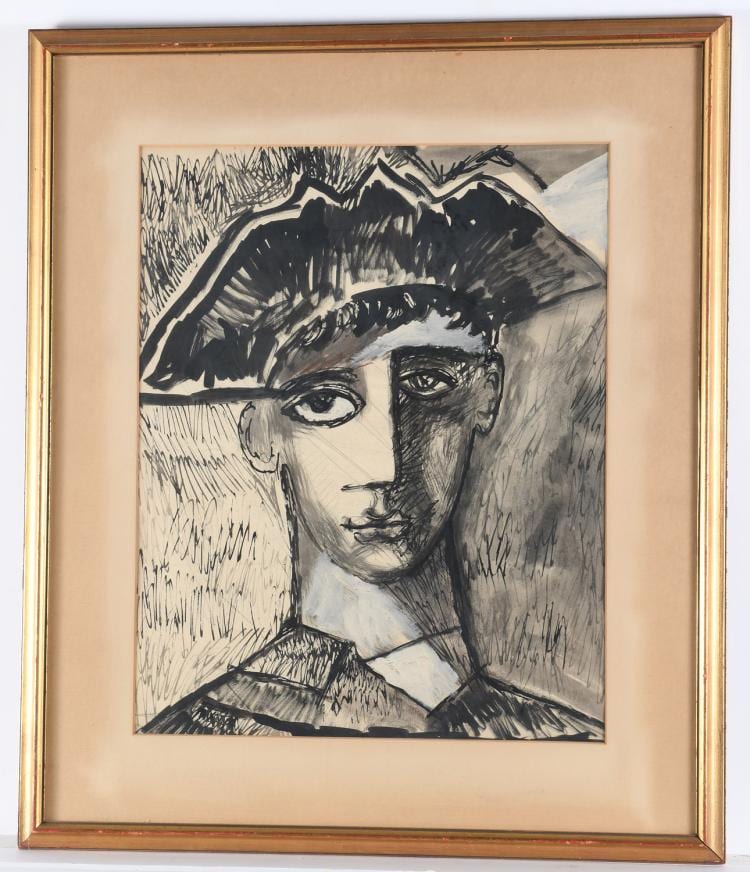
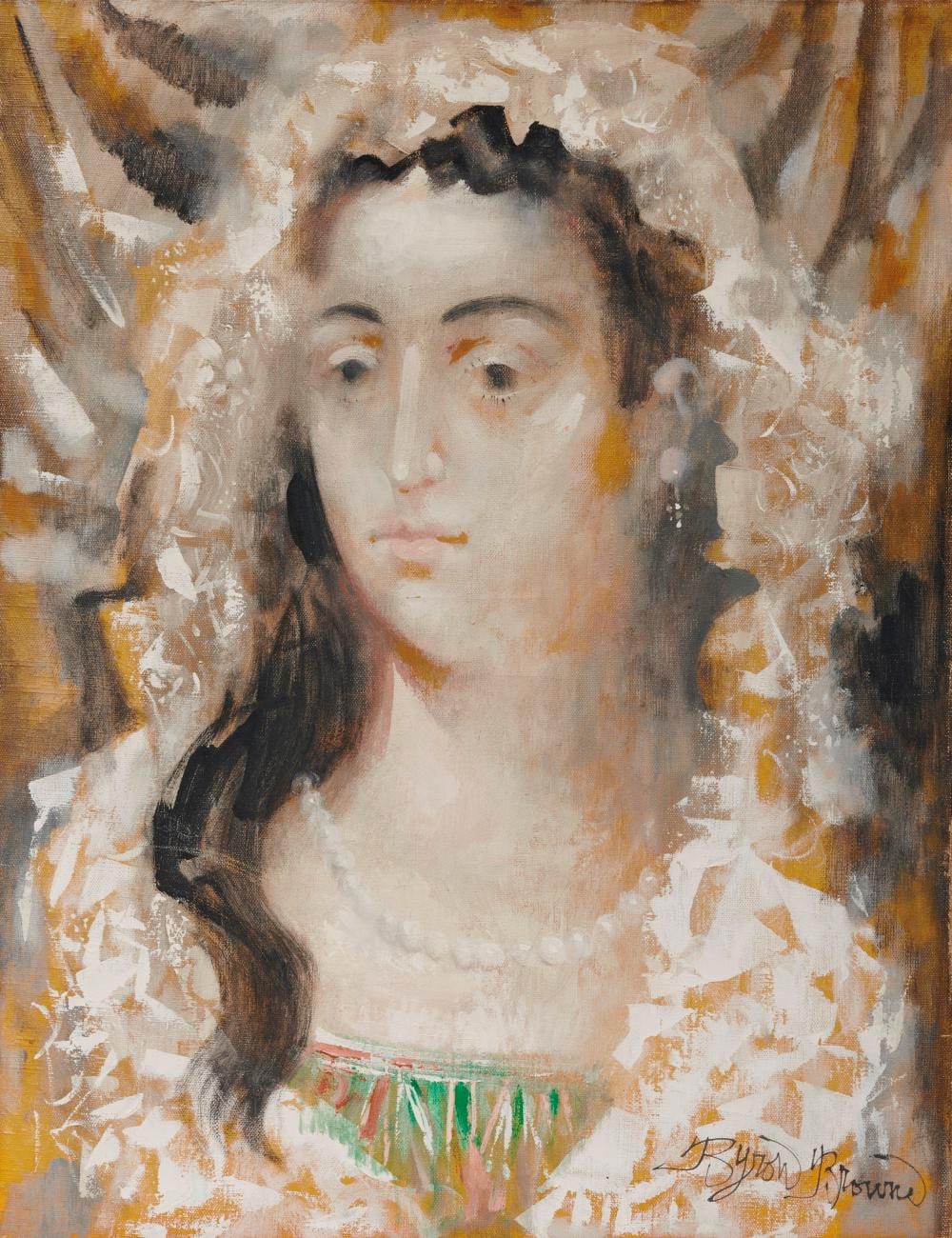
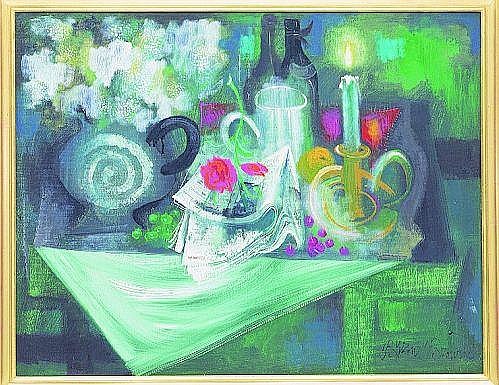
Byron Browne artwork: appraisal and market basics
Start by separating original Byron Browne artwork from prints, reproductions, and weak attributions. Compare medium, support, signature, labels, provenance, period/style fit, condition, dimensions, and same-category modernist market evidence before choosing a sale, insurance, or donation value.
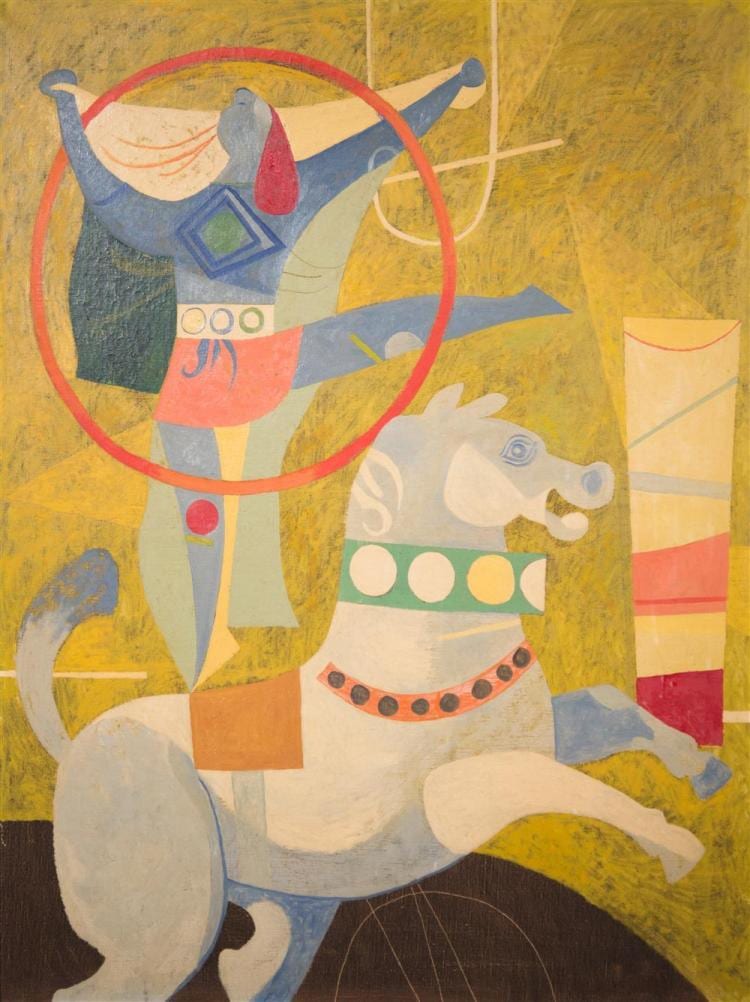
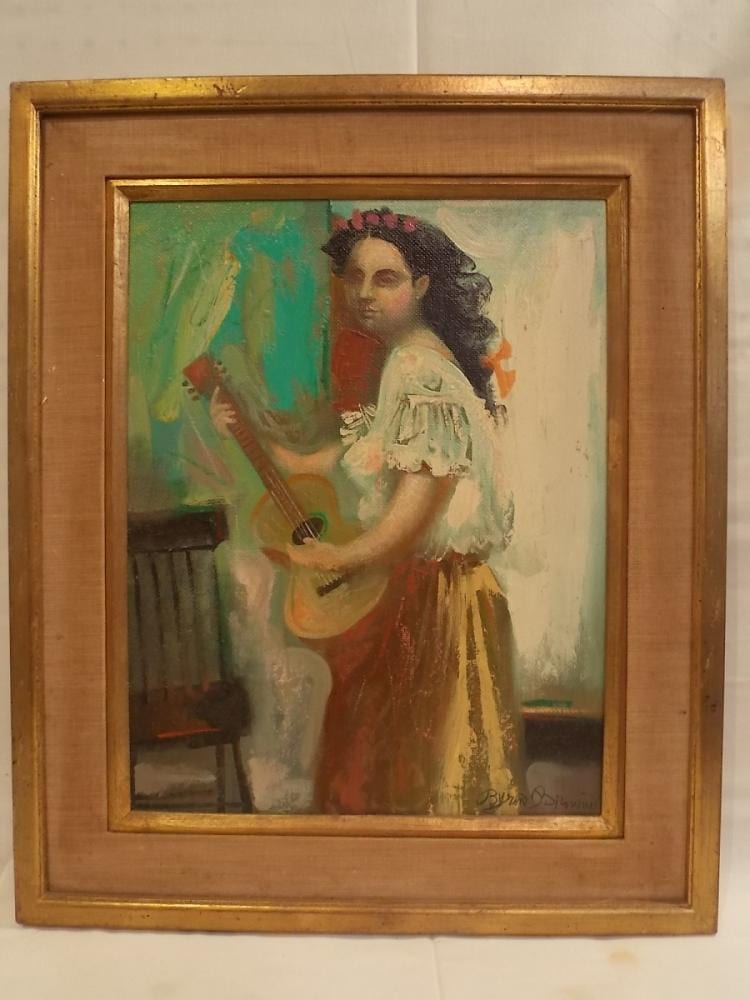
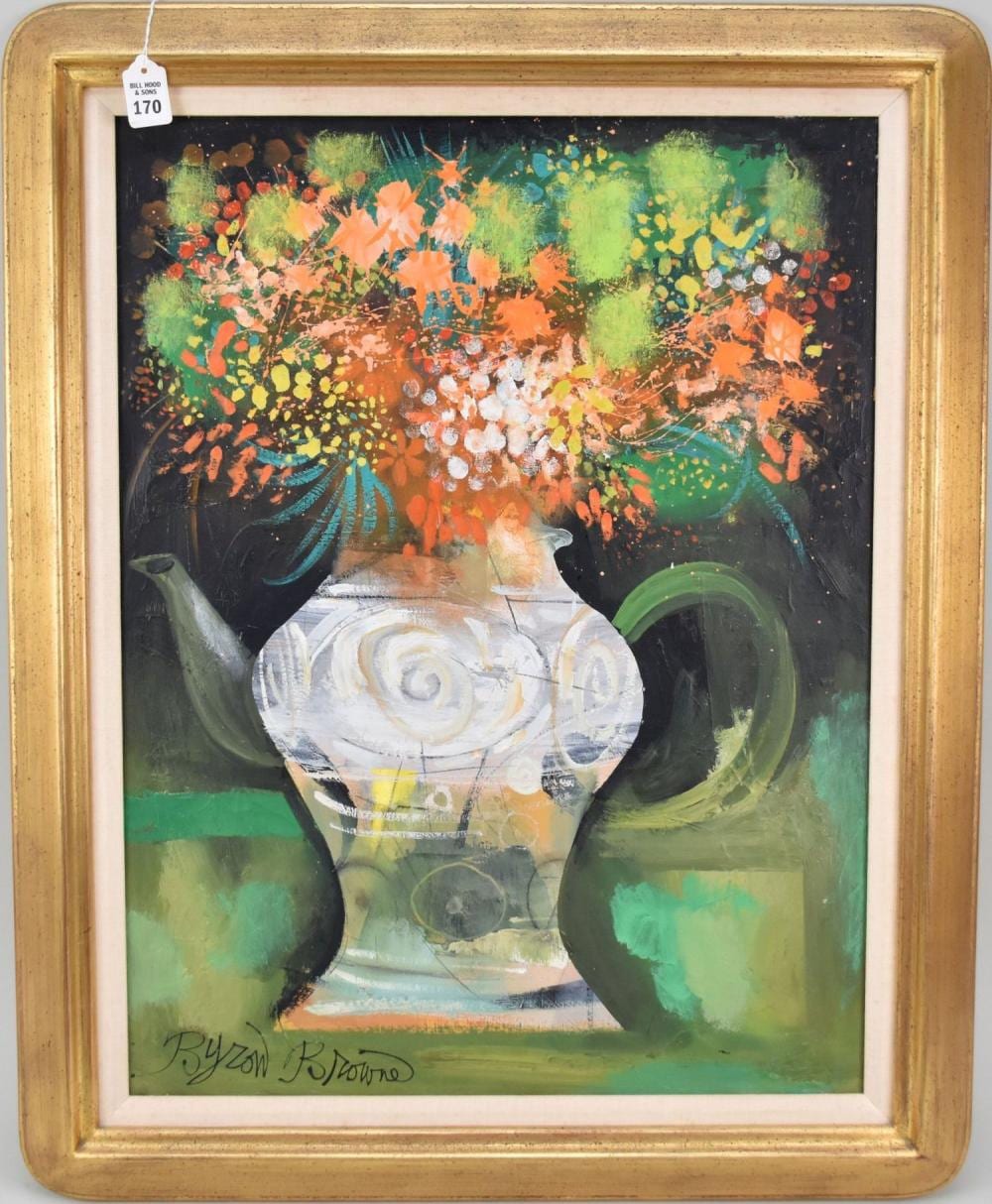
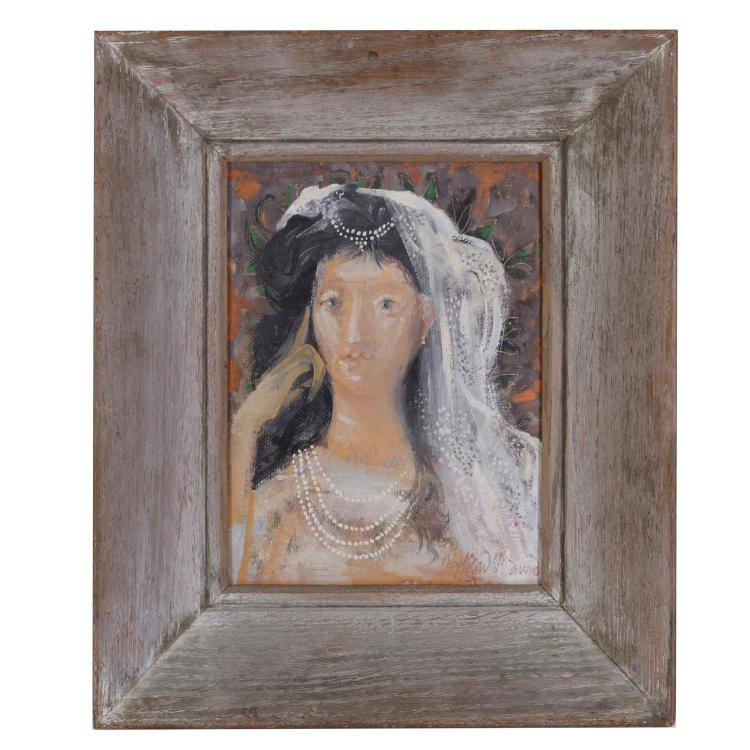
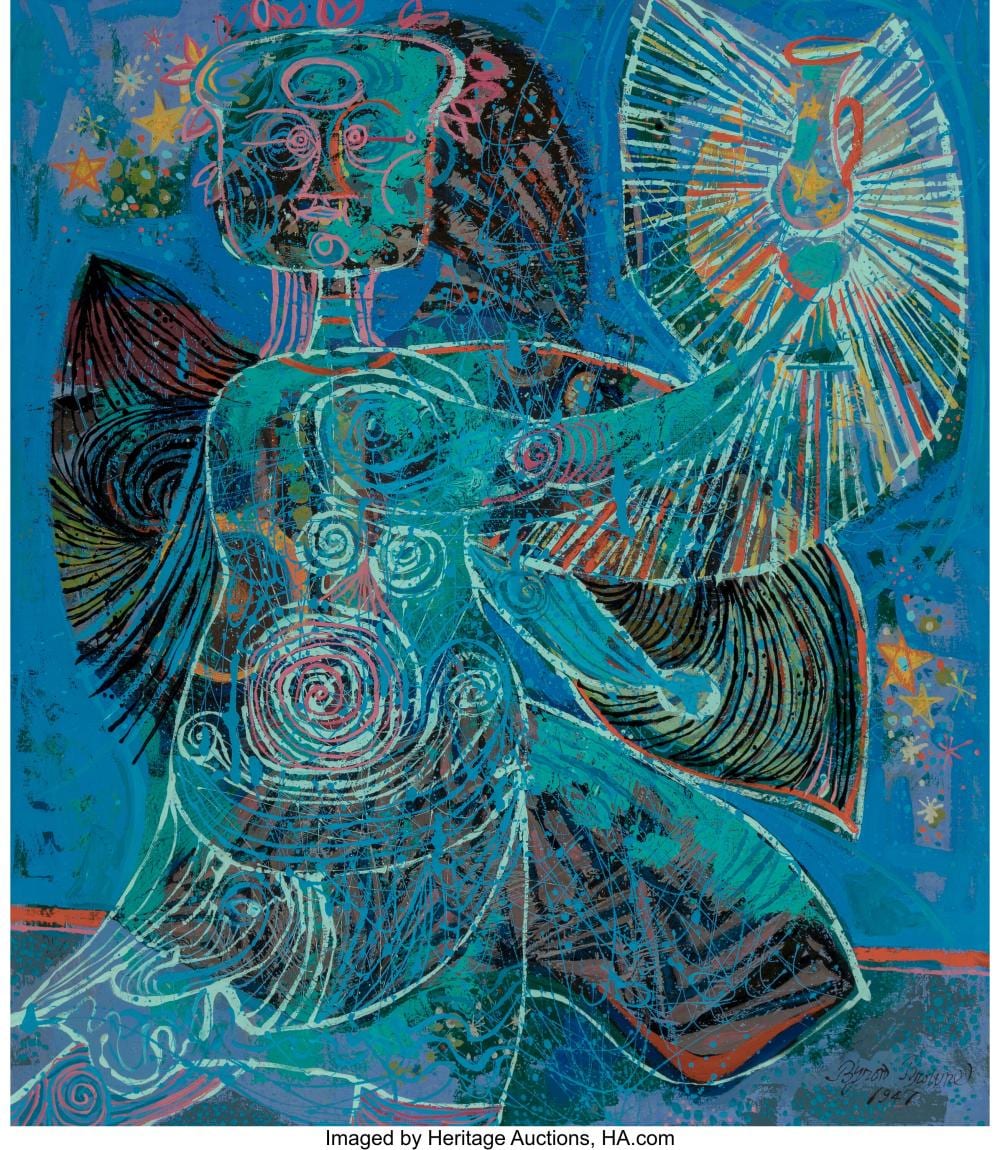
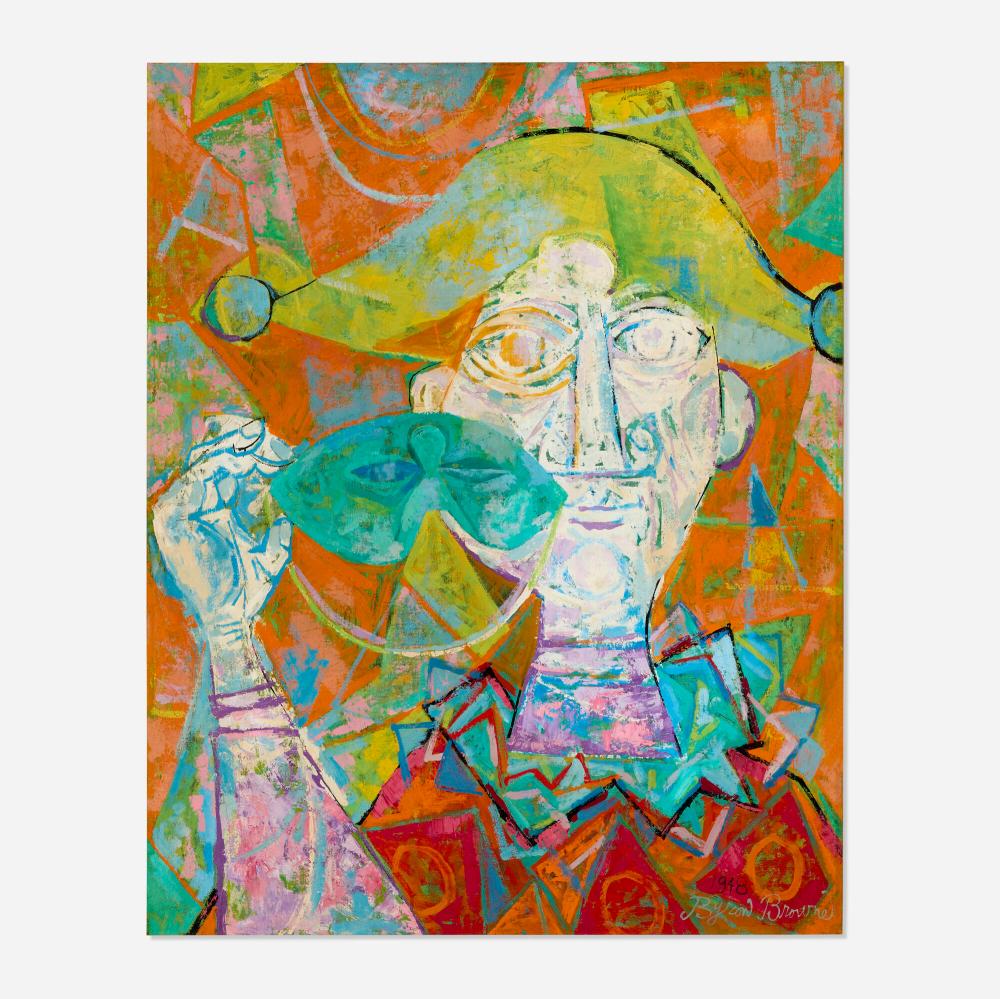
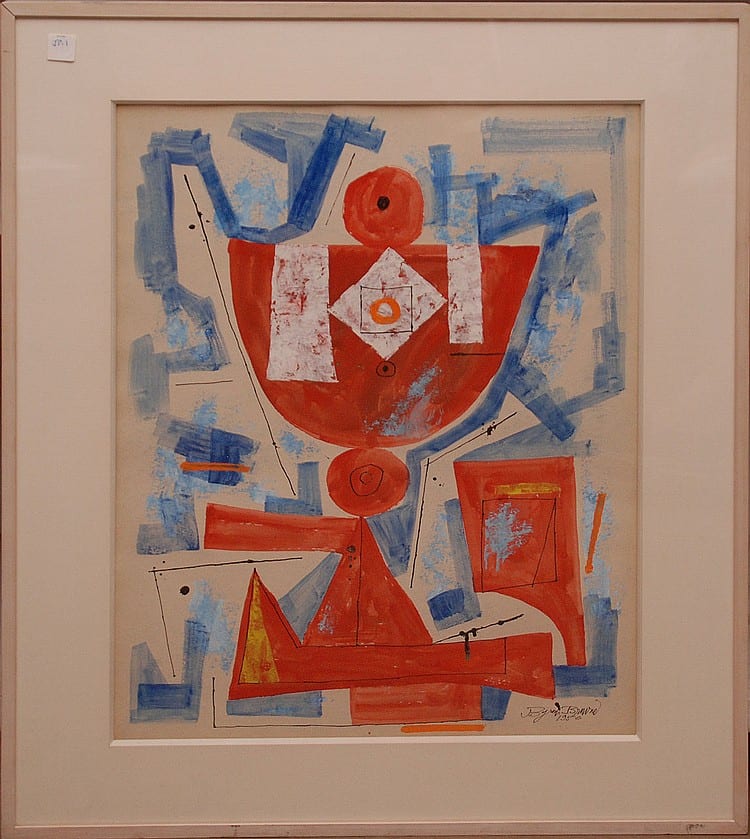
Byron Browne (1907–1961) is best known as a New York modernist and early American abstract artist associated with the American Abstract Artists group. His market is active but nuanced: the biggest swings in value come from medium (oil vs works on paper), size, period/style fit, and documentation (labels, provenance, exhibition history).
This guide helps you confirm whether you have an original Browne (not a print), gather the details an appraiser will ask for, and understand how recent market evidence shape reasonable value expectations.
Free first read
Get the right appraisal for your situation
Upload photos, notes, and questions. We will give you a practical first read with next steps for selling, insurance, donation, or documentation.
Secure upload. Free first read. Checkout only if you decide to proceed.
Quick take: what usually drives Byron Browne value
- Medium: oils and substantial works typically outperform small works on paper.
- Size & composition: larger, resolved abstract compositions tend to command more than studies.
- Dating & stylistic fit: works that clearly sit within Browne’s known modernist language are easier to place.
- Provenance: gallery labels, estate paperwork, or exhibition history can materially reduce risk for buyers.
- Condition: heavy restoration, relining, staining, or paper damage can discount value significantly.
Who was Byron Browne (1907–1961)?
Byron Browne (born George Byron Browne) was an American modernist active in New York, recognized for early abstraction and for participation in the American Abstract Artists circle. Collectors most often encounter his work as:
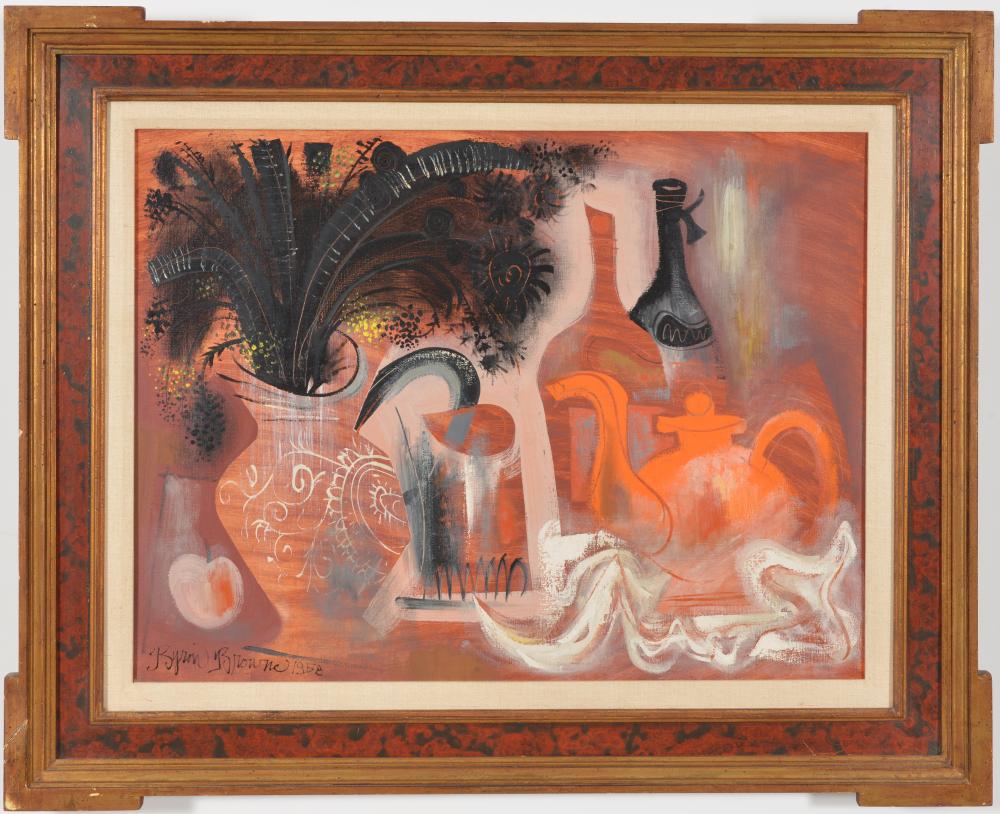
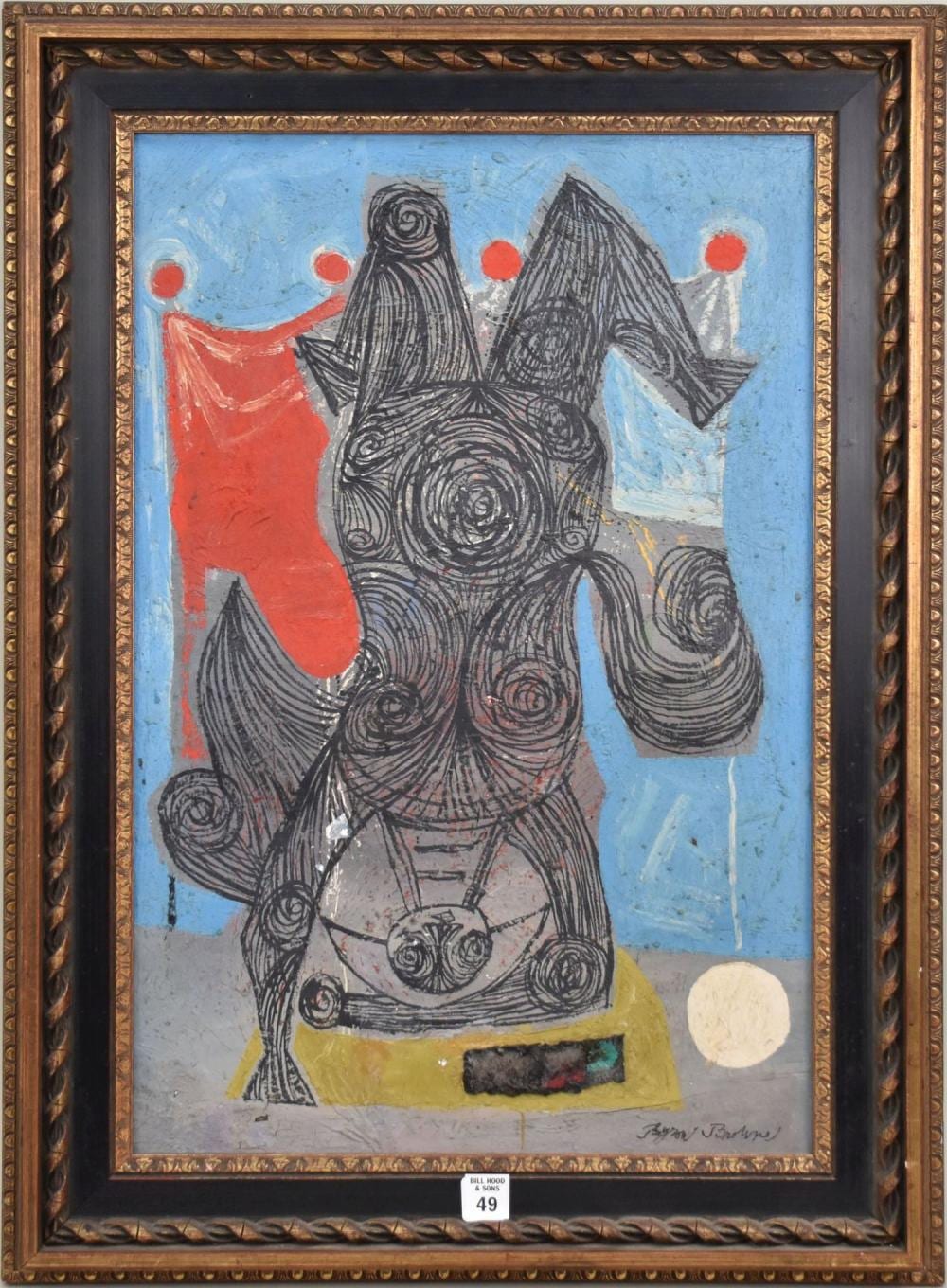
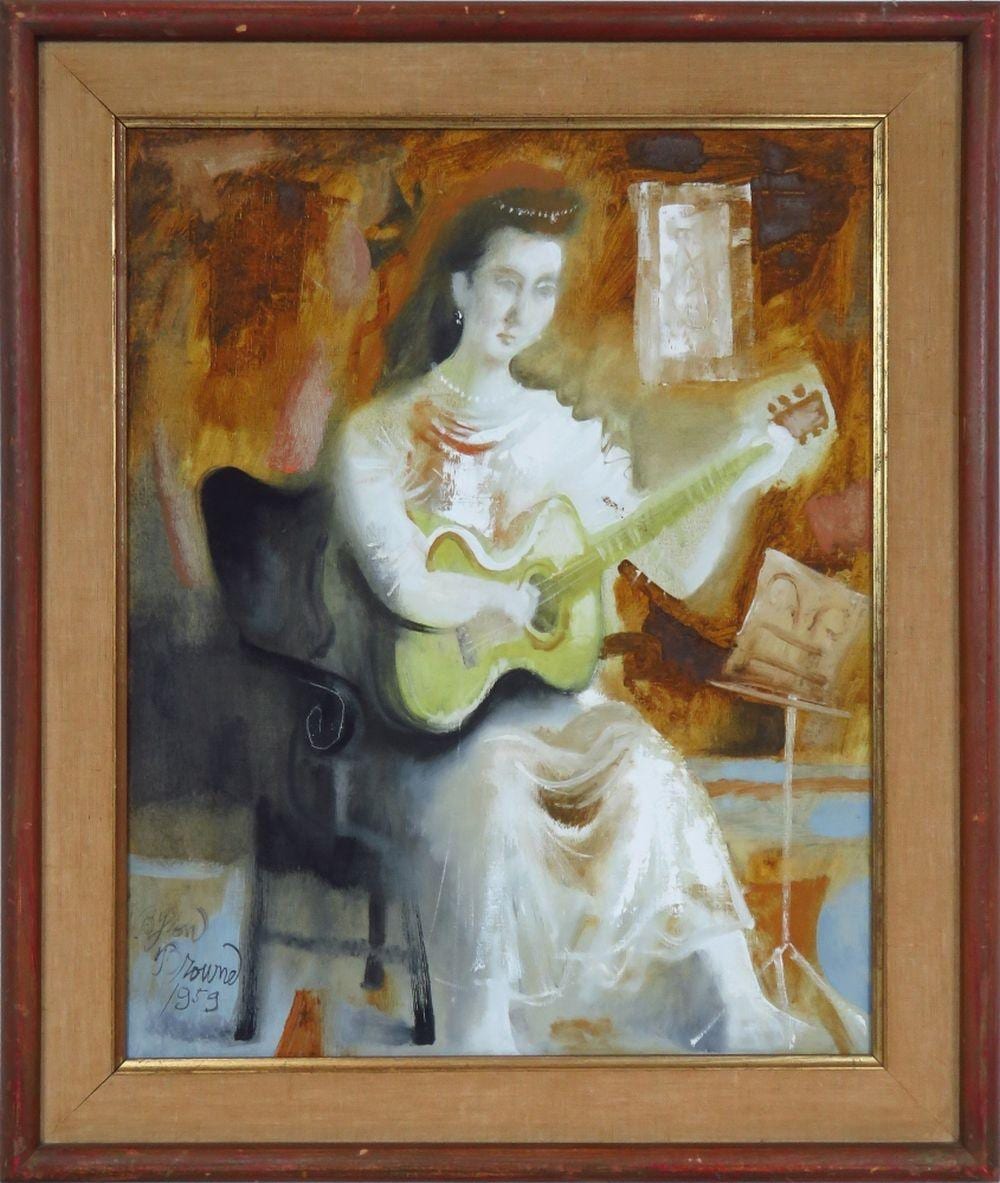
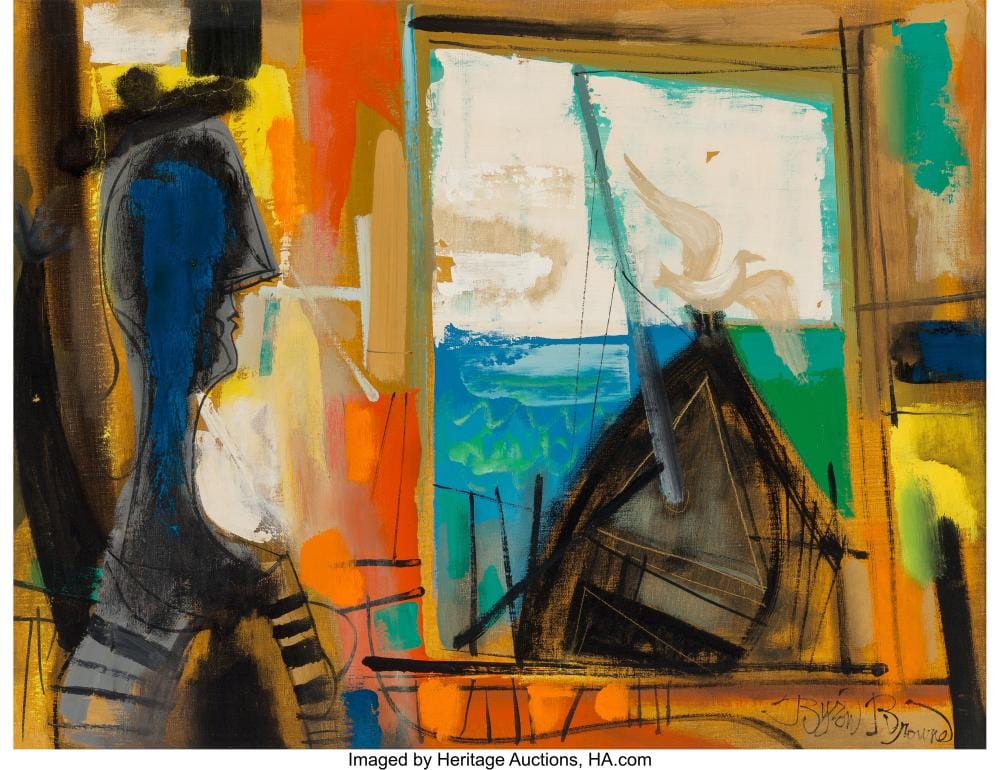
- Abstract and semi-abstract paintings in oil (canvas or board).
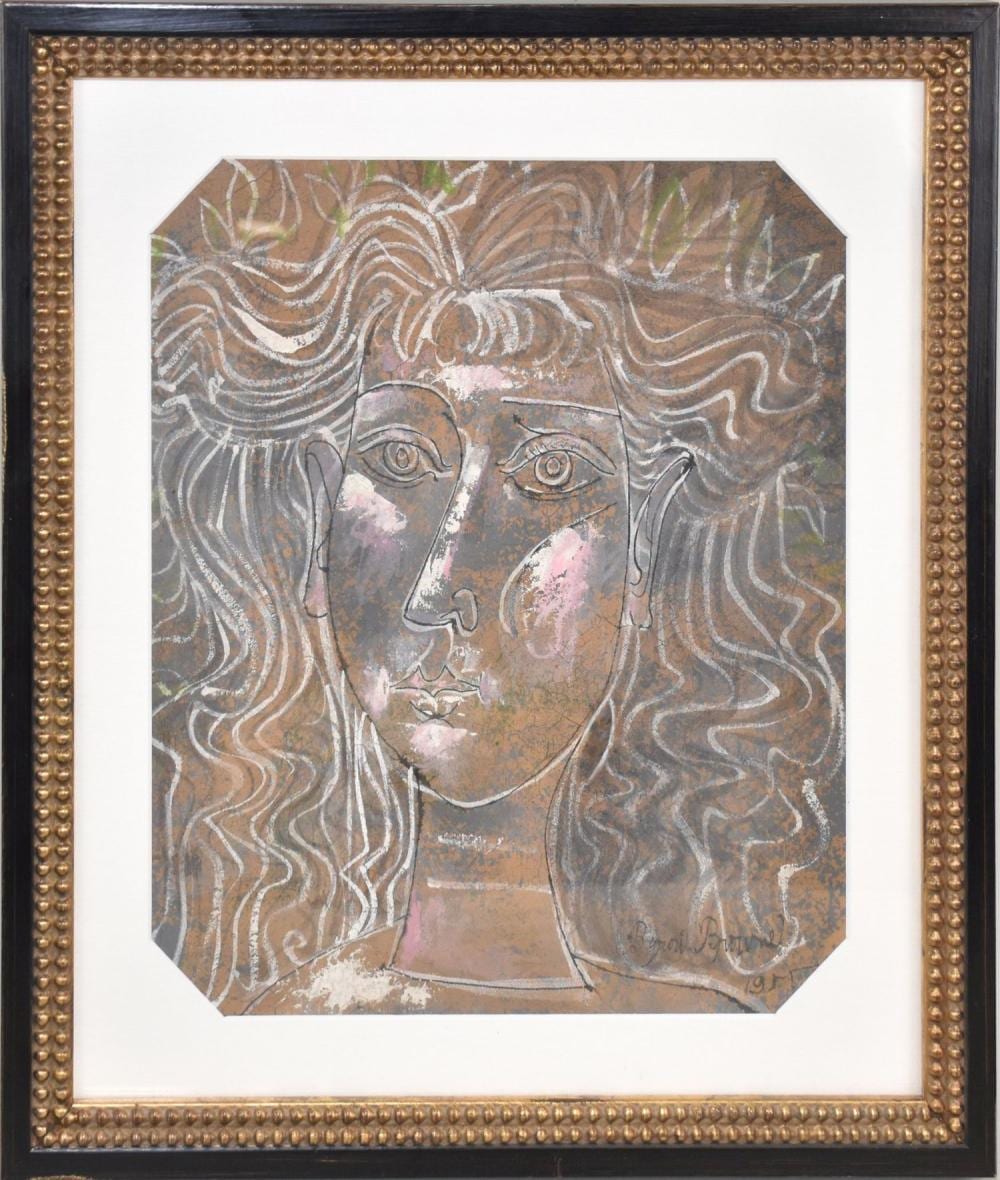
- Works on paper (gouache, watercolor, ink, collage elements, drawings).
- Occasional prints or later reproductions that may circulate outside the fine-art auction context.
For valuation, this matters because buyers pay for a combination of originality confidence (does the work “belong” to the artist?) and presentation (is it ready to hang, stable, and documented?).
Original artwork vs print: how to tell quickly
Many value problems start with a category error. Before you go deep on Browne, confirm what you have:
- Look for real paint film: in raking light, oils and thick gouache show uneven surface and brush direction.
- Use a loupe (10×): prints show dot patterns (offset/inkjet) or uniform pixel structure; originals show pigment granularity and hand edges.
- Check the edges/verso: originals often have tacking edges, stretcher marks, old labels, or taped margins on paper.
- Beware “hand-signed prints”: a real signature on a print doesn’t make it an original painting.
If you’re unsure, don’t clean or “improve” the surface before documenting it—photograph first, then consult an appraiser.
Attribution review checklist (what an appraiser will look for)
The goal is not to prove originality with one clue, but to assemble a coherent set of signals: consistent materials, credible markings, and believable history.
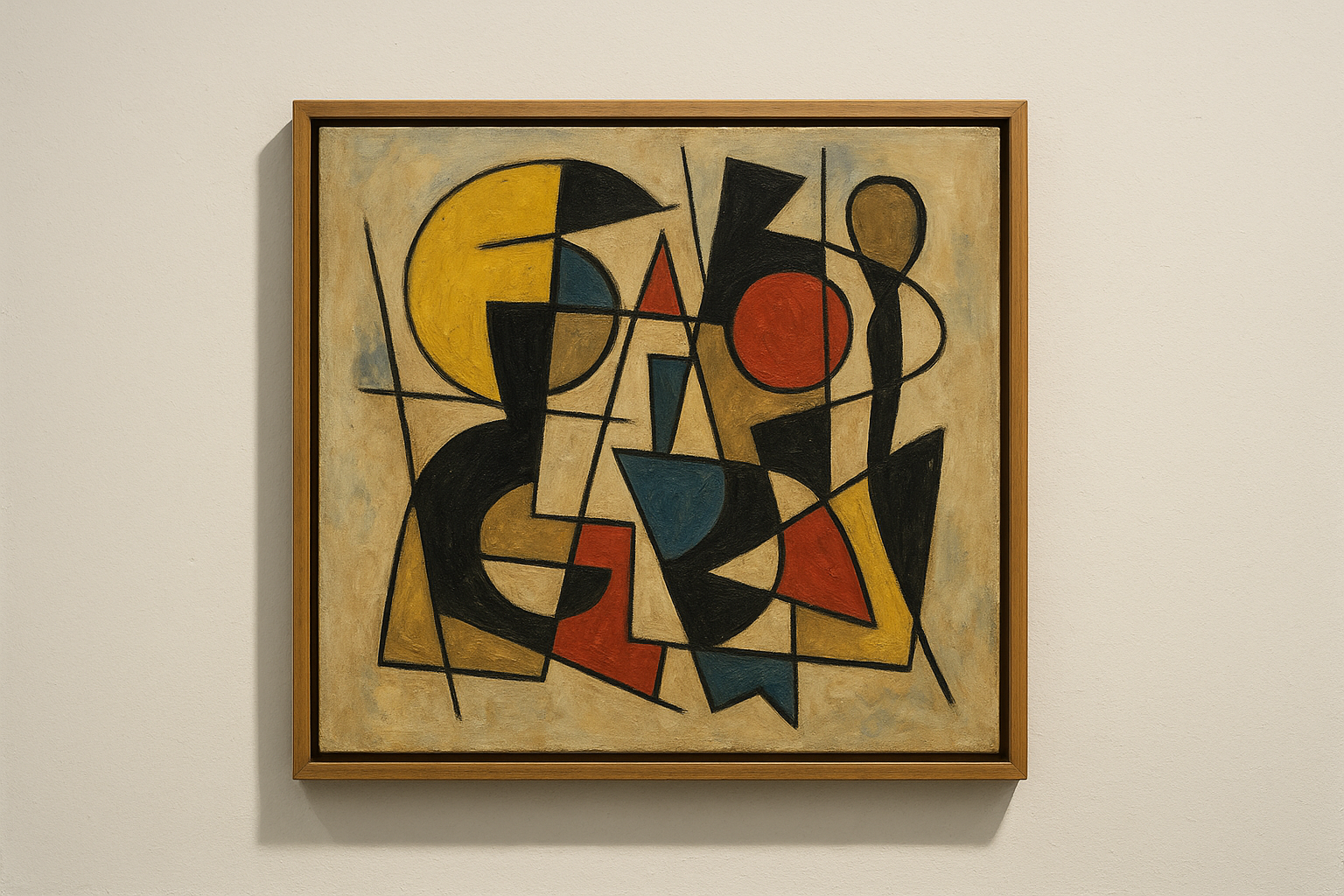
- Medium & support: note oil/gouache, canvas/paper/board, and any watermarks or maker stamps.
- Signature & inscription: photograph close-ups of the signature, dates, titles, and any verso notes.
- Labels & stamps: gallery labels, framer stamps, shipping labels, inventory numbers.
- Dimensions: measure image size and framed size (inches and/or cm).
- Condition: cracks, flaking, discoloration, paper tears, foxing, abrasions, restorations.
- Provenance: who owned it, where it was purchased, and any documentation trail.
Condition notes that move the price
Condition affects value differently depending on medium. Here are common discounts in a Browne-type modernist market:
- Oil on canvas: heavy overcleaning, extensive inpainting, relining, or flaking paint can reduce buyer confidence.
- Works on paper: toning, staining, tears, mat burn, adhesive residue, or trimming can be significant.
- Varnish & surface grime: yellowed varnish is common and often treatable; document it rather than attempting DIY solvent cleaning.
- Frames: frame value is usually secondary unless period/artist-associated; however, a bad frame can hide edge damage.
If you suspect restoration, photograph under angled light and (if safe) UV. Don’t remove labels or backing paper—those are often your best provenance clues.
What to send for an accurate appraisal
If you want a fast, confident valuation, prepare the same package every professional will ask for:
- Front/back photos, plus 2–3 close-ups (signature, texture, labels).
- Measurements (unframed and framed).
- Medium/support notes (oil on canvas, gouache on paper, etc.).
- Condition notes (and whether you know of restoration).
- Provenance summary (how you got it, prior owners, any paperwork).
With that, an appraiser can choose the right market evidence, apply condition adjustments, and recommend the best selling venue.
FAQ
Is a signed Byron Browne print valuable?
Sometimes, but prints are valued differently than original paintings or gouaches. Value depends on edition size, publisher, condition, and whether the signature is documented and intended for that edition.
Where is Browne’s signature usually located?
Signature placement varies by work, but corners on the recto and inscriptions/labels on the verso are common. Atypical placement is not automatic proof of a forgery—document it and compare to verified examples.
Can cleaning increase value?
Professional conservation can improve presentation, but DIY cleaning can permanently damage paint or paper. Photograph first, then consult a conservator/appraiser.
Do I need provenance to sell?
Not always, but provenance reduces buyer risk. Even basic documentation (estate letter, gallery receipt, old label) can help placement and pricing.