1930s railroad oil lantern: appraisal and value basics
A 1930s railroad oil lantern review should start with globe embossing, railroad marks, maker/model stamps, burner, frame, originality, condition, and closely matched railroadiana sales.
Railroad oil lanterns (also called kerosene lanterns, hand lanterns, or “switchman lanterns”) are practical objects that became highly collectible because they sit at the intersection of industrial design and railroad history. A good circa-1930s example has honest wear, a clear maker identity, and—most importantly for collectors—the right parts (globe, burner, and cage) all matched together.
If you inherited an antique lantern stamped with railroad initials or a globe that reads Safety First, you may have something that’s both decorative and historically meaningful. But values vary widely: a common, mismatched lantern with a replacement globe often trades like generic vintage lighting, while a railroad-marked lantern with its correct globe and crisp stampings can bring materially more.
- Photograph the globe: front-on, so embossing reads clearly.
- Photograph cap and base stamps: maker marks, model numbers, and patent dates.
- Confirm completeness: globe + burner + wick adjuster + intact wire guard.
- Note repairs: solder patches, dent work, or heavy repainting can affect value.
Quick value snapshot: the legacy WordPress appraisal note for this topic suggested roughly a broad low-to-mid hundreds range for a typical complete example. The comparable-sale records below show how railroad markings, correct globes, and completeness can shift the market up or down.
Free instant estimate
Not sure if your item is worth appraising? Let us take a look.
Upload a photo, tell us what you know, and get a free first read. If a full appraisal makes sense, we will say so.
Free. No card needed. Takes about two minutes.
Identification checklist: the 7 details that drive value
Take photos in bright, indirect light, and capture each item below straight-on so stampings can be read without guesswork.
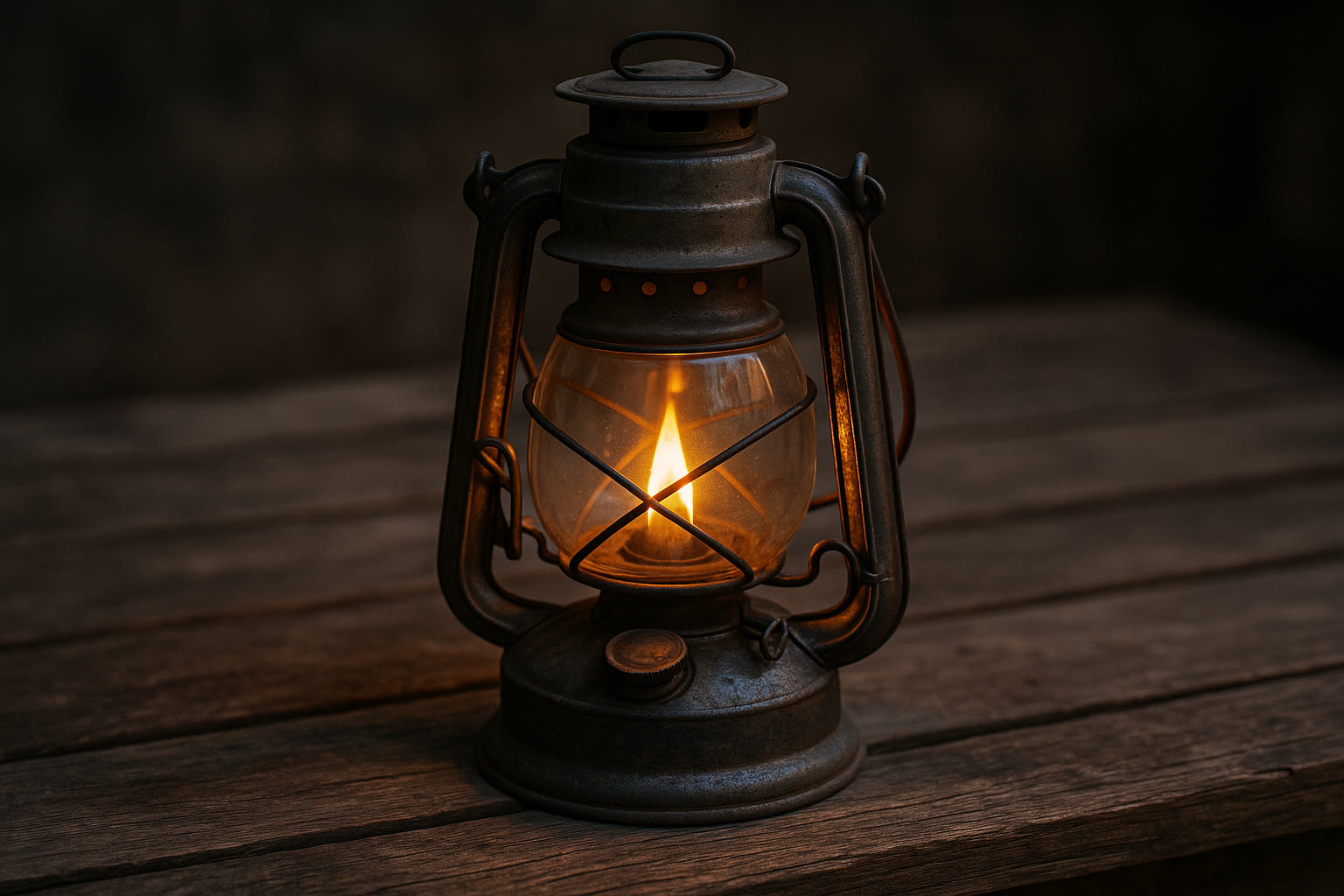
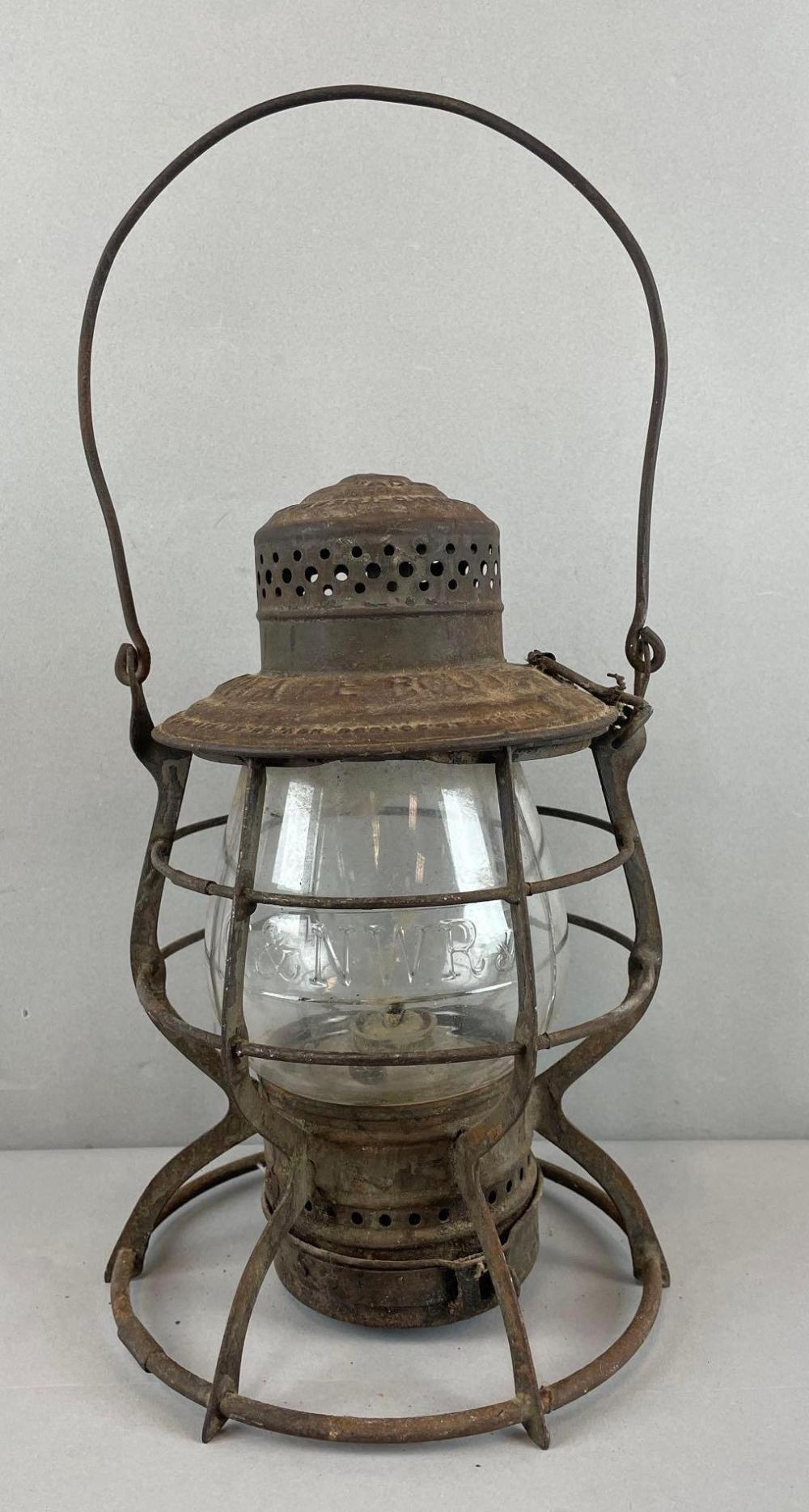
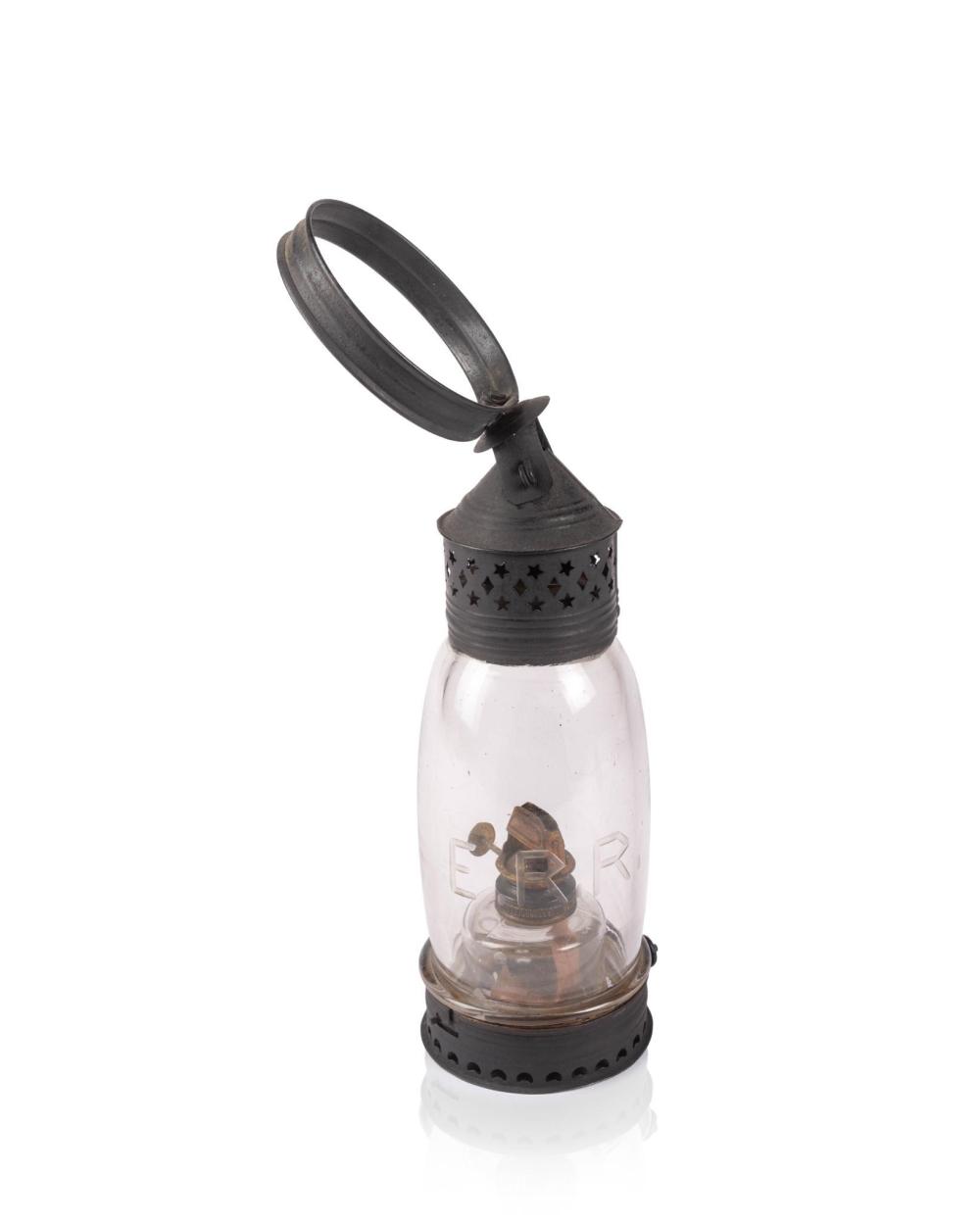
- Globe embossing (and color). Railroad globes may be embossed with initials (e.g., B&O RR) or slogans like “Safety First.” Correct globes can be worth as much as (or more than) a plain replacement.
- Ventilator cap stamping. Look for maker names and/or model numbers stamped into the top cap. Crisp, legible stamps are a plus.
- Font / fount construction. The fuel fount’s seams, dents, solder repairs, and corrosion matter. Repairs are common, but heavily patched founts reduce value.
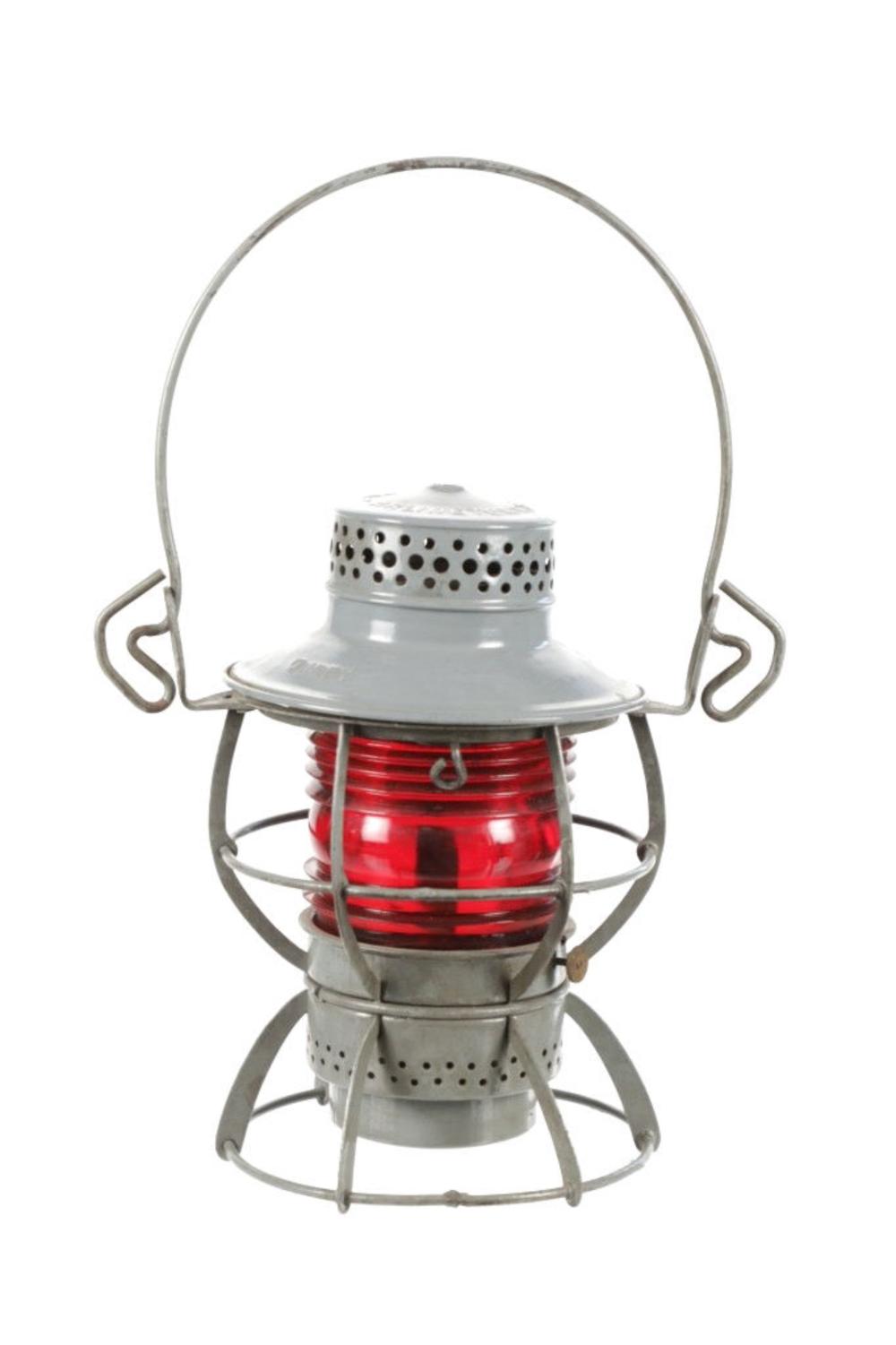
- Burner and wick adjuster. Collectors like original burners with matching patina. A bright new replacement burner is a red flag for “married parts.”
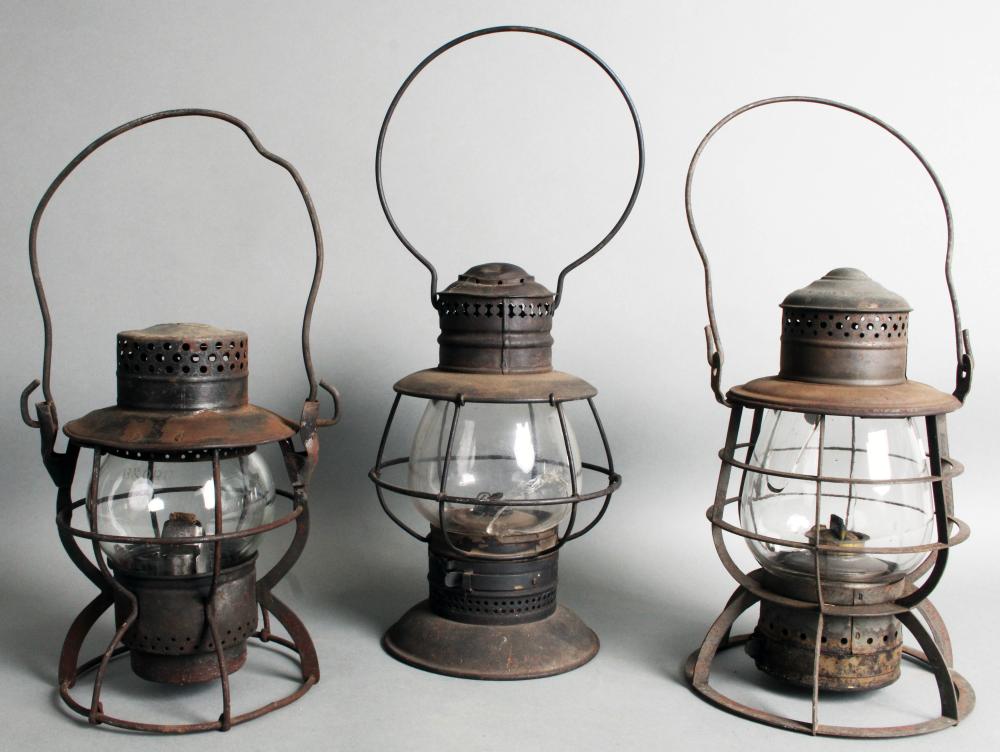
- Wire guard and bail handle. Bent cages can often be straightened, but cracked welds, missing guards, or broken bail ears can be deal-breakers.
- Base stamp / model number. Photograph any patent dates—but treat them as patent dates, not documented production dates.
- Overall originality. The closer a lantern is to “as found” (correct globe + burner + cap + matching finish), the stronger the market confidence.
Dating and maker clues (Feuerhand, Dietz, Adlake, Handlan)
Dating lanterns is usually a cluster of clues, not a single magic stamp. Use maker marks first, then confirm with construction details.
Feuerhand “Made in Germany” vs “W. Germany”
Feuerhand is a German brand best known for storm/hurricane lanterns. Collectors often use the country mark as a coarse date guide:
- “Made in Germany” typically indicates pre-1945 production on Feuerhand lanterns.
- “W. Germany” is generally post-1950 (West Germany) production.
This matters because prewar examples can command a premium in certain collecting circles. But be careful: globes and burners can be swapped, so confirm the marking is on the lantern body (cap/fount) and not only on a replacement globe.
American railroad lantern makers and what to expect
Common names collectors encounter include Dietz (New York), Adlake (Chicago), and Handlan (St. Louis). These makers produced both railroad and civilian lanterns; railroad ownership is often indicated by stamped shoulders or railroad-marked globes.
Condition and originality: what collectors pay for
Lantern collecting is more like tool collecting than furniture collecting: buyers tolerate honest wear, but they pay for completeness and documented originality.
- Globe condition: chips, cracks, or fogging reduce value; a correct embossed globe can be a major premium.
- Paint and finish: original paint with patina is often preferred over a fresh repaint. Over-cleaning can hurt value.
- Rust and metal loss: surface oxidation is common; deep pitting, thin metal, or active corrosion in the fount is a bigger issue.
- Missing parts: missing burners, broken wire guards, or absent globes typically drop the lantern into “parts/repair” pricing.
Selling tips
Most “railroad lantern” listings fail because they skip the very details buyers use to document. Include these in your description and photos:
- Close-ups of every stamp (cap, shoulder, base) and a readable globe photo from the front.
- Whether the burner is present, and whether the wick adjuster turns freely.
- Any repairs (solder, seam work, replaced globe) disclosed up front.
- Measurements (height without handle, base diameter) and approximate weight if shipping.
Search variations collectors ask
Readers often Google:
- how to identify a 1930s railroad lantern maker mark
- what does “Safety First” globe mean on a railroad lantern
- Feuerhand “Made in Germany” lantern date guide
- Dietz No. 39 railroad lantern value and patent date
- how to tell if a railroad lantern globe is original
- best way to clean an antique kerosene lantern without repainting
- how much is a B&O railroad lantern worth today
- where to sell railroadiana lanterns and globes
Each question is answered in the valuation guide above.
References
- Feuerhand brand history and product references (manufacturer documentation and collector summaries).
- Railroadiana collecting primers on lantern globe embossing, color codes, and safety slogans.
- Auction catalogues cited in text: Jeffrey S. Evans & Associates, Sofe Design Auctions, Keystone Auctions LLC, Berliner Auktionshaus (2022–2024).
- General safety guidance for kerosene lantern use and storage (fuel handling, ventilation, and leak inspection).