A Fine Quality Solid Wood Circa 20th Century Italian Hand Made Tea Cubby: appraisal and value basics
A Fine Quality Solid Wood Circa 20th Century Italian Hand Made Tea Cubby research should start with identification, condition, provenance, and recent comparable sales. Use this guide to compare the signals that matter before paying for a formal appraisal or deciding whether to sell.
20th-Century Italian Handmade Solid Wood Tea Cubby Value Guide
Small wooden tea boxes show up in estates and antique shops under many names: tea cubby, tea caddy, tea box, and (less often) tea chest. The piece described in the legacy WordPress appraisal is a compact cube about 5” × 5” × 5” with five marquetry swallows, the inscription “Ritornero” (“I will return”), and traces of a lead-foil lining.
If you own something similar, the goal is to document what it actually is (materials and construction), then compare it to real market results. This guide gives you an appraisal-style checklist and three concrete auction comps to help you set a realistic value range.

Free instant estimate
Not sure if your item is worth appraising? Let us take a look.
Upload a photo, tell us what you know, and get a free first read. If a full appraisal makes sense, we will say so.
Free. No card needed. Takes about two minutes.
What is a “tea cubby” (tea caddy)?
A tea cubby is essentially a tea caddy: a lidded container used to store tea leaves. Historically, tea was expensive, and caddies were made to protect it from humidity and odors. Many 18th–19th century examples (especially English) feature metal-lined interiors (often lead) and fine hardwoods or veneers.
By the 20th century, tea caddies also became decorative household objects and popular gift/souvenir items. Italian makers produced a large number of inlaid and marquetry boxes that echo earlier forms while emphasizing attractive surface decoration.
Identification checklist for Italian marquetry tea boxes
Appraisers start with construction and materials, then decoration. Use this quick checklist and photograph each point.
- Wood vs. veneer: Many “solid wood” tea boxes still use decorative veneers; look at edges and corners for veneer layering.
- Joinery: Tight miters and clean seams suggest higher quality; gaps at corners lower desirability.
- Hinges: Small brass hinges are typical; replacements are common but should be noted.
- Interior lining: Lead foil (or remnants) is historically common. Photograph it, but don’t scrape or polish it.
- Motifs: Swallows, florals, and geometric bands are common marquetry themes in decorative boxes.
- Inscriptions: “Ritornero” can read as a sentimental message and supports a souvenir/gift context.

Dating and origin (why “Italian” is plausible)
Italian marquetry and inlaid boxes are commonly associated with regions known for wood inlay traditions (including Sorrento ware). In the 20th century, workshops produced decorative boxes for both local use and export. Many examples show a mix of hand-finishing and standardized components.
Without a maker label or receipt, it’s safest to treat a box like this as 20th century rather than guessing an exact decade. The most helpful dating clues are hardware style, the look of the lining, and overall wear patterns (especially on the base).
A note on lead-foil lining (safety + care)
Lead foil was used historically because it could be fitted tightly and helped reduce moisture transfer. If your box still has foil remnants, it’s best to treat it as a historical feature rather than something to “fix.” Avoid food contact and avoid aggressive cleaning; use gentle dusting only. If you want to use the box for tea storage today, place the tea in a sealed inner container instead of directly against the liner.
Condition points that change value fast
Small boxes are deceptively sensitive to condition because buyers want them to present cleanly on a shelf. Value typically drops for:
- Lifted or missing veneer (especially on edges/corners)
- Cracked or warped lid that doesn’t close squarely
- Loose hinges or stripped screw holes
- Odors and staining inside the box
- Heavy surface refinishing that blurs marquetry detail
Appraisal value range (USD)
The legacy appraisal summary suggested an appraisal value of $250–$350. That range is consistent with a well-made 20th-century Italian marquetry tea caddy in good condition (tight seams, crisp inlay, and no major veneer losses).
Expect the range to shift upward when the decoration is especially crisp and the box is exceptionally clean, and downward when there are obvious veneer losses, lid warping, or heavy staining.
Note: We couldn’t find enough auction records that directly match 20th-Century Italian Handmade Solid Wood Tea Cubby Value Guide to publish a defensible price table. If you are valuing a specific item, include its maker, model, material, photos, and condition so the search can be narrowed.
What similar items actually sold for
To help ground this guide in real market activity, here are recent example auction comps from Appraisily’s internal database. These matched sales are market context only, not an object estimate or identification, and they do not guarantee a price for your specific a fine quality solid wood circa 20th century.
Shown AUD range: AUD 425-AUD 2,400. Median of these 4 AUD examples: AUD 1,100.
| Comparable | What sold | Auction house | Date | Lot | Source-reported amount |
|---|---|---|---|---|---|
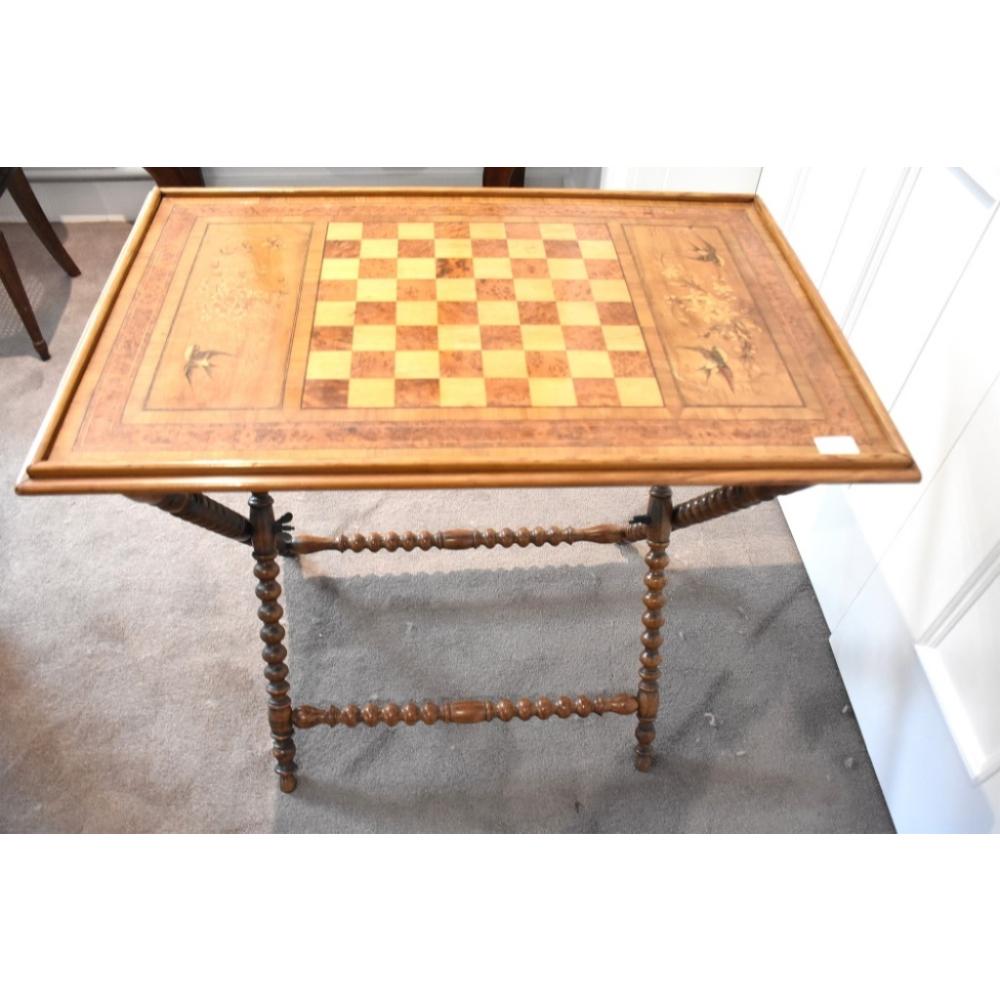 |
A fine quality 19th century Italian olive wood and amboyna travelling chess table having bird and floral marquetry inlay. H 69cm, W 79cm | Christian McCann Auctions | 2023-05-28 | 519 | AUD 800 (buyer’s-premium treatment unknown) |
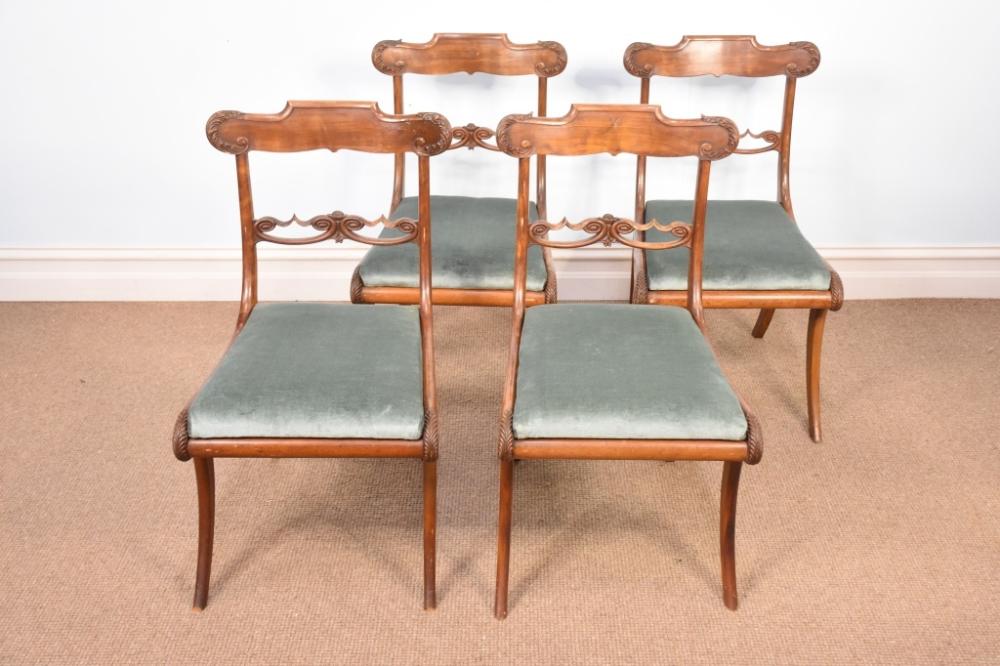 |
A fine quality and rare of four solid satin wood Regency chairs having carved decoration and sabre legs. H 88cm, W 49cm | Lawsons | 2025-02-09 | 54 | AUD 425 (buyer’s-premium treatment unknown) |
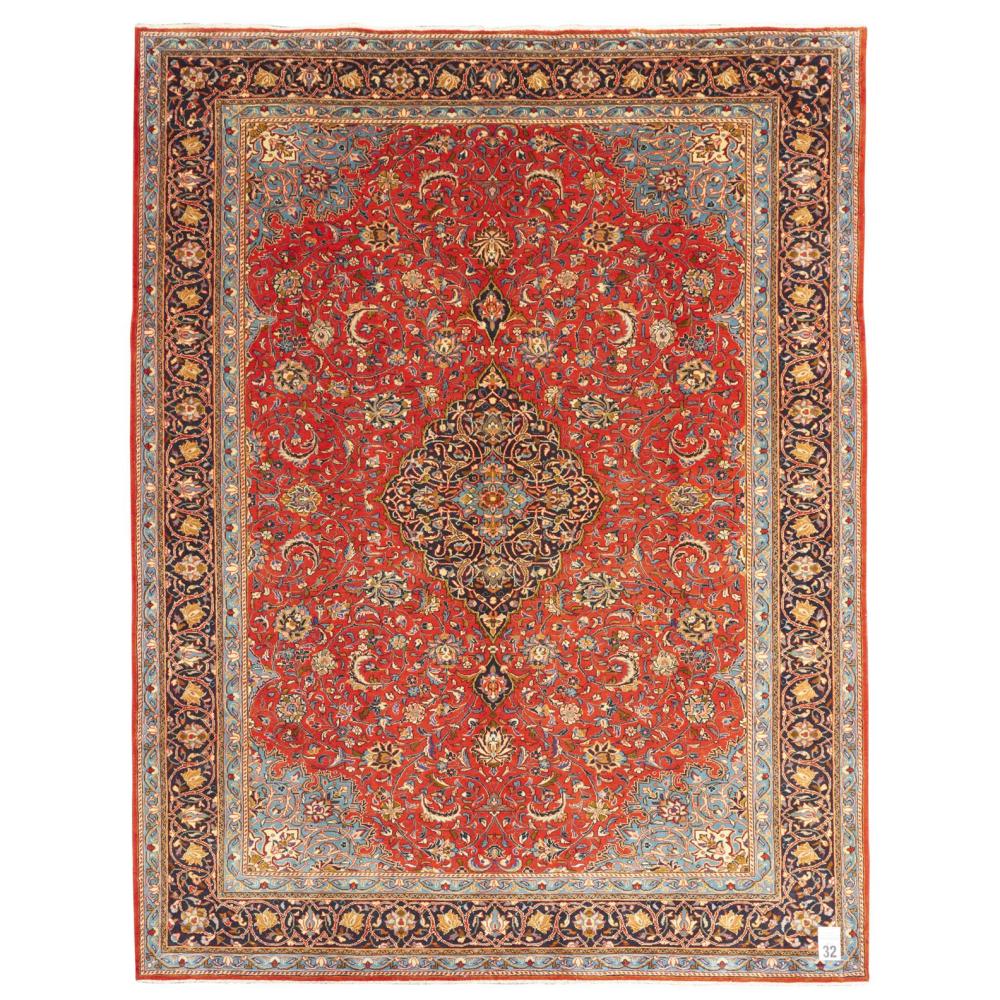 |
A FINE & SOLID PERSIAN SAROUQ CARPET, HIGH QUALITY WOOL PILE. FINELY HAND-KNOTTED. CLASSIC SAROUQ DESIGN OF CHANDELIER MEDALLION IN... | Leonard Joel | 2024-12-05 | 32 | AUD 1,400 (buyer’s-premium treatment unknown) |
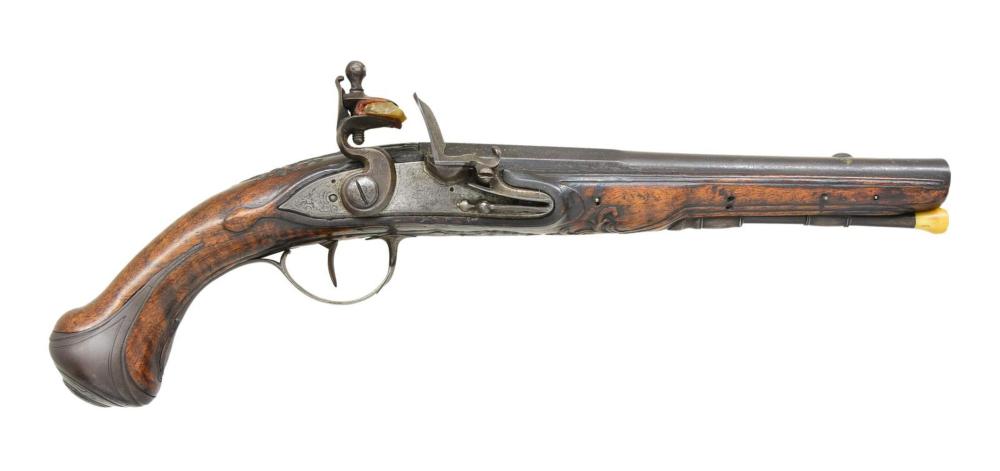 |
FINE QUALITY MID 18TH CENTURY FRENCH FLINTLOCK | Poulin Antiques & Auctions | 2021-11-07 | 3363 | USD 1,300 (buyer’s-premium treatment unknown) |
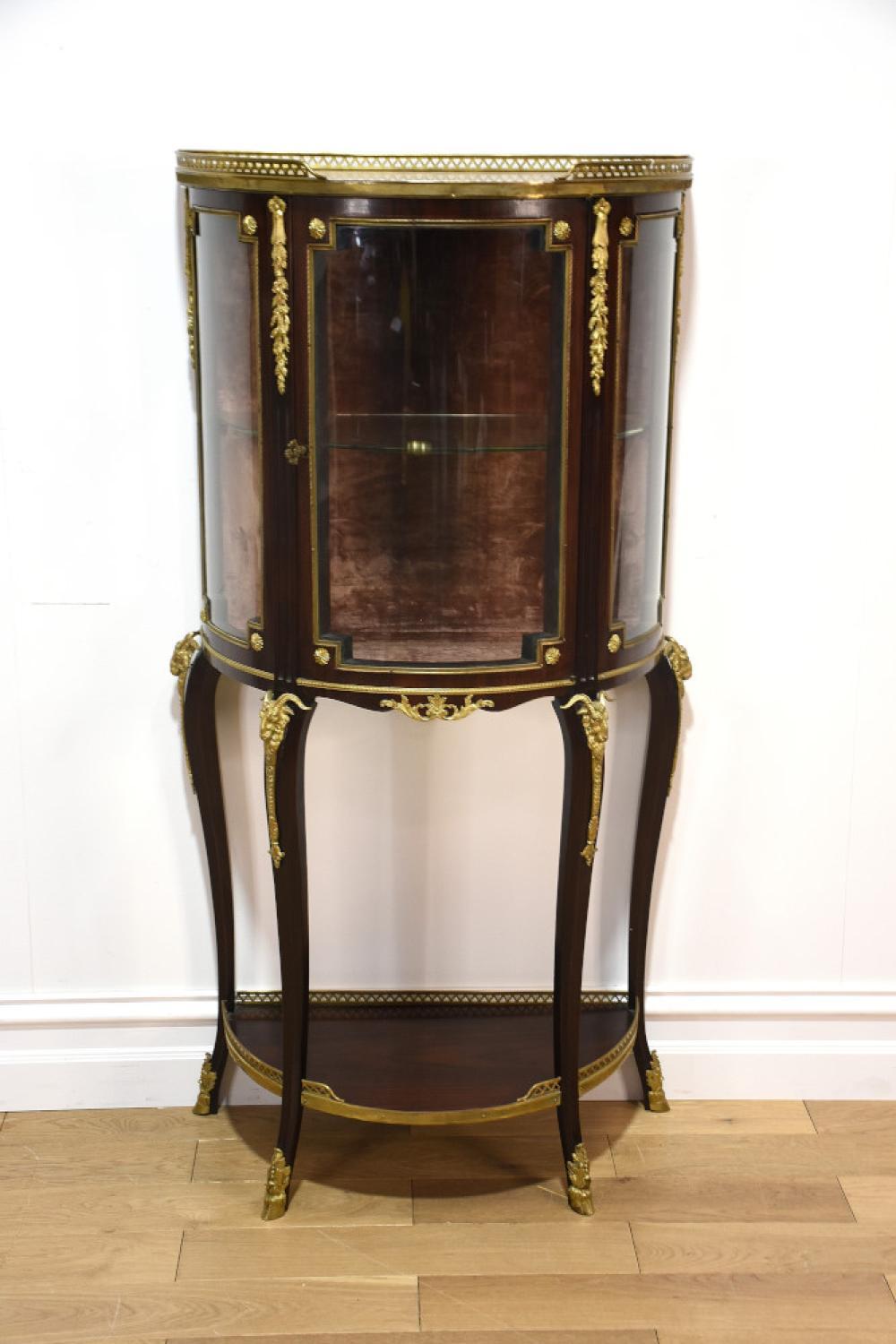 |
A fine quality French 19th century bow front vitrine having fine ormolu mounts and marble top. | E J Ainger | 2024-10-20 | 303 | AUD 2,400 (buyer’s-premium treatment unknown) |
How these auction records were verified
Each row retains its exact source URL, lot identity, retrieval time, access result, and immutable record hash. Inspect the public comparable provenance record.
Disclosure: prices are shown as reported by auction houses and are provided for appraisal context. Learn more in our editorial policy.
Tea boxes sell best when listings remove uncertainty. Before selling, photograph:
- All four sides + the lid (straight-on shots)
- Close-ups of the marquetry swallows and the “Ritornero” inscription
- The interior (including any foil liner remnants)
- Hinges from above and the back edge (open and closed)
- The underside (construction and wear patterns)
For venue choice: local vintage shops often pay wholesale, online marketplaces move quickly with strong photos, and small auction houses can help if you have multiple decorative boxes to group.
About the valuation method
This guide uses a standard appraisal approach: document construction and condition, then benchmark against comparable sales. For insurance replacement values, numbers can run higher than auction “hammer” prices; for resale planning, recent hammer results are a practical baseline.
Search variations collectors ask
Readers often Google:
- Italian marquetry tea caddy value
- what is a tea cubby box used for
- Ritornero marquetry box meaning
- how to date an Italian Sorrento ware tea caddy
- lead lined tea caddy safe to use
- how to sell an inlaid wooden tea box
- 20th century Italian tea box appraisal range
- swallow marquetry box identification
Each question is addressed in the identification and comps sections above.